Best Skis for Bumps of 2026
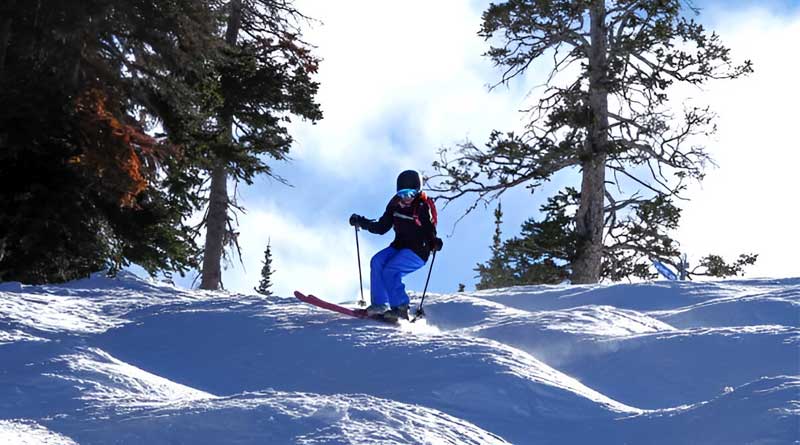
Skiing on bumps, also called moguls, needs the right kind of skis. These skis should be quick and flexible. They must help you turn fast and stay balanced. Not all skis work well on rough, uneven slopes. That’s why choosing the best skis for bumps is important. The right pair can make your ride smoother and more fun. In this article, we will show you top skis made for moguls. We’ll look at what makes them special. You’ll also find tips on what to check before buying. Whether you’re new or experienced, this guide will help. Get ready to ski better and enjoy the bumps more.
1. K2 244
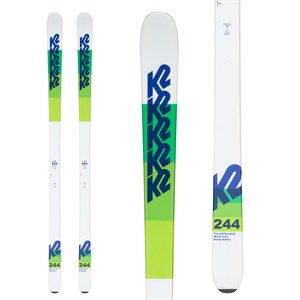
- Core: Fir and Aspen wood core for strength and responsive energy
- Rocker Type: All-Terrain Rocker with gradual tip rise and slight tail lift
- Laminates: Triaxial Braid for torsional strength and lively flex
- Sidewalls: DuraCap construction for durability and reduced weight
The K2 244 is one of the few skis on the market designed specifically for mogul skiing. Its narrow waist and traditional camber profile give it lightning-fast edge changes, making it perfect for navigating tight zipper lines. The All-Terrain Rocker adds a slight rise in the tip, which helps the ski stay manageable when the bumps get irregular or the snow becomes variable. This design keeps the ski quick and precise while still providing enough forgiveness to maintain control through challenging terrain.
The fir and aspen wood core delivers a solid balance between strength and responsiveness, giving the ski a lively feel underfoot. On groomers, it can still carve clean arcs and hold an edge surprisingly well, although it prefers moderate speeds. Once speeds climb too high, the narrow platform can feel less stable compared to wider all-mountain skis. Still, for skiers who spend most of their time in the bumps, the K2 244 remains one of the best purpose-built options available. It offers a traditional mogul ski feel with modern construction that keeps it nimble, responsive, and incredibly fun.
Pros
- Excellent quickness and control in moguls
- Strong edge grip for precise turns
- Purpose-built for dedicated bump skiing
Cons
- Limited stability at high speeds
- Not very versatile outside mogul terrain
2. Blizzard Rustler 9
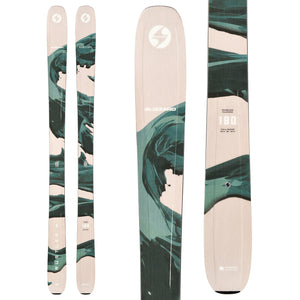
- Terrain: All-Mountain
- Core/Laminates: Wood, Metal
- Turning Radius: Medium
- Tail Type: Partial Twin Tip
The Blizzard Rustler 9 is a true all-mountain companion, designed to handle everything from groomed runs to soft powder with equal confidence. Its wood and metal core delivers a damp, stable ride that stays composed at speed, while remaining light enough to maneuver through trees and bumps without excessive fatigue.
With a medium turning radius, the Rustler 9 strikes a nice balance between quick, playful turns and smooth, sweeping arcs on open terrain. The partial twin tip adds versatility for switch landings and playful moments in the park or off small drops, making it a great choice for intermediate to advanced skiers who want one ski to do it all. Note that bindings are sold separately.
Pros
- Versatile performance across varied terrain
- Stable, damp feel from metal-reinforced core
- Playful twin tip design adds versatility
Cons
- No bindings included, added cost required
- Not as sharp on hard-pack carving as dedicated carvers
See the Blizzard Rustler 9 See the Women’s Sheeva 9
3. Völkl Peregrine 80
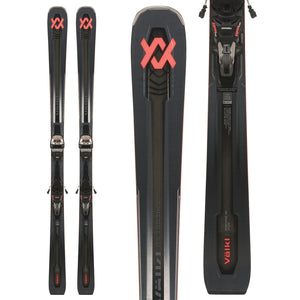
- Terrain: Carving, All-Mountain
- Core/Laminates: Wood, Metal, Carbon
- Turning Radius: Short
- DIN Range: 4–12
The Völkl Peregrine 80 is built for skiers who want precision and stability without sacrificing playfulness on the groomers. The wood, metal, and carbon layup gives the ski a lively yet controlled feel, letting you lay down clean, confident turns at speed. Its short turning radius makes quick direction changes effortless, which is ideal for skiers who love carving tight arcs down the mountain.
Coming with Lowride 12 TCX bindings already mounted, this package saves time and money for intermediate to advanced skiers ready to upgrade. The rocker/camber/rocker profile balances edge grip with easy maneuverability, while the flat tail adds extra stability when driving through variable snow.
Pros
- Excellent edge hold for carving
- Bindings included, ready to ski out of the box
- Lively yet stable metal/carbon construction
Cons
- Short radius less ideal for wide-open, high-speed runs
- May feel demanding for true beginners
4. Atomic Maverick 88 CTI
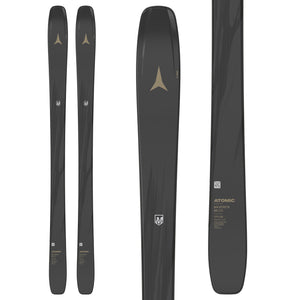
- Core: Power Woodcore made from ash and poplar
- Rocker Profile: All Mountain Rocker with tip rocker and camber underfoot
- Laminates: CTI construction combining carbon and Titanal
- Terrain: Designed for carving and all-mountain skiing
The Atomic Maverick 88 CTI is a powerful frontside ski built for skiers who enjoy strong edge grip and precise carving. Its Power Woodcore blends ash and poplar to create a solid and energetic platform, while the CTI construction layers carbon fiber and Titanal for increased stability. This combination gives the ski a confident feel when carving at speed and provides impressive responsiveness from turn to turn.
On groomed runs, the Maverick 88 CTI shines with smooth turn transitions and excellent control on firm snow. The All Mountain Rocker profile adds a small amount of tip lift, helping the ski initiate turns easily and handle occasional soft snow. While the narrower waist is not designed for deep powder, it performs extremely well across hardpack and mixed frontside conditions. Intermediate skiers will appreciate its approachable feel, while advanced riders will enjoy the strong edge hold and stability at speed. Overall, it is a precise and versatile ski that excels in carving-focused all-mountain riding.
Pros
- Excellent grip and carving precision
- Stable feel at higher speeds
- Lightweight yet damp construction
Cons
- Narrow waist limits powder performance
- Needs active technique for best performance
See the Atomic Maverick 88 CTI
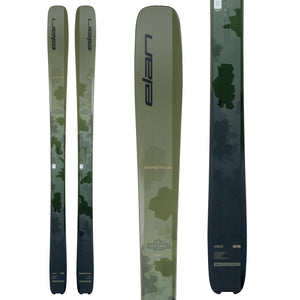
5. Elan Ripstick 96
- Technology: Amphibio asymmetrical profile with dedicated left and right skis
- Core: TubeLite wood core reinforced with carbon rods
- Laminates: Carbon Deck with UD carbon and flax fibers
- Sidewalls: SST slanted sidewall construction
The Elan Ripstick 96 is widely known for its lightweight feel and intuitive performance across the entire mountain. Its unique Amphibio technology uses separate left and right skis, combining camber on the inside edges for grip and rocker on the outside edges for smoother turn initiation. This design helps the ski feel extremely natural when transitioning from one turn to the next, especially on mixed terrain.
Inside the ski, carbon rods and the TubeLite wood core deliver impressive energy while keeping overall weight low. The addition of flax fibers improves vibration dampening, making the ski feel calmer on firm or uneven snow. At 96mm underfoot, it strikes a great balance between groomer performance and soft snow capability. It feels nimble in trees, stable on groomers, and capable when conditions change throughout the day. Skiers who want a playful yet dependable all-mountain ski will appreciate the Ripstick 96. Its lively personality and lightweight design make it enjoyable for long days on the slopes.
Pros
- Very lightweight and easy to maneuver
- Smooth and quick turn initiation
- Strong vibration dampening
Cons
- Left and right skis cannot be swapped
- Flex may feel soft for aggressive riders
See the Elan Ripstick 96 See the Women’s Ripstick 94
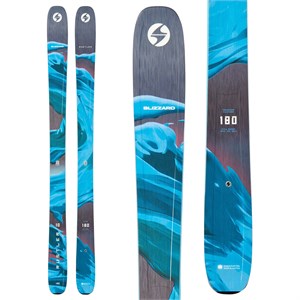
6. Blizzard Rustler 10
- Core: TrueBlend Freeride Core using beech, poplar, and paulownia
- Laminates: FluxForm Titanal construction for stability
- Tail Type: Partial twin tip for playful riding
- Waist Width: Approximately 102mm depending on length
The Blizzard Rustler 10 is a highly versatile freeride ski that blends power and playfulness exceptionally well. Its TrueBlend Freeride core carefully mixes different wood densities to create stiffness underfoot while keeping the tip and tail more flexible. This balanced flex pattern allows the ski to carve confidently on groomers while still feeling loose and surfy in soft snow.
FluxForm Titanal reinforcement adds stability without making the ski overly demanding. The metal layers run strategically along the edges, improving edge grip and dampness when skiing fast or charging through rough terrain. At around 102mm underfoot, the Rustler 10 offers enough width for powder days while remaining responsive enough for everyday resort skiing. The partial twin tip design also makes it easy to slash turns or play around in soft snow. Whether you are skiing bowls, trees, or groomers, the Rustler 10 delivers a balanced ride that suits adventurous all-mountain skiers looking for one dependable ski.
Pros
- Excellent all-mountain versatility
- Stable feel at higher speeds
- Playful performance in soft snow
Cons
- Slightly heavier than carbon skis
- Metal layers can feel demanding in bumps
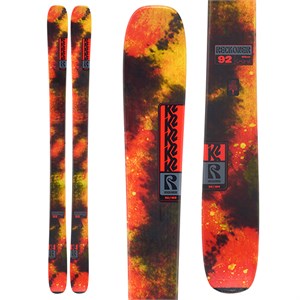
7. K2 Reckoner 92
- Core: Aspen Micro Block Core for smooth and consistent flex
- Rocker Type: All-Terrain Twin Rocker with tip and tail rise
- Laminates: Triaxial Braid for torsional strength
- Sidewalls: Hybritech sidewall construction for edge control
The K2 Reckoner 92 is a playful freestyle-inspired ski designed for riders who want to explore both the park and the rest of the mountain. With its twin rocker profile and partial twin tip shape, the ski feels light and maneuverable for spins, butters, and quick turns. The Aspen Micro Block Core provides a balanced flex that keeps the ski forgiving while still delivering enough stability for everyday resort riding.
The Triaxial Braid construction adds strength and responsiveness without making the ski overly stiff. Combined with Hybritech sidewalls, it offers solid edge grip and smooth turn initiation when carving groomed runs. At 92mm underfoot, the Reckoner 92 strikes a good balance between freestyle agility and all-mountain versatility. It feels lively, easy to control, and surprisingly capable in mixed snow conditions. While it is not designed for deep powder or aggressive high-speed charging, it excels as a fun and approachable ski for riders who enjoy mixing tricks with cruising around the resort.
Pros
- Playful and versatile design
- Smooth flex and damp ride
- Good edge control for carving
Cons
- Limited stability at very high speeds
- Not ideal for deep powder
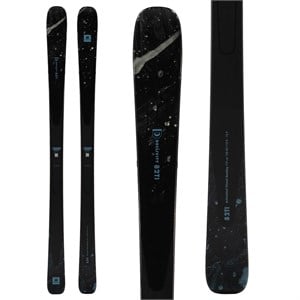
8. Armada Declivity 82 Ti
- Core: 100% poplar wood core for stability and power
- Laminates: Articulated Titanal banding with carbon reinforcement
- Rocker Type: EST All Mountain Rocker with camber underfoot
- Sidewalls: AR100 sidewall for maximum edge grip
The Armada Declivity 82 Ti is a frontside-focused ski built for skiers who love carving fast, clean turns on groomed terrain. With its narrow waist and Titanal reinforcement, the ski delivers excellent edge hold and strong stability when pushed at higher speeds. The EST All Mountain Rocker profile blends subtle tip rocker with traditional camber, allowing smooth turn initiation while maintaining powerful grip throughout the carve.
The poplar wood core works with the Titanal banding to create a lively yet controlled ride. Carbon reinforcement adds energy return, making the ski feel responsive without becoming overly demanding. On firm snow and hardpack, the Declivity 82 Ti feels confident and precise, encouraging skiers to push harder into each turn. While it is not built for deep powder or freestyle riding, it excels at fast groomer laps and technical carving. Intermediate and advanced skiers looking for a responsive frontside ski will appreciate its combination of stability, power, and smooth performance.
Pros
- Outstanding edge grip on firm snow
- Strong stability at speed
- Powerful and responsive carving performance
Cons
- Too stiff for beginners
- Limited performance in powder
See the Armada Declivity 82 Ti
How to Choose Skis for Bumps: A Complete Guide

Skiing moguls—those lumpy, unpredictable fields of snow—is a thrilling and technical challenge. It demands precision, balance, and most importantly, the right gear. Unlike wide all-mountain or powder skis, mogul skis are uniquely designed to help you stay agile, quick, and controlled in tight bump lines. Choosing the perfect skis for bumps requires a good understanding of what makes mogul skiing so different from other styles. In this article, we’ll walk you through the key features to look for in bump skis, how to match skis to your ability level, and a few tips to make the right choice for your skiing style.
1. Understand the Unique Demands of Bump Skiing
Mogul skiing involves rapid, short-radius turns on tightly spaced mounds of snow. Your body and legs are constantly absorbing impact, and your skis need to flex and rebound in sync with every move. This type of skiing prioritizes:
- Agility and quick turns
- Precise edge control
- Shock absorption
- Lightweight maneuverability
Wide or stiff skis that work in powder or crud usually feel clunky in moguls. Instead, bump skis are narrow, flexible, and built for speed and control in highly variable terrain.
2. Waist Width: Keep It Narrow
The most crucial element in a bump ski is the waist width. Most dedicated mogul skis are narrow, with waist widths between 66mm and 85mm. This narrow profile allows for quicker edge-to-edge transitions, helping you pivot faster and stay on line in a tight mogul field.
A narrow ski also sinks more into the troughs between moguls, giving better snow contact and balance. Wide skis tend to “bridge” between bumps, making it harder to control.
Best Waist Width for Bumps:
- Beginner to Intermediate: 75–85mm (for versatility and balance)
- Advanced or Competitive: 66–74mm (for speed and quick edge change)
3. Camber and Rocker Profile
For bump skiing, traditional camber is still king. Cambered skis offer better edge hold and energy return, which is essential for explosive turns and stability in the moguls. A rocker at the tip can be helpful for easier turn initiation, but too much rocker will reduce edge control.
Many modern mogul skis use a rocker-camber-rocker profile, blending the benefits of both. However, the rocker is usually subtle—just enough to make turn entry smoother without compromising precision.
4. Flex and Stiffness: Find the Right Balance
Flex is one of the most personal aspects of bump skis. You want a ski that’s stiff enough to rebound and hold form through heavy compression, but soft enough to absorb shock without bucking you off-balance. Mogul skis typically have a softer tip and stiffer tail, allowing the ski to initiate turns easily while maintaining stability through the exit.
Flex Rating (1–10):
- Intermediate Skiers: Flex 5–7
- Advanced Mogul Skiers: Flex 7–9
- Freestyle Bump Skis: Slightly softer to allow more play
5. Turn Radius: Short and Snappy
Mogul skiing demands quick, short-radius turns, so choose a ski with a turning radius between 12 and 18 meters. A shorter radius allows faster, more agile movement through the bumps. Elliptical or multi-radius sidecuts, like those found in some Faction or K2 skis, can also help make the ski feel more adaptable in different turn shapes.
6. Ski Length: Go Shorter Than Usual
For moguls, a shorter ski gives better control and quickness. The typical rule is to size your mogul ski 5–10 cm shorter than your standard all-mountain ski. Shorter skis are easier to swing through tight lines and help prevent the tips from catching between bumps.
General Guidelines:
- If you’re 5’8″ and normally ski 170cm, choose around 160–165cm for moguls.
- Competitive mogul skiers may go even shorter for ultimate precision.
7. Core and Construction: Lightweight but Strong
The ideal mogul ski has a lightweight wood core, usually made from poplar or aspen. These woods are both lively and damp, which is perfect for shock absorption. Some skis add fiberglass or carbon for extra pop and torsional stiffness without adding weight. Full or partial sidewalls also help enhance edge grip and durability.
Avoid skis with metal laminates like Titanal—they’re great for high-speed carving but are too stiff and heavy for moguls.
8. Tail Design: Flat or Slight Twin Tip
A flat tail gives better power and control exiting each turn, which is ideal for traditional mogul skiing. However, if you enjoy throwing tricks off side hits or skiing switch occasionally, a partial twin tip can add some versatility.
In general:
- Flat Tail: Maximum control and carving precision
- Partial Twin Tip: Freestyle-friendly but slightly less stable
9. Bindings and Brake Width
When choosing bindings, make sure the brake width matches your ski waist. For mogul skis, that’s usually pretty narrow. Select a brake that is equal to or up to 15mm wider than your ski’s waist. Look for bindings with a low stack height to keep you closer to the snow, improving balance and edge feel in the bumps.
10. Best Types of Skis for Bumps
There are two main categories of skis that work well in moguls:
1. Dedicated Mogul Skis
These are designed specifically for bump skiing—light, narrow, cambered, and responsive. Great examples include:
- K2 244
- Faction Le Mogul
- Rossignol Mogul Series
2. Narrow All-Mountain or Freestyle Skis
These offer more versatility but still perform well in bumps due to their narrower waist and playful flex. Some options are:
- Armada Declivity 82 Ti
- K2 Reckoner 92
- Coalition Snow Rebel (for women)
11. Match Skis to Your Skill Level
Beginner or Intermediate:
Look for slightly wider bump skis (around 80–85mm) with moderate flex and some rocker to help ease into turns and absorb shocks. You want forgiveness over aggression.
Advanced:
Go narrower, stiffer, and full camber. These skis will reward strong technique and allow faster, more precise turns.
Freestyle Mogul Skiers:
Consider twin tips with a bit of rocker and a soft flex profile. You’ll get added playfulness for side hits and tricks.
12. Final Tips Before You Buy
- Demo if you can. Mogul skis feel very different from your typical all-mountain gear. Try before you buy to get a feel for flex and response.
- Consider ski-specific terrain. If you mostly ski groomers and venture into moguls occasionally, a narrow all-mountain ski may be more practical than a pure bump ski.
- Pair with proper boots. A stiff boot with responsive flex will help you control your bump skis more effectively.
Conclusion
Mogul skiing is a technical, rhythmic style of skiing that requires skis as agile and responsive as your own legs. Choosing the right skis for bumps means focusing on narrow waists, camber profiles, responsive flex, and lightweight construction. Whether you’re looking to tackle zipper lines with power or just improve your control on variable terrain, the right ski can make all the difference. Keep this guide in mind, and you’ll be well on your way to carving beautiful lines through every bump field you face.