Best Snowboard Bindings for Large Feet 2025
Finding the right snowboard bindings is important, especially if you have big feet. Tight or small bindings can ruin your ride. They can cause discomfort and affect your control on the board. Luckily, many brands now make bindings for bigger boots. These models offer better space, support, and comfort. You don’t have to struggle with cramped gear anymore. This guide will help you choose the best snowboard bindings for large feet. We’ve picked options that offer great fit and performance. Whether you’re a beginner or a pro, we’ve got you covered. Read on to find the best match for your boots. Ride comfortably and enjoy your time on the slopes.
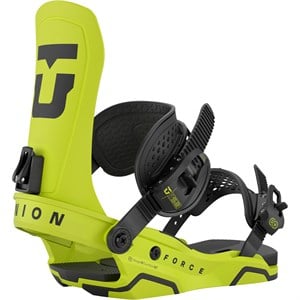
1. Union Force
-
Flex Rating: 7/10 (stiff, responsive)
-
Baseplate: Stage 9 Duraflex ST with Molecular Bushing Suspension System
-
Highback: S19 Duraflex ST with Non-Stick Hot Press EVA
-
Straps: ExoFrame 6.0 ankle strap with Molecular Padding and TS 5.0 Forcegrip toe strap
The Union Force bindings are one of the most trusted and best-selling snowboard bindings for good reason. Designed for all-conditions performance, they offer an ideal balance of responsiveness, comfort, and durability. The Stage 9 Duraflex ST baseplate delivers serious strength and energy transfer, making them excellent for aggressive all-mountain riders. The addition of Union’s Molecular Bushing Suspension System ensures excellent shock absorption on hard landings or choppy snow. With a flex rating of 7, these bindings provide the stiffness needed for high-speed carving without feeling overly rigid.
Comfort is where the Union Force really shines for riders with large feet. The XL sizing accommodates bigger boots without feeling tight or cramped. The ExoFrame 6.0 ankle straps are plush and reduce pressure points, helping to prevent foot fatigue on long days. The S19 highback construction adds strong edge-to-edge response, and the non-stick EVA padding keeps snow from building up. Whether you’re hitting powder runs, icy steeps, or park laps, these bindings feel consistent and confidence-inspiring. The magnesium buckles are lightweight yet strong, and the overall construction screams quality. Big-footed snowboarders will appreciate the space, fit, and performance this binding delivers all season long.
Pros
- Comes in XL size for big feet
- Excellent all-mountain versatility
- Durable and highly responsive
- Comfortable straps reduce fatigue
Cons
- Stiff flex not ideal for beginners
- Slightly pricier than basic models
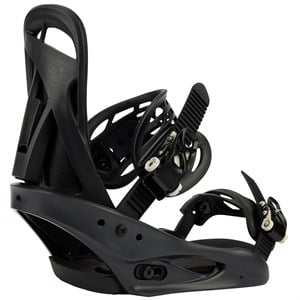
2. Burton Citizen – Women’s
-
Flex Rating: Soft (ideal for beginners and park riders)
-
Baseplate: Single-Component Lightweight Polycarbonate Re:Flex™ with FullBED Cushioning
-
Highback: Canted Single-Component Hi-Back with MicroFLAD™ adjustment
-
Straps: Reactstrap™ ankle strap and Supergrip Capstrap™ toe strap
The Burton Citizen bindings are a fantastic option for women looking to progress beyond the beginner stage. With a soft flex rating, they offer a smooth and forgiving ride that helps build confidence across all terrain. The Re:Flex™ FullBED cushioning system minimizes fatigue during long days on the slopes, and the lightweight baseplate keeps things nimble underfoot. Designed specifically for women, the True Fit™ system ensures a more comfortable, precise connection between boot and board, which is great for stability and control. The MicroFLAD™ forward lean system also allows you to adjust your ride feel quickly without tools, whether you’re carving groomers or playing in the park.
Comfort and ease of use are the standout features here, making the Citizen a solid choice for casual riders or newer snowboarders. The Reactstrap™ and Supergrip Capstrap™ conform well to most boots and provide reliable hold without pressure points. However, the bindings lack the level of adjustability some riders might expect, especially when fine-tuning stance or boot centering. Riders in between sizes—like those wearing a women’s 8.5—may want to size up, as the medium may feel too tight and restrict boot placement. Despite that, the Citizen remains one of the most accessible and forgiving bindings in Burton’s lineup, perfect for those looking to have fun while learning and progressing.
Pros
- Soft, forgiving flex perfect for beginners
- Comfortable cushioning with FullBED system
- Lightweight and easy to use
- Women’s-specific fit improves board feel
Cons
- Limited stance adjustment options
- Medium size may run small for borderline boot sizes
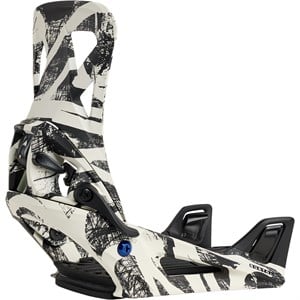
3. Burton Step On
-
Flex Rating: Medium (ideal for all-mountain riding)
-
Baseplate: Single Component 18% Short-Glass/Nylon Composite with Re:Flex™ system
-
Cushioning: Re:Flex™ FullBED Cushioning System
-
System Compatibility: Must be used with Burton Step On® boots
The Burton Step On bindings are a revolutionary option for snowboarders who value speed, simplicity, and solid performance. Designed to eliminate straps entirely, this system lets you step directly onto your board and ride, making it perfect for riders who want to skip the hassle. With a medium flex, the Step On bindings are responsive enough for advanced terrain but still comfortable and forgiving for progressing riders. The 18% short-glass/nylon baseplate offers a strong yet smooth ride feel, and the Re:Flex™ cushioning system underneath minimizes foot fatigue while improving board connection. Whether you’re cruising groomers or hitting pow stashes, the Step On setup delivers consistent performance.
What sets these bindings apart is how intuitive and secure the connection feels. Using three contact points—two at the toe and one at the heel—the Step On system locks in tight and provides excellent response on turns. Many long-time riders, including those with decades of experience, are impressed by how stable and stress-free the ride feels. It’s a great choice for anyone who struggles with flexibility or just wants less time strapping in and more time riding. While it does require compatible Step On boots, the combination of ease, comfort, and performance makes these bindings a standout. Once you try them, it’s hard to go back to straps.
Pros
- Extremely easy and fast to get in and out
- Strong, responsive feel across all terrain
- Comfortable cushioning with reduced fatigue
- Great for riders with limited mobility
Cons
- Only works with Burton Step On® boots
- Less customizable than traditional bindings
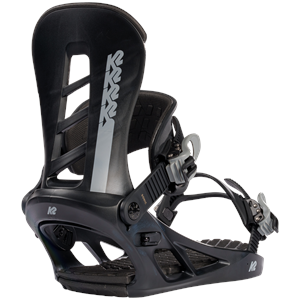
4. K2 Sonic
-
Flex Rating: 3/10 (soft and forgiving)
-
Baseplate: PC ProFusion™ Chassis with 3° canted footbed
-
Highback: AT PC Highback (durable and temperature resistant)
-
Straps: P.I. Ankle Strap and Perfect Fit™ Toe Strap
The K2 Sonic bindings are a top pick for beginners and progressing riders who want comfort, simplicity, and value. With a soft flex rating of 3, they offer a smooth, forgiving ride ideal for learning and building confidence. The ProFusion™ chassis is lightweight yet tough, and the 3° canted footbed supports natural leg alignment for reduced fatigue and better control. These bindings are designed with tool-less adjustments, making it easy to tweak your setup on the fly—perfect for new riders who are still fine-tuning their stance or getting used to their gear.
Comfort is key with the Sonic, and it delivers through its soft P.I. ankle strap and low-profile Perfect Fit™ toe strap that stays secure on any boot shape. The AT PC highback adds just the right amount of support while remaining flexible enough for playful riding. Riders with larger boot sizes, like size 15, have found success with these bindings, though sizing details could be clearer. Overall, the Sonic is a reliable, affordable option for those just starting out or sticking to mellow terrain. It may not have advanced features for aggressive riders, but for laid-back shredding and steady progression, it’s a solid choice.
Pros
- Soft flex is perfect for beginners
- Tool-less adjustment is fast and easy
- Comfortable straps fit a variety of boots
- Affordable price for solid performance
Cons
- Not suitable for aggressive or advanced riding
- Sizing info could be more detailed
5. Arbor Spruce
-
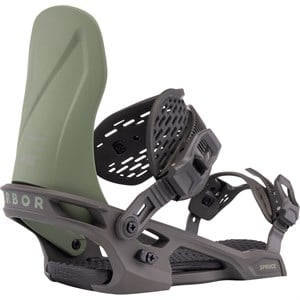
Flex Rating: 3/5 (medium, balanced flex)
-
Baseplate: Lightweight Single Mold Baseplate with 2.5° Canted EVA Footbed
-
Highback: Asymmetrical Highbacks with 5° pre-rotation
-
Straps: Bow-Strap Adjuster and Stretch Single Durometer Ankle Strap
The Arbor Spruce bindings are a great pick for beginner to intermediate riders who want comfort and performance without breaking the bank. With a medium flex and lightweight baseplate, these bindings offer a smooth, forgiving ride that’s still responsive enough for progression. The 2.5° canted EVA footbed promotes a natural stance and helps reduce fatigue during long days on the mountain. Arbor’s asymmetrical highbacks add ergonomic support and freedom of movement, helping new riders maintain better form and control as they develop skills across various terrain.
Where the Spruce really shines is in its ease of use and thoughtful construction. The Bow-Strap adjusters swing out of the way for easy entry and exit, even in cold conditions, while tool-less strap adjustments make quick tweaks on the mountain hassle-free. Despite its budget-friendly price, the Spruce doesn’t feel cheap—it holds up well and rides confidently. Riders who normally use higher-end bindings have noted how well the Spruce performs in comparison, especially for casual all-mountain shredding. It’s an ideal setup for those looking for an affordable, reliable binding that won’t hold them back as they progress.
Pros
- Comfortable and easy to adjust
- Great value for beginner to intermediate riders
- Canted footbed improves stance and reduces fatigue
- Lightweight and responsive feel
Cons
- Not ideal for aggressive or expert riding
- Medium flex may lack support for big jumps or steep terrain
6. Salomon EDB
-
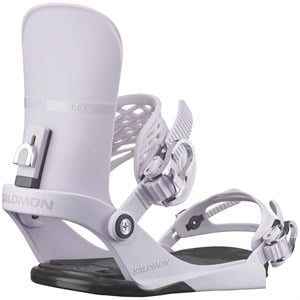
Flex Rating: 3/5 (medium flex for all-mountain versatility)
-
Baseplate: 30% fiberglass nylon composite with recycled materials and Air Cush rear pad
-
Highback: EDB ergonomic highback with HB Filter and 12° pre-rotation
-
Straps: Power Lite ankle strap with Ultra-Fit toe strap and MicroMax adjustments
The Salomon EDB (Every Day Binding) snowboard bindings are built for consistent performance across all conditions and terrain. With a medium flex rating, these bindings strike a nice balance between support and forgiveness, making them ideal for intermediate to advanced riders who want one binding that can handle groomers, side hits, and light park features. The lightweight EDB baseplate uses recycled and reinforced materials to offer durability and precise edge control. Paired with a 2.5° canted footbed and a full EVA front pad, the ride feels both comfortable and responsive while reducing foot fatigue on long sessions.
One of the most impressive features of the EDB is its user-friendly design. The Air Cush rear pad made from 100% recycled polypropylene gives big-impact cushioning, while the smooth aluminum MP ratchets make getting in and out of the bindings effortless. The Power Lite straps are supportive but lightweight, and the MicroMax strap adjustment ensures a snug, dialed-in fit without tools. The highback design is shaped to match your stance, providing ergonomic support that boosts control without sacrificing comfort. Whether you’re carving up groomers or hitting powder stashes, the Salomon EDB delivers reliable, well-rounded performance with smart eco-friendly touches.
Pros
- Smooth, responsive ride with great shock absorption
- Tool-free adjustments make setup fast and easy
- Eco-friendly construction with recycled materials
- Super smooth and reliable ratchet system
Cons
- Flex may be too soft for aggressive freestyle
- Not the lightest option in its class
7. Flux PR
-
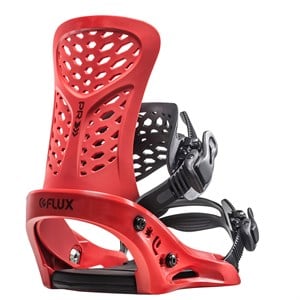
Flex Rating: 6/10 (medium flex for freestyle and all-mountain riding)
-
Baseplate: Performance Blend nylon/fiberglass mix with EZ Bed cushioning
-
Highback: Evo Highback with Micro Adjuster and Super Tough Nylon
-
Straps: Honeycomb Strap Ver2.0 and FTM Versa Toe Strap with UU Fit 360° pressure distribution
The Flux PR bindings are built for riders who are past the beginner stage and want reliable all-mountain performance without breaking the bank. With a medium-stiff flex rating of 6, they provide solid responsiveness for carving, park laps, and even powder runs. The Performance Blend baseplate and EZ Bed cushioning offer decent comfort and board feel, while shedding snow efficiently. The Evo Highback delivers just enough stiffness for quick response, and the Micro Adjuster system allows precise forward lean adjustments for fine-tuned control. These bindings strike a nice balance between simplicity and tech, making them a good match for intermediate and freestyle riders looking to ride everything on the hill.
What stands out on the PR is the strong support and adjustability, though the straps feel stiffer than some might expect. Riders using softer boots may notice a lack of flex or cushion in the plastic Honeycomb straps, which can feel rigid over time. Additionally, the absence of rubber padding at contact points means you might feel more vibration in choppy snow or rough terrain. However, these trade-offs are expected at this price point, and the PR still performs well with solid board response and roomy fit for bigger boots. Ideal for park boards, pow surfers, or budget-conscious riders, the Flux PR bindings keep things fun and functional.
Pros
- Responsive medium flex perfect for all-mountain riding
- Easy-to-adjust highback and solid boot hold
- Budget-friendly with solid build quality
- Good fit for chunkier or wider boots
Cons
- Stiff straps may feel harsh with soft boots
- Lacks rubber dampening for rough terrain
How to Choose Snowboard Bindings for Large Feet?
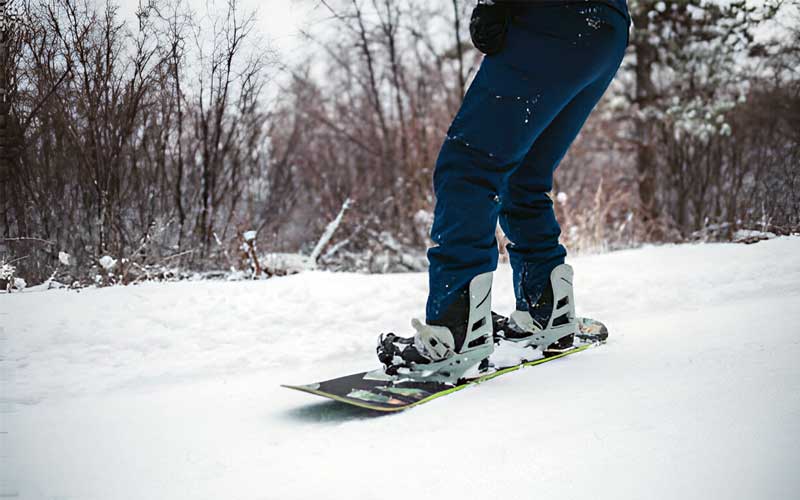
Finding the right snowboard bindings is essential to comfort, performance, and progression on the mountain — and if you have larger feet, that task becomes even more important. Ill-fitting bindings can lead to toe drag, heel lift, reduced control, and an uncomfortable day on the slopes. In this guide, we’ll cover everything you need to know to choose the right snowboard bindings for bigger feet, from sizing and compatibility to highback design and best features to look for.
1. Why Proper Binding Fit Matters
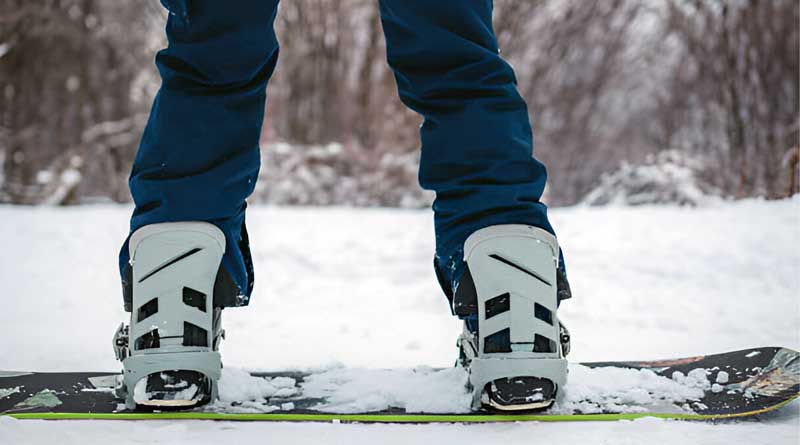
Snowboard bindings are the critical connection point between your boots and your board. When your feet are too large for a binding, you risk toe and heel drag — where your boots extend too far past the edges of the board and scrape the snow during turns. This can slow you down, cause instability, or even lead to falls. Worse still, cramped bindings can lead to painful pressure points, cold toes, and reduced circulation.
A properly sized binding ensures:
-
A secure boot fit without crushing your foot
-
Ideal power transfer from body to board
-
Improved comfort on long days
-
Better edge control and response
2. Check Binding Sizing Charts Carefully
Each snowboard binding brand has its own size chart. What counts as “Large” or “XL” can vary slightly depending on the manufacturer. As a general rule:
-
Large bindings usually fit US men’s sizes 10–13
-
XL bindings may accommodate sizes 13–15 or even up to 16
If you’re between sizes — say, a US men’s 11.5 or 12 — go for the larger option, especially if you wear thick socks or have a high-volume boot.
Pro tip: Always compare your snowboard boot size, not just your shoe size. Snowboard boots can run larger or smaller depending on the brand and model.
3. Look for XL or Wide-Specific Binding Models
Not all bindings are made with large feet in mind, so look for models that specifically mention XL sizing or compatibility with size 13+ boots. These bindings typically offer:
-
Wider baseplates to accommodate bigger boot soles
-
Longer heel cups to reduce overhang
-
More strap adjustability for better lockdown
-
Reinforced hardware to support heavier riders
Some popular models with XL sizing options include:
-
Union Force XL
-
Burton Cartel X (L/XL sizes)
-
Ride A-8
-
Rome Katana
-
Salomon Highlander
4. Match Bindings to a Wide Snowboard
If you have bigger feet, it’s not just about the bindings — your board matters too. Riders with size 11+ boots should generally look for wide snowboards, which are slightly wider at the waist to reduce the chance of toe and heel drag.
The width of the binding’s baseplate should align with the board’s insert pattern and stance width. If your bindings overhang too much, even wide boards won’t save you from drag.
5. Highback and Heelcup Design
Highbacks affect how responsive your ride feels, and heelcups affect how securely your boot fits into the binding. For large-footed riders:
-
Look for tool-less highback adjustment to help you dial in the best angle without a screwdriver.
-
Choose bindings with adjustable or extended heelcups, which accommodate longer boot soles and help center your boot over the board.
-
Consider canted highbacks or rotatable highbacks, which improve edge-to-edge control for wider stances often used by bigger riders.
6. Canted Footbeds and Comfort Features
Riders with larger feet often ride with wider stances, which can cause knee fatigue if the setup isn’t ergonomically aligned. That’s where canted footbeds come in. These are angled slightly (usually 2–3°) to better align your knees, ankles, and hips. They:
-
Reduce joint stress
-
Improve control
-
Increase all-day comfort
Look for bindings with EVA cushioning, shock absorption pads, or air pods underfoot for maximum comfort — especially if you’re heavier or ride hard.
7. Strap System and Adjustability
If you have larger feet, you want a strap system that offers flexibility and range to fit your boot without pinching or limiting movement.
Ideal features include:
-
Tool-less strap adjustments to make on-the-fly tweaks
-
Flexible ankle straps that mold around boot shapes
-
Cap-style toe straps (also known as “over-the-toe” straps), which offer better grip and comfort
Many newer bindings now use molecular padding, mesh straps, or honeycomb designs to eliminate pressure points and improve flex.
8. Durability and Build Quality
Large boots typically mean a heavier rider, which places more stress on your bindings. Choose bindings made from:
-
Nylon/fiberglass composite for strength and flexibility
-
Aluminum heelcups for added support and minimal drag
-
Magnesium or steel ratchets for long-lasting performance
Higher-end models may also include lifetime warranties on baseplates, which is a bonus for bigger riders looking for durability.
9. Test Before You Buy (If Possible)
If you’re shopping in-store, bring your snowboard boots and ask to mount them into demo bindings. Make sure:
-
The boot fits snugly in the heelcup
-
The straps close comfortably without over-tightening
-
There’s minimal toe/heel overhang when mounted to your board
If you’re buying online, double-check return policies and try bindings indoors to ensure fit before hitting the mountain.
10. Best Practices for Setups with Large Feet
-
Use duck stance (e.g., +15° / -12°) to help angle boots away from overhang
-
Mount bindings as centered as possible to balance overhang
-
Consider heel lift or riser pads if you still have drag issues
-
Use a binding disc with angle options for more stance tuning
Final Thoughts
Choosing the right snowboard bindings for large feet doesn’t have to be difficult. With the right size, baseplate width, and comfort features, you can enjoy a smooth, responsive ride without the discomfort or frustration of poor fit. Focus on bindings that offer XL sizing, canted footbeds, durable construction, and adjustable straps to keep your boots locked in securely and comfortably. Pair them with a wide board, and you’re ready to carve, float, and slash all season long.