Best Snowboards for Advanced Riders of 2026
If you’re an advanced rider, you need a snowboard that can keep up with your speed, skill, and style. Whether you love charging steep lines, floating through powder, or hitting big jumps, the right board makes all the difference. Advanced boards are built for performance—they’re stiffer, more responsive, and packed with features to give you control and confidence on any terrain. In this guide, we’ve rounded up the best snowboards for experienced riders who want to push their limits. From powerful freeride decks to poppy all-mountain twins, there’s something here for every style. Get ready to ride harder, faster, and with more precision than ever before.
1. K2 Passport
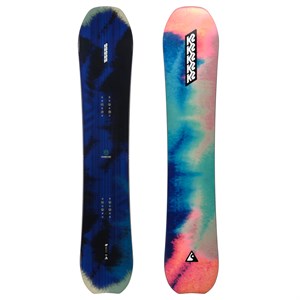
- Flex Rating: 7 (Stiff)
- Core: A1 Core – Aspen, bamboo, and paulownia blend
- Base: Sintered 4000
- Rocker Type: Directional Combination Camber
The K2 Passport is your gateway to all-mountain and freeride domination. Built with an aggressive directional shape and the high-performance A1 core, this board delivers a precise, stable, and confidence-inspiring ride across varied terrain. The bamboo-reinforced underfoot area enhances power transfer for razor-sharp edge control, while the paulownia in the tip and tail keeps swing weight low for nimble maneuverability. Whether you’re bombing groomers or floating through powder, the combination of carbon triaxial laminates and a sintered base ensures smooth turns, excellent pop, and long-lasting glide.
On snow, the Passport feels like a dependable companion that pushes you to charge harder. It’s stiff enough between the bindings for solid control at high speeds, yet still playful in the nose for pressing and butters. The directional camber profile helps it grip icy hardpack while providing lift in deep snow. While the tail may feel a little soft off bigger drops, most riders will find it manageable with proper landings. This board does everything well—carving, jumping, and even dabbling in freestyle when needed. It’s a true do-it-all freeride machine that suits riders who like exploring the entire mountain with confidence.
Pros:
- Excellent edge hold and carving power
- Lightweight core with a responsive feel
- Sintered base holds wax and glides fast
- Handles powder, groomers, and jumps with ease
Cons:
- Tail can feel slightly soft on big drops
- Too stiff for beginners or casual park laps
View at evo View at Backcountry
2. Rossignol Ultraviolet – Women’s
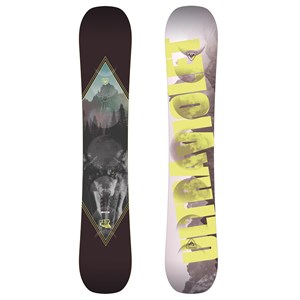
- Flex Rating: Soft
- Shape: True Twin
- Rocker Type: AmpTek Auto-Turn (Rocker/Camber/Rocker)
- Core: Wood Core from sustainably harvested sources
The Rossignol Ultraviolet is a playful, easy-riding snowboard built for all-mountain versatility and progression. Its AmpTek Auto-Turn profile blends 70% rocker with 30% camber, giving riders effortless turn initiation while maintaining enough grip and control for carving. With a True Twin shape and soft flex, this board is ideal for beginners and intermediates looking to build skills across different terrain, from groomers to small park features. Whether you’re riding switch or just cruising, the balanced feel makes every run approachable and fun.
This board is particularly well-suited to women who want a ride that encourages confidence without being overly aggressive. The flex is forgiving, the core is stable and durable, and the freestyle-focused twin flex gives it great pop while keeping it easy to maneuver. It shines as a daily driver—lightweight, adaptable, and responsive. While it’s not made for high-speed charging or heavy freeride lines, the Ultraviolet is a dependable choice for riders focused on learning, playing, and exploring more of the mountain with style and ease.
Pros:
- Great for progression and skill building
- Easy to control and turn, even in variable terrain
- Lightweight and sustainable wood core
- Balanced and switch-friendly design
Cons:
- Lacks stability at high speeds
- Too soft for aggressive or advanced freeriding
View at evo View at Backcountry
3. Jones Howler
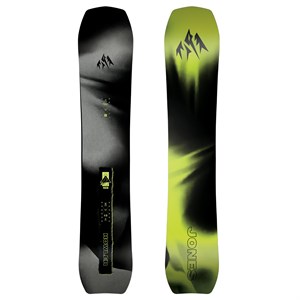
- Flex Rating: Stiff
- Rocker Type: Hybrid Full Camber
- Core: Power Core with bamboo and paulownia
- Base: Sintered 8000 with recycled edges
The Jones Howler is purpose-built for big mountain lines, steep terrain, and deep powder. Designed in collaboration with freeride icons Victor De Le Rue and Elena Hight, it fills the gap between the playful Stratos and the aggressive Flagship. With its hybrid full camber profile, 3D Contour Base 2.0, and directional shape, this board provides serious grip, snappy response, and enhanced float. The Howler’s medium taper and elongated sidecut give it stability at speed while remaining nimble through tight chutes and natural features.
The Howler rides like a performance weapon. Its bamboo stringers and flax/carbon laminates provide energy, while the Koroyd inserts dampen vibrations without adding weight. It carves like a dream, holds an edge even on boilerplate, and inspires the confidence to go faster and bigger. While it’s not designed for playful buttering or park laps, that’s not what the Howler is about—it’s for riders who charge hard and want a reliable deck underfoot in sketchy or steep terrain. If you’re an advanced rider chasing lines beyond the resort ropes, this board is an absolute standout.
Pros:
- Excellent edge hold and power through turns
- Lightweight yet damp for reduced chatter
- Great float in powder and confident carving
- Eco-conscious construction and premium materials
Cons:
- Not ideal for freestyle or casual cruising
- Stiff flex may be too demanding for some riders
4. Season Kin
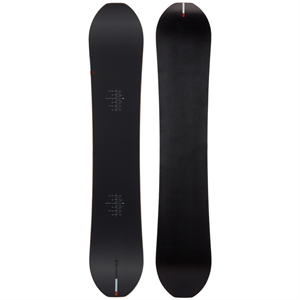
- Flex Rating: Soft
- Shape: Directional Twin
- Rocker Type: Symmetrical Camber
- Core: Poplar, Paulownia, and Bamboo Wood Core
The Season Kin is a community-inspired freestyle board built for park rats, rail kids, and anyone who lives for progression. Designed with a directional twin shape and symmetrical camber, it gives you the grip, control, and energy to throw down in the park or ride creatively all over the mountain. Whether you’re pressing boxes or lining up your next side hit, this board brings a poppy, responsive feel underfoot, supported by a durable construction that can handle repeated abuse.
With a soft, playful flex and full wood core, the Kin feels alive during every session. It’s light and maneuverable, ideal for tweaking grabs or dialing in that one elusive trick. The sintered base gives it respectable speed, while the 360 wrap sidewalls add dampening and impact resistance—especially helpful when you’re lapping rails. It’s not built for charging steep lines or floating in deep snow, but for riders who love freestyle and want one board to explore both the park and the resort, the Kin brings the right balance of performance and personality.
Pros:
- Great for freestyle progression and park riding
- Poppy and pressable for creative tricks
- Durable construction stands up to heavy use
- Symmetrical camber gives reliable edge control
Cons:
- Not made for deep powder or fast freeride lines
- Lacks the stiffness for high-speed stability
5. Lib Tech T. Rice Orca
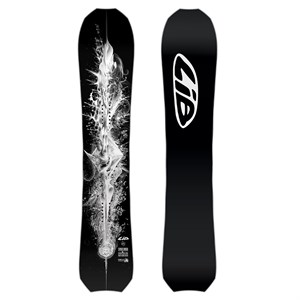
- Flex Rating: Medium
- Rocker Type: C2X Camber/Rocker/Camber
- Core: Aspen/Paulownia Horsepower Construction
- Edge Tech: Magne-Traction® Serrated Edges
The Lib Tech T. Rice Orca is a one-board quiver killer designed to dominate everything from powder stashes to hardpack groomers. This directional beast features Lib Tech’s aggressive C2X hybrid profile, offering rocker between the feet for float and freedom, with camber underfoot for power and control. The wide, short design (thanks to volume shifting) adds surface area without sacrificing maneuverability, making it ideal for both deep days and technical terrain.
This board is a blast to ride. It floats like a dream in powder with its long nose and surfs through trees with ease. But what really stands out is how confidently it carves. The Magne-Traction edges dig into firm snow and ice like claws, giving the Orca a surprisingly nimble feel for such a wide board. It’s not a true park deck, and switch riding can feel awkward due to its shape, but if you’re seeking something powerful, responsive, and versatile with a freeride focus, this board is a game-changer. It’s easy to see why riders keep coming back to it season after season.
Pros:
- Excellent float and carving ability
- Handles a variety of terrain and snow conditions
- Powerful yet smooth ride feel
- Eco-friendly and American-made
Cons:
- Directional shape limits freestyle/switch options
- Pricey for beginners or casual riders
View at evo View at Backcountry
6. Salomon Abstract
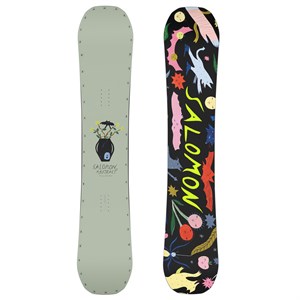
- Flex Rating: Medium (3/5)
- Rocker Type: Rock Out Camber
- Shape: True Twin
- Core: Aspen SLCT with Popster Profile
The Salomon Abstract is a freestyle-focused twin that gives park riders and creative all-mountain shredders the pop, response, and control they need to ride with style. The Rock Out Camber profile blends flat sections between the bindings with camber underfoot and rocker at the tips. This makes it easy to press and spin, while still providing stability and pop on jumps or harder snow. It’s playful enough for jibbing, yet capable enough for charging small natural features off the groomers.
What makes the Abstract stand out is its balanced flex and energetic ride. The Popster core is milled to flex naturally and efficiently underfoot, transferring energy straight to the tips. Carbon beams in the nose and tail give it added snap and dampening, while the Quadralizer sidecut makes quick turns feel snappy and controlled. It’s fun, poppy, and forgiving—ideal for intermediate to advanced riders looking to mix park laps with all-mountain cruising. While not built for deep powder or technical lines, the Abstract thrives anywhere creativity and flow are key.
Pros:
- Excellent pop and flex for freestyle riding
- Great edge control in tight terrain and on jumps
- Smooth and forgiving feel for park and progression
- Responsive without feeling too stiff
Cons:
- Not built for steep, high-speed freeride
- Could lack float in deep powder
View at evo View at Backcountry
7. CAPiTA Defenders of Awesome (D.O.A.)
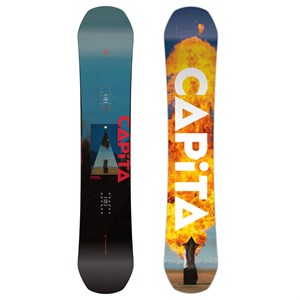
- Flex Rating: Medium (5.5/10)
- Rocker Type: Resort V1 Camber with Flat Kick
- Shape: True Twin
- Core: P2 Superlight Core (Paulownia + Poplar)
The CAPiTA Defenders of Awesome has long been the go-to board for freestyle lovers who want all-mountain capability, and its reputation is well earned. With a Resort V1 profile, it combines the power and pop of traditional camber with the predictability and easy turn initiation of zero and reverse camber. That blend makes it ultra-versatile—just as capable popping side hits and lapping the park as it is carving hardpack and cruising groomers. Its medium flex provides a great mix of stability and playfulness for intermediate and advanced riders alike.
Under the hood, this board is loaded with premium construction. The P2 Superlight Core is lightweight yet strong, while carbon boosters and hybrid fiberglass laminates ramp up the power without adding unnecessary stiffness. The Quantum Drive base holds speed well and stays durable even after heavy use. This board isn’t just flashy in name—it’s a legit performer that’s earned its awards by being fun, reliable, and hard to beat. It’s a true daily driver for freestyle-minded riders who don’t want to be stuck riding park-only decks.
Pros:
- Excellent pop and energy for jumps and side hits
- Versatile camber profile suits all-mountain riders
- Durable, lightweight build with quality materials
- A proven favorite among freestyle snowboarders
Cons:
- Not ideal for deep powder or surfy freeride days
- Slightly aggressive for beginners or mellow cruisers
8. Burton Family Tree Alekesam
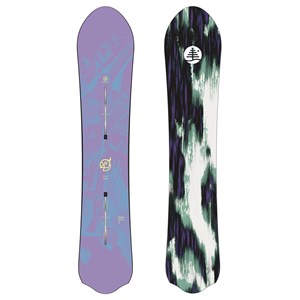
- Flex Rating: 5–8 (Directional Flex)
- Rocker Type: Directional Camber
- Core: Super Fly II™ 700G with Dualzone™ EGD™
- Mount System: The Channel®
The Burton Family Tree Alekesam is a surf-inspired directional board that blends freeride performance with a laid-back, flowing ride feel. Created in collaboration with Selema Masekela, this board captures the spirit of smooth carves, deep turns, and creative lines across the whole mountain. The directional camber profile gives you float in the nose for powder while maintaining strong edge grip and drive from the cambered tail. Whether you’re charging steeps or just looking to link soulful turns, the Alekesam keeps the ride fluid and intuitive.
What sets this board apart is its balance—it’s powerful when you want it, yet relaxed when you need it. The Super Fly II™ core is light and snappy, and carbon I-Beam™ reinforcement adds pop without making the board overly stiff. Burton’s Infinite Ride™ tech means the board maintains its feel and flex season after season. It’s best suited for intermediate and advanced riders who enjoy surfy turns, natural terrain, and a board that feels equally comfortable on groomers and powder. Not the best choice for park riding, but for all-mountain versatility with a soul surfer twist, this board hits the mark.
Pros:
- Smooth, surfy ride with camber-driven power
- Lightweight and responsive core construction
- Excellent edge hold and float in variable terrain
- Unique freeride feel with premium Burton tech
Cons:
- Directional shape limits freestyle or switch riding
- The Channel® system requires specific binding compatibility
How to Choose Snowboards for Advanced Riders?
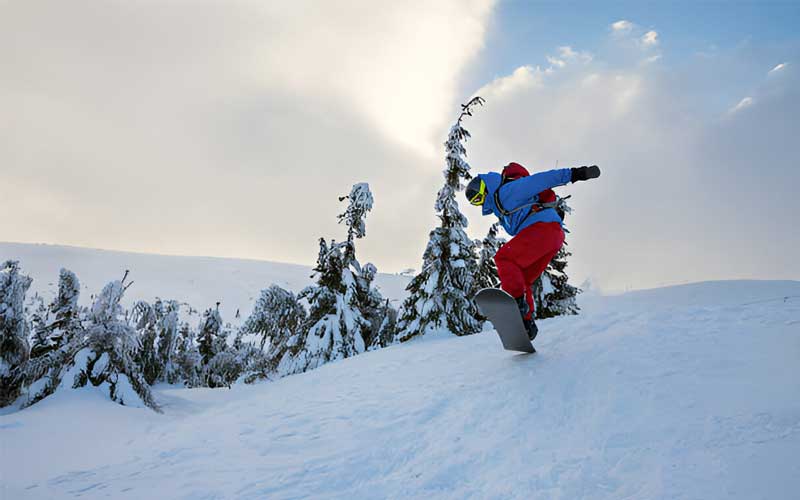
As an advanced rider, your snowboard isn’t just a piece of gear—it’s your tool for pushing limits, exploring new lines, and carving with confidence. You’ve moved past beginner and intermediate boards. Now, you’re ready for something that offers more precision, power, and performance. But with so many options out there, choosing the right snowboard can feel overwhelming.
This guide breaks it all down—what to look for, which features matter most, and how to match your snowboard to your riding style and terrain.
1. Know Your Riding Style
The first step in choosing a snowboard is knowing how and where you ride. Most advanced riders fall into one (or more) of the following categories:
-
Freeride – You love powder, steep terrain, and natural lines. You want a stiff, directional board that floats well and holds an edge at speed.
-
All-Mountain – You ride a bit of everything: groomers, side hits, trees, and the occasional park lap. A versatile, balanced board works best.
-
Freestyle – You spend time in the park or like hitting natural features. You’ll want something twin-shaped with pop and playfulness.
-
Big Mountain – You charge hard, drop cliffs, and need absolute control. Look for stiff, responsive boards with a solid damp feel.
Being honest about your style helps you narrow down your choices quickly.
2. Choose the Right Flex
Flex rating describes how soft or stiff a snowboard feels. It’s usually rated from 1 (very soft) to 10 (very stiff). Advanced riders generally go for:
-
Medium-Stiff (6–8) for freeride or all-mountain
-
Medium (5–6) for freestyle or playful all-mountain
-
Stiff (8–10) for high-speed, big mountain riding
A stiffer board gives you more control, especially at speed, and delivers more powerful carves. But if you ride park or like to butter, a medium flex can offer more forgiveness and fun.
3. Pick the Right Shape
Snowboards come in different shapes. For advanced riders, the shape should match your terrain preference:
-
Directional – Nose is longer or wider than the tail. Ideal for freeride and powder.
-
True Twin – Symmetrical shape and flex. Best for freestyle and park riders.
-
Directional Twin – Symmetrical flex, but slightly longer nose. Great for all-mountain riders who ride switch sometimes.
-
Volume Shifted – Shorter, wider boards with more surface area. Great for powder and carving.
Advanced riders often prefer directional or directional twin shapes because they offer control and flow on varied terrain.
4. Camber Profiles Matter
The camber profile affects how a snowboard handles. Here are the most common profiles for advanced riders:
-
Traditional Camber – Arched shape. Great edge hold, pop, and precision. Ideal for carving and aggressive riding.
-
Hybrid Camber (Camber/Rocker) – Camber underfoot with rocker in tip and tail. Offers a mix of control and float.
-
Flat-to-Rocker – Stable but more forgiving. Better for freestyle and soft snow.
-
Full Rocker – Great for float and easy turning. Not as precise for carving or jumps.
Most advanced boards use some kind of hybrid camber, blending power with playability and control.
5. Understand Core Construction
The core is the heart of the snowboard. Most high-end boards feature a mix of lightweight and strong woods like bamboo, poplar, paulownia, and aspen. Some boards include carbon or flax stringers to add pop and reduce chatter.
Advanced riders should look for cores that:
-
Feel lively and responsive
-
Are lightweight but durable
-
Absorb vibrations for a smoother ride at speed
The feel of the core can make or break your ride, especially if you’re charging hard all day.
6. Base Type: Sintered vs. Extruded
There are two main base types:
-
Sintered Base – Faster, more durable, and better at absorbing wax. Found on almost all advanced-level boards.
-
Extruded Base – Slower and easier to maintain. Usually found on beginner or park boards.
If you’re riding fast, hitting powder, or covering a lot of terrain in a day, a sintered base is a must.
7. Sidecut and Edge Tech
-
Sidecut Radius affects how sharply your board can turn. Smaller radii = quicker turns; larger = smoother carves.
-
Magne-Traction or other edge tech helps grip icy or hard snow. Great for steep, technical terrain.
If you love carving or often ride in variable snow conditions, look for boards with advanced edge tech or unique sidecut profiles like Quadralizer or Blended Radial.
8. Choose the Right Length and Width
Length: As a general rule, your board should reach somewhere between your chin and nose. But advanced riders often size up for freeride (for float and stability) or down for freestyle (for maneuverability).
Width: If you have larger feet (US men’s size 11+), look for a wide board to prevent toe and heel drag. Volume-shifted boards are often shorter and wider, ideal for riders who want more float without extra length.
9. Weight and Dampening
Lighter boards are easier to control and flick around, while heavier boards are more damp and stable. Some advanced riders prefer a heavier, damp board for speed and big terrain, while others like something light and snappy for quick, responsive turns.
If you often ride choppy snow or go big, a board with good dampening (flax, Koroyd, or rubber inserts) will help smooth out the ride.
10. Bindings Compatibility
Most snowboards use the 2×4 insert pattern, but some brands (like Burton) use The Channel™. Make sure your bindings match the board’s mounting system. The Channel™ offers more stance adjustability, but you’ll need EST-compatible bindings to get the most out of it.
Final Tips
-
Test if you can – Demoing boards at resorts or local shops can help you feel the difference in flex, shape, and camber.
-
Don’t follow trends blindly – A popular board isn’t always the best fit for your style or terrain.
-
Invest in quality – Advanced snowboards often come with higher price tags, but the construction and performance are worth it if you’re riding hard.
Conclusion
Choosing a snowboard as an advanced rider is all about matching your skills to the right build. Think about how you ride, where you ride, and what kind of feel you want under your feet. Whether you’re chasing powder, carving corduroy, or boosting off side hits, the right board can elevate your experience and help you unlock new levels of performance.
With the right knowledge, you’re not just buying a snowboard—you’re choosing your next adventure partner. Choose wisely, ride confidently, and have fun out there.