
Best Cold Weather Ski Gloves of 2026
When the temperature drops on the slopes, the right ski gloves can make all the difference between a great day and a miserable one. Cold hands can ruin your focus, slow your reaction time, and take away the joy of skiing. The best cold weather ski gloves keep your hands warm, dry, and comfortable, even in freezing winds and heavy snow. They combine insulation, waterproofing, and a good fit to give you protection without losing grip or flexibility. In this guide, we’ll explore top options that balance warmth, durability, and performance, so you can stay comfortable and confident on the mountain all day.
1. Oyuki Sencho GORE-TEX
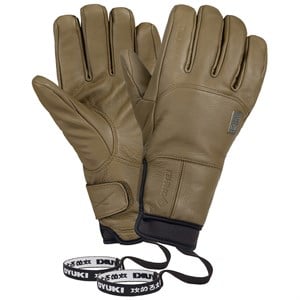
Shell Material: Premium Water Resistant Goatskin Leather
Membrane: GORE-TEX Waterproof Breathable Insert – “Guaranteed to Keep You Dry™”
Insulation: 200g PrimaLoft® Gold (top) & 133g PrimaLoft® Eco Grip (palm)
Lining: Tricot Lining
The Oyuki Sencho GORE-TEX Gloves are a top-tier choice for skiers who demand warmth, comfort, and long-lasting durability in extreme winter conditions. Constructed entirely from premium water-resistant goatskin leather, they not only look refined but also offer exceptional resilience against wear. The GORE-TEX membrane ensures your hands stay dry in deep powder or heavy snowfall, while PrimaLoft® insulation provides impressive warmth without adding bulk. The tricot lining adds a layer of softness, making them comfortable for long days on the slopes. With their adjustable double-layer cuff, they seal out snow and cold effectively, keeping your hands consistently warm and dry.
Performance-wise, the Sencho stands out with its Grip Control technology and 133g Eco Grip insulation in the palm, offering a firm, non-slip hold on ski poles or tools. The rounded finger design enhances dexterity, making tasks like adjusting bindings or handling gear easier even in frigid temperatures. Extra features such as wrist leashes, hook-and-loop closure, and a Griptex pull tab make them both practical and user-friendly. Designed for skiers and snowboarders who spend extended time in cold, wet conditions, these gloves excel in balancing technical performance with premium craftsmanship.
Pros
- Premium full-leather construction for durability and style
- Excellent warmth-to-weight ratio with high-quality insulation
- Waterproof and breathable GORE-TEX membrane
- Strong grip and dexterity in cold conditions
Cons
- Higher price point compared to synthetic options
- Leather requires regular maintenance to preserve performance
2. Burton GORE-TEX
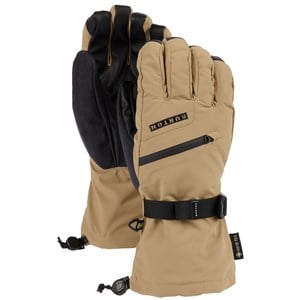
Shell Material: DRYRIDE 2-Layer Fabric
Membrane: GORE-TEX Waterproof / Breathable Membrane
Insulation: Thermacore™ Eco Insulation
Lining: Removable Screen Grab® Liner & Brushed Microfiber
The Burton GORE-TEX Gloves deliver a perfect mix of warmth, weatherproofing, and versatility for cold-weather adventures. Built with DRYRIDE 2-Layer fabric and a GORE-TEX membrane, they provide exceptional waterproofing, windproofing, and breathability even in severe conditions. The removable liner adds adaptability, allowing you to adjust insulation based on weather and activity level. Thermacore™ Eco insulation ensures consistent warmth without bulk, so your hands stay nimble for everything from skiing to shoveling snow. The extended gauntlet offers added coverage, sealing out powder even on the deepest days.
In practice, these gloves stand out for their touchscreen-friendly Screen Grab Toughgrip™ palm, which provides device control without removing gloves. The ergonomic pre-curved fit ensures excellent dexterity, while thoughtful touches like a hidden heater/vent pocket and soft nose wipe make them more comfortable for long days outside. Whether you’re skiing, snowboarding, or simply braving harsh winter weather, the Burton GORE-TEX Gloves offer dependable warmth and performance in a durable, user-friendly design.
Pros
- Fully waterproof, windproof, and breathable with GORE-TEX membrane
- Removable liner for versatility
- Touchscreen-compatible palm
- Extended gauntlet for deep snow protection
Cons
- Bulkier than some low-profile gloves
- May feel too warm for mild winter days
3. Hestra Fall Line 5-Finger Gloves
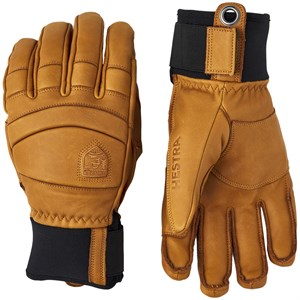
Shell Material: Impregnated Cow Hide
Insulation: Foam with G-Loft Synthetic Lining
Lining: Removable Bemberg/Polyester Liner
Cuff Style: Neoprene Cuff with Velcro Closure
The Hestra Fall Line 5-Finger Gloves bring heritage craftsmanship and technical performance together in a premium package. Made from impregnated cowhide, they resist moisture, abrasion, and wear while developing a beautiful patina over time. Foam insulation and a removable Bemberg/polyester liner with G-Loft technology provide warmth without excess bulk, making them ideal for active use. The neoprene cuff fits snugly under your jacket sleeve for a streamlined, snow-proof seal.
On the slopes, these gloves excel in comfort and dexterity, thanks to outseam stitching and an ergonomic cut. The included wrist leashes keep them secure, even when removed for gear adjustments. These gloves are designed for skiers who appreciate both style and durability, and they perform equally well for snowboarding or general winter use. The Hestra Fall Line’s balance of warmth, grip, and precision makes them a top choice for anyone wanting a glove that will last season after season.
Pros
- Durable cowhide leather that ages beautifully
- Excellent dexterity with outseam stitching
- Warm yet low-bulk insulation
- Secure wrist leashes included
Cons
- Not as warm as heavily insulated gloves in extreme cold
- Leather requires conditioning for longevity
See the Hestra Fall Line 5-Finger Gloves
4. rivmount Winter Waterproof Snow Gloves

Shell Material: Waterproof Polyester
Lining: Soft and Dense Fleece
Insulation: Thermal Cotton Layer
Palm: PU Leather Anti-Slip Grip
The rivmount Winter Waterproof Snow Gloves combine style, warmth, and practicality in a lightweight package. Designed with a waterproof polyester shell and a plush fleece lining, they keep your hands warm and dry in moderate winter conditions. The adjustable windproof cuff enhances cold resistance, while the anti-slip PU leather palm provides excellent grip for activities like driving, skiing, or cycling.
Functionality is further enhanced by touchscreen-compatible fingertips, allowing you to use your phone or devices without removing your gloves. Reflective details improve visibility during night activities, while a portable buckle keeps the gloves together for easy storage. These gloves strike a balance between everyday winter use and active outdoor sports, making them a versatile choice for anyone wanting reliable protection without excess bulk.
Pros
- Lightweight yet warm with soft fleece lining
- Touchscreen compatibility on all fingers
- Good grip from PU leather palm
- Reflective details for safety
Cons
- Not suitable for extreme sub-zero temperatures
- Cuffs are not fully waterproof
See the rivmount Winter Waterproof Snow Warm Gloves
5. SIMARI Winter Gloves

Shell Material: Waterproof Polyester
Lining: Flannel Lining with Elastic Cuff
Composition: 95% Polyester, 5% Spandex
Palm: Silicone Particle Grip
The SIMARI Winter Gloves are built for those who need comfort, versatility, and touchscreen capability in cold conditions. Made with a flexible polyester-spandex blend, they feature a warm flannel lining and elastic cuffs that trap heat effectively. The silicone particle palm and fingers enhance grip, making them ideal for driving, cycling, or using tools in winter weather.
Touchscreen compatibility across multiple fingers allows you to use smartphones, tablets, or GPS devices without exposing your hands to the cold. Reflective patterns on the back increase nighttime safety, and the lightweight design makes them perfect for both outdoor activities and everyday errands. The SIMARI gloves offer a practical balance between warmth and dexterity, excelling in moderate winter weather.
Pros
- Touchscreen capability for all major devices
- Lightweight and flexible construction
- Good grip from silicone particle design
- Reflective accents for visibility
Cons
- Not warm enough for severe cold
- Limited waterproofing in heavy snow
6. Carhartt A511

Shell Material: Polytex with Softshell Trim
Insulation: Ultrasoft Synthetic Insulation
Lining: Moisture-Wicking Performance Lining
Membrane: Waterproof Insert
The Carhartt A511 gloves are a rugged, all-purpose option for work and outdoor winter activities. Built from durable polytex with softshell trim and a reinforced PU palm, they offer excellent abrasion resistance and grip. The waterproof insert keeps hands dry, while ultrasoft insulation delivers reliable warmth.
Inside, a performance wicking lining pulls moisture away from the skin, helping regulate temperature and prevent discomfort. A soft nose wipe on the thumb adds convenience on the slopes or during long workdays in cold conditions. The A511 strikes a practical balance between toughness and comfort, making them suitable for both job sites and casual winter wear.
Pros
- Durable construction for work and outdoor use
- Waterproof and warm without excess bulk
- Reinforced palm for better grip and longevity
- Moisture-wicking lining for comfort
Cons
- Less dexterity than lighter gloves
- Limited breathability during high activity
7. ihuan Winter Waterproof Snow Gloves

Shell Material: Waterproof Polyester
Lining: Soft and Dense Fleece
Insulation: Thermal Cotton Layer
Palm: Microfiber Leather Anti-Slip Grip
The ihuan Winter Waterproof Snow Gloves are built for versatility, offering warmth, windproofing, and reliable grip for a wide range of activities. The waterproof polyester shell and fleece lining keep hands warm in temperatures between 20°F and 32°F, making them suitable for moderate winter conditions. The adjustable cuff prevents snow and wind from getting inside, while the microfiber leather palm provides a strong, non-slip hold.
Touchscreen capability allows you to operate devices without removing your gloves, a key feature for convenience in cold weather. Lightweight and not overly bulky, they are perfect for driving, skiing, hiking, or general outdoor chores. While the cuffs are not waterproof, the gloves handle light snow and rain well, offering an excellent balance between function and comfort.
Pros
- Lightweight yet warm for moderate cold
- Good grip from microfiber leather palm
- Touchscreen capability for easy device use
- Adjustable cuff for better heat retention
Cons
- Cuffs not waterproof
- Not suited for extreme cold
See the ihuan Winter Waterproof Gloves
How to Choose Cold Weather Ski Gloves?
When skiing in freezing temperatures, your hands are often the first to feel the chill. Cold, wet fingers can quickly turn an exciting day into an uncomfortable struggle, reducing both your performance and enjoyment. Choosing the right pair of cold weather gloves is essential for keeping your hands warm, dry, and flexible on the slopes. This guide breaks down everything you need to know about finding the perfect pair — from materials and insulation to fit and extra features.
1. Understand the Importance of Warmth and Waterproofing
The primary function of a ski glove is to keep your hands warm and dry. Cold weather ski gloves need to provide insulation to trap body heat while blocking wind and moisture. Look for gloves with waterproof membranes such as GORE-TEX, Hipora, or proprietary brand technologies. These keep snow and slush out while allowing sweat to escape, preventing dampness inside the glove.
Warmth depends on both insulation and glove construction. The insulation material, its thickness, and the glove’s ability to seal out wind will all affect how warm your hands stay. For extreme cold, opt for gloves with high-loft synthetic or down insulation paired with a durable, weatherproof outer shell.
2. Choose the Right Insulation
The insulation type in your gloves plays a big role in performance:
-
Synthetic Insulation (e.g., PrimaLoft, Thinsulate): Lightweight, breathable, and quick-drying, synthetic fills retain warmth even when wet, making them reliable in snowy conditions.
-
Down Insulation: Extremely warm and compressible, but less effective if it gets wet unless treated with water-resistant coatings.
-
Foam and Fleece Linings: Often used as secondary insulation layers to boost comfort and heat retention.
Cold weather gloves often combine multiple insulation types to balance warmth, breathability, and dexterity.
3. Select the Right Shell Material
The outer shell protects the insulation and hands from snow, wind, and abrasion. Common materials include:
-
Leather (Goatskin, Cowhide): Extremely durable, naturally water-resistant (when treated), and offers excellent grip. Best for longevity and high-performance use, but requires maintenance.
-
Synthetic Fabrics (Nylon, Polyester): Lightweight, flexible, and often treated with water-repellent coatings. Generally lower maintenance than leather.
-
Hybrid Designs: Combine leather palms with synthetic backs for both durability and reduced weight.
For cold weather skiing, durability is important, so choose a shell that resists wear while maintaining flexibility.
4. Decide Between Gloves and Mittens
Ski gloves come in different styles, each with pros and cons:
-
Gloves: Offer better dexterity for handling zippers, poles, and gear. Ideal if you need frequent finger movement.
-
Mittens: Keep fingers together, generating more warmth but with less dexterity. Great for very cold conditions.
-
Lobster Mitts: A hybrid style combining two fingers together while keeping the index finger separate for grip, providing a balance between warmth and control.
If you often ski in extremely low temperatures, mittens may be the better choice, but for technical activities, gloves are more versatile.
5. Consider Cuff Length and Closure
Cuff style affects how well gloves seal out snow and wind:
-
Gauntlet Cuffs: Extend over jacket sleeves for maximum coverage and protection against deep snow. Often used for powder skiing.
-
Under-Cuff Gloves: Fit under jacket sleeves for a more streamlined feel, often preferred by freestyle skiers.
Adjustable closures like Velcro straps, drawcords, or elastic cuffs help secure the fit and lock in warmth.
6. Focus on Fit and Dexterity
A proper fit ensures both warmth and control. Gloves that are too tight can restrict circulation, making your hands colder. Oversized gloves can feel clumsy and reduce grip. When trying gloves:
-
Make a fist — you should feel the insulation compress slightly without cutting off circulation.
-
Test your ability to grip ski poles and operate buckles or zippers.
-
Remember that insulation may settle over time, so a snug but not tight fit is ideal.
7. Look for Useful Features
Cold weather ski gloves often come with added features to improve performance and comfort:
-
Wrist Leashes: Prevent gloves from falling if removed on the lift or slopes.
-
Nose Wipes: Soft patches on the thumb for convenience in cold weather.
-
Touchscreen Compatibility: Allows you to use phones or GPS devices without removing gloves.
-
Heater Pockets: Small compartments for inserting hand warmers during very cold days.
-
Pre-Curved Fingers: Reduce break-in time and improve natural grip.
These extras can make a big difference in usability and enjoyment on the mountain.
8. Think About Layering
In very cold conditions, glove layering can be a game-changer. Many gloves have removable liners that can be worn alone in mild weather or combined with the shell for maximum warmth. Liners made from fleece, merino wool, or synthetic blends add insulation and wick moisture away from the skin. Layering also allows for easier drying after a day on the slopes.
9. Match Gloves to Your Skiing Conditions
Not all cold weather gloves are built for the same situations:
-
Resort Skiing in Cold Climates: Thick, insulated gloves or mittens with waterproof shells.
-
Backcountry Skiing: Gloves with high breathability and removable liners for moisture control during climbs.
-
Mixed Conditions: Versatile gloves with moderate insulation, waterproofing, and removable liners for adaptability.
Consider your skiing style, the typical temperatures you face, and how much activity you’ll be doing.
10. Don’t Forget Maintenance
Even the best cold weather gloves won’t perform forever without proper care. Leather gloves need occasional waterproofing treatments and conditioning to prevent cracking. Fabric gloves benefit from being cleaned according to the manufacturer’s instructions to restore water-repellent coatings. Always dry gloves thoroughly after use — but avoid direct heat sources, which can damage insulation and membranes.
Final Thoughts
Choosing cold weather ski gloves is about balancing warmth, waterproofing, durability, and dexterity to suit your skiing style and conditions. Look for high-quality insulation, a weatherproof shell, and a comfortable fit. Consider whether gloves, mittens, or a hybrid design best meet your needs, and pay attention to extra features that enhance comfort and convenience. By investing in the right pair and maintaining them well, you can enjoy warm, dry hands all winter long — no matter how cold the slopes get.