Ski Gloves vs Mittens: A Comparison
When gearing up for skiing or snowboarding, one of the most crucial decisions is choosing the right handwear — ski gloves or mittens. Your hands are exposed to the harsh cold and wet snow, and keeping them warm, dry, and comfortable can make or break your day on the slopes. But which is better: gloves or mittens? This article will break down the pros and cons of each, explore their construction, warmth, dexterity, and more, so you can make an informed choice.
Understanding the Basics: What Are Gloves and Mittens?
Before diving into the comparison, let’s clarify what exactly ski gloves and mittens are:
-
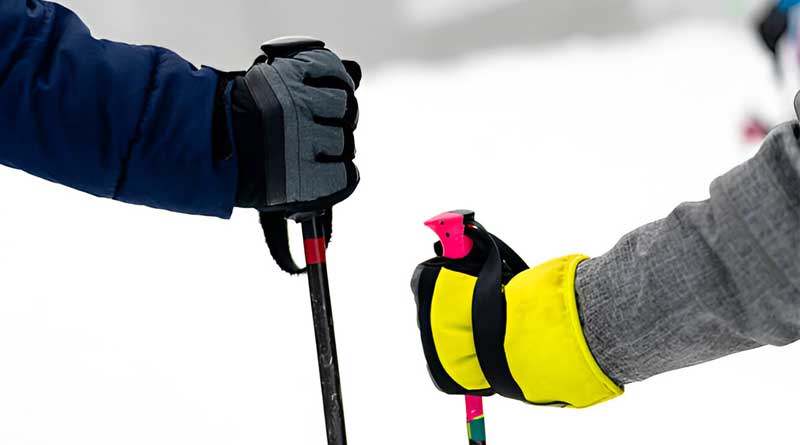
Ski Gloves: Gloves have individual compartments for each finger, similar to everyday gloves, allowing for full finger movement and better dexterity.
-
Ski Mittens: Mittens bundle all fingers together in one compartment except the thumb, which usually has its own separate section. This grouping helps retain warmth by keeping fingers together.
Warmth: Which Keeps Your Hands Warmer?
One of the most significant factors in choosing between gloves and mittens is warmth.
-
Mittens: Because mittens keep your fingers together, they share body heat, making them generally warmer than gloves. The single compartment traps heat more effectively and reduces heat loss. This makes mittens ideal for extremely cold conditions or those who tend to get cold hands easily.
-
Gloves: Gloves, with separated fingers, lose heat faster because more surface area is exposed to the cold. However, modern gloves often use high-quality insulation and waterproofing materials to compensate. Still, they typically don’t match the warmth level of mittens.
Verdict: Mittens win for warmth, especially in freezing temperatures.
Dexterity and Functionality: Which Gives You Better Hand Control?
How much finger movement you need matters a lot, especially if you frequently adjust gear or handle small objects.
-
Gloves: Gloves offer far superior dexterity because each finger can move independently. This makes it easier to grip ski poles, operate zippers, adjust goggles, or use your phone without taking them off.
-
Mittens: Mittens limit finger movement, making detailed tasks more difficult. You might find it frustrating to take off your mittens every time you want to change a setting or pull up your jacket zipper.
Verdict: Gloves provide much better dexterity and hand control.
Comfort and Fit
Comfort is subjective but important.
-
Gloves: Because gloves have separate finger compartments, the fit can be snugger and more tailored to your hand shape. However, if gloves are too tight, they can restrict blood flow and make your hands colder.
-
Mittens: Mittens usually offer a looser fit around the fingers, allowing for layering or wearing a thin liner underneath. This added room can enhance comfort for some, but a loose mitten might let cold air in.
Verdict: Depends on personal preference, but mittens tend to offer more room and gloves a snugger fit.
Waterproofing and Breathability
Both gloves and mittens must keep your hands dry in snowy, wet conditions, but how they perform can differ.
-
Gloves: Modern ski gloves typically have waterproof membranes (like Gore-Tex) that block water but allow sweat to escape, keeping hands dry inside. However, because gloves have more seams (between fingers), there can be more potential points for water to seep in.
-
Mittens: Mittens have fewer seams and less surface area exposed, which can reduce the risk of water penetration. But because fingers are bundled, sweat may build up more inside, potentially making hands feel damp if breathability is poor.
Verdict: Mittens generally do better at keeping water out, but gloves often have better breathability.
Weight and Packability
-
Gloves: Typically lighter and less bulky than mittens. Easier to pack away or fit inside pockets.
-
Mittens: Bulkier due to the larger compartment and extra insulation. They take up more room in your backpack.
Verdict: Gloves are more lightweight and packable.
Price Considerations
Ski gloves and mittens come in a range of prices, but generally:
-
Gloves: Tend to be slightly more expensive, especially high-end models with advanced features for dexterity and touchscreen compatibility.
-
Mittens: Often more affordable, but premium mittens with top insulation and waterproof materials can also be pricey.
Verdict: Mittens can be more budget-friendly but prices overlap depending on features.
Style and Appearance
-
Gloves: Offer a sleek, sporty look and tend to come in slimmer fits.
-
Mittens: Bulkier and sometimes look less streamlined, but are often considered cozier and more retro in style.
Verdict: Purely personal and varies by brand and model.
Use Case Scenarios: When to Choose Gloves vs Mittens?
Choose Ski Gloves If:
-
You want maximum dexterity for handling equipment, zippers, phones, or snacks.
-
You prefer a slimmer, less bulky fit.
-
You ski in milder cold or can layer gloves with liners for adjustable warmth.
-
You like to stay connected with your smartphone or camera without removing gloves.
Choose Ski Mittens If:
-
You often face extremely cold temperatures or are prone to cold hands.
-
You prioritize warmth over dexterity.
-
You don’t mind taking mittens off occasionally for detailed tasks.
-
You want a simple, reliable, and often more waterproof option.
Innovations and Hybrids: The Best of Both Worlds?
Some brands have started creating hybrid models to combine warmth and dexterity:
-
Convertible Mittens/Gloves: Gloves with a removable mitten shell that you can pull over for extra warmth or take off for dexterity.
-
3-Finger Gloves: Also called lobster gloves, where fingers are grouped in pairs or triplets. They offer more warmth than gloves but better dexterity than mittens.
If you want both warmth and finger control, these options are worth exploring.
Material and Insulation Types
The choice of materials affects both gloves and mittens similarly:
-
Outer Shell: Usually nylon or polyester with waterproof membranes like Gore-Tex, eVent, or proprietary fabrics.
-
Insulation: Common types include synthetic insulation (Thinsulate, PrimaLoft) or natural down (less common in gloves/mittens due to moisture issues).
-
Liners: Fleece or wool liners add softness and extra warmth.
Care and Maintenance
-
Both gloves and mittens require proper care to maintain waterproofing and insulation.
-
Always follow manufacturer washing instructions.
-
Dry them thoroughly after use to avoid mildew and odor.
-
Use waterproofing sprays or treatments as needed to restore water repellency.
Summary Table: Ski Gloves vs Mittens
| Feature | Ski Gloves | Ski Mittens |
|---|---|---|
| Warmth | Moderate | Warmer (better heat retention) |
| Dexterity | High (individual fingers) | Low (fingers together) |
| Waterproofing | Good, but more seams | Better, fewer seams |
| Breathability | Better | Moderate |
| Bulkiness | Less bulky, lighter | Bulkier, heavier |
| Comfort Fit | Snug, tailored | Looser, roomier |
| Price Range | Often pricier | Often more affordable |
| Use Case | Dexterity needed, mild cold | Extreme cold, warmth prioritized |
| Style | Sleek, sporty | Cozy, bulky |
Final Thoughts
Choosing between ski gloves and mittens ultimately depends on your priorities and the conditions you expect to encounter on the mountain. If warmth is your top concern and you don’t mind sacrificing finger mobility, mittens are your best bet. For skiers who want to maintain fine motor control, handle equipment easily, or use tech devices on the go, gloves offer unmatched dexterity.
If you’re torn between the two, consider hybrids or layering thin liners under mittens or gloves to customize warmth and flexibility. Investing in high-quality materials and waterproofing will also make a big difference no matter which style you pick.
No matter your choice, keeping your hands warm and dry is key to enjoying every run. So choose wisely, and hit the slopes with confidence!