Best Ski Helmets with Goggles of 2026
Finding the right ski helmet and goggles combo can make all the difference on the slopes. Not only does a good helmet protect your head from impacts, but when paired with the right goggles, it also ensures clear vision and all-day comfort in changing weather. A bundled set means you don’t have to worry about fit issues between different brands, and you’ll usually save money compared to buying them separately. Here, we’ve rounded up the best ski helmets with goggles to help you ride safely and confidently.
1. OutdoorMaster Ski Helmet & Goggles Set
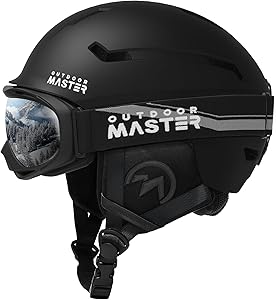
- Shell Construction: Shockproof, penetration-resistant helmet shell
- Ventilation: 8 air vents with anti-fog goggle airflow
- Fit System: Adjustable straps, removable liner and earmuffs
- Use: Skiing, snowboarding, skating, winter sports
The OutdoorMaster Ski Helmet & Goggles Set delivers dependable protection and comfort for riders who want a simple, all-in-one solution. The helmet and goggles are designed to fit together seamlessly, eliminating pressure points and awkward gaps that often cause discomfort or fogging. Built with certified safety materials, the helmet absorbs impacts effectively while maintaining a lightweight feel that won’t weigh you down during long days on the mountain.
Ventilation is a strong point, with eight air vents working alongside the goggles’ airflow design to reduce fog and regulate temperature. The detachable lining, ear pads, and soft chin strap add warmth when needed and can be removed on milder days. The adjustable goggle strap ensures a secure fit over the helmet, making this set beginner-friendly and convenient. Whether you are learning turns or cruising groomers, this combo offers solid value, comfort, and confidence for a wide range of winter activities.
- Pros: Comfortable fit, good ventilation, lightweight design, great value
- Cons: No MIPS, basic lens options
See the OutdoorMaster Ski Helmet & Goggles Set
2. Smith Method Helmet + Squad Goggles
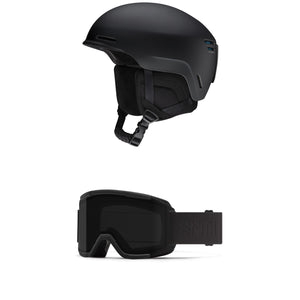
- Material: Koroyd and EPS
- Helmet Style: Half Shell
- Venting System: Adjustable Venting
- Total Weight: 400g
The Smith Method Helmet combined with Squad Goggles offers exceptional integration and performance for snowboarders seeking reliability. Featuring advanced Koroyd and EPS construction, this lightweight half-shell setup delivers solid impact protection without feeling overly bulky on the slopes. The adjustable venting system lets riders manage airflow effortlessly depending on weather conditions.
Additionally, the removable ear pads and custom adjustable fit ensure all-day comfort during long rides. The cylindrical lens provides clear, unobstructed field of vision while staying securely paired with the helmet frame. It stands out as an excellent, seamless package for riders who value comfort, style, and effective temperature management.
- Pros: Lightweight construction at 400 grams, adjustable venting for easy climate control
- Cons: Does not feature MIPS technology, audio integration is not included
See the Smith Method Helmet + Squad Goggles
3. InnerKing Helmet and Goggles Set

- Helmet Certification: ASTM F-2040 and CE EN1077
- Goggle Certification: SGS and CE EN174
- Vent Design: 10-Vent Airflow System
- Target Audience: Men, Women, Adults
The InnerKing Helmet and Goggles Set offers an all-in-one solution designed for riders wanting reliable safety and convenience. Built with certified protection standards, this combo ensures safety for adults hitting the mountain. The helmet features a ten-vent setup that promotes constant airflow to keep you comfortable during high-intensity runs.
Complementing the helmet, the included ski goggles feature anti-fog technology to maintain clear visibility across varying mountain conditions. The lightweight build prevents neck strain, allowing you to ride comfortably all day long. Overall, this complete set delivers trusted safety certifications and practical functionality for both beginner and experienced snowboarders.
- Pros: Fully safety certified for helmet and goggles, ten vents offer continuous ventilation
- Cons: Lacks advanced impact materials like MIPS, fixed vent openings offer limited climate control
See the InnerKing Helmet and Goggles Set
4. VANRORA Ski Helmet and Goggles Set

- Safety Certification: ASTM F 2040 and CE EN 1077
- Liner Material: USA-Made Impact-Absorbing EPS
- Included Goggles: X-Mag Snow Goggles with Cover
- Adjustment Features: Removable Liner and Ear Pads
The VANRORA Ski Helmet and Goggles Set is crafted to provide full protection and versatile comfort on the slopes. Featuring a durable high-impact outer shell and an impact-absorbing USA-made EPS liner, this setup offers dependable head safety against falls and bumps. Its adjustable ventilation system makes regulating internal temperature simple during intense mountain runs.
The included X-mag snow goggles feature dual-layer lenses with hydrophilic anti-fog coatings to keep your vision sharp while shielding against icy winds. With a removable liner, detachable ear pads, soft chin strap, and silicone anti-slip tabs, this package guarantees a customized fit. It delivers complete warmth, safety, and clear visibility for snowboarders.
- Pros: High-impact shell with USA-made EPS foam, includes X-mag goggles with protective cover
- Cons: Multiple removable parts require extra care, slightly bulkier profile than minimalist designs
See the VANRORA Ski Helmet and Goggles Set
5. Findway Ski Helmet Set

- Protection: Shock-absorbing, puncture-resistant shell
- Ventilation: 8 airflow vents with anti-fog goggles
- Comfort: Removable padding and ear covers
- Fit: Adjustable helmet and goggle straps
The Findway Ski Helmet Set is designed for winter sports enthusiasts who want dependable protection without unnecessary complexity. Both the helmet and goggles meet safety certifications and provide all-around coverage for skiing, snowboarding, and skating. The lightweight build helps reduce fatigue, making it suitable for full-day use on the slopes.
Ventilation is thoughtfully designed, with eight vents regulating airflow while blocking cold wind. The goggles complement this system by minimizing fog, keeping vision clear in changing conditions. Removable padding and ear covers allow easy customization for warmth and comfort. With simple adjustability and a snug fit, this set is ideal for beginners and casual riders looking for reliable performance at a reasonable price.
- Pros: Affordable, good airflow, lightweight comfort
- Cons: Basic lens quality, no advanced impact tech
See the Findway Ski Helmet Set
6. OutdoorMaster Helmet with Visor

- Shell: ABS outer shell with EPS foam
- Ventilation: 14 air vents
- Fit System: Adjustable dial with removable padding
- Sizes: Small to Large (48–62 cm)
The OutdoorMaster Helmet with Visor offers a clean, integrated design that removes the need for separate goggles. The built-in visor provides consistent eye protection while maintaining a wide field of view. Its ABS shell and EPS liner deliver reliable impact protection, making it suitable for resort skiing and snowboarding.
Fourteen ventilation ports keep airflow moving, helping regulate temperature and reduce moisture buildup. The adjustable dial fit system allows quick customization, while removable lining and earmuffs add versatility for different weather conditions. Lightweight and easy to use, this helmet is a solid choice for riders who prefer simplicity and convenience without sacrificing safety.
- Pros: Integrated visor, excellent ventilation, easy fit adjustment
- Cons: Visor lens not interchangeable, no MIPS
See the OutdoorMaster Helmet with Visor
7. Anon Prime MIPS Helmet & Sync MFI Goggles
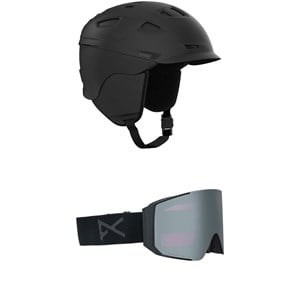
- Protection: MIPS with hybrid shell construction
- Ventilation: 23 active adjustable vents
- Fit System: 360° BOA adjustment
- Lens Tech: PERCEIVE optics with magnetic lens swap
The Anon Prime MIPS Helmet and Sync MFI Goggles combo is built for riders who demand premium comfort and protection. The helmet’s hybrid shell balances durability and weight, while MIPS enhances safety during angled impacts. The BOA fit system provides precise, one-handed adjustments for a secure feel.
Sync MFI Goggles deliver high-contrast PERCEIVE optics and excellent fog resistance through full-perimeter venting. Magnetic lens changes are quick and reliable, and the included MFI face mask adds seamless face coverage. This setup excels in variable conditions and long riding days, making it a top-tier option for serious skiers and snowboarders.
- Pros: Premium protection, excellent optics, superior ventilation
- Cons: Expensive, slightly heavier than minimalist helmets
See the Anon Prime MIPS Helmet & Sync MFI Goggles
8. Giro Tenet MIPS Helmet & Contour Goggles
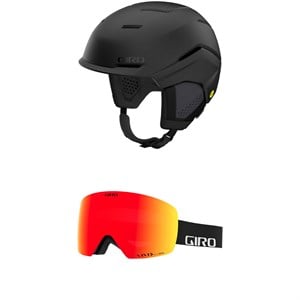
- Construction: Hybrid shell with EPS liner
- Protection: MIPS technology
- Ventilation: Thermostat Control adjustable vents
- Lenses: Toric VIVID ZEISS optics
The Giro Tenet MIPS Helmet and Contour Goggles package is designed for aggressive all-mountain riding. The hybrid shell boosts durability without sacrificing comfort, while MIPS adds confidence when impacts occur. Giro’s In Form 2 Fit System allows fast, precise adjustments for a stable feel.
Contour Goggles stand out with exceptional peripheral vision thanks to EXV+ frameless design. VIVID ZEISS lenses enhance contrast, and the magnetic lens system makes swaps effortless. Combined with EVAK venting, fog is rarely an issue. This combo is ideal for riders who want performance optics and robust protection in one refined package.
- Pros: Outstanding field of view, strong protection, adjustable vents
- Cons: Higher cost, ear pads not removable
See the Giro Tenet MIPS Helmet & Contour Goggles
9. SNOWER Ski Helmet with Goggles
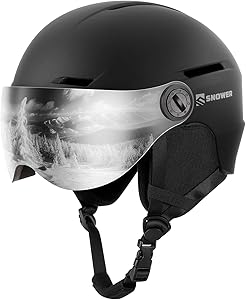
- Shell: ABS shell with EPS foam liner
- Ventilation: 10 air vents
- Fit: Dial adjustment with chin strap
- Liner: Detachable, washable fleece padding
The SNOWER Ski Helmet with Goggles is a practical 2-in-1 solution designed for both beginners and experienced riders. Its impact-resistant construction provides solid protection, while the integrated goggles offer convenience and a secure fit. The helmet remains stable even during sharp turns.
Ten ventilation ports help manage heat and moisture, while anti-fog goggles maintain clear vision throughout the day. The removable liner and ear pads make cleaning easy and allow seasonal adjustments. Comfortable, adjustable, and easy to use, this helmet is a dependable choice for everyday winter sports use.
- Pros: Adjustable fit, good ventilation, washable liner
- Cons: Basic optics, limited color options
See the SNOWER Ski Helmet with Goggles
10. Odoland Ski Helmet & Goggles Set
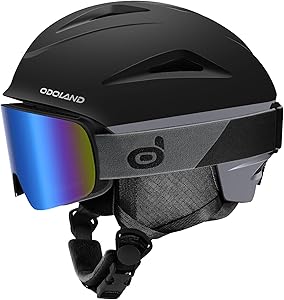
- Protection: Shockproof, penetration-resistant design
- Ventilation: 10 air vents with Flow-Tech goggles
- Comfort: Removable liner and earmuffs
- Extras: Includes helmet carry bag
The Odoland Ski Helmet & Goggles Set is a versatile and budget-friendly option for winter sports lovers. Built with safety-certified materials, it provides reliable protection for skiing, snowboarding, and skating. The helmet and goggles fit together securely, minimizing movement during activity.
Ventilation is well executed, with ten vents promoting airflow while reducing fogging. The lightweight design helps reduce head pressure, and removable components allow easy customization for comfort. With its included carry bag and stylish look, this set is a convenient and practical choice for recreational riders.
- Pros: Affordable, good ventilation, lightweight
- Cons: No advanced safety tech, basic lens quality
See the Odoland Ski Helmet & Goggles Set
How to Choose Ski Helmets with Goggles?
Choosing the right ski helmet with goggles matters more than you might think. A good helmet keeps your head safe, and the right goggles give you clear vision in changing light and weather. When the helmet and goggles fit together well, they prevent fogging, stay comfortable for long days, and make your whole kit work better. This guide walks you through the key things to look for: safety standards, fit and sizing, ventilation, lens types, helmet features, and how to test a set before you buy. Read on to make a smart, simple choice that keeps you safe and seeing clearly on the slopes.
Why buy a helmet-and-goggle set?
Buying a helmet and goggles together reduces the guesswork. Sets are often matched so the goggle strap and frame sit neatly against the helmet, which helps keep the lens clear and the fit stable. You also avoid wasting money on a goggle that does not fit your helmet’s shape or vents. For beginners or anyone who wants an easy start, a matched set is a convenient, cost-effective option.
Safety standards and construction
Start with safety. Look for helmets that meet recognized standards in your region, such as CE EN, ASTM, or CPSC. These marks mean the helmet has passed impact tests. Pay attention to shell type: hard shells (ABS or polycarbonate) are durable and resist dents, while in-mold helmets bond a thin shell to foam for a lighter feel. Both styles can be safe if they meet standards.
Rotational impact protection
Consider helmets that include rotational impact protection systems, often called MIPS or similar. These systems aim to reduce the twisting forces on your brain in certain crashes. They add a small layer or low-friction liner inside the helmet and are a useful safety upgrade for many riders.
Fit: the most important factor
Fit is the single most important thing. A helmet should sit level on your head, low on the forehead, and not rock forward or back when you move. Try the helmet with the goggles you plan to wear—or with a similar frame—to check the seal around your face and to make sure the goggle foam meets the helmet without a gap. Many brands offer different shell sizes and removable padding to fine-tune the fit. Use the adjustable dial or retention system at the back to get a snug, comfortable hold.
Helmet sizing tips
Measure the circumference of your head above your eyebrows and compare it with the brand’s sizing chart. If you fall between sizes, try both sizes on with the goggles. If a helmet feels tight after a few minutes, it may cause pressure points on long days. If it shifts easily, it’s too large.
Ventilation and anti-fogting
Ventilation affects both comfort and goggle fog. Helmets with well-placed vents and internal channels can move warm air out and keep the goggles clear. Some helmets offer adjustable vents so you can open them on warm days and close them in cold weather. On the goggle side, look for dual-layer lenses, anti-fog coatings, and perimeter venting. Good helmets and goggles work together to direct airflow and minimize moisture build-up.
Lens types and light conditions
Goggles come with different lens tints and technologies. Darker tints (higher VLT—visible light transmission) are for bright, sunny days, while lighter tints or yellow/rose lenses help in low light or overcast conditions. Polarized lenses reduce glare but are less common in ski goggles. Some goggles come with photochromic lenses that change tint with light, or with quick-change systems so you can swap lenses for different conditions. If you ski in varied light, a set with a spare lens or an easy swap system is very useful.
Helmet features to consider
- Audio compatibility: Some helmets come with speakers or pockets for audio pads.
- Removable ear pads and liners: These let you wash liners and adjust warmth.
- Goggle clips and strap locks: These hold the goggle strap in place during falls or fast runs.
- Weight: Lighter helmets are more comfortable on long days but can cost more.
Compatibility and integration
Not every goggle fits every helmet. Look for helmets and goggles designed to integrate—brands often note which models pair well. Check that the goggle strap sits flat and that vents on the helmet don’t block the goggle vents. For glasses wearers, look for OTG (over-the-glasses) goggles or helmets that allow enough space for glasses arms without compromising the seal.
How to try a helmet-and-goggle set
When trying gear in-store, wear the goggles while you test the helmet. Bend forward, shake your head, and breathe hard to check for movement and fog. Walk around for a few minutes to feel any pressure points. If buying online, check return policies and consider shopping where you can swap sizes if fit isn’t right. Read reviews for real-world notes on fit, venting, and goggle clarity.
Care and maintenance
Dry goggles and helmet liners after each use to avoid mold and lingering fog. Wipe lenses with a soft microfiber cloth and store them in a protective bag. Don’t leave helmets in hot cars for long periods, as heat can damage the shell and foam. Replace helmets after a hard impact or every few years, as materials degrade over time.
Budget and buying tips
Sets range from budget-friendly to premium. Lower-cost options can be perfectly fine for casual riders, but spending more often gets better lens technology, improved ventilation, and lighter-weight shells. Consider where and how often you ski. If you ride frequently or in challenging terrain, invest in safer, better-fitting gear. If you’re a beginner or occasional user, a mid-range set with a spare lens offers strong value.
Final checklist before you buy
- Does the helmet meet safety standards and include rotational protection if you want it?
- Does the helmet sit level and feel stable with the goggles on?
- Are the vents and lens suited to the typical light and weather you face?
- Is the goggle lens easy to change or does the set include a spare lens?
- Can you return or exchange sizes if the fit is not right?
Conclusion
Choosing the right ski helmet with goggles is about safety, fit, and clear vision. Prioritize a helmet that fits well, meets safety standards, and pairs with a goggle that offers the lens options you need. Good ventilation and anti-fog technology keep your view steady, while features like removable liners and integrated straps boost comfort. Try gear on when you can, and don’t be afraid to invest a bit more for better protection and lasting comfort. With the right set, you’ll ride safer and see better—so you can focus on enjoying the mountain.