Best Freestyle Ski Bindings of 2026
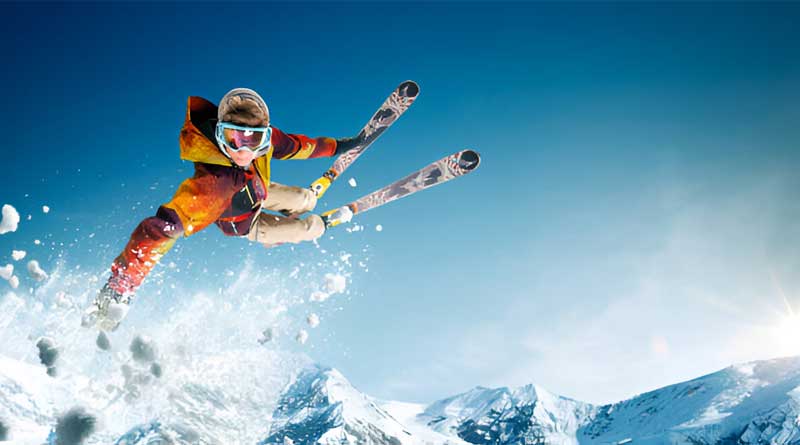
Freestyle skiing is all about freedom, creativity, and control on the slopes, and the right bindings play a huge role in your performance. Whether you are hitting big jumps, sliding rails, or spinning tricks in the park, having bindings that are lightweight, durable, and responsive is key to keeping you safe and improving your skills. Freestyle ski bindings are designed to handle hard landings, provide solid release when needed, and give you the confidence to push your limits. In this guide, we’ll look at the best freestyle ski bindings available today, helping you find the perfect pair to match your style and skiing needs.
1. Marker Squire 11
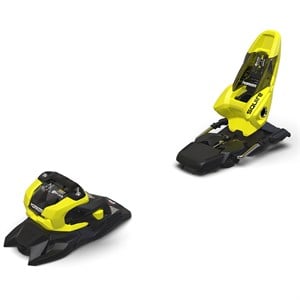
- DIN Range: 3-11
- Toe Piece: Triple Pivot Light 2 Toe with an Anti-Ice Rail.
- Heel Piece: Hollow Linkage 2 Heel for easier step-in.
- Boot Sole Compatibility: Alpine DIN (ISO 5355) and GripWalk (ISO 23223).
The Marker Squire 11 has long been a favorite for intermediate skiers, women, and lighter riders looking for a reliable and user-friendly binding. This updated version brings modern features to a proven design. The new Triple Pivot Light 2 toe piece features an innovative Anti-Ice Rail, a simple yet effective metal plate that lets you scrape off snow and ice from your boot sole before clicking in, ensuring a clean and secure connection. This toe piece is also ready for both traditional alpine and GripWalk boot soles, offering versatile compatibility for a range of modern ski boots. The Stainless Steel AFD Gliding Plate is a key feature, supporting a precise release that isn’t hindered by packed snow or dirt, which is crucial for safety and consistent performance on the mountain.
Marker has also improved the step-in experience with the new Hollow Linkage 2 heel, which reduces the step-in force by 30%. This makes it much easier to click into your bindings, especially with GripWalk boots. With a DIN range of 3-11, the Squire 11 is well-suited for a wide array of skiers, providing a safe and effective release. The 24mm stand height is relatively low, giving you a good feel for the snow and enhancing power transmission. The Squire 11 is a fantastic choice for those who need a dependable binding without the high DIN range and weight of a pro-level model. Its combination of improved functionality, a user-friendly design, and a solid build makes it a smart choice for all-mountain skiers who are looking to progress.
Pros: User-friendly step-in, versatile boot compatibility, effective Anti-Ice Rail, and reliable release performance.
Cons: Lower DIN range may not be suitable for heavier or more aggressive skiers.
2. Marker Griffon 13 ID
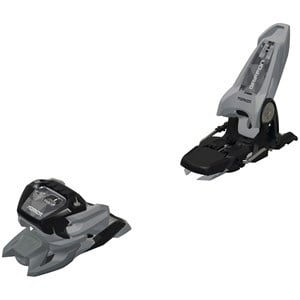
- DIN Range: 4-13
- Toe Piece: Triple Pivot Elite 3 Toe with an Anti-Ice Rail.
- Heel Piece: Inter Pivot 3 Heel with magnesium bracket.
- Boot Sole Compatibility: Alpine DIN (ISO 5355), Alpine Touring (ISO 9523), Walk to Ride (WTR), and GripWalk (ISO 23223).
The Marker Griffon 13 ID is a favorite among freeriders and all-mountain skiers who demand a high-performance binding that can handle aggressive skiing without compromising on safety. The new Inter Pivot 3 heel piece is a significant upgrade, offering a much-improved step-in experience that addresses a common critique of previous models. This new heel, with its magnesium bracket, enhances power transmission and energy absorption, ensuring you stay connected and in control through high-speed turns and choppy snow. The Triple Pivot Elite 3 toe piece provides exceptional retention, with a horizontally inserted spring and a 5° inclined sole plate that absorbs energy to prevent early release, which is a crucial feature for anyone skiing in variable or challenging conditions.
A standout feature of the Griffon 13 ID is its Sole.ID technology, which makes it compatible with nearly every type of adult ski boot sole, including traditional alpine, GripWalk, and touring soles. This versatility is a major advantage for skiers who use multiple pairs of boots or who might switch between resort and backcountry skiing. The addition of the Anti-Ice Rail on the toe piece is another welcome improvement, making it easy to clear snow and ice before clicking in for a reliable connection. With a DIN range of 4-13 and a robust build, the Griffon 13 ID is a fantastic choice for advanced skiers who need a dependable, high-performance binding that is versatile enough to handle a variety of boots and conditions.
Pros: Excellent power transmission and retention, highly versatile boot compatibility (Sole.ID), and improved step-in performance with the new heel piece.
Cons: Stand height is slightly higher than some other bindings, which may affect the “close to snow” feel for some skiers.
3. Salomon Strive 14 GW
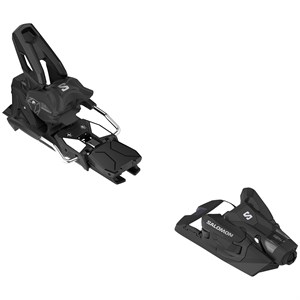
- DIN Range: 5-14
- Toe Piece: LDN Toe with a low center of gravity.
- Heel Piece: Locking Brakes for easy transport.
- Boot Sole Compatibility: Alpine DIN (ISO 5355) and GripWalk (ISO 23223).
The Salomon Strive 14 GW is a game-changer for all-mountain and freeride skiers who want a lightweight binding without sacrificing performance. Its revolutionary LDN (Low, Direct, Neutral) toepiece design places your boot incredibly close to the ski. This low center of gravity enhances power transmission and provides a direct, responsive feel for the snow, giving you an intuitive sense of control and a smoother on-snow experience. The wide base of the toe piece further optimizes power transfer, ensuring that your every movement is efficiently translated to the ski’s edges. Despite its light construction, the Strive 14 GW is reinforced with metal in key areas, giving it the durability needed to withstand aggressive skiing and big landings. The 45mm of elastic travel in the toe ensures that the binding can handle rough riding without unwanted pre-release.
The Strive 14 GW also includes several thoughtful features that make it a joy to use. The Automatic Toe Adaptation means the binding will adjust to your boot height, ensuring consistent release values even with worn-out boot soles. The Locking Brakes are a simple but brilliant addition, allowing you to clip your skis together easily for carrying over your shoulder without the brakes flopping around. With a DIN range of 5-14 and a focus on low-profile, direct performance, the Strive 14 GW sets a new standard for modern all-mountain bindings. It’s a perfect choice for advanced and expert skiers who are looking for a light, responsive, and powerful binding that enhances their connection to the snow.
Pros: Low profile for excellent snow feel, direct power transmission, lightweight and durable construction, and convenient locking brakes.
Cons: Lacks the traditional turntable heel of some competitors, which some skiers may prefer for its elastic travel.
4. Look Pivot 12 GW
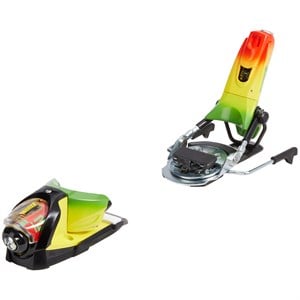
- DIN Range: 4-12
- Toe Piece: Full Action Toe with 45mm of lateral elasticity.
- Heel Piece: Turntable Heel with 28mm of vertical elasticity.
- Boot Sole Compatibility: Alpine DIN (ISO 5355) and GripWalk (ISO 23223).
The Look Pivot 12 GW offers the legendary performance of the Pivot series in a more accessible DIN range, making it a fantastic choice for intermediate to advanced skiers. This binding is a testament to the idea that you don’t need the highest DIN to get top-tier features. The hallmark of the Pivot series is its turntable heel, which rotates directly under the tibia, significantly reducing the risk of injury in a fall. This design also provides an incredible 28mm of vertical elastic travel, the most on the market, which translates to unmatched shock absorption and a dramatic reduction in unwanted pre-releases. Combined with the 45mm of elasticity in the Full Action toe piece, the Pivot 12 GW provides a secure, consistent, and forgiving connection to your skis, allowing you to charge with confidence.
Just like its higher-DIN siblings, the Pivot 12 GW features a shortened mounting zone. This design minimizes the binding’s impact on the ski’s natural flex, allowing it to bend and arc more smoothly for a deeper, more consistent carve. This also reduces swing weight, making your skis feel more agile and easier to maneuver in tight spots. The 7 points of contact between the binding and your boot ensure that every bit of energy is efficiently transmitted to the ski’s edges, providing superior control and a great feel for the snow. For skiers who appreciate classic, bombproof design and prioritize elasticity and safety, the Pivot 12 GW delivers premium performance without the need for a higher DIN setting. It’s a durable, reliable binding that will inspire confidence on any terrain.
Pros: Exceptional elasticity and shock absorption, proven turntable heel design for safety, and a shorter mounting zone that preserves ski flex.
Cons: A bit heavier than some other bindings in its class, and the turntable heel design may not be for everyone.
5. Marker Jester 16 ID
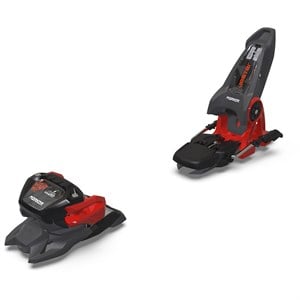
- DIN Range: 6-16
- Toe Piece: Triple Pivot Elite 3 Toe with magnesium arms.
- Heel Piece: Inter Pivot 3 Heel with magnesium bracket.
- Boot Sole Compatibility: Alpine DIN (ISO 5355), GripWalk (ISO 23223), and Alpine Touring (ISO 9523).
The Marker Jester 16 ID is a top-tier binding designed for freeride professionals and aggressive skiers who demand the highest level of performance and durability. With a DIN range from 6 to 16, this binding is built to withstand extreme forces and high-speed impacts without pre-releasing. The heart of the Jester’s performance lies in its robust Triple Pivot Elite 3 toe and the Inter Pivot 3 heel. The toe piece, with its cast magnesium arms, provides exceptional retention and power transmission, ensuring you remain securely connected to your skis no matter how hard you push them. The new generation Inter Pivot 3 heel offers an improved step-in experience and features a magnesium heel bracket for maximum energy absorption and power transfer, which is crucial for maintaining control in challenging conditions.
A key feature of the Jester 16 ID is its Sole.ID technology, which allows the binding to be adjusted to accommodate almost every adult ski boot sole norm. This includes traditional Alpine, GripWalk, and even Alpine Touring soles, making it incredibly versatile for skiers who might use different boots for different disciplines. The AFD (Anti Friction Device) is designed to ensure a precise and consistent release, even with dirt, snow, or ice buildup. This binding is the go-to choice for skiers who spend their days charging hard, whether in the park, tackling big mountain lines, or skiing at warp speed. Its bomber construction and reliable performance make it a favorite for those who simply can’t afford binding problems when they’re pushing their limits.
Pros: Extremely durable and robust construction, high DIN range for aggressive skiing, versatile Sole.ID compatibility, and excellent retention.
Cons: The high DIN range is overkill for most recreational skiers, and the binding is heavier than other options.
6. Look Pivot 15 GW
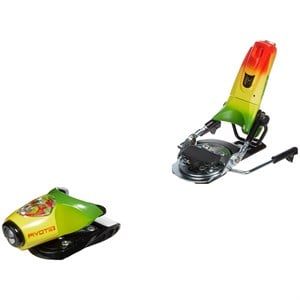
- DIN Range: 6-15
- Toe Piece: All-metal RACE toe piece with 45mm of elasticity.
- Heel Piece: Turntable Heel with 28mm of vertical elasticity.
- Boot Sole Compatibility: Alpine DIN (ISO 5355) and GripWalk (ISO 23223).
The Look Pivot 15 GW is the binding that many skiers have been asking for: it combines the bulletproof, all-metal construction of the legendary Pivot 18 with a more practical DIN range for the majority of advanced and expert skiers. This binding offers the best of both worlds—the durability and performance of a pro-level binding, without the unnecessarily high DIN setting. The all-metal RACE toe piece provides maximum power transmission and precision, along with 45mm of elastic travel that keeps you locked in through intense G-forces and big impacts. This, combined with the 180° multi-directional release, provides an outstanding level of safety and retention, allowing the toe to release independently from the heel for the most effective protection in a fall.
The hallmark Turntable Heel provides a whopping 28mm of vertical elastic travel, the most on the market, which is crucial for absorbing shocks and preventing pre-release on challenging terrain. The binding’s shortened mounting zone is another key feature, as it minimizes its footprint on the ski. This allows the ski to flex more naturally and consistently, improving response and feel. The 7 points of contact ensure that energy is transferred efficiently from your boot to the ski’s edge, giving you superior control and a heightened sense of the snow. The Pivot 15 GW is an ideal choice for hard-charging freeriders and all-mountain rippers who want the best possible performance, durability, and a bombproof design that they can trust in any situation.
Pros: All-metal construction for maximum durability, exceptional elastic travel, and a shorter mounting zone that enhances ski flex.
Cons: A premium price tag, and the all-metal construction makes it a heavier option.
7. Atomic Strive 14 GW
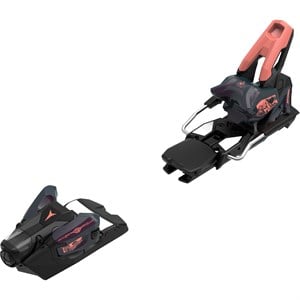
- DIN Range: 5-14
- Toe Piece: LDN Toe (Low, Direct, Neutral) for a low profile.
- Heel Piece: Locking Brakes for easy transport.
- Boot Sole Compatibility: Alpine DIN (ISO 5355) and GripWalk (ISO 23223).
The Atomic Strive 14 GW is a lightweight yet incredibly powerful binding designed to deliver maximum performance for aggressive all-mountain skiers. Its core philosophy revolves around a low center of gravity and direct power transmission, achieved through the innovative LDN (Low, Direct, Neutral) toe piece. This design places the skier closer to the ski, providing a more intuitive feel for the snow and enhancing your ability to control the ski with precision. The wide base of the toe piece ensures efficient energy transfer to the ski’s edges, making for a smooth and responsive ride. Despite its light construction, the binding is reinforced with metal in key areas, giving it the durability to handle big impacts and high speeds without fail. The 45mm of elastic travel in the toe piece is a crucial feature, preventing unwanted pre-releases and ensuring you stay in your bindings when you need to.
The Strive 14 GW also comes with several practical features that enhance its usability. The Automatic Toe Adaptation automatically adjusts to your boot height, ensuring consistent release values and reliable performance with a variety of boots, including those with worn soles. The Locking Brakes are a simple but genius addition, allowing you to lock the brakes together when carrying your skis, which prevents them from rattling and makes transport much easier. With a DIN range of 5-14, the Strive 14 GW is perfectly suited for advanced and expert skiers looking for a binding that offers a powerful, direct feel, reliable release, and a lightweight build. It’s a great option for anyone looking to up their game on the mountain.
Pros: Low profile for superior snow feel, direct power transmission, lightweight design with key metal reinforcements, and a reliable release system.
Cons: May not be as durable as all-metal bindings like the Look Pivot or Marker Jester for the most demanding skiers.
8. Marker Squire 11
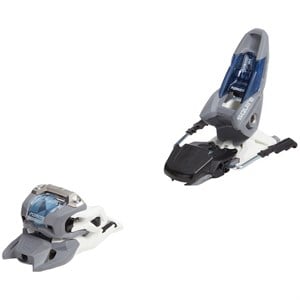
- DIN Range: 3-11
- Toe Piece: Triple Pivot Light 2 Toe with an Anti-Ice Rail.
- Heel Piece: Hollow Linkage 2 Heel for easier step-in.
- Boot Sole Compatibility: Alpine DIN (ISO 5355) and GripWalk (ISO 23223).
The Marker Squire 11 has earned its reputation as a go-to binding for a wide range of skiers, particularly those who are intermediate, lighter, or simply don’t need the high DIN range of pro-level bindings. The updated design features a modern Triple Pivot Light 2 toe piece that is compatible with both standard alpine and GripWalk boot soles, providing great versatility. A simple but effective addition is the Anti-Ice Rail, a metal plate on the toe that allows you to scrape off snow and ice from your boot sole, ensuring a clean and secure connection every time you click in. The Stainless Steel AFD Gliding Plate is another key component, ensuring a precise and consistent release that isn’t compromised by snow or dirt buildup, which is a major factor in binding safety.
The most notable improvement in this new version is the Hollow Linkage 2 heel piece. Marker has engineered it to reduce the step-in force by 30%, making it significantly easier to get into your bindings, especially with GripWalk boots. This user-friendly feature makes the Squire 11 a great choice for skiers who want a hassle-free experience. With a DIN range of 3-11 and a stand height of 24mm, the binding provides a good balance of performance and comfort. It’s a reliable, durable, and affordable binding that serves as an excellent solution for skiers who are progressing their skills and need a binding that is both safe and easy to use without being overly heavy or complex.
Pros: Improved and easier step-in, versatile boot compatibility, effective anti-ice feature, and a great value for the price.
Cons: The lower DIN range is not suitable for advanced or aggressive skiers, and it lacks the higher-end features of more expensive models.
9. Look Pivot 14 GW
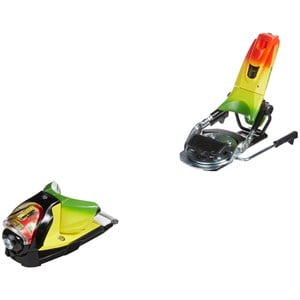
- DIN Range: 5-14
- Toe Piece: Full Action Toe with 45mm of elasticity and 180° multi-directional release.
- Heel Piece: Turntable Heel with 28mm of vertical elasticity.
- Boot Sole Compatibility: Alpine DIN (ISO 5355) and GripWalk (ISO 23223).
The Look Pivot 14 GW is a true legend in the world of ski bindings, revered by skiers who prioritize reliability and performance. Its design, centered around the iconic turntable heel, is engineered to provide unmatched retention and shock absorption. The 28mm of vertical elasticity in the heel—more than any other binding on the market—significantly reduces unwanted pre-releases, keeping you locked in through variable terrain and hard landings. This, combined with the 45mm of elastic travel in the Full Action toe piece, ensures a consistent and secure connection between your boot and ski, which translates to superior power transmission and control. The 180° multi-directional release of the toe also offers a high level of protection in the event of a fall, as it can release independently from the heel.
What sets the Pivot 14 GW apart is its commitment to maintaining the natural flex of the ski. The shortened mounting pattern creates a smaller mounting zone, which allows the ski to arc and flex more freely underfoot. This design also reduces swing weight, making the skis feel lighter and more responsive. The 7 points of contact between the boot and binding enhance lateral energy transmission, driving more power to the ski’s edges for better control and a more intuitive feel. While the price may be higher than some alternatives, for dedicated skiers who value bombproof security and a classic, trusted design, the Pivot 14 GW is an investment that pays off in confidence and on-hill performance.
Pros: Unmatched elasticity and shock absorption, legendary reliability, excellent multi-directional release, and a design that enhances the ski’s natural flex.
Cons: Higher price point, and the turntable heel design may take some getting used to for new users.
How to Choose Freestyle Ski Bindings?
Choosing the right freestyle ski bindings is a critical decision that directly impacts your safety, performance, and confidence in the park and pipe. Unlike standard alpine bindings, freestyle bindings are engineered with specific features to handle the unique demands of tricks, rails, and jumps. They are built to absorb huge impacts, provide a secure connection for tricks, and offer reliable release when it matters most. With a variety of brands and models on the market, understanding the key factors is essential to finding the perfect match for your skiing style. This guide will walk you through the most important considerations, from DIN settings to toe and heel piece design, to help you make an informed decision.
Understanding DIN Settings and Release Values
The DIN setting, or Release Value, is the most crucial number on your binding. It determines the amount of force required to release your boot from the binding in a fall. While it’s tempting to set a high DIN for “security,” this can be dangerous. A DIN that is too high prevents the binding from releasing, leading to a higher risk of injury, particularly to the knees. A DIN that is too low can lead to unwanted pre-releases, which can be just as dangerous. Your DIN setting is calculated based on several factors, including your weight, height, age, skier ability, and boot sole length. For freestyle skiers, there’s a common misconception that a higher DIN is always better. However, a properly calculated DIN is the safest approach. The key is to find a binding with a DIN range that comfortably includes your calculated number and allows you to adjust it up or down slightly as your skills evolve.
Choosing the Right DIN Range
Most freestyle-specific bindings come with a DIN range suitable for a wide range of skiers. For example, a binding with a 4-13 DIN range is perfect for most intermediate to advanced park skiers, while a 6-16 or higher range is typically reserved for pros and elite-level riders who are hitting massive jumps and rails. The most important thing is to ensure your calculated DIN falls somewhere in the middle of the binding’s range. This gives you a buffer on both the low and high ends, ensuring optimal performance and safety. Avoid bindings where your DIN falls on the very edge of the range, as this can compromise the binding’s ability to function properly.
Toe and Heel Piece Design
The design of the toe and heel pieces is where freestyle bindings truly differentiate themselves. They are built for maximum elasticity and shock absorption to handle the repeated, high-impact landings that are a daily part of park skiing. Elasticity refers to the amount of travel the binding has before it releases. The more elastic travel a binding has, the more it can absorb impacts and vibrations without an unwanted release, keeping you locked in when you need to be. This is a crucial feature for preventing pre-releases on bumpy run-ins or hard landings from jumps.
Toe Piece
Look for toe pieces that offer a high degree of elastic travel and multi-directional release. For instance, the Look Pivot’s Full Action Toe provides 45mm of elasticity and a 180° multi-directional release. This means it can release in any direction—up, sideways, and even diagonally—for maximum safety. Other brands, like Marker with its Triple Pivot Elite toe and Salomon with its LDN toe, also prioritize energy absorption and a secure connection. Some high-end freestyle bindings also feature all-metal toe pieces for enhanced durability and precision, which is a major advantage for skiers who are hard on their gear.
Heel Piece
The heel piece is equally important for freestyle performance. The most notable feature in this category is the turntable heel, famously used by Look. This design rotates directly under the tibia, providing a high degree of vertical elasticity (up to 28mm) and shock absorption. The turntable design also reduces the risk of knee injuries by releasing more naturally. While the turntable is a standout, many other brands have developed their own high-performance heel pieces. Marker’s Inter Pivot heel, for example, is known for its robust construction and excellent energy transmission. When evaluating a heel piece, look for features that enhance shock absorption and a secure, consistent hold, as this is where most of the force from landings is absorbed.
Binding Mount Pattern and Stance
The mounting pattern of the binding on the ski also plays a significant role in freestyle performance. Unlike traditional alpine bindings that are mounted in a forward position, freestyle bindings are typically mounted in a more centered position. This “center mount” or “true center” position is crucial for freestyle skiing because it creates a balanced swing weight, making it easier to spin and perform tricks in the air. A more centered stance also allows you to ski and land switch (backwards) with greater confidence and control.
Choosing Your Mount Point
Most twin-tip skis have a recommended freestyle mount point that is slightly forward of true center. This is a great starting point for most skiers as it provides a good balance between park and all-mountain performance. However, if you spend most of your time in the park and rarely ski switch, you might prefer a slightly more traditional mount point. For dedicated park skiers who are constantly spinning and hitting features, a true center mount is often the best choice. This symmetrical setup makes switch skiing feel just like regular skiing, which is essential for mastering advanced tricks. The binding’s design itself also contributes to this. Look bindings, for example, are known for having a short mounting zone, which allows the ski to flex more naturally and improves swing weight, a major benefit for freestyle riders.
Compatibility and Additional Features
Before you commit to a binding, you must check its compatibility with your ski boots. The most common boot sole norms are Alpine DIN (ISO 5355), GripWalk (ISO 23223), and Alpine Touring (ISO 9523). Many modern bindings, like the Marker Griffon ID, feature Sole.ID technology, which allows them to be easily adjusted to fit any of these sole types. This versatility is a huge plus if you use multiple pairs of boots or are considering getting a pair of touring boots in the future. Always double-check that your bindings are compatible with your boots to ensure a safe and secure connection.
Key Features to Look For
- Low Profile: A low stand height brings your boot closer to the ski, enhancing your feel for the snow and improving power transmission. Bindings like the Salomon Strive series are a prime example of this design philosophy.
- Durability: Freestyle bindings take a beating. Look for bindings with metal components and a sturdy construction that can withstand repeated impacts.
- Anti-Ice Rail: This simple but effective feature, found on some Marker bindings, allows you to scrape ice off your boot sole, ensuring a clean step-in.
- Brake Width: Ensure the binding’s brake width is slightly wider than your ski’s waist width (no more than 15mm wider) to avoid dragging and ensure a proper fit.
Conclusion
Choosing freestyle ski bindings is about more than just a brand name; it’s about selecting a tool that is specifically engineered for the unique demands of park and pipe skiing. Prioritize safety by getting your DIN calculated correctly and choosing a binding with the right range. Look for features like high elastic travel and multi-directional release that provide both retention and protection. Finally, consider your personal skiing style and preferred mount point to find a binding that feels like a natural extension of your skis. By paying attention to these details, you can select a binding that will not only keep you safe but also help you push your limits and land every trick with confidence.