Best Ski Mountaineering Helmets of 2026
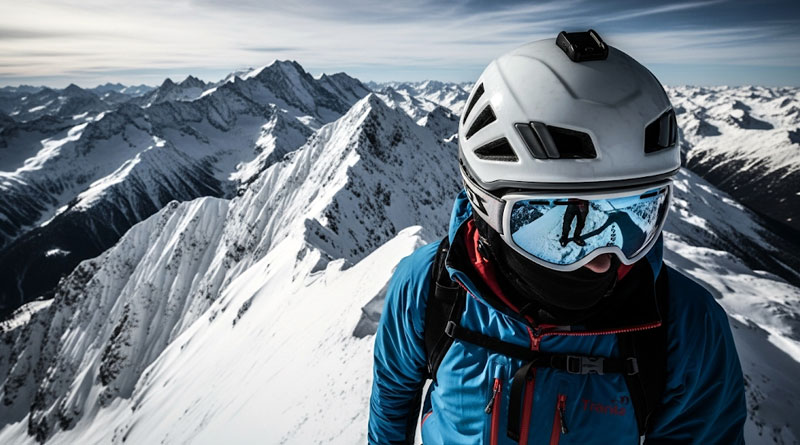
When heading into the mountains for ski mountaineering, safety should always come first, and a good helmet is one of the most important pieces of gear you can own. Unlike regular ski helmets, ski mountaineering helmets are built to handle a variety of conditions, from steep climbs to fast descents, while staying lightweight and breathable. They are designed to protect against both falling rocks and crashes on the snow. Choosing the right helmet can feel overwhelming, but the best ski mountaineering helmets combine comfort, protection, and versatility to keep you safe on every adventure in the high mountains.
1. Smith Vantage MIPS
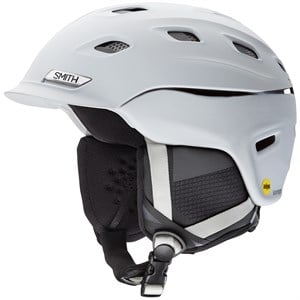
- Weight: 500 g
- Shell Construction: Hybrid SL (ABS hardshell top + in-mold lower)
- Ventilation: 21 adjustable vents with dual regulator climate control
- Safety: MIPS® equipped; ASTM F 2040, CE EN 1077:2007 Class B certified
The Smith Vantage MIPS is a top-tier ski helmet designed for serious skiers who demand peak performance, safety, and comfort. Its hybrid shell construction features a durable ABS hardshell on top and a lightweight in-mold lower, creating a perfect balance of protection and a low-profile feel. The helmet’s advanced Aerocore™ construction, with Koroyd® zones, not only adds superior impact absorption but also boosts airflow, keeping you cool on intense runs. With its 21 adjustable vents and a dual regulator system, you can easily fine-tune your temperature, and the AirEvac™ system ensures your goggles stay fog-free all day long.
One of the Vantage’s standout features is its fit. The BOA® FS360 system provides a secure, full-head adjustment, making it incredibly comfortable for extended sessions on the slopes. While the fit is excellent, it’s worth noting that the helmet can pack out over time, so consider that when choosing your size. The ear pads are generally warm, though they may not provide full coverage in very cold conditions. Despite this minor point, the Vantage MIPS is a highly recommended helmet that delivers a secure fit, reliable protection, and a stylish look that performs in all conditions.
Pros
- Superb fit system with BOA® FS360
- Excellent ventilation with 21 adjustable vents
- High-level safety features including MIPS and Koroyd®
- Stylish design and color options
Cons
- Ear pads could offer more coverage
- Sizing may be tricky for in-between head sizes
2. OutdoorMaster Kelvin
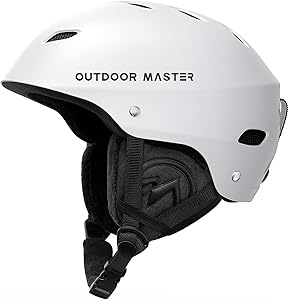
- Construction: Reinforced ABS shell with shock-absorbing EPS core
- Ventilation: 14 individual vents for airflow
- Fit System: Adjustable size dial with removable fleece liner and ear pads
- Color Options: Available in 22 matte finish color combinations
The OutdoorMaster Kelvin offers an impressive blend of safety, comfort, and value. Its reinforced ABS shell and shock-absorbing EPS core provide dependable protection while keeping the helmet lightweight and easy to wear all day. The 14 individual vents ensure steady airflow to prevent overheating, making it a solid choice for long sessions on the slopes. With a wide array of 22 matte finish color options, you can easily find a style that matches your gear. The practical design also includes a removable and washable fleece liner and ear pads, which makes maintenance simple and keeps the helmet feeling fresh.
Based on testing with several different head shapes, the Kelvin fits well, though it tends to run a bit small and shallow. For some riders, it may not extend down far enough to fully cover the ears, which is something to be mindful of since the depth isn’t adjustable. For the best fit, it’s essential to measure your head carefully and consider sizing up if you’re between sizes. Despite these sizing quirks, the Kelvin is an excellent, budget-friendly helmet that provides great performance and features for its price. It’s a reliable option for riders looking for solid protection without a huge investment.
Pros
- Lightweight but durable construction
- Great ventilation for long ski days
- Attractive color variety in matte finishes
- Removable, washable liner and ear pads
Cons
- Helmet runs small—sizing can be off
- Doesn’t always cover ears fully on taller heads
See the OutdoorMaster Kelvin See the Kelvin II
3. Giro Ledge MIPS
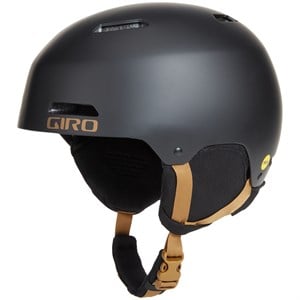
- Construction: Hard Shell with EPS foam liner
- Ventilation: Stack Ventilation + Super Cool™ vents
- Fit System: Auto Loc™ 2 with Vertical Tuning
- Safety: MIPS® Technology; CE EN1077B certified
The Giro Ledge MIPS is a rugged and reliable helmet built for durability and advanced protection. Its hard shell construction is designed to withstand a beating, making it a great choice for park riders and all-mountain skiers. The integrated MIPS system adds an extra layer of safety by reducing rotational forces during angled impacts. Despite its tough exterior, the Ledge MIPS is surprisingly comfortable thanks to the Auto Loc™ 2 fit system, which provides a snug, customizable fit. The helmet’s Stack Ventilation aligns with goggle vents to prevent fogging, while the Super Cool™ vents help regulate your temperature throughout the day.
This helmet performs exceptionally well in a variety of conditions, from high-speed runs to cold, windy days. It’s a warm, well-built, and affordably priced option that gives riders the confidence to push their limits. The removable ear pads and goggle retainer offer added versatility, allowing you to customize the fit and feel. The helmet also integrates seamlessly with Giro goggles for a clean, cohesive look. For anyone seeking a high-quality, no-frills helmet that delivers solid brain protection and comfort, the Ledge MIPS is a fantastic choice that won’t break the bank.
Pros
- MIPS® offers advanced head protection
- Strong, durable shell for rugged use
- Excellent ventilation and goggle compatibility
- Great value at an affordable price
Cons
- Fixed vents may limit adjustability
- Audio system not included (sold separately)
4. Smith Method MIPS
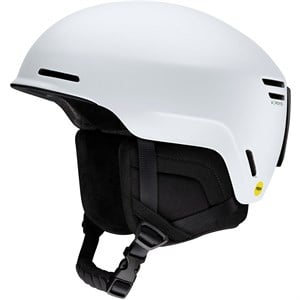
- Construction: Lightweight in-mold with zonal Koroyd® coverage
- Ventilation: 8 fixed vents with AirEvac™ ventilation system
- Fit System: Self-adjusting Lifestyle Fit System
- Safety: MIPS® Technology; ASTM F 2040 / CE EN 1077:2007 CLASS B certified
The Smith Method MIPS is a stylish and lightweight helmet that doesn’t compromise on safety. Inspired by popular models like the Maze, it features a sleek in-mold construction combined with zonal Koroyd® to provide exceptional impact absorption and enhanced airflow. The MIPS system offers added protection against rotational forces, making it a smart choice for riders prioritizing safety. With 8 fixed vents and the AirEvac™ system, the helmet maintains a comfortable temperature and prevents goggle fogging, even on active days. The Method’s minimalist design and clean shell give it a modern look that’s perfect for riders who value both style and performance.
Comfort is a key highlight of this helmet. The self-adjusting Lifestyle Fit System gently molds to your head for a comfortable, pressure-free fit. While the fit system itself can feel a bit flimsy, it works well once adjusted and most users won’t need to tweak it often. The ear pads are soft, warm, and easily removable, providing flexibility for different conditions. The helmet’s seamless integration with Smith goggles is a major plus, as is the removable goggle strap lock. For its low-profile feel, reliable safety features, and sleek aesthetic, the Method MIPS is a fantastic choice for any rider.
Pros
- Excellent impact protection with Koroyd® and MIPS
- Lightweight and comfortable fit
- Great airflow and goggle compatibility
- Sleek, stylish design
Cons
- Fit system feels fragile
- Vents are not adjustable
5. Smith Holt
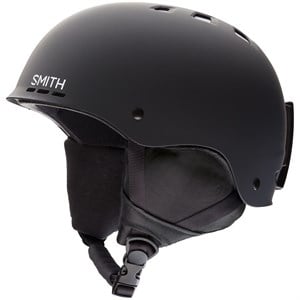
- Construction: Bombshell ABS shell with EPS liner
- Ventilation: 14 fixed vents with AirEvac™ climate control system
- Weight: 550 g
- Certification: ASTM F 2040, CE EN 1077:2007 Class B, CPSC, CE EN 1078
The Smith Holt is a durable, versatile, and budget-friendly helmet that’s built to last. Its robust Bombshell ABS outer shell provides excellent impact protection and resists dents and cracks, making it a reliable choice for active riders. With 14 fixed vents and the AirEvac™ system, the helmet effectively regulates temperature and prevents goggle fogging, keeping you comfortable during any activity. A key feature of the Holt is its convertible pad kit, which allows for seamless use across different seasons and sports. This makes it an ideal all-year helmet, whether you’re hitting the slopes or riding trails in the summer.
This helmet provides a snug and comfortable fit, especially when paired with a thin skull cap. It stays securely in place without feeling restrictive and fits well under a jacket hood. While it doesn’t have a built-in audio system, the design accommodates regular earbuds comfortably. The matte gray finish is clean and subtle, and the helmet pairs seamlessly with various goggle brands. The Holt is a solid choice for riders who want dependable performance without a high price tag. Just be sure to try it on to confirm the sizing, as the best fit often comes from an in-store test rather than a size chart alone.
Pros
- Durable construction handles tough impacts
- Convertible for all-season use
- Great ventilation and goggle compatibility
- Affordable without sacrificing quality
Cons
- No MIPS protection
- Fixed vents can’t be adjusted for changing conditions
6. Giro Emerge Spherical MIPS
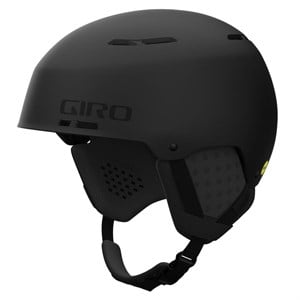
- Construction: Hard Shell with dual-density EPP foam (D² Construction)
- Safety System: MIPS® Spherical Technology for rotational impact protection
- Ventilation: Stack Ventilation + SuperCool™ vents
- Fit System: Stash Fit System with customizable padding options
The Giro Emerge Spherical MIPS is a high-tech helmet designed for freestyle and all-mountain riders who want top-tier safety. It features Giro’s innovative MIPS® Spherical system, which uses a ball-and-socket design with dual-density EPP foam to reduce rotational forces. This advanced construction eliminates the need for a traditional MIPS liner, resulting in a cleaner, more integrated design. The EPP foam is particularly resilient, providing better performance after multiple impacts—a crucial benefit for riders who often push their limits. Coupled with Stack and SuperCool™ vents, the helmet keeps you cool while preventing goggle fogging, making it ideal for high-intensity riding.
While the Emerge lacks a traditional adjustable fit dial, it offers a solid and comfortable fit out of the box. The Stash Fit System allows you to customize the fit using different padding options, which provides a tailored feel. The helmet’s minimalist design includes removable ear pads and a goggle strap retainer, giving you the flexibility to wear a beanie or keep your goggles on the outside. Though the features are basic for its price point, the Emerge is a reliable helmet with exceptional protection and a comfortable feel. It’s an excellent choice for serious riders who prioritize safety tech over unnecessary frills.
Pros
- MIPS® Spherical offers top-tier impact protection
- EPP foam handles multiple impacts better than EPS
- Excellent ventilation with Stack and SuperCool™ vents
- Custom padding system for a tailored fit
Cons
- No adjustable fit dial
- Slightly basic design and features for the price
7. Oakley MOD 1
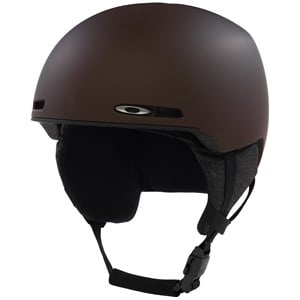
- Construction: Lightweight in-mold shell
- Fit System: FS1-1 BOA® with 360° height adjustability
- Ear Pads: No-Pressure design; removable
- Buckle: FIDLOCK® magnetic buckle for easy glove-friendly use
The Oakley MOD 1 is a sleek, low-profile helmet that blends minimalist style with high-end comfort features. Its lightweight in-mold construction keeps the helmet feeling barely there while still providing solid protection for park and recreational riders. The FS1-1 BOA® fit system is a standout, offering precise 360° adjustability and height tuning for a secure, customized fit. A truly convenient feature is the FIDLOCK® magnetic buckle, which snaps into place effortlessly, even when you’re wearing thick gloves. While the MOD 1 doesn’t include MIPS, its durable construction and smart design make it a reliable choice for everyday use on the mountain.
Comfort is where the MOD 1 really shines. The “no-pressure” ear pads are a game-changer, providing warmth without compressing your ears or muffling sound. The adjustable BOA® system offers a better, more tailored fit than some other minimalist helmets on the market. If you prefer to remove the liner and wear a beanie, you’ll notice the exposed BOA® rope system, but this is a minor detail. Overall, the clean design, matte finishes, and glove-friendly features make the MOD 1 an excellent option for skiers and snowboarders who appreciate simplicity, style, and effective functionality.
Pros
- Lightweight and low-profile design
- Comfortable BOA® fit system with full adjustability
- Magnetic FIDLOCK® buckle is quick and glove-friendly
- Ear pads are soft, warm, and don’t apply pressure
Cons
- No MIPS protection
- BOA® system feels a bit exposed without inner liner
How to Choose Ski Mountaineering Helmets
Ski mountaineering demands a unique blend of alpine climbing and downhill skiing. Unlike resort skiing, where a heavy, warm helmet is the norm, ski mountaineering requires a helmet that balances protection with extreme weight savings, breathability, and versatility. A helmet that works for lift-served skiing will likely be too hot and heavy for the uphill skin track, while a pure climbing helmet may lack the impact coverage needed for high-speed descents. Choosing the right helmet is a critical decision that affects your safety, comfort, and performance. This guide will walk you through every consideration, from safety certifications to fit and features.
Why a Dedicated Ski Mountaineering Helmet?
Many newcomers to the sport ask, “Can I just use my climbing helmet or my resort ski helmet?” The short answer is: you can, but you shouldn’t. A dedicated ski mountaineering helmet is engineered for the specific demands of the activity.
The Problem with Resort Helmets
Resort helmets are designed for maximum warmth and durability. They are often heavy, heavily insulated, and lack the ventilation required for the intense cardiovascular effort of skinning uphill. Wearing a resort helmet on a long tour can lead to dangerous overheating, causing you to sweat profusely, which then freezes on the descent. Furthermore, the bulk and weight can cause neck fatigue.
The Problem with Climbing Helmets
Climbing helmets are incredibly lightweight and breathable, but they are primarily designed to protect against falling objects (like rockfall) from above. They offer limited side and rear impact protection, which is crucial for skiing, where you can catch an edge and slam your head sideways into the snow or a tree. Most climbing helmets also lack the insulation and ear coverage needed for cold, windy descents.
The Goldilocks Solution
A ski mountaineering helmet is the “just right” compromise. It is lighter and more ventilated than a resort helmet but offers more coverage and impact protection than a climbing helmet. It is designed to be worn for the entire tour—up and down—without needing to be taken off and strapped to your pack.
Safety Certifications: The Non-Negotiable Baseline
Before you look at features or price, you must ensure your helmet meets recognized safety standards. There are two main standards for snow sports helmets, and a third for climbing. A true ski mountaineering helmet should meet both snow sports and climbing standards, or at least the snow sports standard with a strong emphasis on side impact protection.
| Standard | Region | What it Tests | Why it Matters for Ski Mountaineering |
|---|---|---|---|
| EN 1077 | Europe | Impact absorption, penetration resistance, and retention system strength for snow sports. | This is the primary standard. Class B (ear coverage) is recommended over Class A (no ear coverage) for colder conditions. |
| ASTM F2040 | USA | Similar to EN 1077, testing for impact attenuation and retention. | The US equivalent. Look for this if you are buying in North America. |
| EN 12492 / UIAA 106 | Europe / International | Climbing helmets: impact from above, penetration, and retention. | Indicates the helmet is lightweight and breathable enough for climbing. Not a substitute for snow sports certification. |
Some premium helmets carry both EN 1077 and EN 12492 certifications. These are the most versatile options, as they are legally approved for both skiing and climbing. Always check the label inside the helmet.
Core Design & Construction
In-Mold vs. Hard-Shell Construction
In-Mold Construction: This is the most common construction for modern ski mountaineering helmets. The outer polycarbonate shell is fused directly to the EPS (expanded polystyrene) foam liner during the molding process. This creates a lighter, thinner, and better-ventilated helmet. The trade-off is that in-mold helmets are more susceptible to dents and dings from rough handling.
Hard-Shell Construction: A separate ABS plastic shell is glued or taped to the EPS foam. These are heavier and bulkier but offer superior durability. They are a good choice if you are hard on your gear or frequently fly with your helmet packed in a duffel bag.
Foam Liners: EPS vs. EPP
- EPS (Expanded Polystyrene): The industry standard. It is a rigid foam that crushes upon impact to absorb energy. It is lightweight and cheap, but it is a “one-hit” material. After a significant impact, the helmet must be replaced.
- EPP (Expanded Polypropylene): A more resilient foam that springs back to its original shape after impact. It can withstand multiple impacts, making it ideal for helmets that might be used for climbing (where rockfall is a risk). EPP is heavier and more expensive than EPS.
- Hybrid Liners: Some high-end helmets use a combination of EPS and EPP to optimize weight, cost, and multi-impact performance.
MIPS and Other Rotational Impact Systems
Traditional helmets are tested for straight-on impacts. However, most real-world falls involve rotational forces, which can cause concussions. MIPS (Multi-Directional Impact Protection System) is a low-friction layer inside the helmet that allows the head to slide relative to the shell during an angled impact. This reduces rotational motion. Other systems like SPIN (from POC) or Kineticore (from Smith) achieve similar goals. While not strictly necessary, a helmet with a rotational impact system offers a significant safety advantage, especially for high-speed skiing.
Weight: The Gram Game
In ski mountaineering, every gram counts. A lighter helmet reduces neck fatigue on long tours and is less noticeable when worn for hours. However, there is a trade-off between weight, durability, and price.
| Weight Category | Typical Weight (Size M) | Best For | Trade-offs |
|---|---|---|---|
| Ultralight | 200–300g | Ski mountaineering races, fast and light missions, climbers who prioritize weight. | Less durable, minimal features, often in-mold only, less insulation. |
| Lightweight | 300–400g | Most ski mountaineering objectives, from day tours to multi-day traverses. | The sweet spot for most users. Good balance of weight, features, and protection. |
| Standard | 400–550g | Resort skiing, sidecountry, and ski mountaineers who prioritize durability and warmth. | Noticeably heavier on the uphill, can be too hot for intense exertion. |
For a dedicated ski mountaineering helmet, aim for the 300–400g range. This offers a good balance without breaking the bank or sacrificing too much protection.
Ventilation and Temperature Regulation
Overheating is the enemy of the uphill. A good ski mountaineering helmet will have adjustable ventilation.
- Fixed Vents: Always open. Good for breathability but can be cold on windy descents.
- Adjustable Vents: Sliders or plugs that allow you to open or close the vents. This is the most versatile option. Open them on the skin track, close them for the descent.
- Channeled Ventilation: Internal channels in the foam that draw air over the head and out the rear vents. This is more effective than simple holes.
Look for a helmet with large, adjustable vents. Some helmets also have a removable liner or ear pads, allowing you to customize warmth for different conditions.
Fit and Retention Systems
A helmet only works if it fits correctly and stays in place. A poorly fitting helmet can be uncomfortable and, worse, can come off in a crash.
The Fit Process
- Measure Your Head: Use a soft tape measure around the widest part of your head, about 1 inch above your eyebrows. Do this multiple times to ensure consistency.
- Try Before You Buy: Head shapes vary. A helmet that fits your friend perfectly may give you a headache. If buying online, choose retailers with good return policies.
- Check the Fit: The helmet should sit level on your head, low enough to protect your forehead but not so low that it blocks your vision. It should be snug but not painful. Shake your head vigorously—the helmet should not move independently of your scalp.
Retention Systems
Most ski mountaineering helmets use a dial-adjustable retention system at the back of the head (e.g., BOA, Spin, or a simple ratchet). This allows for micro-adjustments and ensures a secure fit even with a beanie or a thin balaclava underneath. The chin strap should be adjustable and padded. A good test is to open your mouth wide; the helmet should pull down slightly on your forehead.
Features to Look For
Ear Pads
Ear pads provide warmth and protect the ears from wind and cold. For ski mountaineering, look for soft, removable ear pads. You can leave them on for cold descents and remove them for the sweaty uphill. Some helmets have ear pads that are always attached but are thin and breathable.
Goggle Compatibility
Your helmet and goggles must work together. The helmet should have a goggle strap retainer (a small clip or band at the back) to keep the strap from sliding up. The front brim of the helmet should be shaped to sit flush with the top of your goggles, leaving no gap (which can cause brain freeze or fogging). Bring your goggles when trying on helmets.
Headlamp Attachment
For early morning starts or late finishes, you need a way to attach a headlamp. Most helmets have clips or elastic loops for a headlamp strap. This is a small but essential feature for ski mountaineering.
Audio Compatibility
Some helmets have built-in audio pockets or compatibility with aftermarket audio systems. This is a personal preference, but it adds weight and complexity. For most ski mountaineers, it’s unnecessary.
Price vs. Value
Ski mountaineering helmets range from around $80 to over $300. What do you get for the extra money?
- Budget ($80–$120): Basic in-mold construction, fixed or simple adjustable vents, standard EPS liner, no MIPS. Heavier and less breathable. Good for occasional use.
- Mid-Range ($120–$200): The sweet spot. Lighter weight, better ventilation, MIPS or similar rotational protection, removable ear pads. This is what most dedicated ski mountaineers should buy.
- Premium ($200–$350+): Ultralight materials (carbon fiber, advanced foams), hybrid construction, maximum ventilation, dual certifications (ski + climb), and the latest rotational impact systems. For weight weenies and professionals.
Summary: A Step-by-Step Selection Process
- Set Your Budget: Decide how much you are willing to spend. The mid-range offers the best value for most people.
- Determine Your Priorities: Are you a gram-counting ski mountaineering racer, or a weekend tourer who values durability and warmth? This will guide your weight and feature choices.
- Check Certifications: Ensure the helmet meets EN 1077 or ASTM F2040. A dual certification (EN 12492) is a bonus.
- Look for Rotational Protection: MIPS or similar technology is highly recommended.
- Evaluate Ventilation: Adjustable vents are a must for temperature regulation.
- Consider Weight: Aim for 300–400g for a good balance.
- Try It On: Fit is the most important factor. Wear it for 15–20 minutes in the shop to check for pressure points.
- Check Compatibility: Bring your goggles and headlamp to ensure they work with the helmet.
Choosing the right ski mountaineering helmet is an investment in your safety and enjoyment. A helmet that is comfortable, well-ventilated, and protective will allow you to focus on the line ahead, not on your head. Take the time to find the right one, and it will serve you faithfully for many seasons in the mountains.