Best Ski Mountaineering Skis of 2026
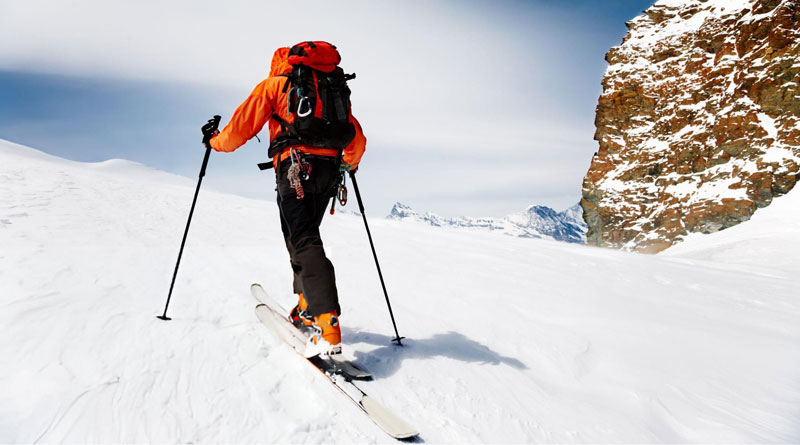
Ski mountaineering is an exciting sport that combines climbing and skiing, requiring gear that is lightweight, durable, and reliable. The most important part of your setup is your skis, as they need to handle both uphill climbs and downhill runs in changing snow conditions. The best ski mountaineering skis are designed to balance weight, stability, and performance, giving you confidence on steep ascents and control on tricky descents. In this guide, we’ll explore top skis that suit different skill levels and terrain, helping you find the right pair to make your ski mountaineering adventures safer and more enjoyable.
1. Season Lolo Pass
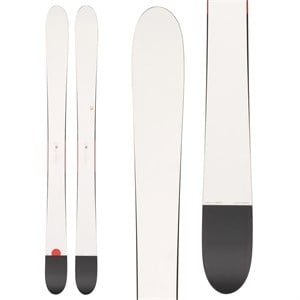
- Rocker Type: Entry Rocker / Directional Camber / Exit Rocker
- Core: Paulownia Wood
- Laminates: Carbon Fiber Reinforced Fiberglass
- Sidewalls: 360˚ ABS Sidewall
The Season Lolo Pass is designed for riders seeking versatility both inside and outside the resort. Its lightweight Paulownia core paired with carbon reinforcement offers an efficient uphill experience for backcountry missions, while the snappy flex provides the necessary backbone for demanding descents. Whether you are navigating tight trees or hunting fresh snow, this ski feels incredibly responsive and fast.
The float-forward shape encourages freestyle expression, making it a perfect choice for those who love launching backcountry booters or playing in natural terrain. While it excels in soft snow, it remains stable enough to handle variable conditions with ease. This is a reliable, high-performance daily driver for ambitious freeriders.
Pros: Excellent weight-to-performance ratio; great freestyle versatility.
Cons: Might feel slightly soft on very icy, high-speed terrain.
2. Black Crows Ova Freebird
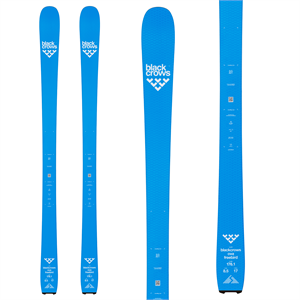
- Rocker Type: Front Rocker / Classic Camber
- Core: Paulownia
- Laminates: Mixed Glass and Carbon Fibers
- Waist Width: 85mm
The Black Crows Ova Freebird is a masterclass in touring efficiency and precision. With a traditional camber profile, this ski maintains excellent contact with the snow, providing powerful edge grip and stability during steep skin track ascents. The narrow waist makes it quick from edge to edge, which is invaluable when navigating tight, technical chutes or long, winding backcountry approaches.
You will appreciate the consistent flex pattern that offers a forgiving ride without sacrificing control. It avoids the hooky feeling found in some touring skis, allowing for smooth turn initiation in variable snow. This is the ideal tool for dedicated backcountry enthusiasts who prioritize maneuverability and weight savings on long mountain days.
Pros: Extremely lightweight for uphill; precise edging performance.
Cons: Not ideal for deep powder days compared to wider options.
See the Black Crows Ova Freebird
3. Atomic Bent 110
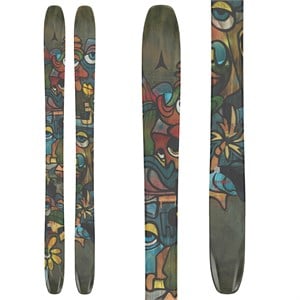
- Rocker Type: Powder Rocker (25% Tip / 50% Camber / 25% Tail)
- Core: Light Poplar Woodcore
- Shape: HRZN 3D Bent Tip and Tail
- Ability Level: Advanced-Expert
The Atomic Bent 110 bridges the gap between deep-day float and everyday resort capability with impressive accuracy. Featuring a nimble poplar core and the innovative HRZN 3D tips, these skis offer incredible flotation in powder while remaining stable and responsive in resort chop. They feel surprisingly lightweight, making them a fantastic choice for those who want one ski that can do it all.
Whether you are charging through fresh backcountry lines or enjoying laps on a stormy resort day, the Bent 110 performs with uncanny precision. The playful nature of the construction encourages a creative skiing style, allowing you to butter, slash, and pop off natural features across the mountain.
Pros: Highly versatile; excellent float; playful ride.
Cons: Can feel slightly loose on very hard-packed snow.
4. Black Crows Draco Freebird
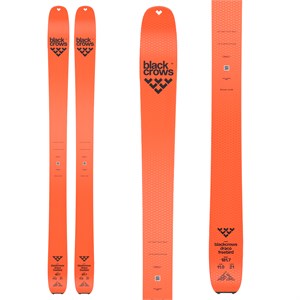
- Rocker Type: Double Rocker with Slight Camber Underfoot
- Core: Paulownia and Poplar
- Sidewalls: Semi-Cap with ABS
- Waist Width: 110mm
As the widest model in the touring range, the Black Crows Draco Freebird is built for deep days in the backcountry. Replacing the popular Ferox, this ski features a refined shape and a long sidecut that makes it significantly easier to handle in tight terrain. It offers a smooth, reliable flex that is less demanding during critical maneuvers, ensuring confidence even in challenging conditions.
The Draco does not compromise on downhill performance despite its touring-focused construction. It provides a damp, stable ride that allows you to charge through variable snow without fatigue. For those who prioritize powder performance and want a ski that stays composed, this is a top-tier choice.
Pros: Excellent powder flotation; stable and predictable handling.
Cons: Wider waist makes it less snappy on hard groomers.
See the Black Crows Draco Freebird
5. Armada ARV 116 JJ UL
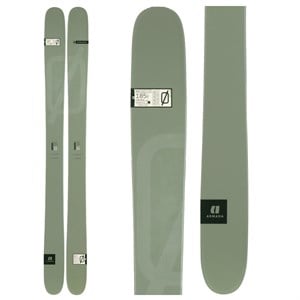
- Rocker Type: AR Freestyle Rocker
- Core: Caruba Wood
- Sidewalls: AR75 Sidewall
- Tail Type: Full Twin Tip
The Armada ARV 116 JJ UL is an ultralight powerhouse designed specifically for deep powder touring. With its dedicated Caruba core, it keeps swing weight to a minimum, allowing for effortless pivots and catch-free butters. It is remarkably agile for a wide ski, encouraging a surfy, playful style that makes every deep day feel like a freestyle playground.
This ski is built to handle the gnarliest terrain while maintaining dampness and power. The Smear Tech in the tips and tails provides a unique, intuitive feel in deep snow, preventing tip dive and allowing for easy turn shapes. If you live for cold smoke and creative lines, this is your ultimate weapon.
Pros: Ultra-lightweight; amazing flotation; surfy feel.
Cons: Requires soft snow to perform at its absolute best.
6. Atomic Backland 109
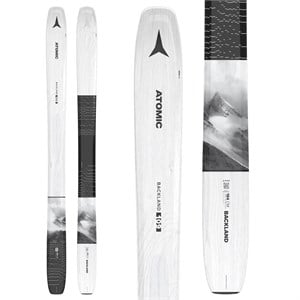
- Rocker Type: Powder Rocker (25% Tip / 55% Camber / 20% Tail)
- Core: Ultra Light Woodcore
- Laminates: Reduced Fiberglass and Resin
- Shape: HRZN 3D Backland Tip
The Atomic Backland 109 is a fantastic blend of eco-conscious engineering and high-performance backcountry capability. By optimizing the construction with more wood and less resin, Atomic has created a ski that is not only lighter but also has a smaller carbon footprint. The HRZN 3D tips ensure superior float in deep powder while making the ski easy to maneuver through sketchier terrain.
This ski is exceptionally capable on firm surfaces, offering a stable and reliable ride whenever you encounter variable backcountry conditions. It delivers impressive performance without unnecessary weight, making it a highly efficient climber and a fun, responsive descender for intermediate to advanced riders.
Pros: Eco-friendly construction; great versatility; low swing weight.
Cons: Less dampness than heavier, metal-laden touring skis.
7. Black Crows Camox Freebird
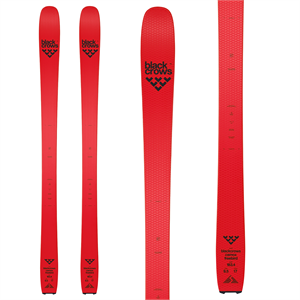
- Rocker Type: Progressive Front / Light Rear Rocker
- Core: Paulownia
- Laminates: Mixed Glass / Carbon Fiber
- Ability Level: Intermediate-Advanced
The Black Crows Camox Freebird makes backcountry exploration more accessible and enjoyable for a wide range of skiers. With a 95mm waist and a progressive rocker profile, this ski offers a perfect balance of stability and maneuverability. It is incredibly nimble, making it a joy to use in the varied snow conditions found far beyond the groomed runs of a resort.
The smooth flex pattern provides forgiveness during turns, helping riders gain confidence as they expand their touring repertoire. It is a reliable partner for those looking to improve their backcountry skills without being hindered by overly stiff or demanding equipment. This ski is designed for fun, accessible, and efficient mountain travel.
Pros: Very accessible; easy to handle; great for varied conditions.
Cons: Not built for the deepest, most bottomless powder days.
See the Black Crows Camox Freebird
8. Atomic Bent Chetler 120
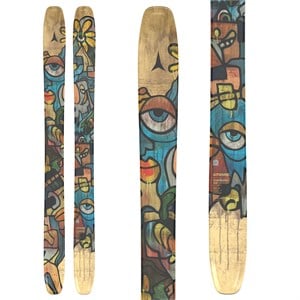
- Rocker Type: Powder Rocker (30% Tip / 40% Camber / 30% Tail)
- Shape: HRZN 3D Bent Tip and Tail
- Core: Light Woodcore
- Tail Type: Full Twin Tip
With nearly two decades of freeride heritage, the Atomic Bent Chetler 120 remains a legendary choice for powder hounds. These skis define surfiness, providing unparalleled flotation in deep snow while maintaining a featherweight feel that excels in the air. The construction is stout enough for stomping big landings yet light enough to serve as a capable touring setup for deep days.
The HRZN 3D tips and tails create a unique, loose feel that is incredibly fun in soft conditions. Whether you are slashing through resort bowls or venturing into the backcountry, the Bent Chetler 120 encourages a creative, freestyle-oriented approach to big mountain terrain. It is truly in a league of its own.
Pros: Unmatched powder float; incredibly playful; versatile for its size.
Cons: Requires a wide stance to manage on hard groomers.
See the Atomic Bent Chetler 120
How to Choose Ski Mountaineering Skis
Ski mountaineering, or “skimo,” blends the physical challenge of climbing mountains with the exhilarating reward of skiing down them. Unlike traditional resort skiing, which focuses on downhill performance, ski mountaineering requires gear that is optimized for both uphill efficiency and downhill control. Choosing the right skis is the most critical decision you’ll make, as they are the foundation of your entire setup. The perfect pair will feel light and agile on the ascent while remaining stable and reliable for the descent. Here is a comprehensive guide to help you navigate the key factors and find the ideal skis for your adventures.
Understanding the Core Principles
Before diving into specific features, it’s essential to grasp the fundamental trade-off in ski mountaineering gear: weight versus performance. Lighter skis are easier to carry up the mountain, reducing fatigue and allowing you to cover more vertical distance. However, this weight reduction often comes at the cost of stability and dampness on the downhill, making the skis feel less secure in variable or firm snow. Conversely, heavier, more robust skis provide a more confident and powerful ride down but can be a major drain on your energy during long climbs. The goal is to find the perfect balance that suits your personal style, fitness level, and the terrain you plan to ski.
Key Ski Characteristics to Consider
1. Ski Dimensions (Waist Width)
The waist width, or the measurement underfoot, is the single most important factor that dictates a ski’s performance in different snow conditions. Skis for mountaineering typically fall into three general categories:
- Sub-90mm Waist Width: These are the lightest and most efficient skis, often used by competitive skimo racers or for spring missions on firm, icy snow. Their narrow profile makes them incredibly fast for climbing and provides excellent edge hold on hardpack. However, they offer minimal float in soft or deep snow, making them a less versatile choice for variable conditions.
- 90-100mm Waist Width: This is the sweet spot for most ski mountaineers. Skis in this range offer an excellent blend of uphill efficiency and downhill versatility. They are light enough for long tours but wide enough to provide good float in powder and stability in mixed conditions. This category is a fantastic “quiver of one” for those who want a ski that can handle everything from deep winter powder to spring corn.
- 100mm+ Waist Width: These are wider, freeride-focused touring skis designed for skiers who prioritize powder performance. They provide superior flotation in deep snow but are heavier and less efficient for long climbs on firm snow. They are best suited for deep powder days and for skiers who are more focused on the downhill experience and have the fitness to handle the extra weight on the ascent.
2. Ski Length
Ski length is a matter of personal preference and skill level. For ski mountaineering, a general rule of thumb is to choose a ski that is slightly shorter than your typical resort ski. This makes them easier to handle in tight kick turns and reduces weight. A good starting point is to choose a length that is somewhere between your chin and forehead. More aggressive or heavier skiers may prefer a longer ski for more stability at speed, while beginners or those prioritizing uphill speed might opt for a shorter, more manageable length.
3. Ski Construction and Materials
The internal construction of the ski is what determines its weight, stiffness, and feel. Modern skimo skis use a variety of materials to achieve the perfect balance of light weight and performance.
- Core Material: The core is the heart of the ski. Most touring skis use lightweight wood, such as paulownia or karuba. These woods provide a good strength-to-weight ratio. Some brands blend these with poplar or beech to add more power and dampness, while others use advanced honeycomb materials to reduce weight even further.
- Laminates: Carbon fiber is the most common laminate used in skimo skis. It adds stiffness and responsiveness without a significant weight penalty. While effective, an all-carbon layup can sometimes feel “pingy” or harsh on firm snow. To counter this, some manufacturers add fiberglass or other dampening materials like cork or rubber to create a smoother, more predictable ride.
- Sidewalls: Full ABS sidewalls provide excellent edge hold and durability, but they add weight. Some ultralight skis use a partial cap construction to save weight while retaining some of the benefits of a sidewall.
4. Rocker Profile and Sidecut
The rocker profile and sidecut of a ski affect its handling and turn shape. For ski mountaineering, a Rocker-Camber-Rocker profile is the most popular choice. This design features rocker (early rise) in the tip and tail for better float and turn initiation, with traditional camber underfoot for solid edge grip on firm snow. The sidecut (the ski’s shape from tip to tail) determines its turning radius. A shorter radius makes for quicker, more nimble turns, while a longer radius provides more stability for big, fast carves. For mountaineering, a mid-range radius is often a good compromise, offering a balance of maneuverability and stability.
Putting It All Together: Choosing Your Ski
For the Skimo Racer or Spring Tourer
If your primary goal is to cover maximum vertical distance quickly or tackle icy couloirs and firm spring conditions, prioritize efficiency above all else. Look for a ski with a waist width of 80-88mm, a lightweight wood core, and a construction with a high carbon content. These skis will be fast on the skin track and have the edge hold you need for icy ascents, but be prepared for a less forgiving ride on the descent, especially in variable snow.
For the All-Around Backcountry Enthusiast
For most skiers, a versatile, all-conditions ski is the best choice. Look for a ski with a waist width of 90-100mm. These skis offer the best balance of climbing efficiency and downhill performance. A ski with a well-balanced construction—a mix of lightweight wood, carbon, and dampening materials—will provide a predictable and enjoyable ride in a variety of snow conditions. This category is ideal for someone who wants to do it all, from deep powder days to long traverses.
For the Freeride-Focused Skier
If you’re a strong downhill skier and the descent is your top priority, you can afford to carry a little more weight for a more powerful and playful ride. Choose a ski with a waist width of 100mm+. Look for a ski with a sturdy core, reinforced with materials that provide dampness and stability. These skis will float effortlessly in powder and absorb chop like a dream, making the downhill feel like a resort run. Just be prepared for a more demanding climb on the way up.
Final Advice
Ultimately, the best way to choose your skis is to demo them if possible. Nothing beats testing a ski on snow to see how it feels on the climb and the descent. Consider where you ski most often and what your personal goals are. Are you trying to beat your friends to the top, or are you chasing the perfect powder turn? Answering these questions will guide you to a ski that not only performs well but also enhances your overall experience in the mountains. By carefully considering waist width, length, construction, and your personal skiing style, you can find the perfect ski to unlock new adventures in the backcountry.