Best All-Mountain Ski Bindings of 2026
Choosing the right all-mountain ski bindings can make a big difference in how you ski. They are the link between your boots and skis, giving you the mix of safety, control, and performance you need on every run. Whether you love carving on groomed trails, exploring off-piste terrain, or chasing powder, the best bindings will keep you secure while letting you move freely. In this guide, we’ll look at the top all-mountain ski bindings to help you find the perfect match.
1. Marker Squire 11
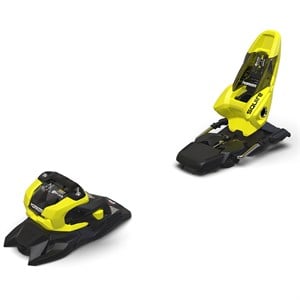
- DIN Range: 3 – 11
- Stand Height: 24 mm
- Boot Compatibility: Alpine DIN, GripWalk
- Toe System: Triple Pivot Light 2
The Marker Squire 11 remains a top choice for lightweight adults and intermediate skiers seeking a reliable, high-performance binding. This redesigned version features a modern shaping at the toe and includes an Anti-Ice Rail, which is incredibly useful for scraping off stubborn snow from your boot soles before clicking in. The improved step-in technology makes it much easier to engage, especially in deeper snow conditions.
With its Triple Pivot Light 2 toe and Hollow Linkage 2 heel, the binding reduces the force required to step in by nearly thirty percent. It is a lightweight yet sturdy option that offers great power transmission for its class. The fresh colorways allow for easy matching with most modern ski graphics, ensuring you look as good as you perform on the slopes.
Pros: Easy step-in, lightweight design, effective ice scraper rail.
Cons: Lower DIN limit not suitable for heavy or aggressive chargers.
2. Salomon Strive 14 GW
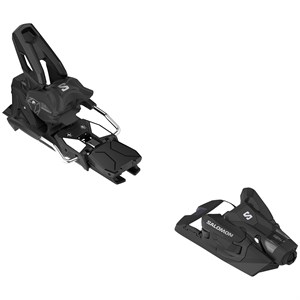
- DIN Range: 5 – 14
- Stand Height: 19.6 mm
- Elastic Travel: 45 mm
- Toe Type: LDN (Low, Direct, Neutral)
The Salomon Strive 14 GW is a game-changer for freeriders who want a low center of gravity without sacrificing safety. The LDN toe piece is the standout feature here, positioning the boot closer to the ski for an incredibly sensitive and responsive feel. This neutral stance helps preserve the natural flex of your skis, allowing for smoother turns and more direct power transfer during aggressive maneuvers.
Durability is a priority with this model, as it incorporates metal reinforcements in high-wear areas while maintaining a lightweight profile. The automatic toe adaptation is a “set it and forget it” feature that ensures constant release values even as your boot soles wear down. It also features a clever locking brake system that makes carrying your skis over your shoulder much less of a chore during long hikes.
Pros: Excellent snow feel, high elastic travel, convenient locking brakes.
Cons: Not compatible with full touring (ISO 9523) boot soles.
3. Marker Griffon 13 ID
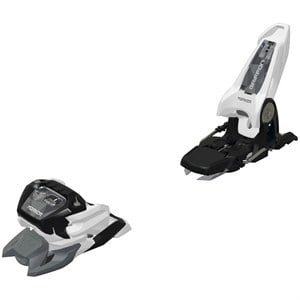
- DIN Range: 4 – 13
- Stand Height: 24 mm
- Sole Compatibility: Sole.ID (Multi-norm)
- Heel Piece: Inter Pivot 3
The Marker Griffon 13 ID continues its reign as one of the most versatile freeride bindings on the market. The latest iteration addresses the primary complaint of previous models by introducing the Inter Pivot 3 heel, which significantly lowers the force needed to step in. This makes it a much friendlier option when you find yourself clicking back in on a steep pitch or in soft powder.
One of the biggest advantages of the Griffon is the Sole.ID technology. This allows the binding to be adjusted to fit almost any adult boot sole norm, from traditional alpine to full touring soles. Combined with the Triple Pivot Elite 3 toe and its integrated ice scraper rail, this binding provides the horizontal spring orientation necessary for high energy absorption and reduced pre-release risk during hard charging.
Pros: Fits almost all boot types, improved step-in heel, proven durability.
Cons: Higher stand height compared to newer “low profile” competitors.
4. Salomon Strive 14 MN
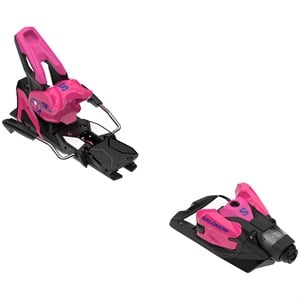
- DIN Range: 5 – 14
- Compatibility: Multi-Norm (MN)
- Elastic Travel: 45 mm
- Toe Tech: XL Wings & SCP Slider
The Salomon Strive 14 MN (Multi-Norm) takes everything that made the standard Strive great and adds maximum boot compatibility. This is the ideal solution for the modern skier who might swap between a stiff alpine boot for resort days and a touring boot for backcountry missions. The low-profile chassis keeps you connected to the terrain, providing a more intimate feel for the snow than the older Warden or STH2 models.
Safety is paramount with 45mm of elastic travel, which helps keep the boot retained during high-speed chatter but ensures a clean release when necessary. The XL wings on the toe piece provide better lateral power transmission to the edges of wider skis. It is a lighter, more modern construction that serves as a versatile anchor for any high-performance all-mountain or freeride ski setup.
Pros: Compatible with touring soles, low center of gravity, robust retention.
Cons: Slightly heavier than the non-MN version.
5. Look NX 10 GW
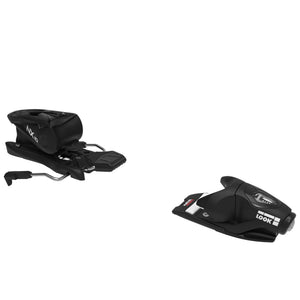
- DIN Range: 3-10
- Sole Compatibility: ISO 5355 Alpine and GripWalk
- Toe Elasticity: 45 mm lateral elasticity
- Heel Elastic Travel: 12 mm travel
The Look NX 10 GW ski bindings offer an exceptional combination of lightweight performance and reliable safety for recreational skiers. Designed with advanced engineering, the full drive concept toe piece provides incredible elastic travel and a reliable multi-directional release system. This ensures that skiers can tackle various mountain conditions with absolute confidence, knowing their equipment will retain them securely while releasing precisely when needed during a fall. The integration of the dual standard concept allows seamless compatibility with both traditional alpine and modern gripwalk boot soles without compromising retention.
Additionally, the lightweight composite materials used throughout construction make carrying and maneuvering skis noticeably easier. The clever nx heel piece features a wider throw for effortless step-in and step-out capabilities, saving time and energy on the slopes. Whether you are cruising down groomed trails or exploring light all-mountain terrain, these bindings deliver balanced performance. Their wide mounting zone enhances power transmission directly to wide skis, ensuring edge control remains sharp and responsive throughout your entire skiing experience.
Pros: Lightweight composite construction, easy step-in and step-out design.
Cons: Lower max DIN rating of 10, not ideal for aggressive expert skiers.
6. Atomic Strive 12 GW
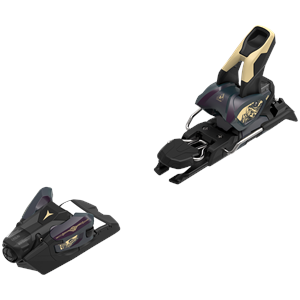
- DIN Range: 4 – 12
- Toe Piece: LDN Alpine Toe
- Heel Piece: 3-Part Heel Light
- Boot Compatibility: Alpine, GripWalk
The Atomic Strive 12 GW bridges the gap between lightweight ease of use and high-performance alpine characteristics. Borrowing its sleek design from the popular Shift series, it features a very low stand height that enhances the skier’s feel for the snow. This makes it an excellent pairing for modern, wider all-mountain skis where power transmission to the edges is vital for maintaining control in variable conditions.
This binding is specifically tailored for intermediate to advanced skiers who don’t need a high DIN setting but still want the response of a pro-level binding. The automatic wing and height adjustments make it incredibly user-friendly, as it compensates for different boot heights and wear automatically. It is a light, precise, and dependable binding that sets a high bar for the “everyday” resort skier who values both safety and performance.
Pros: Very lightweight, low stand height, user-friendly adjustments.
Cons: Lacks the metal reinforcement found in the Strive 14.
7. Salomon Strive 12 GW
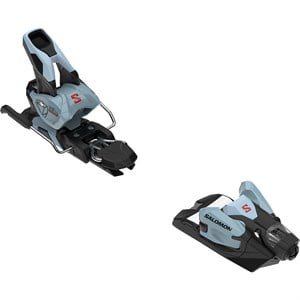
- DIN Range: 4 – 12
- Chassis: Low Profile
- Toe Tech: Automatic Wing Adjustment
- Boot Compatibility: Alpine, GripWalk
Identical in technical prowess to its Atomic sibling, the Salomon Strive 12 GW is a masterpiece of lightweight engineering. It focuses on the LDN concept—Low, Direct, and Neutral—to provide a skiing experience that feels more connected to the mountain. By dropping the weight and lowering the center of gravity, Salomon has created a binding that reacts quickly to every subtle movement of the skier’s foot.
The 3-part light heel keeps the overall weight of the ski package down, reducing fatigue during long days on the slopes. The automatic toe height and wing adjustments ensure a consistent and safe release, even if your boot soles are slightly worn from walking through the parking lot. For those who want the performance of the Strive series in a package optimized for lighter weights and intermediate speeds, this is a perfect fit.
Pros: Intuitive automatic adjustments, excellent power transfer, very light.
Cons: Not compatible with full touring (ISO 9523) boot soles.
8. Marker Griffon X MWerks 13
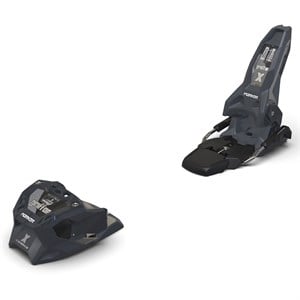
- DIN Range: 4 – 13
- Toe Stand Height: 9 mm
- Heel Stand Height: 14 mm
- Compatibility: Multi-norm (Alpine, Touring, GripWalk)
The Marker Griffon X MWerks 13 represents a significant leap forward for the legendary Griffon line. This “X” version features a complete ground-up redesign, focusing on a much lower stand height to provide the direct snow feel that modern skiers crave. The TP Elite X toe is molded as a single piece, which improves rigidity and houses a more robust anti-ice rail for better clearing of snow buildup.
What sets the MWerks version apart is its shorter construction footprint. By reducing the distance between the mounting points of the toe and heel, the binding allows the ski to flex more naturally underfoot. This results in a more playful ride and reduced swing weight. Despite the low profile, it remains fully multi-norm compatible, making it one of the most technologically advanced and versatile bindings available for 2026.
Pros: Extremely low stand height, natural ski flex, very durable construction.
Cons: Newer design may have a premium price point compared to standard Griffon.
See the Marker Griffon X MWerks 13
9. Marker Jester X MWerks 16
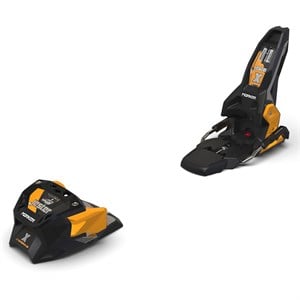
- DIN Range: 6 – 16
- Toe Stand Height: 9 mm
- Heel Stand Height: 14 mm
- Construction: Shorter Footprint / TP Elite X
The Marker Jester X MWerks 16 is the pinnacle of the 2026 Marker lineup, built for those who require maximum retention and ultimate performance. Like the Griffon X, it features the radically low 9mm toe stand height, putting the charger as close to the ski as possible for hyper-direct power transmission. This redesign ensures that every ounce of energy is transferred directly to the edge of the ski.
The shorter construction footprint is particularly beneficial on high-performance freeride skis, as it minimizes the “dead spot” under the boot, allowing for a more consistent arc throughout the turn. The integrated brake design and robust TP Elite X components make this a heavy-duty tool for the most demanding terrain. If you are a high-level athlete who needs a binding that matches the flex of your ski perfectly while offering a 16 DIN limit, this is it.
Pros: Maximum snow feel, enhanced ski flex, top-tier professional retention.
Cons: High entry DIN level and potentially higher cost.
See the Marker Jester X MWerks 16
10. Look SPX 11 GW
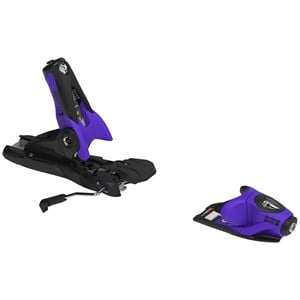
- DIN Range: 3.5 – 11
- Heel Elasticity: 27 mm
- Toe Elasticity: 45 mm
- Release: 180° Multi-Directional
The Look SPX 11 GW is renowned for its industry-leading elastic travel, which acts as a suspension system for your feet. With 27mm of vertical elasticity in the heel and 45mm in the toe, this binding excels at absorbing shocks and vibrations from icy or bumpy terrain. This significantly reduces the likelihood of “pre-release,” keeping you securely locked in until the very moment a safety release is actually required.
Safety is further enhanced by the Full Action toe piece, which offers a 180-degree multi-directional release. This unique feature allows the toe to release upward independently of the heel, providing critical protection during complex falls. Compatible with both Alpine and GripWalk soles, the SPX 11 is a fantastic choice for intermediate skiers who prioritize knee safety and a smooth, dampened ride across the entire mountain.
Pros: Best-in-class shock absorption, superior knee protection, reliable retention.
Cons: Lower DIN ceiling not ideal for heavy or expert-level skiers.
How to Choose All-Mountain Ski Bindings
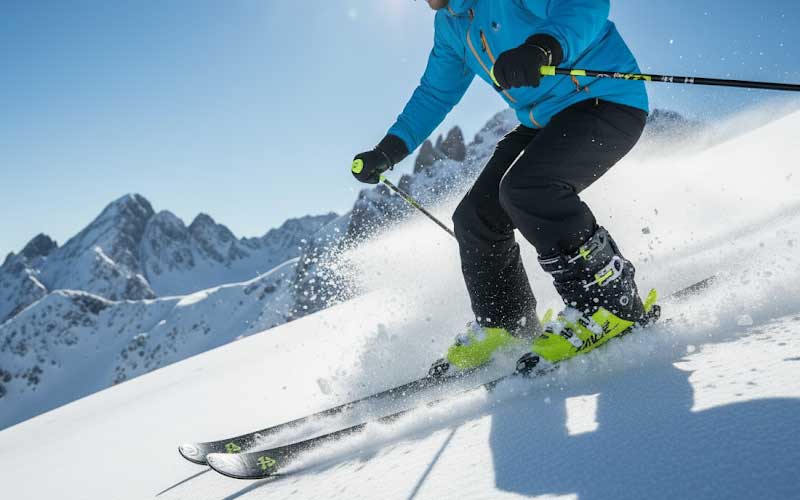
Choosing the right ski bindings can feel like a daunting task, especially with so many options on the market. While the perfect pair of skis gets a lot of attention, your bindings are the critical link between your boots and your skis, directly influencing safety, performance, and control. For most skiers, the best choice is a dedicated all-mountain binding. These versatile bindings are designed to perform across different conditions—from groomed runs to powder and bumps—making them a perfect match for all-mountain skis. This guide will walk you through the key factors to consider, ensuring you pick the ideal bindings for your skiing style and safety.
Understanding the Basics of Ski Bindings
Before diving into specific features, it’s important to understand what ski bindings do. Their primary functions are to securely hold your boot to the ski and to release the boot during a fall to prevent injury. The binding has two main parts: the toe piece and the heel piece. Both are engineered with release mechanisms that are calibrated to your weight, height, age, and skiing ability. This calibration, known as the DIN setting, is a crucial safety component that determines how much force is required for the binding to release.
All-mountain bindings are built to strike a balance between power transfer and shock absorption. They need to be strong enough to handle aggressive turns and variable snow conditions but also light enough to not feel sluggish. Unlike specialized bindings—like lightweight touring bindings or heavy-duty race bindings—all-mountain models are designed to be a versatile middle ground, durable for everyday use without being overly heavy or complex.
Key Factors to Consider
1. DIN Range
The DIN (Deutsches Institut für Normung) setting is the single most important safety factor for ski bindings. It’s a numerical scale that represents the tension setting required for your bindings to release. The scale typically ranges from a low of 1 to a high of 18 or more. The correct DIN setting for you is determined by a formula that considers your:
- Weight: Heavier skiers need higher DIN settings.
- Height: Taller skiers generally require higher settings.
- Age: Skiers over 50 often have their DIN setting slightly lowered.
- Skier Type (Ability): Beginners require lower, more sensitive settings, while advanced and expert skiers need higher settings to prevent pre-release.
When choosing a binding, you need to ensure that your calculated DIN falls within the binding’s recommended range. For example, if your calculated DIN is 8, a binding with a DIN range of 4-13 would be a great fit. Avoid bindings where your DIN setting is at the very top or bottom of the range. For example, if your DIN is 11, a binding with a 3-11 range might work, but a binding with a 4-13 range offers more room for progression and a more centered feel within the binding’s mechanics.
2. Ski-to-Boot Compatibility
Modern ski boots come with various sole types, and your binding must be compatible with your boot. The two most common sole types are:
- Alpine DIN (ISO 5355): The traditional standard for most ski boots, with a flat, hard plastic sole.
- GripWalk (GW): A newer standard with a curved, rubberized sole that makes walking easier and more comfortable.
Most new all-mountain bindings are now “GW” compatible, meaning they work with both Alpine DIN and GripWalk soles. However, it’s crucial to double-check. Some high-end bindings for expert skiers may only be compatible with Alpine DIN soles. Additionally, if you have boots with touring soles (ISO 9523), you will need bindings that are specifically compatible with them, often marked with “Sole.ID” or similar technology.
3. Binding Brake Width
The binding’s brake width must be wide enough to clear the width of your ski underfoot. As a general rule, the brake width should be equal to or slightly wider than your ski’s waist width (the narrowest part of the ski, usually located under the binding). For example, if your ski has a 95mm waist, a binding with a 95mm or 100mm brake is a good choice. Avoid brakes that are too wide, as they can catch on your skis and be a safety risk. Never use a brake that is narrower than your ski waist.
4. Build and Performance Features
Beyond the basics, bindings come with various features that impact performance and safety. Higher-end models typically offer better elasticity and more robust construction. Elasticity refers to how far the toe and heel pieces can move before releasing. More elasticity is a good thing; it reduces the chance of pre-release (when your binding pops off unexpectedly) and helps absorb shocks from bumps and hard landings. Look for features like:
- Turntable Heels: Found on Look Pivot bindings, these heels are known for their exceptional elasticity and multi-directional release, providing a very high level of safety and shock absorption.
- Higher DIN Ranges: Bindings with higher maximum DINs (e.g., 14 or 16) are typically built with more durable materials, such as metal components, to handle the forces exerted by heavier or more aggressive skiers.
- Low Profile Design: Some bindings, like the Salomon Strive or Atomic Strive, feature a low-profile toe piece that puts your boot closer to the ski. This design can provide a more direct feel and better energy transfer to the ski’s edges.
5. Skier Profile and Ability Level
Your skill level and skiing style should be a major factor in your decision. Bindings are categorized to match different types of skiers:
- Beginner/Intermediate Skiers: If you are still learning or ski at moderate speeds on groomed runs, a binding with a DIN range up to 11 is likely all you need. These bindings are often lighter and more user-friendly, with easier step-in mechanisms. The Marker Squire 11 is a perfect example of a binding in this category.
- Advanced Skiers: If you ski fast, tackle steep terrain, and venture into powder and bumps, a binding with a DIN range up to 13 or 14 is a great choice. These bindings have stronger materials and better elasticity to withstand higher forces. The Marker Griffon 13 ID and Look Pivot 14 GW are excellent options.
- Expert/Aggressive Skiers: For those who ski at top speeds, hit big jumps, and demand the most out of their gear, a high-performance binding with a DIN range up to 16 or 18 is recommended. These bindings are built with heavy-duty components and maximum retention. Examples include the Marker Jester 16 ID and Look Pivot 15 GW.
Conclusion
Choosing the right all-mountain ski binding is about finding a balance between safety, compatibility, and performance. Start by determining your proper DIN setting and ensuring it falls within the binding’s range. Then, verify that the binding is compatible with your boot sole and that the brake width is appropriate for your skis. Finally, consider your skiing ability and style to select a binding with the right level of durability and performance features. By following these steps, you’ll find a binding that not only keeps you safe but also enhances your on-snow experience, allowing you to confidently tackle any conditions the mountain throws your way.