Best Splitboard Backpacks of 2026
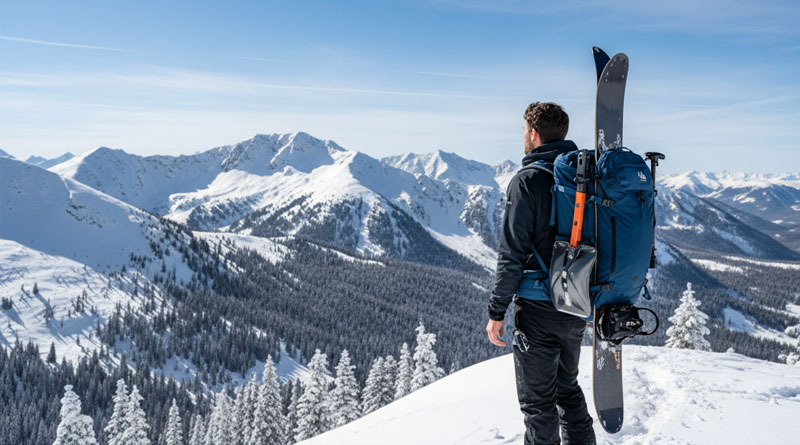
If you’re heading into the backcountry with a splitboard, the right backpack can make all the difference. A good splitboard backpack isn’t just for carrying your board—it’s built to hold avalanche safety gear, snacks, water, and extra layers while keeping everything easy to reach. Comfort, durability, and smart storage are key features to look for. In this guide, we’ll highlight the best splitboard backpacks that balance function and fit, so you can ride with confidence and focus on enjoying every line.
1. Osprey Glade 12L
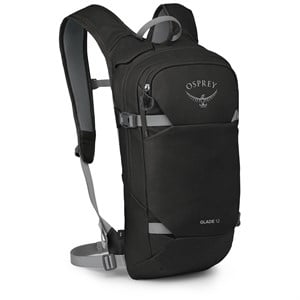
- Volume: 12 liters
- Material: Recycled 420D NanoTough™ Nylon
- Hydration: Includes Osprey Hydraulics 2.5L reservoir
- Carry Options: Diagonal ski carry and vertical snowboard/snowshoe carry
The Osprey Glade 12L is the ultimate companion for quick, in-bounds ski days or short backcountry trips. Its slim, low-profile design is perfect for lapping lifts and navigating through crowds without feeling bulky. The included 2.5-liter hydration reservoir is a fantastic feature, and the insulated Thermolite™ harness sleeve works to keep your water from freezing. The pack also offers multiple carry options for skis, snowboards, or snowshoes, making it easy to transition from the lift to a short hike for fresh powder. The J-zip main compartment and soft-lined goggle pocket are thoughtful additions that make accessing your gear quick and easy.
Despite its great design, some users have noted a few minor issues. The pack straps can be a bit long, potentially snagging on a chairlift if not properly managed. While the insulated tube helps, the water inside the reservoir can still freeze in extremely cold conditions, requiring an extra layer of insulation or a towel to prevent it. However, the pack’s overall light weight and ample space for its size, along with its excellent looks, make it a solid choice for those who want a minimalist yet functional pack for resort days or light adventures.
Pros:
- Lightweight and compact
- Comes with a hydration reservoir
- Versatile ski and snowboard carry options
Cons:
- Straps can be long and get caught on lifts
- Hydration tube can still freeze in very cold weather
2. SEMSTY Backpack 30L

- Capacity: 30 liters
- Dimensions: 11.4 x 6.7 x 20.9 inches
- Hydration System: Includes a 2L water bladder
- Material: Tarpaulin and 1050D nylon
The SEMSTY Backpack 30L is a versatile snow sports and outdoor backpack designed for skiing, snowboarding, hiking, and travel. Its 30-liter capacity and eight functional pockets provide organized storage for essential equipment, clothing, and accessories. A fleece-lined goggle pocket helps protect eyewear, while the front-access compartment accommodates a shovel and other snow tools. The main compartment features convenient back-panel access and includes space for a 15-inch laptop or a 2L–3L hydration bladder.
Built with tarpaulin and durable 1050D nylon, this backpack offers waterproof protection and a snow-repellent exterior. Its waterproof, cold-resistant bottom helps prevent moisture from soaking through when placed on snow. The versatile attachment system supports vertical snowboard carrying, A-frame ski carrying, and diagonal equipment attachment. For comfort, S-shaped shoulder straps promote natural arm movement, while the breathable PE foam back panel improves ventilation. An adjustable sternum strap and supportive hip belt help stabilize heavier loads.
Pros:
- Includes a 2L hydration bladder with an insulated drinking tube sleeve.
- Multiple pockets keep snow sports equipment organized.
- Versatile ski and snowboard carrying configurations.
Cons:
- The 30L capacity may be insufficient for multi-day expeditions.
- The feature-rich design may feel bulky for minimalist day hikes.
3. Dakine Heli Pro 24L

- Volume: 24 liters
- Material: Durable, hand-washable fabric
- Access: Backpanel zippered main access
- Carry Options: Vertical snowboard carry and diagonal/A-frame ski carry
The Dakine Heli Pro 24L is an ideal choice for riders who split their time between resort skiing and venturing into the backcountry. Its 24-liter capacity is perfect for a full day on the mountain, with a dedicated front pocket for avalanche tools like a shovel and probe, ensuring you’re prepared for off-piste exploration. The fleece-lined goggle pocket is a convenient touch, protecting your lenses from scratches. One of the pack’s standout features is its streamlined design, which has a minimal number of external straps to reduce the risk of snagging on chairlifts. This focus on a low-profile build makes it incredibly comfortable to wear on the lift, a key consideration for many skiers and snowboarders.
The pack’s practical design is evident in its thoughtful features, including a deployable helmet carry and a padded back panel made from quick-dry mesh for enhanced comfort. The back panel zippered access to the main compartment is excellent for getting to your gear without having to unload everything from the top. While the pack is designed with technical functionality in mind, it remains user-friendly and highly adaptable. The ability to carry skis diagonally or in an A-frame configuration, along with a vertical snowboard carry, adds to its versatility, making it a reliable workhorse for a wide range of winter activities.
Pros:
- Slim design minimizes snagging on lifts
- Backpanel access for easy gear retrieval
- Ample space for a full day of gear
Cons:
- Limited compression straps
- Spine protector sold separately
4. Dakine Heli Pro 24L – Women’s
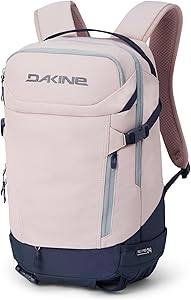
- Volume: 24 liters
- Material: 100% Recycled Polyester
- Fit: Women’s-specific design with padded hipbelt
- Carry Options: Diagonal/A-Frame ski and vertical/horizontal snowboard carry
The Dakine Heli Pro 24L for women is built for those who love to get after it on the mountain. It features a lightweight and low-profile design that’s specifically tailored for a women’s frame, offering a snug and comfortable fit for dynamic movement. The pack is packed with features, including a dedicated pocket for avalanche tools and multiple other pockets for all your essentials, from a fleece-lined goggle pocket to an exterior quick-stash pocket. The ability to carry both skis and a snowboard in various configurations makes it a versatile pack for any rider.
While the pack is loaded with technical features, its design remains user-friendly, even for those who might not consider themselves a “winter sports athlete.” A user review highlights this, noting that despite some “unusual” straps and pockets, the pack holds a surprising amount of gear and is comfortable to wear. The padded hipbelt and sternum strap with a rescue whistle make it easy to wear and provide a secure, comfortable fit. This pack successfully combines technical functionality with an accessible design, making it a great option for any woman looking for a dependable, stylish, and comfortable pack for the slopes.
Pros:
- Tailored women’s-specific fit
- Spacious for its size
- Padded hipbelt and sternum strap provide comfort and security
Cons:
- Technical features can be confusing for casual users
- Hydration reservoir not included
5. CamelBak SnoBlast

- Volume: 20 liters
- Material: Water-repellent Snow Shield™ fabric
- Hydration: Includes a 2-liter CamelBak Crux reservoir with insulated tube
- Carry Options: A-frame ski carry with external straps
The CamelBak SnoBlast is designed to keep you hydrated and prepared for a long day on the slopes. Its 20-liter capacity provides ample space for extra layers, lunch, and a helmet, making it a great choice for all-day resort skiing. A key feature is the included 2-liter CamelBak Crux reservoir, which has an insulated Therminator™ harness sleeve to protect the drinking tube from freezing. The pack also boasts water-repellent Snow Shield™ material and a snow-shedding backpanel, keeping your gear dry and the pack comfortable. The external straps for A-frame ski carry and a unique 3-zipper design offer quick access to your gear.
However, a user’s experience reveals some notable drawbacks. Despite the advertised insulation, the water in the bladder can still freeze, especially in colder conditions, which defeats the pack’s main purpose. The user had to resort to an improvised solution, like wrapping the bladder in a towel. Additionally, the unique 3-zipper design, which requires unzipping two top zippers to get into the main compartment, can be frustrating and difficult to use while wearing gloves. The insulated tube’s zipper also has a tendency to come undone, and the pack’s straps can twist when taking it off, creating a hassle when trying to put it back on.
Pros:
- Generous 20-liter capacity
- Includes 2-liter hydration reservoir
- Snow-shedding material keeps gear dry
Cons:
- Hydration insulation may fail in cold weather
- Complicated zipper system is hard to use with gloves
- Straps can easily twist when removing the pack
6. Dakine Poacher RAS 18L
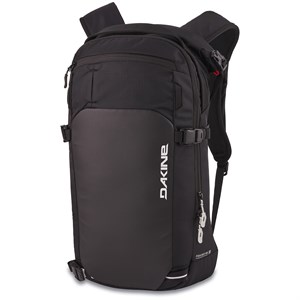
- Volume: 18 liters
- Material: 100% Recycled High Density Nylon
- Safety: Compatible with Mammut Removable Airbag System 3.0
- Carry Options: Vertical snowboard carry and diagonal/A-frame ski carry
The Dakine Poacher RAS 18L is a compact and highly functional daypack designed for backcountry or heli-skiing adventures where you need to move fast and light. Despite its smaller size, it’s packed with features tailored for serious mountain pursuits. It includes dedicated storage for snow tools, a fleece-lined goggle pocket, and multiple other pockets for quick access to essentials. The pack’s low-profile, snug fit is engineered for aggressive lines, ensuring it stays close to your body during dynamic movements. A standout feature is its compatibility with the Mammut Removable Airbag System 3.0, providing an extra layer of safety for off-piste enthusiasts.
This backpack is an excellent example of thoughtful design, prioritizing functionality and safety without adding unnecessary bulk. The back panel zippered access makes it easy to grab gear, while the deployable helmet carry and loops for splitboard poles and ice axes make it a versatile tool for a variety of winter activities. The use of 100% recycled high-density nylon materials also speaks to its durability and sustainable construction. A review highlights the pack’s impressive versatility, stating that despite its “minimalist design,” it has “a ton of thoughtful functionality.” This makes it an excellent choice for a wide range of skiers and snowboarders, from backcountry explorers to those who simply want a compact, high-performance pack for a full day on the resort.
Pros:
- Compact and low-profile design
- Compatible with a removable airbag system for safety
- Versatile carry options for skis, snowboards, and other tools
Cons:
- Airbag system and spine protector sold separately
- Smaller volume may not suit all-day trips requiring lots of gear
7. Black Diamond Dawn Patrol 32L

- Volume: 32 liters
- Material: 100% postconsumer recycled polyester
- Access: Back-panel zippered main access
- Carry Options: Tuck-away diagonal ski carry and vertical snowboard carry
The Black Diamond Dawn Patrol 32L is a versatile and spacious pack built for ambitious, all-day adventures in the backcountry. With a generous 32-liter capacity, it has more than enough room for extra layers, food, water, and essential snow safety gear. The pack is designed with a separate, easily accessed front pocket specifically for your avalanche safety kit, ensuring quick retrieval in an emergency. The form-fitting suspension provides a comfortable, body-hugging fit that’s ideal for dynamic movement on the mountain. Additionally, a large, insulated shoulder pocket is designed to hold a hydration tube, soft flask, or radio, keeping your water from freezing and your communication device close at hand.
Crafted from 100% postconsumer recycled fabric, this pack is not only highly functional but also environmentally conscious. The back-panel zipper offers easy access to the main compartment, a major convenience when you’re on the go. The exterior attachment points for skis, a snowboard, a helmet, and piolets make it an excellent choice for technical trips. The pack’s construction with snow-shedding fabric keeps it from getting weighed down by snow buildup. While it doesn’t come with a hydration bladder, it is reservoir-compatible and built to handle the demands of big, off-piste days, making it a reliable and versatile workhorse for serious backcountry enthusiasts.
Pros:
- Large volume for all-day trips
- Separate pocket for avalanche safety gear
- Made from 100% recycled materials
Cons:
- Hydration reservoir not included
- Larger size may feel bulky for resort use
8. Ortovox Haute Route 30L S
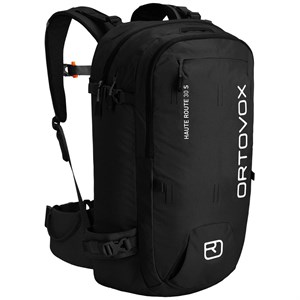
- Volume: 30 liters
- Material: 100% Recycled Polyamide and Polyester
- Fit: S-shape stabilizer and O-Flex frame
- Access: Front and back access to main compartment
The Ortovox Haute Route 30L S is a meticulously designed pack for long, technical days in the mountains, especially for those with smaller frames. Its “S” designation indicates a shorter torso length, ensuring a more comfortable and ergonomic fit. The pack’s O-Flex frame and S-shaped stabilizer are engineered to perfectly distribute the load between your shoulders and hips, preventing you from feeling like a “pack mule” on demanding ascents. It features a dedicated safety compartment for quick access to emergency equipment, a crucial detail for backcountry travel. The pack’s alpine design is streamlined yet feature-loaded, offering ski, snowboard, snowshoe, and ice axe attachments, making it incredibly versatile.
The pack’s thoughtful construction extends to its practical details, including a convenient map compartment, multiple compression straps, and gear loops. Both front and back access to the main compartment make it easy to grab gear no matter how it’s packed. Load control straps help secure your equipment for a stable carry. The use of 100% recycled polyamide and polyester fabrics highlights Ortovox’s commitment to sustainability without compromising durability. While the pack is designed for a specific user—those with smaller frames on long, technical trips—its comprehensive features and ergonomic design make it a standout choice for serious backcountry skiers and snowboarders who prioritize comfort and functionality.
Pros:
- Ergonomic fit for smaller frames
- Multiple access points to the main compartment
- Comfortable load distribution
Cons:
- Designed for shorter torsos only
- Higher price point than many other packs
How to Choose a Splitboard Backpack?
Choosing the right splitboard backpack is just as crucial as selecting the right board, bindings, or boots. It’s not just a bag to carry your gear; it’s an essential piece of safety equipment that can significantly impact your comfort, efficiency, and overall experience in the backcountry. A well-designed pack allows you to carry everything you need, from avalanche safety tools to extra layers and water, in a way that’s secure and easy to access. A poorly chosen one, however, can be a major source of frustration, with snagging straps, an uncomfortable fit, and a lack of organization.
With so many options on the market, each with a different set of features and designs, it can be tough to figure out what you truly need. This guide will walk you through the key considerations for selecting a splitboard backpack, from understanding capacity and fit to evaluating crucial features and materials. By the end, you’ll have the knowledge to find a pack that will be your reliable partner on any backcountry adventure.
Understanding Backpack Volume: How Much Space Do You Need?
The first and most important factor to consider is the backpack’s volume, typically measured in liters. The size you need depends directly on the type and duration of your trips. Choosing a pack that’s too large means you’ll be carrying unnecessary weight and bulk, while one that’s too small will force you to leave essential gear behind.
Day Trips (20-30 Liters)
For most day trips, where you’re heading out for a few hours or a full day, a pack in the **20-30 liter range** is the perfect sweet spot. This size is large enough to carry all your essentials without being cumbersome.
- Avalanche Safety Gear: A dedicated pocket for your shovel, probe, and snow saw is non-negotiable. This pocket should be easily and quickly accessible, as every second counts in an emergency.
- Extra Layers: You’ll need room for a puffy jacket, a waterproof shell, and an extra pair of gloves or a beanie.
- Food and Water: Plenty of space for snacks, lunch, and a hydration reservoir or water bottle.
- Other Essentials: A first-aid kit, repair kit, headlamp, and a small camera or phone.
Packs in this category are generally streamlined and low-profile, making them comfortable for both the ascent and the descent. They are the most versatile option for most splitboarders who are doing single-day tours.
Longer Tours and Multi-Day Trips (30-50+ Liters)
If your plans involve multi-day expeditions, hut trips, or longer, more technical ascents, you’ll need a larger pack.
- Overnight Gear: This includes a sleeping bag, sleeping pad, extra clothing, and cooking gear.
- Technical Equipment: You might need to carry a rope, harness, crampons, or an ice axe, which requires additional attachment points.
- More Food and Fuel: For longer trips, you’ll need to pack more food and a stove with fuel.
Packs in the **30-50+ liter range** are designed to handle these heavier loads. Look for packs with a more robust suspension system, a supportive hip belt, and a frame sheet to transfer weight to your hips and prevent the pack from sagging.
Fit and Comfort: The Foundation of Your Pack
A pack can have all the right features, but if it doesn’t fit you correctly, it will be uncomfortable and inefficient. A well-fitting pack sits securely on your back without restricting your movement.
Torso Length
Many high-quality packs come in different sizes, such as S/M and M/L, which correspond to torso length. To find your size, measure the distance from the base of your neck (the C7 vertebra) down to the small of your back. This measurement is crucial for ensuring the shoulder straps and hip belt are correctly positioned. Some packs, especially those designed for women, have a shorter torso length and are shaped to better fit a woman’s body.
Suspension System and Hip Belt
The suspension system, which includes the back panel, shoulder straps, and hip belt, is what makes a pack comfortable. A good suspension system will distribute the weight evenly, with most of the load (around 70-80%) resting on your hips.
- Back Panel: Look for a back panel with a snow-shedding material that won’t accumulate ice and a design that promotes airflow to prevent sweat buildup. A padded, rigid back panel or an internal frame sheet is vital for heavier loads.
- Shoulder Straps: They should be padded and contoured to fit your shoulders comfortably.
- Hip Belt: A padded, wide hip belt is essential for transferring weight. Some packs have a removable hip belt, which can be useful for light loads but is a must-have for day trips and longer tours.
Essential Features for Splitboard Backpacks
Beyond size and fit, certain features are specifically designed to make a pack functional for splitboarding.
Splitboard Carry Options
This is a defining feature of a splitboard pack. You’ll need a way to attach your board to the pack when hiking or bootpacking.
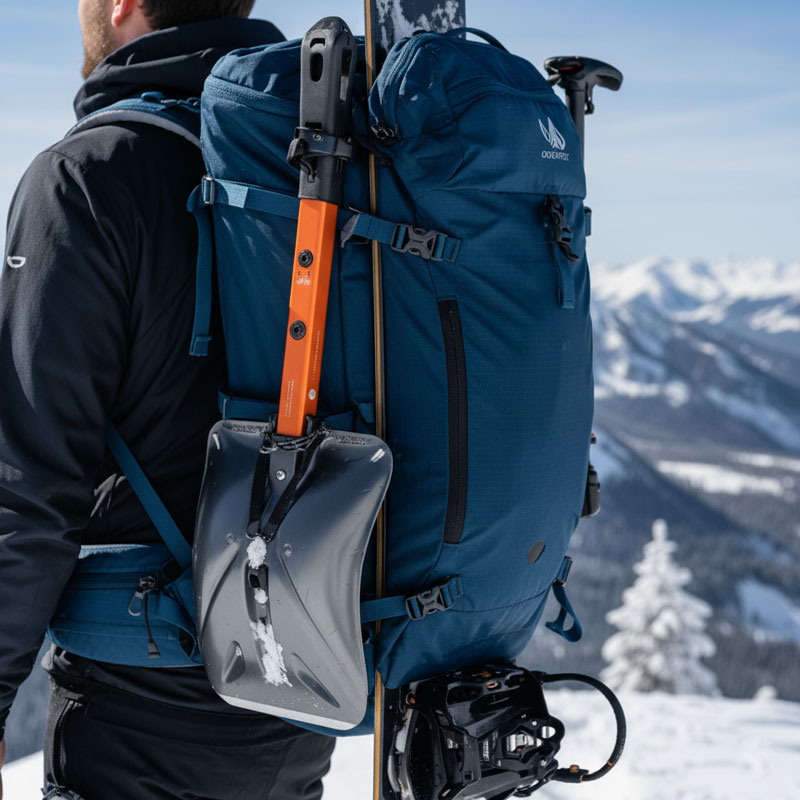
- Vertical Carry: This is the most common method, where the board is strapped vertically to the back of the pack. It keeps the pack’s profile narrow, which is ideal for tight spaces and dense trees.
- A-Frame Carry: The two halves of the splitboard are strapped to the sides of the pack, creating an “A” shape. This method is excellent for distributing weight more evenly and is often preferred for long bootpacks.
- Diagonal Ski Carry: While primarily for skis, some splitboard packs have a diagonal carry option. This is useful for quick transitions or if you’re carrying just one half of the board.
Most quality packs will offer at least two of these options, providing versatility for different situations.
Avalanche Tool Pocket
This is not a nice-to-have; it’s a must-have. A separate, quick-access pocket for your shovel blade, shovel handle, and probe is crucial for avalanche safety. It keeps your tools organized and ready for use in a matter of seconds without having to dig through your main compartment. Look for a pocket that is easily opened with gloves on and has dedicated sleeves to keep your tools from rattling around.
Helmet Carry System
A dedicated helmet carry system, either deployable from a pocket or made of external straps, is a great feature. It allows you to attach your helmet to the outside of the pack when you’re skinning uphill, preventing it from taking up valuable space inside.
Hydration and Insulated Sleeves
Staying hydrated is key in the backcountry. A good splitboard pack will have an internal sleeve for a hydration reservoir and a port for the hose. Even better is an insulated sleeve in the shoulder strap, which prevents your drinking tube from freezing in cold temperatures. If you prefer bottles, look for a pack with external pockets that are easy to reach.
Back Panel Access
Back panel access is a fantastic feature that allows you to open the main compartment from the back of the pack. This means you can get to your gear, like that extra layer at the bottom, without having to un-strap your splitboard from the front. It’s a huge time-saver and keeps your gear from getting covered in snow.
Materials and Durability
The material of the pack is a key factor in its durability, weight, and weather resistance. Look for tough, abrasion-resistant fabrics like nylon or polyester, with a high denier (D) rating. Many modern packs are made from recycled materials, which is a great bonus. A water-repellent (DWR) coating and water-resistant zippers are also essential for keeping your gear dry.
Conclusion
Choosing a splitboard backpack is a personal decision that depends on your specific needs and the type of terrain you plan to explore. Start by determining the right size for your typical trips, then focus on finding a pack that fits your body correctly. Finally, prioritize essential features like avalanche tool pockets, a versatile carry system for your board, and a comfortable suspension. By taking the time to research and try on different packs, you’ll find one that not only carries your gear but also enhances every aspect of your splitboarding journey, from the skin track to the fresh powder on the way down.