Black Friday Ski Jackets Deals of 2025
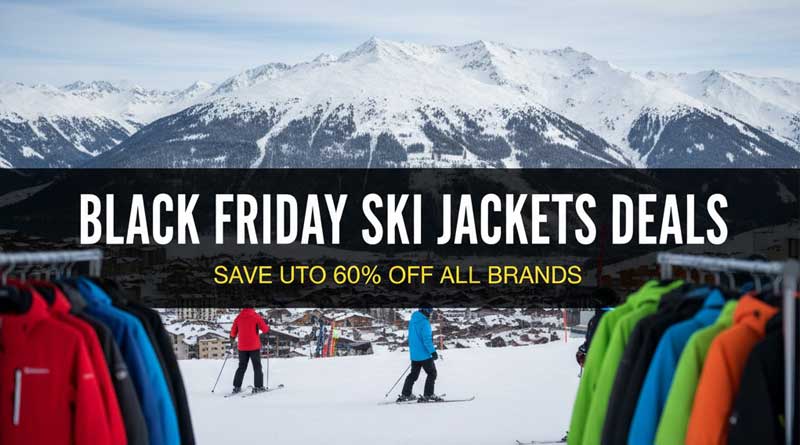
Black Friday is the best time of year to grab amazing deals on ski jackets. Whether you’re hitting the slopes for the first time or gearing up for another winter season, you can save big on top brands. From waterproof shells to insulated parkas, there are discounts for every style and budget. This guide will help you find the best Black Friday ski jacket deals so you can stay warm, dry, and comfortable without spending too much. Let’s check out the top offers this season.
1. REI Co-op Powderbound Insulated

- Type: Insulated
- Insulation: 80g & 60g polyester
- Waterproofing: 2-Layer Peak
- Best use: Resort
The REI Co-op Powderbound Insulated is a no-nonsense, budget-friendly ski jacket that gives you the essential features without the heavy price tag. The shell sheds light storms well and the hood fits over a helmet, so it works for lift laps and chill runs. Don’t expect the warmth of a heavy down parka — this jacket is best paired with a midlayer on truly cold days. The lining is soft and comfortable against the skin, and fleece-lined hand pockets add a cozy touch for quick chairlift stops.
Fit is a bit boxy, which gives room for layers but can feel roomy when you want a sleeker look. Venting is present via short pit zips, but they don’t ventilate as effectively as longer zips on higher-end jackets. The powder skirt seals out snow nicely, and the pocket layout covers the basics: handwarmers, a sleeve pass pocket and a chest pocket. For riders who want reliable weather resistance and good features for casual resort days, Powderbound is an economical pick that covers the essentials.
What I like: Bargain price, reasonable weather resistance
What I don’t: Not warm enough alone; ventilation could be better
View Men’s at REI View Women’s at REI
2. Columbia Whirlibird V

- Type: 3-in-1
- Insulation: Synthetic (Thermarator)
- Waterproofing: Omni-Tech
- Best use: Resort
The Columbia Whirlibird V Interchange is the classic all-weather jacket for people who want one coat that does a bunch of jobs. The zip-in liner and shell system means you can wear just the shell on wet days, the liner on dry cold days, or both when it’s properly miserable. Columbia packs it with practical touches — a helmet-compatible hood, underarm vents, ski-pass pocket and a goggle stash — so on-piste days feel organized. The Omni-Tech shell keeps slush and wet snow out while remaining reasonably breathable for active laps.
It isn’t a lightweight, slim-performance shell; the Whirlibird is thicker and a touch bulky with both layers zipped in. The liner plus the Omni-Heat reflective lining hold heat well, which is great for people who run cold. The non-removable hood can feel tight with some helmets, so try it with your setup. Overall, it’s hard to beat for versatility and value — a solid pick if you want one jacket to cover most resort days without spending top-dollar.
What I like: Versatile 3-in-1 design, excellent value for features
What I don’t: Slightly bulky; hood can feel tight with some helmets
View Men’s at REI View Women’s at REI
3. Helly Hansen Alpha LifaLoft (Men’s)

- Type: Hardshell
- Insulation: 80g LifaLoft
- Waterproofing: Helly Tech Professional
- Best use: Resort
The Helly Hansen Alpha LifaLoft blends weatherproof outer protection with surprisingly light insulation. The Helly Tech Professional shell keeps wind and moisture at bay while taped seams and a helmet-compatible removable hood add real-world usability on stormy days. LifaLoft insulation gives warmth without bulk and the jacket’s four-way stretch and articulated sleeves let you move naturally while skiing. Pit zips help dump heat on hard climbs or hot laps, making it a versatile resort performer.
Helly Hansen also includes thoughtful pocketing and tech features: an Aerogel-lined Life Pocket to protect electronics from cold, a pass pocket on the sleeve, and a mesh goggle stash. The fit is on the trim side — great for athletic riders but worth sizing carefully if you layer heavily. If you want a warm, technical-feeling jacket that isn’t a heavyweight bomber, the Alpha LifaLoft strikes a nice balance of mobility, weather protection and insulation.
What I like: Strong performance for the price, light warm insulation
What I don’t: Snug fit may not suit those who prefer roomy cuts
View at Backcountry View at EVO View at Amazon
4. Columbia Bugaboo III Interchange

- Type: 3-in-1
- Insulation: Omni-Heat reflective liner
- Waterproofing: 2-Layer Omni-Tech
- Best use: Resort
Columbia’s Bugaboo III Interchange is the affordable, familiar 3-in-1 option that’s been a go-to for years. The updated liner uses Omni-Heat reflective tech for added warmth without bulk, and the shell’s Omni-Tech membrane breathes better than older versions. Because everything zips together, it’s flexible — wear just the fleece liner for town, the shell for wet days, or both for full protection on cold, snowy runs. Practical pocketing and a removable hood make it easy to adapt between resort and everyday wear.
The build quality isn’t premium and the fit is generic, but for what it costs the Bugaboo delivers sensible features: secure hand pockets, a key clip inside, and a snow skirt to keep powder out. If you want a single jacket that handles most resort situations at a friendly price, this is a sensible pick. If you crave high-end materials or a refined tailored fit, it’s worth stepping up to a pricier model.
What I like: Good value, versatile 3-in-1 functionality
What I don’t: Generic fit, lower-end construction
See the Men’s Bugaboo III See the Women’s Bugaboo III
5. CAMEL CROWN Mountain Snow

- Type: 3-in-1
- Insulation: 240g (synthetic)
- Waterproofing: 10000mm
- Best use: Backcountry & Resort
The CAMEL CROWN Mountain Snow jacket is a budget-focused, feature-rich option aimed at skiers who want warmth and pockets without paying big brand prices. The thick 240g insulation feels toasty and the fleece inner is comfortable next to skin. A detachable hood and large pockets add convenience; the jacket claims solid waterproofing (10,000mm) that handles sleet and light storms. Design-wise it leans toward a cozy, ergonomic fit so it feels warm and wearable during long cold days.
It’s not a technical backcountry shell — materials and zippers feel consumer-grade — but the Mountain Snow is a surprisingly capable all-rounder for casual resort days and weekend outings. The double zipper can be fiddly, and construction won’t match premium outerwear, but if your priority is straightforward warmth and functionality at a low price, this jacket does the job well.
What I like: Warm, comfortable, good value for accessible insulation
What I don’t: Lower-end construction; double zipper can be awkward
View Men’s at Amazon View Women’s at Amazon
6. REI Co-op Powderbound 3-in-1

- Type: 3-in-1
- Insulation: 80g MidLoft synthetic
- Waterproofing: HydroWall™ 10,000 mm
- Fit/Length: Long-back (shell 33.75 in.)
The REI Co-op Powderbound 3-in-1 is a sensible all-season ski jacket that focuses on adaptability. The removable insulated liner and waterproof shell let you mix-and-match protection for stormy, cold, or mild days—use the shell alone for wet spring laps, the liner for chilly bluebird mornings, or snap them together for full winterproofing. Thoughtful touches like pit zips, a powder skirt, adjustable hood and cuffs, and a PFAS-free DWR finish mean the jacket covers most on-hill needs without fuss. The shell’s two-layer nylon is breathable and seam-taped for reliable wet-weather performance, while soft polyester lining improves comfort on long days.
The liner uses targeted 80 g fill in the body and 60 g in the sleeves to balance warmth and mobility, plus practical pockets including an internal chest pocket for valuables. When both pieces are combined the system provides solid warmth and coverage, though the bulk can feel noticeable during active touring or when you prefer a slim winter layering setup. Overall, Powderbound is a versatile, well-featured package for resort skiers who want one jacket that handles varied mountain conditions.
Pros: Versatile layering system; warm without heavy down; lots of ski-specific features.
Cons: Can feel bulky when both layers are worn; not ultralight for long tours.
View Men’s at REI View Women’s at REI
7. Outdoor Research Carbide

- Type: Shell
- Waterproofing: 3-layer Pertex Shield
- Weight: ~1.3 lb (lightweight)
- Fabric: 40D ripstop shell
The Outdoor Research Carbide is a no-nonsense waterproof shell aimed at backcountry and minimalist users who prioritize lightness and weather protection over built-in warmth. Its 3-layer Pertex Shield membrane stretches a little, breathes well, and is fully taped to keep out snow and sleet during long days on the skintrack. Key ski features—pit zips, a powder skirt, a pass pocket, and a two-way front zipper—are included, and the thin 40D ripstop shell keeps pack size and weight down for those who want to move fast.
Because it has no insulation, the Carbide is best paired with a thoughtful layering system: a breathable base, a warm midlayer, and possibly a down jacket for storm days. The shell’s thinness means it’s not designed to take the full abuse of all-mountain resort use day after day, but for ski tourers and hikers who value mobility and light weight it’s a strong, affordable 3-layer option. Expect great weather protection with minimal bulk, but plan insulation separately.
Pros: Lightweight, breathable 3-layer protection; good value for a technical shell.
Cons: No built-in insulation; shell is thinner than heavy-duty resort shells.
View Men’s OR Carbide View Women’s OR Carbide
8. Outdoor Research Snowcrew

- Type: Insulated jacket
- Insulation: VerticalX ECO (80g torso / 60g sleeves)
- Waterproofing: 2-layer Ventia
- Fit: Standard fit with stretch fabric
Outdoor Research’s Snowcrew blends practical on-hill features with adaptive synthetic insulation for skiers and riders who want warmth without sacrificing mobility. The stretch Ventia shell moves with you and the body-mapped VerticalX ECO fill places more loft where you need core warmth while trimming bulk in the sleeves and hood. The result is a jacket that feels comfortable during laps but still retains warmth on lift rides and during cold starts. A helmet-compatible hood with a wire brim, internal insulated pockets, a media port, and an arm pass pocket make the Snowcrew a very complete resort option.
Ventilation is effective—underarm zips plus mesh vents help dump heat on intense laps—and the synthetic insulation retains loft when damp, which is useful in variable conditions. The jacket’s zippers and hardware can feel a tad stiff, and the price sits above basic options, but performance, fit, and thoughtful detailing reward riders who want a well-rounded insulated shell for downhill days.
Pros: Well-mapped insulation; stretchy, comfortable shell; many ski-specific pockets.
Cons: Zippers can be stiff; higher price than entry-level insulated jackets.
View Men’s OR Snowcrew View Women’s OR Snowcrew
9. Trew Gear Jefferson
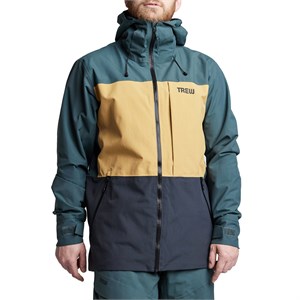
- Type: Shell
- Waterproofing: 2-layer PNW membrane
- Design: Longer cut for extra coverage
- Weight: Heavier shell construction
The Trew Gear Jefferson is a thoughtfully built, stylish shell that prioritizes durability and coverage for resort skiers who like a clean aesthetic. Its PNW two-layer shell handles wet Pacific Northwest storms and heavy snow with confidence, and the longer cut gives excellent protection from spray and powder. The jacket is uninsulated, so it’s intended to be combined with midlayers or a packable down on colder days—this makes it flexible but requires planning for colder conditions.
The Jefferson’s interior is smooth and comfortable, and it includes standard ski features such as pit vents and interior and exterior pockets laid out sensibly. Where it loses points for some users is weight: the shell is relatively heavy for a non-insulated jacket, so it’s not ideal for long sidecountry approaches. For in-bounds use or anyone wanting a rugged, well-organized shell that looks as good at the lodge as it does on the lift, the Jefferson is a solid pick.
Pros: Durable, well-constructed shell; good coverage and useful pocket layout.
Cons: Heavy for a shell; you must add insulation separately for cold days.
View Men’s Jefferson View Women’s Astoria
10. Patagonia Powder Town
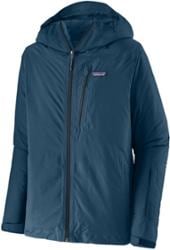
- Type: Hardshell with insulation
- Insulation: 80g Thermogreen core / 40g sleeves
- Waterproofing: H2No membrane
- Features: Insulated hood and powder skirt
Patagonia’s Powder Town is an insulated hardshell that aims for straightforward warmth and comfort without feeling overly bulky. The Thermogreen synthetic insulation is concentrated in the torso with lighter fill in the sleeves, giving strong core warmth while keeping arm mobility good. The H2No shell is soft and flexible rather than stiff, which makes the jacket feel comfortable moving between riding and casual use. The insulated hood and built-in powder skirt are practical touches for storm days, and fleece-lined hand pockets add small but appreciated comfort details.
The design is clean and streamlined with essential ski features like a sleeve pass pocket and interior storage. It runs slightly roomy—helpful for layering, but worth noting if you prefer a trim fit—and there’s little collar insulation which some users miss. Overall, Powder Town is an attractive choice for resort skiers who want dependable, ready-to-wear insulation in a jacket that transitions well off the mountain.
Pros: Comfortable insulated shell; good core warmth; neat, streamlined design.
Cons: Collar lacks insulation; fits a bit large for some buyers.
View Men’s Powder Town View Women’s Powder Town
11. REI Co-op First Chair GTX

- Type: Shell
- Waterproofing: 2-layer Gore-Tex
- Features: Seven pockets, waterproof zips
- Fit: Long hem and helmet-friendly hood
The REI Co-op First Chair GTX is a high-value Gore-Tex shell that focuses on solid weather protection and practical on-hill features. With a 2-layer Gore-Tex face fabric, a durable DWR finish, and waterproof zippers, the jacket’s main job—keeping out wind, rain and snow—is accomplished cleanly. The shell includes a thin interior liner for comfort, a large helmet-compatible hood, pit vents for airflow, and a roomy pocket layout that handles the usual ski day essentials with ease.
It’s not an insulated jacket, so you’ll want to pair it with insulating layers for cold days. The ventilation and long hem make it versatile across spring-to-winter conditions, and the price point makes Gore-Tex accessible to many riders. Fit-wise, cuffs can feel a touch oversized, but most users will appreciate the coverage and the straightforward, durable design that prioritizes function over frills.
Pros: Affordable Gore-Tex protection; lots of pockets and ventilation; long coverage.
Cons: Requires layering for warmth; cuffs may run oversized.
View Men’s at REI View Women’s at REI
12. Columbia Last Tracks (Men’s)

- Type: Hardshell with insulation
- Insulation: 80g synthetic
- Waterproofing: Omni-Tech + Omni-Heat liner
- Fit/Style: Sleek, everyday-wearable cut
Columbia’s Last Tracks is a budget-friendly ski jacket that combines 80-gram synthetic insulation with Omni-Tech waterproofing and an Omni-Heat reflective liner to offer solid warmth and weather protection for the price. It’s a practical pick for beginner skiers or anyone who wants a reliable winter jacket that doubles as a casual coat. Critical seam sealing and adjustable cuffs, plus a removable hood and snap-back snow skirt, mean you get most of the must-have features without premium brand pricing.
The jacket lacks pit zips, so ventilation is limited on high-output spring days, and Columbia’s waterproofing, while effective, is not on par with high-end membranes like Gore-Tex. Still, the Last Tracks is comfortable, warm, and versatile for both slope days and daily winter use. If you want a straightforward, affordable way to stay dry and warm on the mountain without specialty-level performance demands, this jacket is a sensible choice.
Pros: Excellent value; warm and simple to use; good everyday versatility.
Cons: No pit zips; waterproofing not as premium as Gore-Tex.
13. The North Face Freedom Insulated

- Type: Hardshell with insulation
- Insulation: 80g Heatseeker Eco
- Waterproofing: 2-layer DryVent
- Features: Mesh underarm vents, goggle wipe pocket
The North Face Freedom Insulated blends dependable DryVent waterproofing with Heatseeker Eco synthetic insulation to deliver a comfortable, mountain-ready jacket for resort skiers. The fabric system sheds snow and rain while allowing moisture to escape, and the insulation’s hollow-core fibers provide warmth on lift rides without excessive bulk. Practical features such as a helmet-compatible hood with hidden cordlock, adjustable cuffs, an internal mesh pocket, and a wrist pocket with a goggle wipe make this jacket a convenient on-hill companion.
Fit is slightly on the roomier side, which accommodates layers well but may feel bulky to riders who prefer slim silhouettes. The Freedom Insulated is a strong middle-ground option: more technical and better performing than basic department-store coats, but priced and built for mainstream resort use rather than hardcore alpine objectives. If you want a comfortable, feature-rich insulated jacket that performs reliably in cold and wet conditions, this is a dependable choice.
Pros: Solid waterproofing and insulation; lots of practical ski features; breathable vents.
Cons: Slightly bulky fit for those wanting a trim profile.
View Men’s North Face Freedom View Women’s North Face Freedom
How to Shop Ski Jackets on Black Friday
Black Friday is one of the best times to buy a ski jacket — if you go in prepared. Stores and online retailers drop prices, bundle extras, and clear last season’s inventory. But a deep discount doesn’t always mean a great buy. This guide walks you through how to shop smart on Black Friday so you get a jacket that fits, performs in cold and wet conditions, and lasts multiple seasons. Follow the steps, check the features, and use the strategies below to spot real deals and avoid buyer’s remorse.
Before Black Friday: homework and preparation
Set your priorities
Decide what matters most: warmth, waterproofing, weight, or style. If you ski in wet coastal areas, waterproofing and taped seams may be top priorities. If you like backcountry touring, weight and breathability matter more. Knowing your priorities helps you focus on jackets that meet your needs instead of chasing the lowest price.
Do brand and model research
Make a short list of brands and models you trust. Read recent reviews and look for durability reports and long-term impressions. Pay attention to shell materials, insulation types, and any recurring complaints about zippers or seams. Bookmark product pages and screenshots of regular prices — these help you judge how good a Black Friday discount really is.
Measure and size ahead of time
Know your measurements (chest, shoulders, sleeve length) and compare to each brand’s size chart. Ski jackets vary widely by cut — some run slim for layering control, others are roomier for heavy mid-layers. If you can, try on similar models in-store before Black Friday. That saves time and avoids returns later.
Key ski jacket features to check
Waterproof rating and membrane
Look for a waterproof rating or named membrane (e.g., Gore-Tex, eVent, proprietary membranes). Ratings like 10,000mm to 20,000mm indicate how much water pressure the fabric resists. For most resort skiers, 10k–15k is fine; for wet, coastal, or expedition conditions, aim for 20k or higher.
Seam sealing and zippers
Fully taped seams and waterproof zippers keep water out where it matters. Check product images or descriptions for taped seams and durable zipper brands. On discounted items, examine return policies in case a zipper fails after a few uses.
Insulation type: down vs synthetic
Down is warmer for its weight and compresses well for travel. Synthetic insulation keeps insulating value when wet and usually costs less. Consider the climate and how often you’ll be in wet conditions when choosing the fill type.
Breathability and vents
Breathability matters when you hike, skin, or ski hard. Look for jackets with pit zips or mesh-lined vents. A highly waterproof shell with low breathability will trap sweat during exertion.
Hood, powder skirt, and fit features
A helmet-compatible hood, a detachable or fixed powder skirt, adjustable cuffs, and hem drawcords all add weather protection and comfort. Check hood adjustability and whether the jacket sits well over your layers without restricting movement.
Black Friday shopping strategies
Compare price history
Use price trackers or saved screenshots to compare the Black Friday price to the jacket’s usual price. Some “deals” are small markdowns or temporary price hikes earlier in the season. A real deal should be noticeably lower than the typical sale price.
Shop early and late — both have advantages
Early morning Black Friday deals and pre-Black Friday sales can have strong stock and selectable sizes. Later in the day or weekend, deeper clearances often appear as retailers make room for new inventory. If you need a specific size or color, buy early; if you want the absolute lowest price and can accept limited sizes, wait for later markdowns.
Use retailer protections
Favor stores with easy returns, price adjustments, and clear warranty policies. Check whether online purchases are eligible for in-store returns or exchanges — that makes it easier to try on and return without shipping hassle.
Sign up for alerts and loyalty perks
Subscribe to newsletters from trusted retailers to receive early access codes or loyalty discounts. Retailers often give members extra stacking discounts or early access to doorbuster items.
Online vs in-store buying tips
Buying online
Online gives the broadest selection and easy price comparisons. Use filters to narrow by size, waterproof rating, and insulation. Double-check shipping times and return windows — holiday returns can take longer. Keep screenshots of the listing and final checkout price until your order arrives.
Buying in-store
In-store allows immediate fit checks and hands-on inspection. Bring the base and mid-layers you plan to wear while skiing so you can try jackets together. Ask staff about floor models from previous seasons; some stores hold secret floor deals not listed online.
Sizing, layering, and final checks
Layering test
Try layering a thin base, a midweight fleece, and the jacket to make sure you have room for movement. Lift your arms, bend, and simulate skiing positions to ensure sleeves and hem stay in place. A jacket that is too tight will make even the best insulation feel warm and restrictive.
Inspect details
Check pockets, seam taping, and zipper action. Make sure hood adjusts easily and that drawcords are not frayed. For online orders, inspect immediately upon arrival and try on with layers; report defects to the retailer quickly.
After the purchase: care and warranty
Follow care instructions
Wash and dry according to the manufacturer to maintain waterproofing and loft. Many shells benefit from a DWR (durable water repellent) refresh every season with a spray-on or wash-in product.
Register warranty and keep receipts
Register the product when possible and keep your receipt or order confirmation. Warranties and repair services are valuable for jackets you expect to use hard and often.
Quick Black Friday checklist
- Decide priorities (waterproofing, warmth, weight).
- Measure and compare sizes from brand charts.
- Bookmark product pages and take price screenshots.
- Check waterproof rating, seam taping, and insulation type.
- Confirm return policy and warranty before buying.
- Test fit with intended layers or try on in-store.
- Keep receipts and inspect product immediately upon arrival.
Final thoughts
Black Friday offers excellent chances to get a high-quality ski jacket at a much lower price — but only if you prepare, know what features matter, and check the fine print. Focus on fit and essential weather-proofing features first, then look at the discount. With the right research and a clear checklist, you’ll leave Black Friday with a jacket that keeps you warm, dry, and comfortable on every run.