

Best Heated Ski Gloves of 2026
Staying warm on the slopes can make all the difference between a great ski day and a miserable one. That’s where heated ski gloves come in. These smart gloves use built-in heating elements to keep your fingers toasty, even in freezing temperatures. Whether you’re skiing, snowboarding, or just spending time outdoors in winter, they offer comfort and protection against the cold. In this guide, we’ll share the best heated ski gloves that deliver reliable warmth, comfort, and battery life for every winter adventure.
1. Outdoor Research Prevail
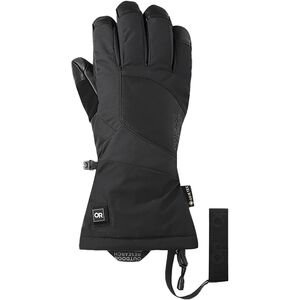
- Heating: Rechargeable lithium-ion batteries (included)
- Membrane: GORE-TEX insert — waterproof, windproof, breathable
- Insulation: EnduraLoft synthetic insulation that performs when wet
- Construction: Goat leather palm, glove clip + removable leash
The Outdoor Research Prevail brings battery-powered heat into a technically impressive glove shell. Fit is narrow, so sizing up is common advice, but the hardware and materials sell the concept: a Gore-Tex insert keeps moisture out while letting sweat escape, EnduraLoft provides dependable synthetic warmth even if conditions get damp, and a goat-leather palm gives grip and durability for boot buckles and pole handles. The included rechargeable lithium-ion batteries, charger and cables are convenient and deliver sensible runtimes across settings, making these gloves useful for long resort days or colder backcountry laps.
Performance under power is solid — heat is delivered to key zones and the glove still feels useable when the system is off. The narrow fit will frustrate those with broader hands, and the reliance on battery power adds weight and periodic charging compared with passive mitts. For shoppers wanting a fully featured heated glove that blends modern membranes, durable materials, and built-in heat hardware, the Prevail is a compelling option; just size up if you have average-to-wide hands and be ready to manage battery charging between outings.
Pros:
- Reliable Gore-Tex weather protection
- Durable goat leather palm with good grip
- Warm insulation that works when wet
- Included charger and long runtimes
Cons:
- Narrow fit—many need to size up
- Added weight and complexity from batteries
See the Outdoor Research Prevail Gloves See the Outdoor Research Prevail Mitts
2. Waestcia Heated Gloves

- Battery: Dual 7.4V 3000mAh batteries — up to ~8 hours low
- Temperature: 3 heat levels with visible indicator lights
- Materials: Multi-layer cotton/velvet/polyester construction
- Features: Touchscreen fingertips, reflective strips, hanging loop
Waestcia’s heated gloves are designed to be an approachable all-rounder: long battery life, quick heat up, and user-friendly features like a battery indicator and touchscreen compatibility. The dual 7.4V batteries supply solid heating performance and the gloves advertise temperature ranges for each setting, which makes it easy to choose the right warmth level for activity or weather. The layered material structure and elastic palm fibers aim to balance insulation, wind protection, and grip for skiing and other cold-weather pursuits.
The gloves also include thoughtful usability details — adjustable cuffs, reflective accents for low-light visibility, and a wrist hanging loop for storage. Fit is generally ergonomic, though the multi-layer build adds thickness that slightly reduces fine motor control. For folks who want dependable, long-running heat with straightforward controls and safety-focused batteries, Waestcia offers a comfortable, well-equipped option suitable for winter adventures and daily use.
Pros:
- Long battery life with clear charge indicators
- Rapid heat-up and three temperature levels
- Touchscreen compatibility and reflective safety details
- Comfortable, insulated multi-layer construction
Cons:
- Layered build reduces fingertip dexterity
- May feel bulky for very technical skiers
See the Waestcia Heated Gloves
3. Hestra Power Heater

- Fabric type: 70% Synthetic / 30% Leather
- Outer material: Breathable Hestra Flextron polyamide
- Palm: Proofed goat leather
- Membrane: C-ZONE Insert waterproof and windproof
The Hestra Power Heater Gauntlet Electric Ski Glove is a rechargeable heated glove designed for men and women who need reliable warmth on cold ski and snowboarding days. The combination of Hestra Flextron polyamide and proofed goat leather on the palm gives you a durable, flexible feel while maintaining good grip on poles or boards. The C-ZONE Insert acts as an internal membrane that makes the glove waterproof. The heating system is built into the glove and powered by a rechargeable battery.
In real use, the gauntlet style extends over the jacket cuff to block wind and snow from entering at the wrist. The leather palm holds up well to repeated gripping, and the synthetic fabric keeps the glove relatively lightweight. The heated elements warm the fingers and back of the hand, which is where cold typically hits first. Battery life depends on the heat setting, so higher settings drain faster. The gloves are not the cheapest option, and they require charging before each trip.
Pros:
- Waterproof C-ZONE membrane
- Leather palm grip
- Rechargeable heat
- Gauntlet cuff
Cons:
- Expensive
- Needs charging
- Battery life varies by heat setting
4. Hestra Power Mitts

- Heating: Replaceable rechargeable battery with 3 heat levels
- Shell: Impregnated goat leather + Hestra Flextron softshell
- Insulation: G-Loft synthetic fill — breathable and quick-drying
- Insert: CZone waterproof, breathable membrane
The Hestra Power Heater Gauntlet Mitt is built for serious winter use where warmth and durability matter. Its gauntlet shape traps heat and the CZone insert provides a confident waterproof barrier while allowing moisture to escape. Heating is controlled via an easy-to-reach button integrated into the backhand logo, and the replaceable battery system means you can carry spares for multi-day tours or long lift days. Materials like impregnated goat leather and Flextron softshell keep the mitt rugged yet flexible and the G-Loft insulation stays warm even when wet.
Battery life is impressive for a mitten style — you can expect long low-level runtimes and usable medium/high durations for active use. The gauntlet form favors warmth over dexterity, so it’s ideal for riders and skiers who prioritize heat and protection over fiddly tasks. Hestra also includes wrist straps to prevent drops, which is a small but thoughtful touch. If you want a heated mitt that blends traditional craftsmanship with modern heating tech, Hestra Power is an excellent, dependable choice.
Pros:
- Long battery runtimes and replaceable cells
- Durable leather and flexible softshell blend
- Warm, wet-performing G-Loft insulation
- Waterproof CZone insert
Cons:
- Mittens sacrifice fingertip dexterity
- Higher price point than basic heated gloves
5. WASOTO Heated Gloves
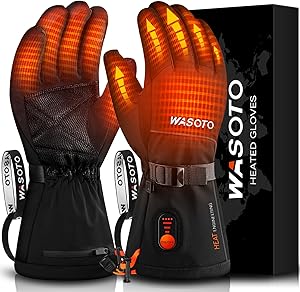
- Heating: 7.4V rechargeable battery, up to ~8 hours (low)
- Heating tech: Double-row 30K heating wire to fingertips
- Materials: Superfine fibre palm, velvet lining, 7-layer construction
- Features: Touchscreen thumb & index, power-display battery indicator
WASOTO’s heated gloves focus on delivering fingertip warmth quickly using a high-voltage 7.4V system and dense heating wire coverage. The gloves prioritize practical features: a visible battery power display, touchscreen compatibility on the thumb and index, and a robust multi-layer build that includes a soft velvet lining for comfort. The superfine fibre palm improves grip and wear resistance compared with basic PU palms, and the battery system promises faster heat up and better low-temperature performance than some cheaper 5V packs.
These gloves are a strong budget option for skiers or outdoor enthusiasts who want clear battery readouts and fingertip heating without a premium brand price tag. Fit tends to be ergonomic and sport-oriented, though the layered construction adds bulk that reduces fine dexterity. Battery quality and safety certifications are emphasized, and WASOTO includes customer support and warranty coverage. For anyone who needs touchscreen use, visible battery status, and aggressive fingertip heat on cold days, these gloves deliver solid value.
Pros:
- Fast heating and fingertip coverage
- Clear battery power display
- Touchscreen-capable without removing gloves
- Durable superfine fibre palm
Cons:
- Bulkier than minimal insulated gloves
- Aftermarket batteries may be needed for extended use
6. Outdoor Research Sureshot – Women’s

- Heating: ALTIHeat™ battery-powered system with rechargeable batteries
- Shell: 2-layer 2-way stretch woven (88% nylon / 12% spandex)
- Insulation: 100 g EnduraLoft synthetic insulation
- Features: Touch-screen compatible, zippered gauntlet, glove clip
The Outdoor Research Sureshot for women blends a close, athletic fit with built-in ALTIHeat battery technology to keep fingers warm during long days on piste. The 2-way stretch woven shell feels light and breathable while resisting wind and light moisture; EnduraLoft insulation provides reliable warmth even if conditions get damp. The women’s sizing and cut favor a snug, comfortable fit that makes pole handling and boot buckling easy, while the battery system offers customizable heat when temperatures drop.
Because the fit is trim, those who prefer roomier liners may choose a size up, but the slim profile does a good job of maintaining dexterity and control. Practical touches like zippered gauntlets, undercuff construction, and a glove clip add everyday convenience. If you want a feminine-cut, tech-forward heated glove that balances warmth, breathability, and good on-hand feel, the Sureshot is an excellent pick for resort riders who value both performance and a streamlined fit.
Pros:
- Streamlined, athletic fit for control
- Effective EnduraLoft insulation that handles moisture
- Touch-screen compatible and practical gauntlet features
- Included rechargeable batteries and heat control
Cons:
- Trim fit may be too narrow for some users
- Battery management adds extra steps between trips
See the Outdoor Research Sureshot
7. Seirus Heat Touch Atlas Mid

- Heating: USB-rechargeable 2200mAh batteries included
- Insulation: Heatlock polyester with 2 mm HeatFlex™ foam
- Insert: Dryhand™ waterproof/breathable insert
- Features: Flexible Fusion™ heat panels wrap fingertips, touchscreen Amara palms
The Seirus Heat Touch Atlas Mid is built for extended time in the cold: its USB-rechargeable batteries and multi-hour runtimes on each heat setting make it suitable for full days on the mountain. Heat panels are designed to wrap around the fingertips and the backs of the hands, which improves perceived warmth versus back-of-hand-only systems. The Dryhand waterproof insert and Heatlock insulation work together to keep fingers dry and warm while spacer-knit shells and a slim under-cuff profile make it easy to layer under jacket sleeves.
Practical construction and user-focused details — a waterproof zipper battery pocket, touchscreen-friendly palms, and secure glove leashes — make the Atlas Mid a versatile choice for resort goers and backcountry users who want dependable heat without massive bulk. Charging takes a few hours, but the included batteries and charger are matched to the glove, and the overall package balances comfort, weather protection, and reliable powered warmth.
Pros:
- Wraparound fingertip heat panels for even warmth
- USB batteries included and easy to charge
- Waterproof Dryhand insert and good insulation
- Slim under-cuff fits well under jackets
Cons:
- Mid-weight feel may limit fine dexterity
- Battery runtime varies by heat setting
See the Seirus Heat Touch Atlas Mid
8. Seirus Heat Touch Hellfire

- Heating: Rechargeable 3000mAh batteries with up to 12 hrs (low)
- Shell: Premium leather shell with ToughTek palm overlays
- Insulation: 280 g Heatlock™ insulation for heavy cold
- Features: Dryhand™ waterproof insert, leather SoundTouch™ fingers
The Seirus Heat Touch Hellfire is oriented toward riders and adventurers who want maximum powered warmth combined with premium materials. The leather shell and robust Heatlock insulation create a highly protective envelope for very cold conditions, while the heating system offers long runtimes at low settings and strong output when cranked up. Heat panels wrap the backs of hands and fingertips for consistent warmth, and practical details such as secure battery pockets and touch-sensitive leather tips keep the gloves functional on the hill.
These gloves are heavier and built for warmth first, dexterity second; that makes them ideal for cold weather missions, long chairlift waits, or early/late season days when temperatures dive. The premium shell and thoughtful construction justify the higher price for buyers who need serious heat and durable materials. If you want a powerful, long-lasting heated glove that will stand up to extended cold, the Hellfire is a top contender.
Pros:
- Exceptional insulation with long battery life
- Premium leather and durable palm overlays
- Wraparound heating for fingertips and backs of hands
- Waterproof Dryhand insert and secure battery pocket
Cons:
- Heavy and less dexterous than lighter gloves
- Price reflects premium materials and heating tech
See the Seirus Heat Touch Hellfire
How to Choose Heated Ski Gloves
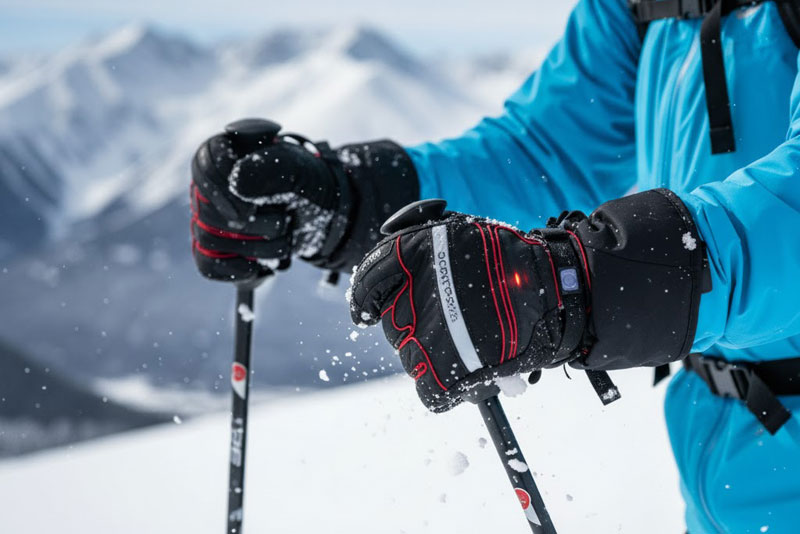
Choosing the right heated ski gloves can transform a cold day on the mountain into a warm, enjoyable experience. With many models, heating technologies, battery capacities, and fit options available, it’s easy to feel overwhelmed. This guide breaks down the most important factors—insulation, heating elements, battery life, fit, materials, and extra features—so you can make a confident choice that keeps your hands warm without sacrificing dexterity.
Understand Your Needs
Begin by thinking about how and where you ski. Are you a backcountry skier or a resort rider who stops frequently? Backcountry skiers need longer battery life and durable, weather-resistant gloves. Resort skiers may prefer lighter gloves with quick heating and better breathability. Consider typical temperatures and whether you run cold even in mild conditions. Your intended use affects which features are most important.
Heating Technology and Elements
Heated gloves use thin heating elements—usually carbon fiber or metallic threads—placed across the fingers, back of the hand, and sometimes the thumb. Carbon fiber heaters are flexible and distribute heat evenly. Check how many heating zones a glove has; more zones provide balanced warmth. Look for gloves with adjustable heat settings so you can control temperature and battery drain.
Placement and Coverage
Heating elements over the fingertips and between fingers are most effective for preventing numbness, since fingertips lose heat fastest. Coverage that includes the back of the hand helps maintain overall warmth. Some designs include removable liners with heating elements, which let you wash the shell or use the liner alone on milder days.
Battery Life and Power
Battery capacity is measured in milliamp-hours (mAh). Larger mAh usually means longer runtime, but heavier batteries add bulk. For half-day outings, a 2000–4000 mAh battery may be sufficient; for full-day or backcountry trips, look for 5000 mAh or higher. Check manufacturer runtime estimates at different heat settings. Swappable batteries let you carry a spare to extend runtime without recharging.
Charging and Compatibility
Confirm charging methods and charging time. Many batteries use USB chargers. Faster charging is convenient, but safety matters—quality batteries include protections against overcharging. If you plan to use power banks in the field, check whether the glove’s battery accepts external charging or can be powered directly by a USB power bank.
Insulation, Waterproofing, and Breathability
Insulation works alongside heating elements to retain warmth. Common insulation types include synthetic fills like PrimaLoft. Synthetic performs better when wet and is usually preferred for skiing. The glove shell should be waterproof or highly water-resistant; breathable membranes prevent sweat buildup, which can make hands cold once activity slows. A balanced glove keeps moisture out while letting vapor escape.
Fit and Dexterity
A proper fit is essential. Gloves that are too tight reduce circulation and make you colder; gloves that are too loose let cold air in and reduce dexterity. Heated gloves need a bit of extra room to accommodate heating elements and batteries, so try on gloves with liners or batteries you plan to use. Pay attention to finger length and thumb position; pre-curved fingers improve grip. Test wrist straps and cuff closures to ensure a snug seal against snow and wind.
Liners vs. Mittens
Decide between gloves and mittens. Mittens keep fingers together and conserve heat better, but they reduce dexterity for tasks like adjusting bindings. Heated liners offer versatility: wear them inside a shell, or use them alone on warmer days. Liners are also easier to wash and dry. If you prioritize warmth over finger mobility, mittens with heating elements are a strong option.
Materials and Durability
Durable materials like goat leather or reinforced synthetics prolong glove life. Leather offers great grip and weather resistance but requires more care. Synthetic shells are lighter and easier to maintain. Consider reinforced palms and fingertips if you use poles frequently. Check manufacturer warranties and repair policies; quality brands often support battery or component repairs.
Safety and Certifications
Buy gloves from reputable brands with quality control and certifications. Batteries should have protection circuits, and heating elements must be insulated to avoid hot spots or shorting. Look for gloves that include clear instructions for battery handling, charging, and storage. Never use gloves with damaged wiring, and follow manufacturer guidance for washing to prevent electrical faults.
Extra Features to Consider
- Touchscreen-compatible fingertips for phone use without removing gloves.
- Wrist and cuff closures to keep snow out and heat in.
- Pockets for spare batteries or hand warmers.
- Reflective accents for visibility in low light.
- Removable liners for washing.
Price and Warranty
Heated gloves range from budget models to premium, feature-rich options. Higher price often brings better batteries, more durable materials, and longer warranties. Factor in long-term costs—replacement batteries and repairs. A solid warranty indicates the manufacturer stands behind its product; prioritize brands offering clear warranty terms.
Practical Tips Before Buying
Try on gloves with the batteries and liners you plan to use. Test heat settings and ensure controls are reachable while wearing the gloves. If shopping online, check return policies and size guides carefully. Read user reviews for real-world feedback on battery longevity and warmth distribution. Finally, consider pairing heated gloves with good socks and a warm base layer—hand warmth often depends on overall circulation and core temperature.
Maintenance and Care
Proper maintenance extends glove life. Remove batteries before washing and follow manufacturer washing instructions—many heated liners are hand-wash or gentle cycle only. Dry batteries and electronic components separately and avoid high heat which can damage cells and wiring. Store gloves in a cool, dry place and recharge batteries periodically during the off-season to preserve capacity. Inspect gloves before each season for wear or damaged wiring and replace components as needed.
Conclusion
Choosing the right heated ski gloves means balancing warmth, battery life, fit, and durability. Understand your typical skiing conditions and prioritize the features that matter most—long battery life for backcountry days, lightweight dexterity for technical skiing, or touchscreen compatibility for convenience. With the right pair, you’ll stay warmer and enjoy more time on the slopes without numb, cold hands and comfort.