Best Hydration Packs for Skiing of 2026
Staying hydrated on the slopes is just as important as having the right gear. A good hydration pack makes it easy to drink water without stopping or removing your gloves. Whether you’re skiing groomed runs, exploring backcountry trails, or spending a full day in the snow, a reliable pack keeps your water from freezing and your essentials close at hand. In this guide, we’ve rounded up the best hydration packs for skiing to help you stay comfortable, hydrated, and ready for every run.
1. CamelBak Powderhound 12

- Frame Type: Frameless
- Capacity: 12 L (730 cu. in.)
- Reservoir: 2 L CamelBak Crux included
- Fit: Torso 17–21 in, Waist 28–46 in
The Powderhound 12 is built for full-day winter outings where weather and movement are unpredictable. It balances a springy, low-profile fit with enough cargo for an extra layer, avalanche safety tools, snacks, and a 2-liter reservoir. Snow Shield materials, a Snowshed back panel and the insulated Therminator harness keep wet, cold, and ice away from your gear and drinking tube. The Lift Access QR harness is useful on chair lifts — swing the pack for quick access without removing gloves or unfastening the hipbelt.
On the hill the Powderhound rides securely thanks to the removable stability belt and adjustable sternum strap. External straps let you carry skis or a snowboard, and the secure-zip pocket stores essentials safely. If you need a reliable winter-specific pack that prioritizes protection for electronics and hydration tube insulation, this one is a clear, well-thought-out choice for aggressive skiers who still want a compact carry. It’s not the lightest option, but the weatherproofing and organizational touches are worth the weight for many users.
Pros: Excellent weather protection, insulated tube, lift-friendly harness, avalanche storage.
Cons: Slightly heavier than ultralight options, limited cargo for extended tours.
2. N NEVO RHINO Backpack

- Weight: ~140 g (5 oz)
- Hydration: Includes 1.5 L bladder
- Fit: Adjustable webbing for uni-size fit
- Pockets: 2 elastic front pockets + zip phone pocket
The N NEVO RHINO is a stripped-down hydration vest aimed at runners and fast-moving hikers who want minimal bulk. It uses highly elastic, perforated fabric to stay breathable while hugging the torso comfortably. Two elastic front pockets hold soft bottles and energy gels without bounce, while a dedicated zip pocket keeps a phone secure. The included 1.5-liter bladder fits in a waterproof-lined main compartment so small items won’t get damp from moisture.
Adjustability is the RHINO’s strength: sliding chest clips and an elastic waist tightening ring let you fine-tune the fit for different body shapes and layering. The vest is focused on short to medium races and trail runs rather than multi-day adventures, but the external elastic cords and lightweight fabric make it a practical choice for anyone who values low weight and solid breathability. Customer care and broad usability for men and women add to the appeal, though it lacks the weatherproofing and insulation needed for winter sports.
Pros: Extremely light, adjustable fit, includes bladder, good for fast activities.
Cons: Not insulated for cold weather, limited storage for large items.
3. CamelBak Zoid Snow

- Frame Type: Frameless
- Capacity: 1 L (60 cu. in.)
- Reservoir: 2 L Crux included
- Fit: Torso 15–21 in
The Zoid Snow is a true minimalist for powder days when you want to travel light but stay hydrated. Its slim, low-profile silhouette is designed to be lift-friendly, slipping comfortably under a jacket or riding snug on top. Snow Shield fabrics and a Snowshed surface mean the shell sheds moisture and prevents snow from sticking, while the insulated Therminator harness protects the drinking tube from freezing on cold rides.
Although cargo space is modest, the Zoid nails the essentials: a secure zip pocket for keys and a small wallet, quick-access harness adjustments, and the reliable CamelBak Crux reservoir for consistent flow. If you want a no-frills, weather-resistant hydration solution that won’t interfere with mobility or layering, the Zoid is an appealing option. It won’t replace larger daypacks for longer tours, but for short laps and first-chair missions it’s efficient, warm, and unobtrusive.
Pros: Super low-profile, insulated tube, excellent snow-shedding, easy lift access.
Cons: Very limited storage, not suited for full-day gear hauling.
4. MARCHWAY Tactical Molle Hydration Pack
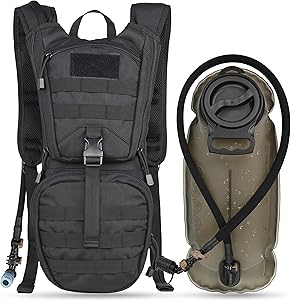
- Material: 1000D water-repellent nylon
- Hydration: Includes 3 L BPA-free TPU bladder
- Size: 19.7 x 8.7 x 2.6 in
- Features: MOLLE webbing, multiple pockets
The MARCHWAY Tactical pack is a rugged, utility-focused hydration carrier that borrows features from military-style gear to give serious versatility. Built from heavy-duty 1000 denier nylon, it’s abrasion-resistant and water-repellent, and the MOLLE system allows modular attachments for tools or pouches. The padded shoulder straps, soft air mesh and three adjustable straps reduce bounce for dynamic activities ranging from biking to skiing and paddling.
Its included 3-liter bladder is easy to fill via a wide mouth, accepts ice, and features a rotatable bite valve and on/off shut valve for controlled flow. Two external pockets manage essentials while a roomy main compartment handles the reservoir. This pack is an excellent choice if you want a durable, multifunctional hydration system that stands up to abuse and offers carrying flexibility. It’s heavier and less streamlined than minimalist running vests, but built to last and to carry extra kit.
Pros: Very durable, large bladder, MOLLE modularity, easy-to-clean reservoir.
Cons: Bulkier than running-specific vests, heavier for long-distance running.
5. CamelBak SnoBlast

- Frame Type: Frameless
- Capacity: 20 L (1,220 cu. in.)
- Reservoir: 2 L CamelBak Crux included
- Fit: Torso 17–21 in, Waist 24–46 in
The SnoBlast is aimed at skiers and riders who want full-day capability with reliable weather protection. With a 20-liter capacity, it swallows layers, lunch, small tools, and a 2-liter reservoir while still offering efficient carry through cargo compression and an expansion panel for extra storage. Snow Shield materials and Snowshed surfaces keep moisture and slush from soaking your kit, and the Therminator harness helps prevent the tube from freezing on cold days.
Thoughtful features include A-frame ski carry straps, three-zipper access for fast bottom-of-pack reach, and a lift-friendly Lift Access QR harness so you can spin the pack around on chair lifts. The SnoBlast is not an ultralight touring pack, but it’s an excellent resort partner: secure, roomy, and engineered for winter conditions. If your priority is weatherproofing and convenient storage rather than shaving ounces, this pack earns its place as a dependable, all-day slope companion.
Pros: Large capacity, great weather protection, ski carry, insulated tube.
Cons: Heavier for backcountry skinning, bulkier under jackets.
6. Unigear Hydration Pack
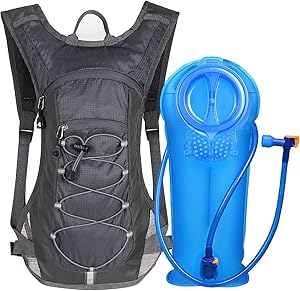
- Material: Lightweight splash-resistant nylon
- Hydration: Includes 2 L BPA-free bladder
- Size: 16.5 x 8 x 6 in
- Fit: Adjustable shoulder, chest and waist straps
The Unigear Hydration Pack is a budget-friendly, functional option designed for cyclists, runners, and day hikers who want simplicity and dependable hydration. It’s compact and aerodynamic with a small front pocket meant for race essentials like keys or an energy bar. The 2-liter bladder includes a screw cap and is easy to fill and clean, and the pack’s airflow design and waist straps reduce bounce during dynamic movement.
Unigear emphasizes durability and lightness while providing splash resistance for light weather. It won’t replace high-end, feature-rich hydration systems, but it delivers a clean, comfortable carry for short to medium outings. The pack’s minimal storage and lightweight build make it ideal for activities where low drag and steady hydration matter more than heavy-duty weatherproofing or large-volume storage.
Pros: Affordable, lightweight, includes 2L bladder, adjustable secure fit.
Cons: Limited pockets, not highly weatherproof for heavy rain or deep snow.
7. CamelBak Bootlegger

- Frame Type: Frameless
- Capacity: Carries reservoir only (no cargo)
- Reservoir: Crux 1.5 L included
- Fit: Torso 15–21 in, slim low-profile
The Bootlegger is a stealthy, ultra-low-profile hydration solution for skiers who prefer to keep their water close to body heat. Designed to fit under a jacket or be worn on top of a shell, it focuses exclusively on protecting the included 1.5-liter Crux reservoir and delivering freeze-resistant performance. Insulated reservoir compartment and tube protection mean fewer frozen sips when temperatures drop.
Dual-adjustable sternum straps and tube traps maintain a bounce-free fit while you move, and the compact design reduces bulk so you can layer efficiently. The Bootlegger is perfect for short runs, park laps, or riders who prioritize warmth and minimalism. Don’t choose it if you need space for tools or extra layers — it’s meant to carry hydration first, not cargo.
Pros: Very low-profile, excellent insulation for cold, secure fit, light weight.
Cons: No cargo capacity, limited to 1.5 L reservoir.
8. Gregory Nano 18

- Frame Type: Frameless
- Capacity: 18 L (1,098 cu. in.)
- Reservoir: Hydro 3 L included (separated zip compartment)
- Materials: Recycled nylon and polyester, C0 DWR
The Gregory Nano 18 is a versatile daypack that blends trail-ready comfort with a hydration-first mindset. It includes a quick-drying 3-liter reservoir stashed in its own zippered pocket, keeping dampness away from other gear. The grooved foam back panel and padded shoulder straps offer breathable comfort, while a removable webbing hipbelt balances heavier loads when you need it. Top drawcord access and multiple pockets make loading and accessing essentials straightforward.
What sets the Nano apart is its considered mix of sustainability and trail utility: recycled fabrics, a lightweight suspension, and reflective attachment loops for small accessories. It’s roomy enough for day hikes, commuting, or ski touring with lightweight kit, and the magnetic sternum buckle and hydration routing are practical touches. For hikers who want a well-built pack with integrated hydration and a modest ecological footprint, the Gregory Nano 18 is a strong, everyday option.
Pros: Spacious 18L capacity, 3L reservoir, breathable back panel, eco-minded materials.
Cons: Not highly insulated for winter-only use, may be overkill for ultra-light runners.
How to Choose Hydration Packs for Skiing
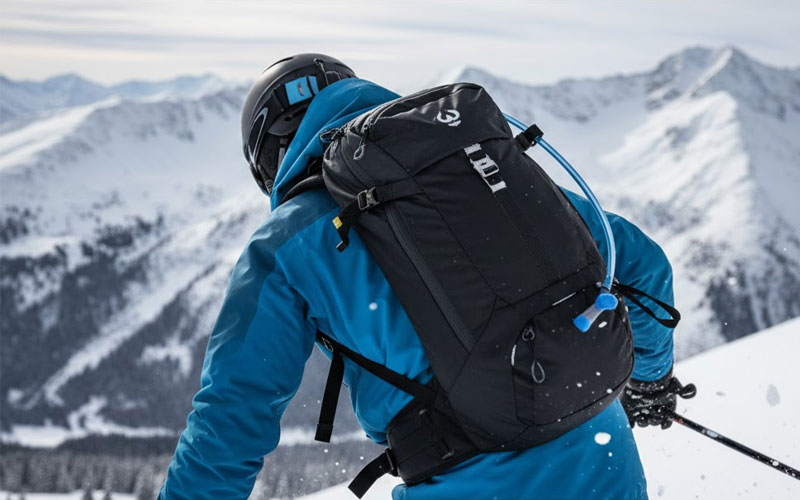
Staying hydrated while skiing is essential for maintaining energy, focus, and performance on the slopes. Dehydration can cause fatigue, muscle cramps, and reduced coordination — all of which can quickly ruin your day on the mountain. A good hydration pack allows you to carry water conveniently, without needing to stop and remove your gloves or backpack. Choosing the right hydration pack for skiing involves more than just capacity; factors like insulation, comfort, hose design, and storage options all play a part. Here’s a comprehensive guide to help you find the ideal hydration pack for your next skiing adventure.
1. Understanding the Basics of Hydration Packs
A hydration pack is a backpack or waist pack designed with an integrated water reservoir (or bladder) and a drinking tube that allows easy access to water while skiing. These packs are perfect for high-intensity activities where frequent hydration is needed without stopping. Skiing demands a pack that can handle cold conditions, fit comfortably under or over layers, and provide easy access to water on the go.
1.1 Hydration Bladder vs. Water Bottles
Most hydration packs come with a bladder that holds between 1 and 3 litres of water. The drinking hose extends from the bladder to your shoulder, so you can sip through a bite valve. This setup is more efficient than stopping to unscrew a bottle every time you need a drink. Bottles, however, are simpler and easier to clean, so some skiers prefer carrying one as a backup.
1.2 Why Choose a Ski-Specific Hydration Pack
Not all hydration packs are designed for cold conditions. A ski-specific hydration pack typically includes insulated hose sleeves, freeze-resistant valves, and insulation in the bladder compartment. These features prevent your water from freezing and make hydration effortless even in sub-zero temperatures.
2. Key Features to Look for
When shopping for a hydration pack, consider how each feature contributes to performance, comfort, and usability. The right combination of features can make a huge difference in how convenient your pack feels during long ski days.
2.1 Capacity
The capacity of a hydration pack refers to both the bladder size and total storage volume. For most skiers, a 2-litre bladder is ideal — enough to stay hydrated without adding too much weight. If you plan to ski all day or venture into the backcountry, a 3-litre option might be better. Total pack volume (measured in litres) usually ranges from 5L for minimalist designs to 20L for packs that also carry extra gear, snacks, and layers.
2.2 Insulation
Cold temperatures can cause water to freeze inside the hose or bladder. Look for a pack with insulation on both the drinking tube and reservoir sleeve. Some packs feature a thermal reflective layer that keeps the water from freezing. If your pack doesn’t include insulation, you can add aftermarket sleeves or use warm water at the start of the day to delay freezing.
2.3 Fit and Comfort
A good fit is crucial for both comfort and performance. Your hydration pack should sit snugly without bouncing around as you ski. Look for adjustable shoulder, chest, and waist straps. Women-specific models often offer contoured shoulder straps and shorter torso lengths for better fit. Padding on the back panel and straps can also enhance comfort and prevent chafing.
2.4 Accessibility
Easy access to your hose and bite valve ensures you can hydrate quickly. Many ski hydration packs come with hose routing through the shoulder strap, keeping it close to your mouth. Magnetic clips or loops secure the bite valve so it doesn’t swing around. Some advanced designs allow you to drink without removing gloves or even while wearing a helmet.
2.5 Storage Options
Consider what else you’ll carry in your pack. If you ski with extra layers, snacks, goggles, or avalanche gear, look for compartments and straps to organize your gear. Ski-specific packs often include pockets for goggles, helmet carry systems, and secure areas for avalanche probes or shovels. Minimalist packs focus on hydration and speed, ideal for short runs or resort skiing.
3. Choosing the Right Bladder Design
The bladder is the heart of any hydration pack. Quality and design determine how easy it is to fill, clean, and drink from.
3.1 Material and Durability
Most bladders are made from BPA-free polyurethane or polyethylene, which are lightweight and flexible. Choose one with a wide opening or top-slide closure for easy cleaning and drying. Reinforced seams and puncture-resistant materials are also beneficial for longevity, especially if you ski in rugged terrain.
3.2 Valve and Hose Design
The bite valve should be easy to use and resistant to leaks. Some models feature on/off switches or twist locks to prevent accidental spills. Look for insulated hoses to prevent freezing, and make sure they can be easily detached for cleaning or replacement. A 90-degree valve angle often works best for skiing because it allows comfortable sipping without tilting your head.
4. Special Considerations for Cold Weather
Hydration packs behave differently in winter compared to summer sports. Freezing temperatures can pose unique challenges that require specific design solutions.
4.1 Preventing Frozen Water
Even with insulation, extreme cold can freeze the bite valve or hose. To prevent this, blow air back into the tube after sipping to clear water from the exposed parts. Some skiers tuck the hose inside their jacket for extra warmth. If possible, keep your pack close to your body to use your body heat as insulation.
4.2 Using Warm Water
Filling your bladder with warm (not boiling) water helps delay freezing. This technique also feels more comfortable during the first few hours on cold mornings. However, be cautious with hot water, as it can damage the bladder material or seals.
4.3 Cleaning and Maintenance
After each trip, empty the bladder, rinse it thoroughly, and hang it to dry. Mold and bacteria can develop quickly in moist environments. Using cleaning tablets or mild soap keeps the system hygienic. Always store your hydration bladder with the cap open to allow airflow.
5. Choosing Between Backpack and Waist Pack Designs
Hydration packs for skiing generally come in two styles: backpacks and waist packs. Your choice depends on how much gear you carry and your skiing style.
5.1 Backpack Hydration Packs
These are the most common and versatile option, providing room for water and other essentials. They’re ideal for full-day skiing, backcountry tours, or alpine expeditions. Most ski hydration backpacks come with padded straps, adjustable sternum straps, and compartments for layers and gear. However, they can feel bulkier than waist packs.
5.2 Waist Hydration Packs
Waist packs, also known as lumbar packs, are smaller and lighter. They position the bladder around your hips for a balanced feel. These are great for resort skiing or short sessions where minimal gear is needed. The trade-off is reduced storage space and slightly less insulation.
6. Recommended Features for Backcountry Skiing
If you’re heading into the backcountry, your hydration pack should do more than hold water. Look for avalanche gear compartments, reinforced straps, and enough space for safety equipment. Compatibility with airbag systems or removable bladders can also be helpful for multi-use functionality. A durable, weather-resistant exterior fabric ensures your gear stays dry in snowy conditions.
7. Final Thoughts
Choosing the right hydration pack for skiing depends on your style, conditions, and duration on the mountain. If you mainly ski at resorts, a small insulated pack with a 2-litre bladder might suffice. For backcountry or all-day adventures, go for a larger, insulated pack with space for gear and snacks. Comfort, insulation, and hose accessibility are key. Remember that staying hydrated helps maintain energy and reaction time, keeping you safe and performing at your best. A thoughtfully chosen hydration pack can make every run smoother, safer, and more enjoyable.