
Best Wrist Guards for Snowboarding of 2026
Wrist guards are an essential piece of safety gear for snowboarders, especially for beginners or anyone learning new tricks. They help protect your wrists from painful sprains and fractures when you fall — which happens a lot on the slopes. The best wrist guards offer a balance of comfort, flexibility, and reliable protection without restricting movement. In this guide, we’ve rounded up the top wrist guards for snowboarding to help you ride with confidence and stay safe all season long.
1. Dakine Wrist Guard
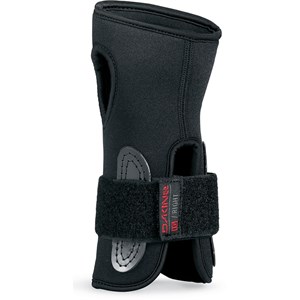
- Design: Low-profile for use inside gloves
- Support: Lightweight internal aluminum stay
- Material: Neoprene stretch body for comfort
- Adjustment: Hook-and-loop wrist cinch
The Dakine Wrist Guard aims to disappear under your glove while still giving solid protection when you need it. The low-profile silhouette and neoprene stretch body make these easy to slip on and keep on for an entire day of laps without rubbing or bunching. The aluminum stay provides enough rigidity to stop hyperextension but stays light so you barely notice it while carving or tweaking a grab.
For riders who want simple, reliable wrist protection that won’t ruin glove fit, these are a smart pick. They handle wet conditions well thanks to neoprene, and the adjustable cinch locks them in without being fussy. If you prefer minimal bulk but dependable reinforcement for park laps or resort riding, Dakine strikes a strong balance between comfort and safety.
Pros:
- Comfortable under gloves
- Good wet-weather performance
- Lightweight, unobtrusive support
Cons:
- Aluminum stay is less protective than thicker splints
- Not ideal for riders wanting maximum heavy-duty protection
2. CTHOPER Impact Wrist Guard
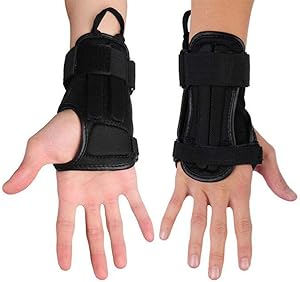
- Pack: Includes 2 pieces (pair)
- Fit: Adjustable straps; sizes S/M/L
- Protection: Tough padding with wrist splint
- Use: Multi-sport (skate, snowboard, ski)
The CTHOPER Impact Wrist Guard is built like a budget workhorse for riders and skaters who want clear, adjustable support without fuss. The split sizing and hook-and-loop straps let you dial in a snug fit across a wide range of palms, while the molded splint design helps limit risky wrist motion during a fall. They’re noticeably rigid compared with simple neoprene wraps, so they give confident stabilization for park work or first-time riders.
These guards are an accessible option for families or anyone stocking basic protective gear for multiple sports. They won’t replace a pro-grade race brace, but they do a very credible job reducing impact and spreading force across the palm. The materials are practical rather than premium, but the price-to-protection ratio is attractive if you want dependable support for learning or everyday riding.
Pros:
- Good value for the pair
- Adjustable fit across sizes
- Multipurpose for many sports
Cons:
- Materials feel basic vs premium brands
- May be bulky under some gloves
3. Burton Wrist Guards
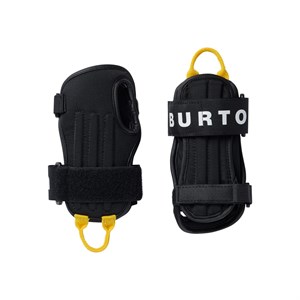
- Material: 100% polyester outer
- Insert: Reinforced polyethylene support
- Fit: Under-cuff low-profile design
- Closure: Adjustable hook-and-loop cuff
Burton’s Wrist Guards are made to be unnoticeable under gloves while offering meaningful stabilization when you take a tumble. The tapered splints and polyethylene insert provide directional support that resists common wrist-extension injuries without creating bulk that ruins cuff fit. The under-cuff fit keeps the guard tucked and secure so it moves with your hand instead of fighting your glove.
If you ride a lot and prefer clean, minimal gear, these guards are an excellent complement to modern glove designs. They’re engineered more for subtle, everyday protection than for extreme impacts, so they’re ideal for resort riders, park goers, and people who want something reliable and comfortable during long days on snow. Simple, effective, and unobtrusive.
Pros:
- Low-profile under-glove fit
- Comfortable for long sessions
- Trusted brand and construction
Cons:
- Less aggressive protection than heavy-duty splints
- Not the best pick for high-impact falls
4. Triple 8 Wristsaver Slide On
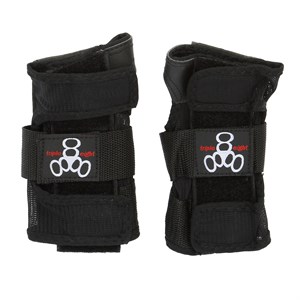
- Design: Slide-on for easy on/off
- Shell: Molded ABS splints front & back
- Cushion: EVA foam between splints and nylon
- Fit: 4-way stretch nylon mesh
The Triple 8 Wristsaver Slide On blends slim styling with practical impact management, designed for riders who want protection without restricting movement. The slide-on construction makes them quick to wear and the 4-way stretch nylon gives a snug, glove-like feel. High-density ABS splints front and back give clear structural support while the EVA foam layer softens landings and reduces hard jarring to the wrist.
These guards are especially attractive to skaters and snowboarders who want a no-fuss, durable option that doesn’t scream “padded.” They’re slim enough to keep full articulation while dropping into tricks, yet robust enough to prevent common wrist hyperextensions. If you prioritize mobility and a low profile but still want real splinted protection, Triple 8 is a solid middle ground.
Pros:
- Easy slide-on design
- Good balance of protection and mobility
- Comfortable EVA cushioning
Cons:
- Slide-on fit may not suit all hand shapes
- Not as adjustable as multi-strap guards
5. 187 Killer Pads
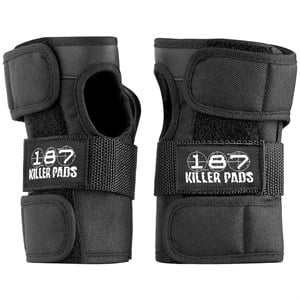
- Shape: Angled design conforms to hand
- Durability: Ballistic nylon with heavy stitching
- Protection: Extra-thick splint at base of hand
- Reinforcement: Reinforced thumb hole & palm
187 Killer Pads are made for riders who want rugged, no-nonsense protection that stands up to repeated abuse. The angled design follows the natural hand shape so the guard stays comfortable and secure during grabs and landings. Ballistic nylon and industrial stitching mean these can take serious wear without separating at the seams, and the reinforced palm adds longevity where most guards fail.
The standout feature is the extra-thick splint concentrated at the base of the hand — the spot that often takes the brunt of hard park falls. These aren’t fashion pieces; they’re purpose-built gear for serious park rats and heavy users who demand long-lasting protection. If you care most about durability and concentrated impact defense, this model is a top candidate.
Pros:
- Highly durable construction
- Excellent focused protection
- Comfortable, hand-shaped fit
Cons:
- Heavier and bulkier than slim guards
- May feel stiff at first break-in
6. Pro-Tec Street
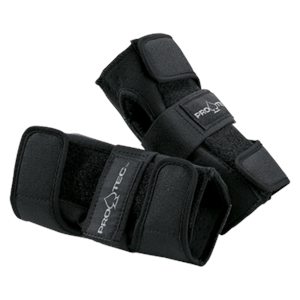
- Ergonomics: Ergonomically designed splint
- Straps: Three Velcro straps for secure fit
- Backing: Neoprene backing for comfort
- Coverage: Full-wrap straps for wrist support
Pro-Tec Street wrist pads bring an ergonomic approach to wrist protection that balances support and freedom of movement. The molded splint and full-wrap strap system provide a secure hold while still allowing fingers and thumb to move naturally. Three velcro straps ensure the guard stays put during dynamic maneuvers and repeated falls, which is especially useful for park sessions where you’re trying new tricks.
Comfortable enough for long sessions thanks to the neoprene backing, these pads are a solid choice for snowboarders who cross over from skate or simply want proven skate-derived protection. They’re easy to adjust, durable, and designed to keep your wrist alignment safe without locking you into a rigid, uncomfortable brace.
Pros:
- Secure, adjustable fit
- Comfortable neoprene backing
- Proven skate-style protection
Cons:
- More bulky than ultra-low-profile guards
- Not highly ventilated for very warm conditions
7. Bodyprox Wrist Guards

- Splints: Lightweight aluminum palm splints
- Pads: Padded interior for comfort
- Material: Neoprene and polyester blend
- Fit: Slip-on with thick adjustable Velcro
Bodyprox Wrist Guards are inexpensive, user-friendly guards that combine breathable materials with rigid palm protection. The aluminum splints protect the palm area from cuts and provide support against hyperextension while internal padding keeps the contact points comfortable. The neoprene/poly blend keeps weight down and helps ventilation so they’re usable for longer sessions without chafing.
The slip-on design with a stout Velcro strap makes them simple to get on and off, and their slim profile means they can be worn under many gloves. These guards are a great fit for casual riders, learners, and anyone who wants decent protection without a premium price tag. Sizing is available so you can get a closer fit, which improves both comfort and effectiveness.
Pros:
- Lightweight and breathable
- Comfortable padded interior
- Thin enough to wear under gloves
Cons:
- Aluminum splints less protective than heavy-duty options
- Not as durable as industrial-stitched models
8. BOSONER Wrist Guard

- Shell: ABS plastic high-density caps
- Packing: Includes portable mesh carry bag
- Comfort: EVA foam padding and ventilated fabric
- Closure: Adjustable elastic straps with Velcro
BOSONER wrist guards prioritize full-coverage protection with breathable features for extended use. The polycarbonate/ABS caps and EVA padding offer a good combination of impact resistance and shock absorption, while ventilated fabrics reduce sweat buildup during long sessions. The included mesh carry bag is a small convenience that makes storing and transporting the guards easier between trips.
These guards are sized for kids and adults and are tailored toward general multi-sport use — skate, snowboard, roller sports and more. The flexible elastic straps secure the brace without overly restricting motion, making BOSONER a practical choice for families or riders who want a solid balance of protection, comfort, and breathability at a friendly price point.
Pros:
- Good full-coverage protection
- Ventilated, comfortable materials
- Portable carry bag included
Cons:
- Elastic straps can loosen over time
- Build quality is mid-range vs premium brands
How to Choose Wrist Guards for Snowboarding
Snowboarding is an exhilarating winter sport, but it also comes with a fair share of risk—especially for your wrists. Falls are common, and because many riders instinctively use their hands to brace for impact, wrist injuries are among the most frequent snowboarding accidents. A good pair of wrist guards can significantly reduce this risk by providing structured support and shock absorption. Here’s a detailed guide on how to choose the right wrist guards for snowboarding, covering everything from types and fit to key features and materials.
Why Wrist Guards Are Important
When you fall on your snowboard, your hands often hit the snow first. The force can easily cause hyperextension, fractures, or sprains. Wrist guards are designed to absorb impact energy and restrict extreme wrist movement, minimizing the risk of serious injury. Even experienced snowboarders wear wrist protection because icy conditions and unexpected terrain changes can lead to sudden falls. A well-fitted wrist guard not only protects but also gives you more confidence to push your limits safely.
Types of Wrist Guards
Over-Glove Wrist Guards
These guards are worn over your gloves and are usually easier to adjust on the go. They offer excellent protection with rigid splints and thicker padding, but they can feel bulkier and sometimes restrict mobility. They’re best for riders who prioritize maximum protection or spend a lot of time in terrain parks.
Under-Glove Wrist Guards
Under-glove models fit beneath your snowboarding gloves, offering a sleeker, low-profile feel. They are typically made from flexible materials like neoprene with internal splints for support. These are great for riders who value comfort and prefer minimal interference with glove fit or movement.
Integrated Wrist Guards
Some snowboarding gloves come with built-in wrist guards. This combination design is ideal for riders who want all-in-one protection without layering multiple pieces. While convenient, integrated models may not provide as much structural support as separate guards, but they’re perfect for casual or intermediate snowboarders.
Key Features to Look For
Splint Design
The splints are the main protective elements in a wrist guard. Most guards include either a single palm splint or dual splints (front and back). Dual splints offer superior stabilization and distribute impact more effectively, while single splints are lighter and more flexible. If you’re a beginner or ride park features, dual-splint designs are highly recommended.
Material and Construction
Comfort and protection depend heavily on material choice. Look for neoprene or nylon blends for flexibility and breathability. Reinforced stitching and ballistic nylon add durability, which is essential for frequent use. Guards with EVA foam or gel padding provide shock absorption and prevent bruising from repeated falls. Metal or aluminum stays can add rigidity without significantly increasing weight.
Fit and Adjustability
A wrist guard should fit snugly without cutting off circulation. Adjustable straps, usually with hook-and-loop (Velcro) closures, allow for a personalized fit. Too loose, and the guard won’t provide adequate protection; too tight, and it may restrict blood flow. Slip-on models offer convenience but may not provide the same customization as strapped ones.
Comfort and Mobility
The best wrist guards balance protection with freedom of movement. You should still be able to grab your bindings, hold poles, and maneuver comfortably. Padding inside the guard reduces chafing, and moisture-wicking materials help keep your hands dry. Remember, you’ll likely wear them for several hours, so comfort is crucial for maintaining performance on the mountain.
Choosing the Right Size
Most brands offer wrist guards in sizes ranging from small to large, sometimes with unisex or gender-specific options. To find your size, measure the width of your palm at its widest point, typically just below the knuckles. Compare the measurement with the manufacturer’s size chart before buying. A properly sized guard should hug your wrist and hand closely while allowing full motion in your fingers and thumb.
Compatibility with Gloves
Before purchasing, consider how the wrist guards will fit with your existing gloves. Under-glove models need to be slim enough not to compromise glove fit or dexterity. Over-glove designs should have smooth surfaces that don’t catch snow or moisture. If you ride in cold, wet conditions, waterproof gloves that fit well over your guards are essential to maintain warmth and comfort.
Level of Protection Needed
Beginners
New snowboarders fall more frequently, often on outstretched hands. Opt for dual-splint guards with thick padding for maximum protection. Comfort and durability should be a priority, as you’ll be wearing them for extended practice sessions.
Intermediate Riders
Intermediate riders may prefer slimmer guards that allow more flexibility. Look for neoprene models with a balance of protection and comfort. These allow better control while still protecting against the occasional spill.
Advanced and Park Riders
Advanced snowboarders, especially those hitting jumps or rails, need robust protection. Choose wrist guards with reinforced splints and high-density materials that can withstand repeated impacts. Durability and secure strapping are key for consistent park performance.
Material Considerations
Neoprene
Flexible, water-resistant, and comfortable, neoprene is a common choice for snowboarding wrist guards. It conforms to your wrist shape and fits well under gloves.
Ballistic Nylon
Used in high-end guards, ballistic nylon provides superior abrasion resistance and durability. It’s ideal for riders who take frequent hard falls or ride aggressively in terrain parks.
ABS or Polycarbonate Splints
These plastics are lightweight but very strong, offering solid protection against impact without excessive bulk. Dual-splint systems often use ABS for front and rear inserts.
Aluminum or Metal Inserts
Aluminum stays add extra rigidity and stability while remaining relatively light. They are best for riders who want strong reinforcement without compromising comfort.
Additional Factors to Consider
Ventilation
Good airflow prevents sweat buildup and discomfort during long sessions. Look for guards with mesh panels or breathable materials if you often ride in mild weather.
Ease of Use
Guards with simple closure systems or slip-on designs make gearing up faster. For frequent adjustments on the slopes, models with Velcro straps are the most convenient.
Durability
If you snowboard regularly, choose wrist guards with reinforced stitching, thick padding, and robust splints. Cheaper options can wear out quickly and may fail when you need them most.
Cost vs. Quality
Wrist guards range from basic budget models to premium designs with advanced materials. While cheaper guards offer basic protection, spending a little more ensures better durability, fit, and comfort. Your wrists are worth protecting—consider it a small investment for long-term safety.
Maintenance and Care Tips
Keeping your wrist guards clean extends their lifespan and maintains comfort. After each session, shake off snow and moisture and allow them to air dry. Avoid leaving them near direct heat sources like heaters, which can degrade materials. Check straps and stitching periodically for wear. If padding or splints start to deteriorate, replace them promptly to maintain protection.
Popular Brands to Consider
Several brands are well-regarded for their snowboarding wrist guards. Dakine and Burton offer low-profile, glove-friendly designs ideal for all-mountain riders. Triple 8 and 187 Killer Pads produce durable, dual-splint options suited for freestyle and park use. Bodyprox and BOSONER provide budget-friendly alternatives that still deliver reliable protection. Whichever brand you choose, make sure the guard’s features match your riding style and comfort needs.
Final Thoughts
Choosing the right wrist guards for snowboarding comes down to balancing comfort, protection, and flexibility. Consider where and how you ride—beginners and park riders benefit from heavier protection, while seasoned all-mountain riders might prefer slim, under-glove designs. Pay attention to materials, splint structure, and fit to ensure full support without restricting your movement. A well-chosen pair of wrist guards not only prevents injury but also lets you ride confidently and focus on what really matters—enjoying every run down the mountain.