
Best Snowboard Stomp Pads of 2026
Keeping your balance when getting off the lift or riding one-footed can be tricky, and that’s where snowboard stomp pads come in. These small but handy accessories give your back foot extra grip on the board, helping you stay steady and in control. Whether you’re a beginner learning to ride or an experienced snowboarder looking for better traction, a good stomp pad makes a big difference. In this guide, we’ll look at the best snowboard stomp pads to keep you stable and confident on every run.
1. Crab Grab Shark Stomp Pad
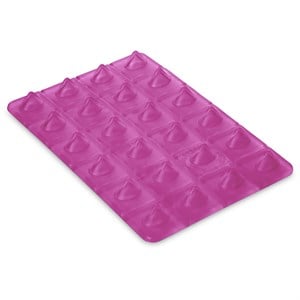
- Material: CRUBBER™ flexible rubber
- Dimensions: 3.75 x 5.5″
- Features: SHARK TOOTH SPIKES™
- Extras: GROOVE GILLS™ — cut & customize
The Crab Grab Shark Stomp Pad is a no-nonsense traction pad that balances grip with customization. The rubbery CRUBBER™ feels grippy under boot soles without being harsh on edges, and the oval shark-tooth spikes bite into boot tread reliably. Because the pad is thin and flexible you can place it on most board tops without worrying about delamination or negative effects on board flex.
What sets it apart is how easy it is to trim and position. The GROOVE GILLS™ let the pad flex with the board so it doesn’t fight natural bend. Installation is simple and once stuck it stays put through wet, icy, and slushy days. If you want an effective, low-profile stomp pad that’s easy to tailor to your stance this is a solid, affordable choice.
Pros:
- Customizable sizing
- Reliable bite from spikes
Cons:
- Smaller coverage for big boots
- Adhesive can struggle on textured topsheets
2. Dakine Modular Mat
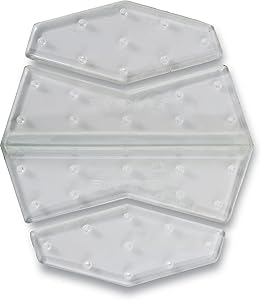
- Material: 100% TPU
- Dimensions: 4.8 x 4.3″ (123 x 110 mm)
- Weight: 0.9 oz (25 g)
- Design: Molded urethane, three configurable pieces
The Dakine Modular Mat aims for versatility. Its molded TPU pieces are light but sturdy, and the three-piece layout allows you to arrange traction where you need it — behind bindings or centered for smaller boots. The textured spike pattern provides confident traction for skate-offs and quick hops, while the peel-and-stick adhesive makes setup straightforward. Because the mat is thin, it rarely interferes with board flex or stance feel.
This pad’s real strength is modularity: you can remove or reconfigure sections for different boards or boots. The TPU holds up well in cold temps without turning brittle, and the low weight means it won’t add bulk. If you value configurable traction that’s unobtrusive, the Dakine Modular Mat is a tidy, practical option.
Pros:
- Reconfigurable pieces
- Low weight and slim profile
Cons:
- Smaller total coverage
- Adhesive less forgiving on funky topsheets
3. Crab Grab Mega Claws
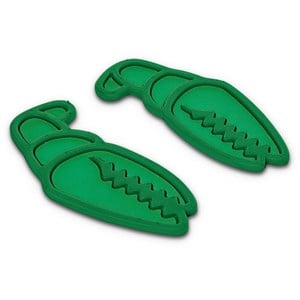
- Material: C-FOAM™ rubbery foam
- Dimensions: 6.5″ each piece
- Grip Type: GRIPPPLES textured nipples
- Attachment: SCREW GLUE™ glued on
Crab Grab’s Mega Claws are the foam option for riders who want a plush, grippy feel underfoot. The C-FOAM™ material is forgiving and lightweight, offering a softer contact than hard TPU or rubber pads. The GRIPPPLES texture provides surprisingly secure traction for carving and chairlift hops, and the larger footprint helps when you want more contact area behind your rear binding.
These pads are comfortable on boot soles and do a great job of preventing slips while skating and riding in sticky conditions. The glued-on mounting system gives a good long-term hold, though if you frequently swap boards you might prefer a peel-and-stick style. Overall, Mega Claws strikes a nice balance between comfort and traction for riders who prioritize feel.
Pros:
- Soft, comfortable foam feel
- Good coverage and grip texture
Cons:
- Less aggressive than hard spikes
- Glue attachment can be messy to remove
4. Dakine Spike

- Material: 100% TPU
- Dimensions: 4.7 x 4.7″ (120 x 120 mm)
- Weight: 2.2 oz (62 g)
- Design: Molded spike pattern, cuttable sections
The Dakine Spike is built around a dense spike pattern that prioritizes maximum bite. Its TPU construction stays resilient in cold temperatures and keeps traction consistent ride after ride. The pad’s square footprint gives decent coverage, and because sections can be cut apart you can adapt it for different board setups or boot sizes with minimal fuss.
Installation is simple with the peel-and-stick backing, and the Spike pad performs well whether you’re skating between lifts or balancing on one foot. It’s a great pick for riders who want aggressive traction without adding bulk. The only small trade-off is that high-profile spikes can be a bit firm under very soft boot soles, but for most boots the result is confidence-inspiring grip.
Pros:
- Very aggressive traction
- Cut-to-fit flexibility
Cons:
- May feel stiff with soft liners
- Smaller size for big-boot riders
5. Crab Grab Mini Shark Teeth
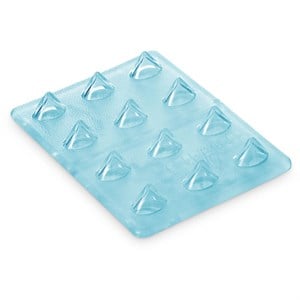
- Material: CRUBBER™ flexible rubber
- Dimensions: 3.75 x 5.5″
- Features: Mini SHARK TOOTH SPIKES™
- Flex: GROOVE GILLS™ for board bend
The Mini Shark Teeth give you the same shark-tooth traction as the full-size pad but in a compact package. That makes them ideal for riders who want precise placement behind the binding or near the tail without covering much topsheet. The CRUBBER™ material is grippy and weather-resistant, so you get consistent performance across a range of conditions.
Because they’re smaller, these pads are especially well-suited to park riders and those who favor minimalism. The groove design helps the pad move with the board so you won’t notice it when flexing through turns. If you want targeted traction with a stylish look, the Mini Shark Teeth are a tidy, effective option.
Pros:
- Compact, precise placement
- Good bite for smaller pads
Cons:
- Limited coverage for big boots
- May need multiple pieces for full traction
6. Crab Grab Mini Hearts
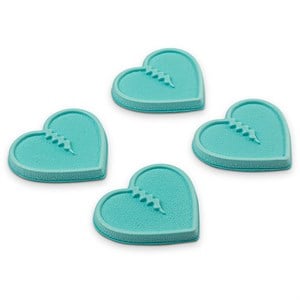
- Material: C-FOAM™ rubbery foam
- Dimensions: 2.25 x 2″
- Pack: 4 per pack
- Grip: GRIPPPLES textured nipples
The Mini Hearts are a playful yet practical option for riders who want small traction anchors rather than a single large pad. The C-FOAM™ delivers a springy, slightly cushioned feel that’s comfortable underfoot and provides plenty of purchase for skating and lift hops. Four hearts let you experiment with layouts to match your stance and boot size.
Because they’re foam, the Mini Hearts offer a softer, more forgiving contact compared with hard TPU spikes. They won’t damage boot soles and add a touch of personality to your board. If you want modest, customizable traction with a fun look, these work well — just be aware that they won’t replace a full-size pad if you need maximum surface area.
Pros:
- Fun aesthetic and customizable placement
- Comfortable foam feel
Cons:
- Limited bite compared to spikes
- Small pieces can shift if not firmly attached
7. One Ball Jay Flying Cat
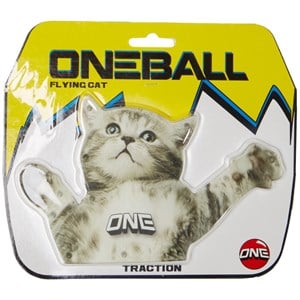
- Dimensions: 6 x 4″
- Design: Icon graphic top
- Use: Compact to mid-size coverage
- Attachment: Peel-and-stick backing
The One Ball Jay Flying Cat is a graphic-forward stomp pad for riders who want a little personality with their traction. It offers a decent footprint that’s suitable for most boots and a textured surface that helps lock your heel in while skating and hopping. The peel-and-stick backing makes installation quick, and the pad sits low enough to avoid interfering with board flex.
Beyond the cute (or mischievous) design, this pad delivers practical performance; it’s simple, reliable, and inexpensive. It won’t rival heavy-duty, high-grip models in absolute bite, but it’s a great choice for everyday riders who want enough traction for park laps and lift lines while keeping a fun style on the board.
Pros:
- Good coverage for the size
- Fun, standout graphic
Cons:
- Not as aggressive as spike pads
- Adhesive longevity varies by topsheet
8. One Ball Jay Lab
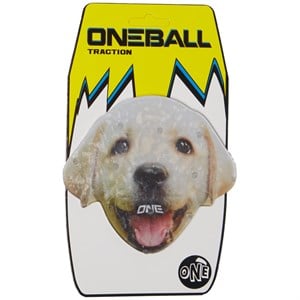
- Dimensions: 5 x 5″
- Design: Cute labrador graphic
- Coverage: Mid-size square pad
- Attachment: Peel-and-stick adhesive
The One Ball Jay Lab pad combines a friendly design with solid everyday traction. Its 5×5″ square gives reasonable coverage for most boot sizes, and the textured top helps keep your foot planted when skating or stepping off lifts. The pad is low-profile so it won’t significantly alter board flex, and the adhesive sticks well to clean, flat topsheets.
It’s an ideal choice for riders who want dependable traction without fuss and who appreciate a little charm on their board. Performance-wise it sits between foam and aggressive spike pads — comfortable and effective for general riding, but not aimed at riders chasing extreme bite for icy conditions.
Pros:
- Good mid-size coverage
- Appealing graphic
Cons:
- Not as grippy as hardcore spike pads
- May peel on textured topsheets over time
How to Choose Snowboard Stomp Pads
Snowboard stomp pads might seem like a small accessory, but they play a big role in your ride experience. Whether you’re skating to the lift line, getting off a chairlift, or riding with one foot out, a stomp pad provides the grip you need to stay balanced and in control. Choosing the right stomp pad isn’t just about style — it’s about comfort, performance, and how well it fits your board setup. This guide explains everything you need to know before picking the perfect stomp pad for your snowboard.
What Is a Snowboard Stomp Pad?
A snowboard stomp pad is a small traction pad that sticks to the topsheet of your board, usually placed between the bindings. It gives your rear boot something to grip when it’s not strapped in. This is especially useful when you’re getting off a lift, skating across flat terrain, or controlling your board on cat tracks. Without a stomp pad, your boot can easily slip off the slick topsheet, which can lead to loss of balance or even minor falls.
Why You Need a Stomp Pad
While advanced riders can often ride without one, stomp pads make life easier for beginners and intermediates. They help you stay secure during one-foot maneuvers, providing confidence and control. Even for experienced riders, they’re useful in icy or slushy conditions when boot soles lose grip. Stomp pads are also a fun way to customize your board, adding a bit of personality with different shapes, logos, and graphics.
Types of Snowboard Stomp Pads
Rubber Stomp Pads
Rubber stomp pads are the most common type. They provide solid traction and durability, sticking firmly to the board. Rubber grips well in all conditions and can handle a lot of use before showing wear. Brands like Dakine and Crab Grab use flexible rubber compounds that move with your board’s flex, keeping them firmly in place season after season.
Foam Stomp Pads
Foam stomp pads are lightweight and soft underfoot. They’re popular for freestyle riders who prefer minimal interference with board flex. Foam models often use textured surfaces like bumps or claws for grip. They’re easy to install, comfortable, and often come in fun shapes, though they don’t provide as much bite as rubber spikes.
Metal and Spike Stomp Pads
For riders who need maximum traction, metal or hard spike stomp pads are the way to go. These pads feature raised spikes that dig into your boot sole, making them ideal for icy days or advanced riders who demand strong grip. However, they can be a bit aggressive for soft boot materials and may feel uncomfortable underfoot when skating.
Modular or Multi-Piece Pads
Modular stomp pads come in several small pieces that you can arrange however you like. This allows you to customize the coverage and shape to fit your stance and boot size. Many riders enjoy the flexibility of setting up their stomp pads to match personal preferences or board design. Dakine’s Modular Mat is a good example of this versatile style.
Choosing the Right Size and Shape
Stomp pads come in a range of shapes — from rectangles and circles to claws, hearts, and animal designs. The size and shape you choose depend on how much traction you want and how much topsheet space you’re willing to cover. Larger stomp pads provide more grip, making them great for beginners, while smaller or decorative ones are better for experienced riders who want a cleaner board look.
When choosing a size, make sure it fits between your bindings and doesn’t interfere with boot placement. If your boots are larger, go for a wider pad or multiple small ones spaced out for better coverage.
Material and Durability
Durability matters because stomp pads are exposed to snow, ice, and constant boot contact. High-quality rubber or TPU pads tend to last longest, staying flexible in cold temperatures. Foam pads, while comfortable and light, may wear out faster with heavy use. Metal and spiked versions are nearly indestructible but can be rough on boots if you’re not careful. Always look for materials that stay grippy even when wet or icy.
Grip Design and Texture
The texture of a stomp pad determines how well it grips your boot. Spikes, bumps, ridges, or patterned surfaces all serve the same purpose — to prevent slipping. Spike pads give the most aggressive hold, while ridged and grooved designs offer smoother traction. Some models like Crab Grab’s “Shark Teeth” or “Mega Claws” combine multiple textures to create a perfect balance between comfort and grip. Choose one based on how much traction you need and what feels best for your riding style.
Placement on Your Board
Placement is key for stomp pad effectiveness. The ideal spot is between your bindings, slightly closer to your rear binding. This allows your rear boot to rest naturally on the pad when you’re skating or getting off a lift. Avoid placing it too close to the center or too far back near the tail. Before sticking it down permanently, stand on your board and mark the area where your boot naturally lands — that’s where the pad should go.
How to Install a Stomp Pad
Clean the Surface
Before installation, make sure your board’s topsheet is clean and dry. Use rubbing alcohol or a mild cleaner to remove wax, dirt, or grease. A clean surface ensures the adhesive sticks properly.
Warm It Up
If you’re installing in a cold environment, warm both the pad and board slightly with a hairdryer. This softens the adhesive and improves bonding strength.
Stick and Press Firmly
Peel off the backing, align the pad where you want it, and press down firmly for 30–60 seconds. Apply even pressure to all parts, especially edges, to make sure it seals completely. Let it set for at least 12 hours before riding for maximum adhesion.
Matching Your Stomp Pad to Riding Style
Freestyle Riders
Freestyle riders often prefer smaller or foam stomp pads that don’t interfere with board flex. Lightweight pads are ideal for jumps and spins, giving just enough traction without altering board feel.
Freeride and All-Mountain Riders
Freeriders and all-mountain snowboarders should look for larger pads with deeper grip, such as rubber or metal spikes. These pads provide reliable traction in all snow conditions, especially on steep or icy slopes.
Beginners
If you’re just starting out, a big rubber stomp pad with lots of spikes or ridges is best. It helps you stay balanced while learning to skate and step off lifts safely. Simpler installation and solid adhesion are key for new riders.
Maintenance and Replacement
Over time, stomp pads can lose their grip or start peeling. Check them regularly for wear, especially around the edges. If your pad starts lifting, you can press it down with heat or replace it entirely. Removing an old pad is simple — just warm it with a hairdryer and gently peel it off. Clean the surface thoroughly before adding a new one.
Style and Personality
While function comes first, stomp pads are also a fun way to show off your personality. From shark teeth and claws to hearts and cats, brands offer plenty of creative designs. You can even mix multiple small pads for a custom look. Choose something that matches your board’s color scheme or stands out for flair — after all, it’s part of your setup’s style statement.
Final Tips for Choosing a Stomp Pad
When picking your stomp pad, think about your riding level, preferred terrain, and personal style. If you ride icy slopes or need extra security, go for a pad with pronounced spikes. For lighter, park-style setups, choose foam or modular pads. Always prioritize quality adhesive and flexibility — a good stomp pad should last multiple seasons without peeling off.
In the end, the best stomp pad is one that fits your board and riding needs while keeping you confident on one foot. Take a few minutes to install it properly, and you’ll notice how much easier life on the mountain becomes. A small piece of gear, yes — but one that makes every ride smoother, safer, and more enjoyable.