Best Snowboard for Buttering of 2026
If you love playful riding and smooth tricks, buttering is one of the most fun skills to learn on a snowboard. The right board makes a huge difference — giving you better balance, easier presses, and a more forgiving ride. In this guide, we’ve picked the best snowboards for buttering that offer flexibility, stability, and a buttery-smooth feel on all types of terrain. Whether you’re a beginner learning your first presses or an advanced rider perfecting your style, these boards will help you ride with flow and confidence.
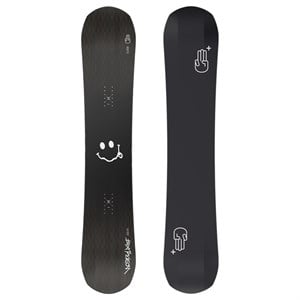
1. Bataleon Disaster
- Terrain: Freestyle
- Rocker Type: Medium Camber
- Flex Rating: 6 (Medium)
- Core/Laminates: Paulownia/Poplar, Carbon, Aramid
The Bataleon Disaster is a buttering-oriented freestyle tool that balances playful pressability with the pop and stability needed for park laps and creative riding. Its 3BT™ Triple Base Technology and SideKick™ uplift create forgiving contact points that reduce hang-ups while making presses and butters feel more natural. The Super Ultra Light Core keeps swing weight low so you can pivot into presses and spins easily, while Carbon Stringers and C.S.T. Super Tubes maintain snap and rebound for ollies and poppy landings. For riders who love to manipulate terrain—curbs, mini-kickers, boxes and open groomers—the Disaster feels responsive and lively without being harsh.
On snow the board’s medium camber gives enough bite for controlled takeoffs and stable landings, yet the lifted sidebase softens catch potential when you’re learning new presses. Flex Walls and AirRide™ damping deliver a surprisingly smooth ride at speed, so this board isn’t just a park toy — it’ll hold its own on playful all-mountain laps too. If you live for creative movement on snow, want a responsive twin that encourages technical presses and buttery transitions, the Disaster is built to make progression effortless and fun.
- Pros: Extremely pressable, low swing weight, forgiving edge feel, lively pop.
- Cons: Geared to freestyle — less ideal for hard-charging big-mountain lines.
2. Bataleon Evil Twin+
- Terrain: Freestyle
- Rocker Type: Medium Camber
- Flex Rating: 6 (Medium)
- Base: Nano Speed S
The Bataleon Evil Twin+ takes a proven freestyle shape and refines it with lighter materials and performance-focused touches that benefit buttering as much as hitting park features. Its balanced medium camber and true twin shape give predictable behavior when pressing or spinning switch, while carbon stringers and Aramid reinforcement deliver crisp snap for pop without making the board feel dead underfoot. The 3BT™ and SideKick™ combination softens contact points, which makes nose and tail presses more forgiving and reduces the chance of catching an edge when you’re learning new butters or nose presses.
Because the Evil Twin+ uses a Super Ultra Light Core and AirRide™ damping tech, it maintains a lively personality with reduced vibration on landing — a useful trait when practicing technical presses and landing small gaps. The result is a nimble, confident board for riders who want a do-it-all freestyle deck: equally at home buttering across groomers, jamming the park, or laying into playful resort laps. If buttery play and consistent pop are priorities, the Evil Twin+ is a versatile choice that rewards creativity.
- Pros: Excellent pop-to-weight ratio, forgiving 3BT contact, smooth landings, switch-friendly.
- Cons: Advanced materials push price; not the softest option for absolute beginners.
3. Bataleon Wallie
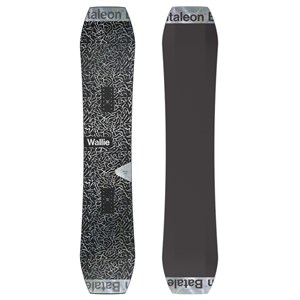
- Terrain: All-Mountain / Park
- Rocker Type: Low Camber (Rocker/Camber/Rocker)
- Flex Rating: 3 (Soft)
- Core/Laminates: 50/50 Paulownia & Poplar, Biax Fiberglass
The Bataleon Wallie is built specifically for progression in the park and creative buttering on natural features. With Wallie Tips™ and a very soft flex, the board makes ollies onto ledges and presses onto boxes dramatically easier and more forgiving. The low camber profile keeps contact predictable and smooth, making presses and long noserides feel stable while still providing a touch of snap for pop. For riders focused on learning technical presses, butters and wallies, the Wallie’s combination of 3BT and low uplift reduces the risk of hangups and encourages experimentation.
Because it’s soft and highly maneuverable, the Wallie thrives at slow to moderate speeds and in tight park situations where control and feel matter most. The C.S.T. Super Tube gives pop without stiffening the board torsionally, which helps when you want to press deep without losing board flex. If your main goal is buttery creativity, low-speed pressable play and a gentle learning curve for new tricks, the Wallie is engineered to make those milestones come sooner.
- Pros: Super pressable, forgiving for learning tricks, great for wallies and boxes.
- Cons: Soft flex limits high-speed stability and aggressive charging.
4. CAPiTA Defenders Of Awesome
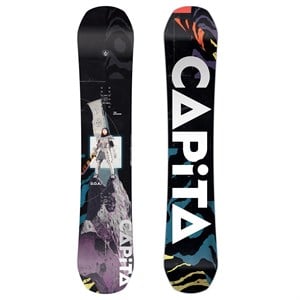
- Terrain: Freestyle / All-Mountain
- Rocker Type: Resort V1 + Flat Kick Tech
- Flex Rating: 5.5 (Medium)
- Core: P2 Superlight Core (Paulownia + Poplar)
The CAPiTA Defenders Of Awesome (D.O.A.) is a premium freestyle board that blends lightweight construction with poppy responsiveness — great for riders who want to butter but also need a board capable of precise park work and resort laps. The Resort V1 profile gives the board a camber-like snappiness with forgiving contact zones, which translates to confident presses and quick rebound out of butters. CAPiTA’s hybrid carbon layups and Carbon Boosters increase snap without making the deck harsh, so presses retain liveliness while landings feel controlled.
On groomers the D.O.A. tracks confidently and at moderate speeds provides stable performance, but where it shines is the playful, poppy response when you’re pressing or popping off small features. The lightweight P2 core reduces swing weight enabling faster spins and easier butter transitions. If you want a high-end freestyle board that supports technical buttering while remaining durable and lively for park sessions, the D.O.A. is a standout choice that rewards riders who push creative limits.
- Pros: Exceptional pop-to-weight, versatile camber profile, durable construction.
- Cons: Premium build comes with a higher price tag; may be overbuilt for casual riders.
See the CAPiTA Defenders Of Awesome
5. Ride Twinpig
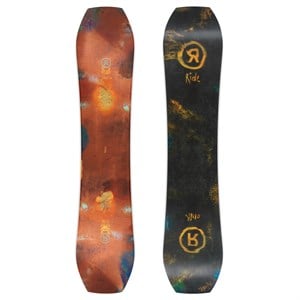
- Terrain: Freestyle / All-Mountain
- Rocker Type: Twin Standard Camber (Hybrid)
- Flex Rating: Soft (Mellow Response)
- Core/Laminates: Aspen/Bamboo/Paulownia, Hybrid Glass
The Ride Twinpig is a playful twin that distills the Warpig’s fun into a true twin platform optimized for spins, butters and switch riding. Its short, wide outline and mellow flex make presses effortless and maintain stability while spinning or landing switch. The asymmetrical quadratic sidecut improves heel-edge response so your toeside butters and heelside presses feel balanced and intuitive. Double Impact Plates beneath the bindings add durability for repeated park landings while preserving a soft, buttery overall flex.
Because it’s designed with a sintered stone-ground base and thoughtful laminate stacking, the Twinpig manages to be both forgiving and capable: you can butter continuously across groomers, hit small jumps, and still carve when conditions demand it. If you want a board that prioritizes playfulness and makes presses second nature, the Twinpig’s shape and flex will make those butter sessions feel effortless and fun.
- Pros: Super playful, easy switch behavior, durable underfoot reinforcement.
- Cons: Short/wide shape may feel unusual for riders used to traditional proportions.
6. Lib Tech T. Rice Pro
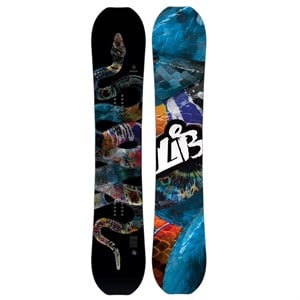
- Terrain: All-Mountain / Freeride
- Rocker Type: Hybrid C2
- Flex Rating: Medium-Stiff
- Core: 60% Aspen / 40% Paulownia
The Lib Tech T. Rice Pro is a high-performance board with a commanding personality that still offers butter-friendly traits for creative riders. Its Hybrid C2 profile mixes rocker and camber to provide a balanced contact and a playful midsection that aids presses, while cambered zones ensure pop and stability. The board’s stiffer flex and Magne-Traction® serrated edges give control and precision at speed, which is useful when you want to butter into harder lines or use pop to launch into bigger maneuvers. Though stiffer than purpose-built soft butters, the T. Rice Pro’s construction rewards powerful, technical buttering and pressing with controlled energy return.
For riders who like to mix sticky freestyle moves with serious all-mountain charging, this board hits a sweet spot: it’s responsive enough to cut through variable snow and stable enough to handle speed, but the hybrid profile still allows pressable behavior when you dial in technique. The hand-built Mervin factory construction and eco-conscious materials are additional draws for riders seeking high-end performance and durability in one package.
- Pros: Excellent edge hold, powerful pop, durable high-end build.
- Cons: Stiffer flex is less forgiving for slow-speed learning of presses.
7. Ride Warpig
- Terrain: All-Mountain
- Rocker Type: Directional Zero Camber
- Flex Rating: Medium
- Core/Laminates: Aspen/Bamboo/Paulownia, Carbon Array 3™
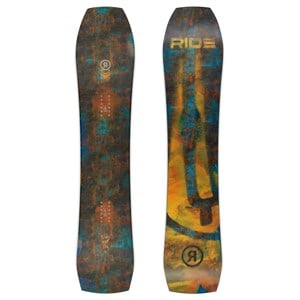
The Ride Warpig popularized the volume-shifted approach and remains a top choice for riders who want a fun, surfy feel that still presses and butters with authority. The wide, short directional shape provides lift and float in soft snow while the dual-radius sidecut keeps turns intuitive and lively, making long presses and pivoty butters feel natural. Carbon Array and hybrid glass give the Warpig a responsive backbone, so presses have a satisfying rebound and the board snaps back into a stable platform when you release.
While it’s more of an all-mountain tool than a dedicated park butterboard, the Warpig’s forgiving planing profile and flexible tip/tail allow you to experiment with presses across varied terrain. It’s ideal for riders who want buttery movement paired with the ability to charge, carve and play in pow and groomers alike. If you want a versatile board that emphasizes fun and flow but still respects technical buttering demands, the Warpig is a compelling option.
- Pros: Amazing float and surfy ride, playful press behavior, versatile in varied snow.
- Cons: Directional volume-shift may feel odd for strict twin-oriented park riders.
8. Rome Party Mod
- Terrain: Freestyle / All-Mountain
- Rocker Type: Contact Rocker (Flat between bindings)
- Flex Rating: 6 (Medium)
- Core/Laminates: Twin Double V Carbon Hotrods, Flax Impact Plates
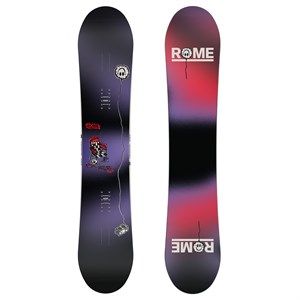
The Rome Party Mod is a highly pressable freestyle board designed for riders who live to butter, press and jib. Its contact rocker profile with a flat section between the bindings offers a stable platform for presses while maintaining rocker in the tips for easy turn initiation and forgiveness on catch-prone maneuvers. Twin double-V carbon hotrods provide pop and responsiveness when you need it, while the pressable flex profile makes long nose and tail butters feel effortless. This board rewards riders who enjoy technical flatland tricks as much as small jump laps and park lines.
Durability features like Flax Impact Plates around the inserts and a SinterStrong base keep the Party Mod resilient through repeated park abuse. Its medium flex keeps it versatile enough to handle resort laps, yet soft enough at the tips to make butter transitions feel smooth. If your focus is playful creativity and consistent press performance without sacrificing the ability to pop and spin, the Party Mod brings a balanced, jib-happy character that’s perfect for butter-first riders.
- Pros: Highly pressable, durable around bindings, good pop from carbon hotrods.
- Cons: Medium flex is a compromise — not ultra-soft for low-speed learners nor ultra-stiff for big hits.
How to Choose a Snowboard for Buttering
Buttering is one of the most fun and creative aspects of snowboarding. It involves pressing, spinning, and sliding on the snow using your board’s nose and tail. To master this playful style, you need a snowboard that’s flexible, forgiving, and designed for freestyle movement. Choosing the right board for buttering can make all the difference between smooth presses and frustrating washouts. Here’s a detailed guide to help you pick the perfect buttering board.
Understanding Buttering in Snowboarding
Before diving into the details, it’s important to understand what buttering actually means. Buttering is similar to flat-ground tricks in skateboarding. It’s about using your board’s flex and balance to perform spins, presses, and playful movements without leaving the snow. Because of this, buttering boards are designed to be soft, maneuverable, and stable at slow to medium speeds.
Key Factors to Consider
1. Flex Rating
Flex is the most critical factor in a buttering board. A soft flex (rated between 1–4 on most flex scales) allows for easy nose and tail presses, smooth transitions, and effortless spins. Stiffer boards are less forgiving and harder to press, making them unsuitable for beginners or freestyle-focused riders. However, if you plan to butter at higher speeds or on harder terrain, a medium flex board (around 5) can offer better stability while still being playful.
2. Board Profile
The board’s camber profile determines how it contacts the snow and affects your balance during presses. For buttering, the best profiles are:
- Rocker (Reverse Camber): A fully rockered board is naturally flexible and catch-free, making it ideal for smooth butters and easy spins.
- Hybrid Rocker-Camber: This design combines rocker in the tips with camber underfoot, giving a balance between playfulness and pop.
- Flat-to-Rocker: These boards stay stable underfoot but lift slightly at the tips for easy presses and forgiving handling.
Traditional camber boards are not typically ideal for buttering since they require more effort to press and are less forgiving.
3. Shape
For buttering, a true twin shape is highly recommended. Twin boards have symmetrical tips and tails, meaning they perform identically whether you’re riding regular or switch. This symmetry makes spinning, switch tricks, and flat-ground presses much easier. Directional boards are better suited for all-mountain or freeride use, where one stance dominates.
4. Length
Shorter boards are easier to maneuver and press, making them better for buttering. Aim for a snowboard that’s about 2–5 cm shorter than your regular all-mountain board. The shorter length reduces swing weight and makes it easier to lift the nose or tail during tricks. However, if you’re a heavier rider, don’t go too short, or you might lose stability and control.
5. Width
Width plays a subtle but important role. A board that’s too narrow can cause toe and heel drag, while one that’s too wide feels sluggish during spins. Look for a board that matches your boot size—typically, your boots should hang slightly over the edges without touching the snow. Mid-wide boards can also offer a more stable platform for presses and spins.
6. Core Construction
The core materials and construction affect how your board flexes and rebounds. For buttering, look for boards with lightweight, flexible wood cores such as poplar or paulownia. Some brands reinforce specific zones (like tips or center) for better durability without compromising flex. Avoid overly rigid carbon reinforcements unless you prefer a snappier response.
7. Base Type
While not the most important feature for buttering, the base material can influence how your board glides. Extruded bases are more durable and easier to repair, making them ideal for freestyle riders who often ride rails or boxes. Sintered bases are faster but require more maintenance. For buttering, an extruded base usually offers the right balance of performance and durability.
8. Weight
Lighter boards are easier to manipulate during spins and presses. While weight isn’t usually a dealbreaker, it can make a difference if you’re learning or doing complex butter tricks. Brands often reduce weight using thinner cores or lightweight laminates, which can improve overall control and reduce fatigue.
Recommended Board Types for Buttering
1. Park Boards
Park boards are naturally suited for buttering due to their soft flex, twin shape, and playful design. They excel in freestyle environments and flat-ground tricks. Examples include the Bataleon Disaster, Capita Horrorscope, and GNU Head Space—all known for their buttery smooth feel and flexibility.
2. Freestyle Boards
Freestyle boards blend park performance with all-mountain versatility. They’re great for riders who want to butter while still hitting jumps or riding groomers. These boards typically feature a medium-soft flex and hybrid rocker profiles, offering more stability without losing playfulness.
3. All-Mountain Twin Boards
If you want one board for everything—including buttering—look for an all-mountain twin with a balanced flex. It may not press as easily as a pure park board, but it will perform well in various conditions while still being fun to play with on flat terrain.
Additional Tips for Choosing the Right Board
- Check the manufacturer’s flex rating: Different brands rate flex differently, so always read reviews or test before buying.
- Consider your skill level: Beginners should start with softer boards, while experienced riders might prefer a medium flex for added pop.
- Try before you buy: If possible, demo boards at your local mountain. Feeling how a board flexes and reacts is the best way to decide.
- Pair with the right bindings and boots: Soft or medium-soft bindings and freestyle boots complement a buttering setup perfectly.
Common Mistakes When Choosing a Buttering Board
Many riders make the mistake of picking boards that are too stiff or too long. These boards make buttering unnecessarily hard. Another common issue is choosing directional boards with setback stances, which limits your ability to ride switch and perform symmetrical tricks. Always prioritize flex, shape, and playfulness over speed or aggressive carving when selecting a buttering board.
Final Thoughts
Choosing the perfect snowboard for buttering comes down to finding the right mix of flex, profile, and shape. A soft-flex, true twin, and rocker or hybrid rocker board will help you master smooth presses and spins with ease. Shorter boards enhance maneuverability, while lightweight cores make tricks feel effortless. Whether you’re just starting out or perfecting advanced butter tricks, investing in the right snowboard will elevate your style and confidence on the mountain.
Remember, buttering is about creativity and flow. With the right board, you’ll be able to express your style, experiment with tricks, and enjoy every playful moment on the snow.