Best Baselayers for Snowboarding of 2026
Staying warm and comfortable on the mountain starts with a good baselayer. The right one keeps you dry, regulates your temperature, and adds comfort under your snowboard jacket and pants. Whether you’re riding in freezing wind or sunny spring snow, a quality baselayer makes all the difference. In this guide, we’ve picked the best baselayers for snowboarding, from lightweight options for high-energy riders to heavier ones for cold days. Each offers great fit, moisture control, and warmth to keep you shredding all day.
1. Icebreaker Merino 200 Oasis

- Fabric: Merino wool
- Underwear Weight: Midweight
- Moisture Wicking: Yes
- UPF Rating: 20
The Icebreaker Merino 200 Oasis Long-Sleeve Crewe Thermal top provides outstanding performance for cold-weather adventures. Featuring pure merino wool construction, this base layer efficiently regulates body temperature while offering a soft feel against the skin. Its natural fibers wick away moisture effectively and resist odors, making it an ideal choice for multi-day trips on the snow. The design focuses heavily on user comfort, preventing chafing during long mountain excursions.
A key structural highlight is the strategically offset shoulder seams, which prevent uncomfortable pressure points when carrying heavy backpack straps. Combined with quick-drying capabilities and a reliable midweight feel, it delivers high-level warmth without excessive bulk. The shirt operates exceptionally well as a foundational garment beneath outer jackets during winter snowsports. It combines natural performance benefits with thoughtful construction, ensuring you remain comfortable, dry, and focused on the trails ahead.
Pros:
- 100% natural merino wool warmth
- Offset shoulder seams prevent strap irritation
- Naturally odor resistant for extended trips
Cons:
- Requires careful laundering to maintain shape
- Lower UPF rating than synthetic options
View Men’s at REI View Women’s at REI
2. REI Co-op Midweight

- Fabric: 92% recycled polyester/8% spandex
- Underwear Weight: Midweight
- Sun Protection: UPF 50+
- Thumbholes: Yes
Starting your outdoor setup with the REI Co-op Midweight Long-Sleeve Crew ensures dependable warmth across chilly days. Crafted from a blend of recycled polyester and spandex, this base layer offers a comfortable stretch that moves naturally with your body during active multisport pursuits. The soft synthetic fabric traps body heat effectively while managing internal moisture to keep you completely dry throughout rigorous exertions in cold weather environments.
Integrated thumbholes provide a cozy fit, keeping the sleeves securely anchored when layering additional outerwear over top. The fabric features exceptional UPF 50+ sun protection to shield your skin on bright alpine days. Certified by bluesign for sustainable material sourcing, this shirt delivers dependable athletic durability without sacrificing comfort. It serves as an essential, high-value foundation layer for anyone seeking trustworthy warmth and flexibility on freezing wilderness adventures.
Pros:
- Excellent UPF 50+ sun protection
- Convenient thumbholes for easy layering
- Eco-friendly bluesign approved stretch fabric
Cons:
- Synthetic fabric holds odors faster than wool
- Slightly heavier feel due to spandex blend
View Men’s at REI View Women’s at REI
3. Merino.tech Base Layer

- Fabric: 100% Superfine 17.5 Merino Wool
- Underwear Weight: Lightweight (165 g/m²)
- Odor Resistant: Yes
- Included Bonus: Merino Wool Hiking Socks
The Merino.tech Base Layer package offers a complete solution for outdoor enthusiasts seeking premium natural performance. Made from 100% superfine 17.5-micron merino wool, this lightweight shirt delivers supreme softness directly against your skin without any scratchiness or irritation. It naturally regulates body temperature to maintain warmth during winter activities while remaining light enough to prevent overheating during intense movement across fluctuating weather conditions.
In addition to superior temperature control, the fabric boasts inherent moisture-wicking and odor-resistant properties that absorb moisture continuously while staying fresh. The shirt is washer safe for easy maintenance, and the overall package includes a pair of high-value merino wool socks to complete your outfit. Designed with flat seams to eliminate rubbing or bunching, this complete layering set ensures non-stop comfort for all your seasonal cold-weather trips.
Pros:
- Includes bonus merino wool hiking socks
- Ultra-soft 17.5 micron itch-free wool
- Naturally regulates temperature and repels odors
Cons:
- Requires delicate wash cycles for maximum longevity
- Lightweight density may require extra outer layers
View Men’s at Amazon View Women’s at Amazon
4. Smartwool Classic All-Season

- Fabric: 88% merino wool/12% nylon
- Underwear Weight: Lightweight
- Moisture Wicking: Yes
- Best Use: Multisport
Designed for year-round versatility, the Smartwool Classic All-Season Merino long-sleeve top thrives across a massive spectrum of outdoor adventures. By blending high-grade merino wool with durable nylon fibers, Smartwool creates a lightweight garment that leverages natural temperature regulation while increasing overall tensile strength. This fabric combination efficiently pulls sweat away from the skin, ensuring you stay dry whether spring skiing or undertaking strenuous winter hikes.
The shirt features flatlock seam construction designed specifically to minimize friction and chafing during continuous movement. Wrap-around side seams elevate the overall fit while enhancing mobility across the torso. Because the inner surface remains predominantly merino wool, you enjoy soft, odor-resistant comfort right against the skin. It serves as an ultra-reliable, light-duty base layer that transitions effortlessly between high-output workouts and casual multi-day wilderness treks.
Pros:
- Nylon core increases long-term durability
- Versatile lightweight design for year-round use
- Flatlock seams minimize chafing and rubbing
Cons:
- Not warm enough for standalone deep-freeze use
- Lacks built-in UPF protection ratings
View Men’s at REI View Women’s at REI
5. REI Co-op Lightweight

- Fabric: 94% recycled polyester/6% spandex
- Underwear Weight: Lightweight
- Sun Protection: UPF 50+
- Quick Drying: Yes
When exertion levels are high and temperatures are moderate, the REI Co-op Lightweight Long-Sleeve Crew provides exceptionally reliable breathability. Crafted from a soft recycled polyester and spandex blend, this synthetic top actively draws perspiration away from your body to keep you dry and comfortable. Its rapid drying speeds make it a perfect companion whether you are navigating chilly alpine summits or traversing sunny desert trails.
Equipped with a impressive UPF 50+ rating, this crew top offers maximum protection against harmful ultraviolet rays during high-altitude sun exposure. The stretch fabric construction guarantees unrestricted movement across your upper body during dynamic activities like climbing, skiing, or backpacking. Durable, lightweight, and bluesign approved, this top is an ideal base layer for outdoor enthusiasts who prefer fast-drying synthetic performance over traditional wool garments.
Pros:
- Rapid drying synthetic performance
- Excellent UPF 50+ sun protection
- Flexible 4-way stretch fabric blend
Cons:
- Minimal thermal insulation for severe cold
- Synthetic fibers retain body odors over time
View Men’s at REI View Women’s at REI
6. Smartwool Classic

- Fabric: 100% Merino wool
- Underwear Weight: Midweight
- Moisture Wicking: Yes
- Best Use: Multisport
The Smartwool Classic Thermal Merino Crew stands as a quintessential winter choice for mountain enthusiasts needing dependable insulation. Built entirely from soft, high-quality merino wool, this midweight base layer naturally balances thermal efficiency with excellent breathability. It dynamically traps warm air close to your skin while releasing excess moisture, ensuring you remain comfortable whether skiing downhill or hiking up icy forest trails.
Flatlock seam construction reduces friction under shoulder straps and harness touchpoints, while smooth shoulder panels eliminate top seams altogether for enhanced comfort. The natural properties of pure merino wool keep the top smelling fresh across multi-day trips without requiring constant washing. This top delivers standard-setting performance, luxurious softness, and exceptional cold-weather protection, making it an indispensable component of any winter layering system.
Pros:
- 100% pure merino wool insulation
- Exceptional natural odor resistance
- Seamless top shoulder design minimizes chafing
Cons:
- Higher price point than synthetic alternatives
- Slower drying times than light synthetics
View Men’s at REI View Women’s at REI
7. Smartwool Intraknit

- Fabric: 53% merino wool/45% polyester/2% elastane
- Underwear Weight: Midweight
- Moisture Wicking: Yes
- Construction: 3D Knit Technology
Engineered specifically for high-intensity exertion in freezing weather, the Smartwool Intraknit Thermal Merino Crew offers cutting-edge athletic performance. Utilizing advanced 3D knit technology, this shirt seamlessly integrates body-mapped ventilation zones that target high-heat areas while maintaining core insulation everywhere else. The hybrid blend of merino wool, polyester, and elastane delivers optimal moisture management alongside unbelievable multi-directional flexibility.
By removing traditional cut-and-sew seams in key flex points, the Intraknit design allows complete freedom of movement without any bulk or binding. It dries faster than traditional wool layers while maintaining natural thermal balance and odor resistance during sweaty winter activities. Ideal for athletic skiers, snowboarders, and alpine runners, this high-tech midweight top offers an extraordinary, dialed-in fit that keeps pace with your most demanding winter pursuits.
Pros:
- Body-mapped ventilation zone technology
- Extremely moveable 3D knit construction
- Faster drying than 100% wool tops
Cons:
- Form-fitting technical cut might feel tight
- Complex fabric weave requires gentle care
View Men’s at REI View Women’s at REI
8. Outdoor Research Echo Hooded
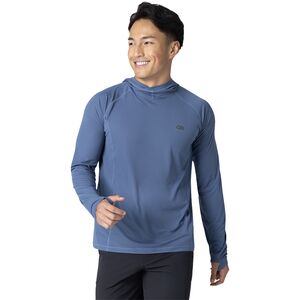
- Claimed Weight: 5.2oz
- UPF Rating: 15
- Anti-Odor: ActiveFresh
- Thumbholes: Yes
The Outdoor Research Echo Hooded Long-Sleeve Shirt excels as a hyper-lightweight, ultra-breathable layer tailored for high-output exertions. Tipping the scales at a mere 5.2 ounces, this technical hoodie offers featherlight performance that keeps you comfortable during running, climbing, or hiking. Its built-in ActiveFresh anti-odor treatment continuously fights off bacterial buildup, allowing you to push hard on trail days without worrying about unpleasant smells.
Featuring a fixed hood for quick head protection against harsh winds and sun, along with integrated thumbholes that secure sleeve positioning during rapid movements, this top focuses entirely on functional convenience. The lightweight construction transports moisture away from skin almost instantly, preventing chill during rest breaks. It provides an ideal solution for outdoor enthusiasts seeking lightweight, versatile upper-body coverage across warm to moderate weather conditions.
Pros:
- Ultra-lightweight 5.2oz physical weight
- Integrated hood and thumbholes for coverage
- ActiveFresh treatment controls odor buildup
Cons:
- Very thin fabric provides minimal cold protection
- Modest UPF 15 sun protection rating
View Men’s at Backcountry View Women’s at REI
9. Smartwool Classic Quarter-Zip

- Fabric: 100% merino wool
- Underwear Weight: Midweight
- Shirt Type: Partial-zip
- Quick Drying: Yes
The Smartwool Classic Thermal Merino Quarter-Zip offers precise temperature control for cold-weather enthusiasts engaging in high-intensity winter sports. Crafted from 100% premium merino wool, this midweight base layer efficiently insulates the core while allowing natural moisture vapor to escape. The addition of a center-front deep quarter-zip enables immediate manual venting whenever your body temperature surges during intense ascents or fast ski runs.
An updated fit profile enhances movement, featuring offset shoulder seams and flatlock construction that prevent friction under heavy gear. The zip-neck collar extends warmth up around the neck when zipped fully closed, keeping out cold drafts. Combining pure merino softness with natural odor control and customized ventilation capabilities, this versatile partial-zip top remains a top choice for serious alpine conditions.
Pros:
- Quarter-zip design allows easy manual venting
- 100% merino wool delivers high insulation
- Tall collar adds thermal protection for neck
Cons:
- Zipper hardware adds minor overall weight
- Requires extra care during laundry cycles
View Men’s at REI View Women’s at REI
10. REI Co-op Merino 185 Half-Zip

- Fabric: 100% merino wool
- Underwear Weight: Lightweight
- UPF Rating: 30
- Shirt Type: Partial-zip
Ready for active backcountry exploration, the REI Co-op Merino 185 Half-Zip Base Layer Top balances light warmth with impressive functional adaptability. Constructed entirely from ultrafine 100% merino wool, this breathable top sits smoothly against the skin without itching. It offers natural temperature regulation, odor resistance, and pilling resistance, ensuring durable performance over long periods of wear across variable mountain climates.
The practical half-zip front zipper makes dumps of excess heat fast and simple when working up a sweat on steep climbs. Rated at UPF 30, it guards your skin against high-elevation sun exposure, while smooth flat seams safeguard against friction under pack straps. Combining natural wool benefits with deep-zip temperature adjustments, this top serves as an exceptional lightweight foundation for year-round mountain adventures.
Pros:
- Ultrafine wool naturally resists odor and pilling
- Deep half-zip front allows fast ventilation
- Reliable UPF 30 sun protection rating
Cons:
- Lightweight knit requires layering in deep cold
- Wool fabric takes longer to dry than synthetics
View Men’s at REI View Women’s at REI
How to Choose Baselayers for Snowboarding
When you’re out snowboarding, staying warm, dry, and comfortable is essential to enjoying your time on the slopes. A good baselayer acts as the foundation of your layering system, managing sweat, maintaining warmth, and preventing chills. Choosing the right one depends on factors such as fabric, fit, weight, and weather conditions. Here’s a complete guide to help you pick the perfect baselayer for your snowboarding adventures.
Understanding the Purpose of Baselayers
Baselayers are designed to sit directly against your skin, wicking moisture away to keep you dry. When you sweat, especially in cold conditions, moisture can cause rapid heat loss if it stays on your skin. A high-quality baselayer pulls sweat away and allows it to evaporate through your outer layers. This keeps your body temperature regulated whether you’re riding hard or waiting for a lift. The right baselayer will balance insulation and breathability to keep you comfortable all day long.
Choosing the Right Fabric
Fabric choice is the most important factor when selecting a baselayer. Each material offers a different blend of warmth, moisture management, and comfort.
Merino Wool
Merino wool is one of the best natural materials for baselayers. It’s soft, breathable, and regulates temperature exceptionally well. It keeps you warm in cold weather and cool when you start to overheat. Merino is also naturally odor-resistant, making it ideal for multi-day snowboarding trips. However, pure merino can be more expensive and less durable than synthetic fabrics. Many brands now use merino blends, adding nylon or polyester for increased strength and faster drying.
Synthetic Fabrics
Polyester and nylon are popular synthetic options known for their excellent moisture-wicking and quick-drying capabilities. They’re typically more affordable and durable than wool but don’t regulate temperature as effectively. Synthetic baselayers can sometimes hold onto odors, so look for those treated with anti-odor technology. These are great for riders who sweat a lot or prefer lighter, performance-driven fabrics.
Blended Fabrics
Many modern baselayers combine merino wool with synthetic fibers to get the best of both worlds. These blends provide warmth, durability, and moisture control while maintaining a soft next-to-skin feel. If you ride in changing weather or need a balance of comfort and performance, a blended baselayer is a smart choice.
Understanding Fabric Weight
Baselayers come in different weights, which determine how warm they’ll be. Choosing the right weight depends on your snowboarding style and the temperatures you expect.
Lightweight
Lightweight baselayers are ideal for mild weather or for riders who generate a lot of body heat. They’re breathable and great for layering under insulated jackets. They work best for spring snowboarding or high-intensity activities like backcountry touring.
Midweight
Midweight baselayers are the most versatile. They balance warmth and breathability, making them suitable for most winter conditions. A midweight layer provides enough insulation for cold days while still managing moisture efficiently during active riding.
Heavyweight
Heavyweight baselayers are built for extremely cold environments. They provide maximum insulation and are often used for deep winter conditions or slow-paced activities where you’re less likely to generate heat. However, they can feel too warm and bulky for active snowboarding unless temperatures are well below freezing.
Fit and Comfort
The fit of your baselayer affects both performance and comfort. A snug, next-to-skin fit ensures efficient moisture wicking and heat retention. Too loose, and the fabric won’t pull moisture away effectively; too tight, and it can restrict movement. Look for baselayers with flatlock seams to prevent chafing and designs that allow freedom of movement, such as raglan sleeves or stretch panels. Many snowboarding-specific baselayers feature longer hems or droptail designs to stay tucked under your outerwear.
Layering Considerations
Your baselayer works as part of a system. To stay comfortable, it needs to pair well with your midlayer and outer shell. The baselayer should wick moisture effectively so it can pass through the midlayer and evaporate out of the shell. If your outer layers are highly breathable, you can opt for thicker or warmer baselayers. Conversely, if you wear a heavy insulated jacket, a lighter baselayer may prevent overheating. The goal is to create a balanced system that manages both warmth and ventilation.
Extra Features to Look For
Thumbholes
Many baselayers come with thumbholes to keep sleeves in place and provide extra warmth for your hands. They also make layering gloves easier by sealing out drafts at the wrist.
Half-Zip or Quarter-Zip Necks
Zip-neck baselayers give you added temperature control. You can unzip during hikes or warm conditions and zip up when it’s cold or windy. They also make putting on and removing layers more convenient.
Odor Control Treatments
If you ride multiple days in a row, odor-resistant materials can be a lifesaver. Merino wool naturally resists odor, while synthetics often use chemical treatments like Polygiene or HeiQ Fresh to achieve similar results.
Sun Protection
Some baselayers offer UPF-rated sun protection, which is helpful at high altitudes where UV exposure is stronger. This feature adds protection during sunny spring rides or long backcountry tours.
Gender-Specific Fits
Men’s and women’s baselayers are designed differently to match body shapes and comfort needs. Women’s models often have contoured fits for better layering and mobility, while men’s versions may offer longer torsos or broader shoulder cuts. Always try on baselayers before purchasing, as a proper fit improves both comfort and thermal efficiency.
Environmental and Ethical Considerations
If sustainability matters to you, look for baselayers made with certified or recycled materials. Merino wool certified by ZQ or Responsible Wool Standard (RWS) ensures ethical animal treatment and sustainable farming practices. Recycled polyester reduces waste and energy use compared to virgin fibers. Brands like Patagonia, Smartwool, and Icebreaker lead in sustainable production and ethical sourcing practices, allowing you to stay warm with a clear conscience.
How Many Baselayers Do You Need?
For most snowboarders, two or three baselayers are enough for a season. Having multiple weights allows you to adjust for temperature changes. It’s also helpful to have spares, especially on multi-day trips when drying time is limited. Merino layers can be worn several times between washes, while synthetics may need more frequent cleaning.
Care and Maintenance Tips
Proper care helps your baselayers last longer and perform better. Always follow the manufacturer’s washing instructions. For merino wool, use cold water and mild detergent, avoiding bleach and fabric softeners that can damage fibers. Lay them flat to dry instead of using high heat. Synthetic layers can usually handle machine washing and low-heat tumble drying. Keeping your baselayers clean maintains their wicking ability and prevents odor buildup.
Final Thoughts
Choosing the right baselayer for snowboarding is about matching fabric, weight, and fit to your riding style and climate. Merino wool is unbeatable for comfort and odor resistance, synthetics excel in durability and moisture control, and blends offer a versatile balance. Remember that your baselayer is the foundation of your cold-weather system — it keeps you dry, regulates your body temperature, and enhances your overall performance on the mountain. Invest in quality, care for it properly, and it will keep you comfortable through many seasons of snowboarding adventures.