
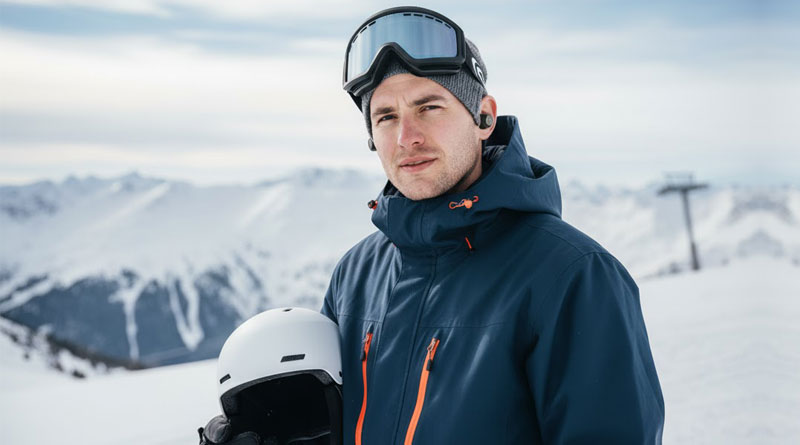
Best Snowboard Helmets Headphones of 2026
Listening to music while riding can make snowboarding even more fun, but only if you have the right gear. The best snowboard helmet headphones let you enjoy your favourite tunes without losing focus on the slopes. They stay secure, work well in cold weather, and fit comfortably under your helmet. Whether you like wireless Bluetooth options or built-in helmet speakers, there’s something for every rider. In this guide, we’ll look at the best snowboard helmet headphones to keep you safe and entertained on every run.
1. M Jiuyunmu Snowboard Helmet Headphones
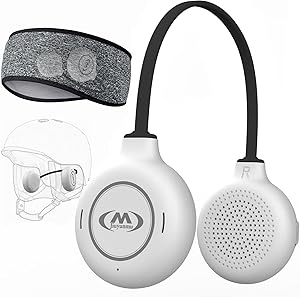
- Connectivity: Bluetooth 5.3
- Drivers: 40mm
- Battery Life: 9-10 hours
- Control: Single large button on right earpiece
The M Jiuyunmu Ski Helmet Headphones punch well above their price point with a focused feature set designed for riders who want simplicity and loud, clear audio. The 40mm drivers deliver an engaging midrange and surprisingly solid bass for in-helmet speakers, while Bluetooth 5.3 keeps the connection stable across typical slope distances. The single large control on the right earpiece is purposely simple — perfect for gloved use — and the Type-C charging keeps things modern and convenient. Fit is broadly universal for audio-ready helmets and the included bandana and storage bag are handy little extras you don’t always get.
On the negatives, the 9–10 hour runtime is decent but not class-leading, so big back-to-back days may require a midday top-up. Wind noise reduction is decent in most conditions but not exceptional in full-exposure, high-speed runs. Overall, these are an affordable, versatile option for skiers and boarders who want reliable, glove-friendly controls and solid sound without complicated setup or a steep price tag.
Pros and Cons
Pros:
- Intuitive, glove-friendly controls
- Stable and fast Bluetooth 5.3 connectivity
- Versatile for many outdoor activities
- Includes sports bandana and storage bag
Cons:
- Battery life is shorter than some rivals
See the M Jiuyunmu Ski Helmet Headphones
2. Wildhorn Alta
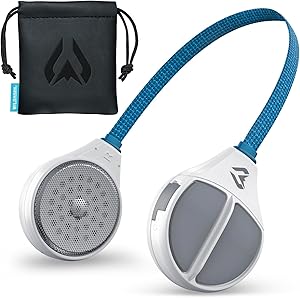
- Connectivity: Bluetooth 5.0
- Drivers: 40mm
- Battery Life: 10 hours
- Control: Three oversized buttons (one right, two left)
The Wildhorn Alta headset was built by riders and it shows in the details. Sound is balanced with strong bass for in-helmet use, thanks to 40mm drivers and a well-tuned Bluetooth 5.0 chipset. The three large buttons are intentionally oversized to make adjustments while wearing gloves quick and reliable; you can change tracks, adjust volume, and answer calls without fumbling. The integrated mic performs well for casual hands-free calls and the double-press voice assistant shortcut is a slick touch when you need to leave your phone in your pocket.
Construction feels rugged and the Alta handles cold, sweaty days better than many low-cost alternatives. Compatibility with most audio-ready helmets is a practical plus and setup is straightforward. The main trade-off is the older Bluetooth version compared to newer models, which slightly limits range and energy efficiency. Still, for riders who prioritise robust physical controls and dependable sound on the mountain, the Alta is a solid, user-focused choice.
Pros and Cons
Pros:
- Designed by skiers for riders
- Oversized, glove-friendly buttons
- Rugged and sweat-resistant
- Universal helmet compatibility
Cons:
- Bluetooth 5.0 is older than newer options
3. M Jiuyunmu Helmet Headphones
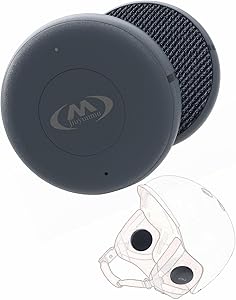
- Connectivity: Bluetooth 5.3
- Drivers: 40mm
- Battery Life: 12-14 hours
- Control: Large button on each earpiece
The M Jiuyunmu Helmet Headphones are a great pick for riders who value long runtime and simple, effective controls. Their 40mm drivers deliver a lively, room-filling sound that translates well when mounted inside a helmet, and Bluetooth 5.3 ensures a steady wireless link. The presence of a large control on each earpiece is genuinely helpful for gloved operation — you can adjust volume or skip tracks from either side. The 12–14 hour battery life means you’re unlikely to be scrambling for a charger during a full day on the hill.
These speakers are engineered for versatility and clear audio at higher speeds, with a design that reduces wind interference reasonably well. A notable limitation is fit — the manufacturer recommends half helmets rather than full-face shells, so double-check your helmet type before buying. If you use a compatible helmet and want long battery life with straightforward controls, these headphones are a dependable option that won’t complicate your setup.
Pros and Cons
Pros:
- Excellent 12–14 hour battery life
- Stable Bluetooth 5.3 connectivity
- Glove-friendly controls on both earpieces
- High volume and clear sound
Cons:
- Not suitable for full-face helmets
See the M Jiuyunmu Helmet Headphones
4. HRUITU Ski Helmet Speakers
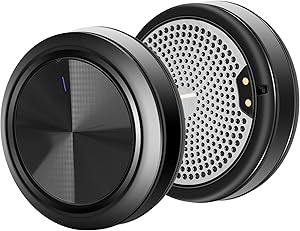
- Connectivity: Bluetooth 5.3
- Drivers: 40mm with HDR audio tech
- Battery Life: 12 hours (speakers), 72 hours (with case)
- Control: Glove-friendly button for track and call control
The HRUITU Ski Helmet Speakers stand out for their HDR audio processing and a charging case that massively extends usable time. The 40mm drivers paired with HDR tuning produce a clean, detailed sound that emphasises clarity across highs and lows — useful when wind and helmet acoustics can muffle detail. Bluetooth 5.3 provides a stable connection and the control button is easy to use while wearing gloves. The combination of on-device battery and a 3000mAh charging case gives genuine multi-day potential for people who travel light but ride hard.
Durability is a highlight: these speakers are waterproof and sweat-resistant, which reduces worry about wet weather or heavy perspiration. The main trade-off is carrying the charging case as an extra item in your pack, but for multi-day trips or long weekends it’s a genuine benefit. If you want top-tier in-helmet sound plus the convenience of a multi-charge case, the HRUITU set is a very attractive package.
Pros and Cons
Pros:
- Exceptional battery life with charging case
- HDR audio tech for superior sound
- Stable Bluetooth 5.3 connection
- Waterproof and sweat-resistant
Cons:
- Charging case is an extra item to carry
See the HRUITU Ski Helmet Speakers
5. OutdoorMaster Bluetooth 5.0 Helmet Headphones
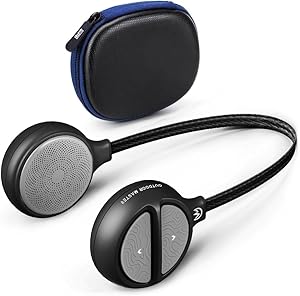
- Connectivity: Bluetooth 5.0
- Drivers: 40mm with CSR chip
- Battery Life: Up to 15 hours play time
- Control: Three glove-friendly buttons
OutdoorMaster’s Bluetooth 5.0 helmet headphones are engineered for durability and long days on the mountain. The CSR chip and 40mm drivers provide a strong, balanced sound with weighty bass for in-helmet listening. The standout feature is the battery life — up to 15 hours of play means you can comfortably do multi-run days without worrying about a recharge. The IP45-rated construction and tested cold performance make these a rugged, reliable option for harsh conditions and low temperatures.
The three-button control system is simple and effective when wearing gloves, and the ability to charge the unit without removing it from your helmet is a small but meaningful convenience. Bluetooth 5.0 isn’t the newest standard, so you trade a bit of efficiency and range for proven reliability. Overall, if long runtime, cold-weather toughness, and straightforward operation matter most, these deliver excellent real-world value.
Pros and Cons
Pros:
- Long battery life up to 15 hours
- Durable and works in extreme cold
- Universal compatibility with helmets
- Charge without removing from helmet
Cons:
- Bluetooth 5.0 is older than some rivals
See the OutdoorMaster Helmet Headphones
6. ALECK Nunchucks
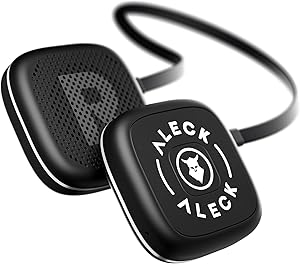
- Connectivity: Bluetooth 5.2
- Drivers: 40mm
- Battery Life: 18 hours
- Control: Two oversized buttons
The ALECK Nunchucks are aimed at riders who want long battery life and solid mechanical controls. With Bluetooth 5.2 and 40mm drivers, these speakers deliver HD audio and consistent pairing, and the two oversized buttons are extremely glove-friendly for volume and track control. The 18-hour battery life is class-leading, meaning you can count on them for multi-day use without frequent recharging. Rugged construction and sweat/cold resistance make them reliable in real mountain conditions.
Official Smith helmet partnership ensures a worry-free fit with that brand, while universal compatibility means they’ll work with many other helmets too. They’re slightly pricier than bare-bones models, but the added reliability, long runtime, and high-quality construction justify the cost for serious riders who value uninterrupted music and dependable controls while riding.
Pros and Cons
Pros:
- Exceptional 18-hour battery life
- Oversized, easy-to-use buttons
- Durable and cold-resistant
- Guaranteed Smith helmet compatibility
Cons:
- Slightly more expensive than basic models
7. BE Headwear Bluetooth Headset
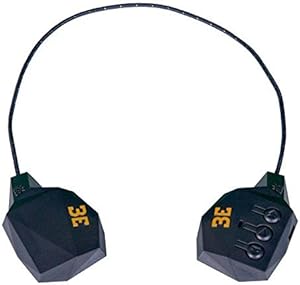
- Connectivity: Bluetooth 4.0
- Drivers: 30mm
- Battery Life: 9 hours
- Control: Built-in microphone with voice prompts
The BE Headwear Bluetooth Headset is a minimal, effective solution for riders who want discretion and simplicity. Its ultra-slim design and origami acoustics let the 30mm speakers sit neatly in most audio-ready helmets without bulk. The built-in microphone and voice prompts make setup and basic operation straightforward, which is ideal if you want a no-fuss system that focuses on calls and clear playback rather than booming bass. Battery life of around nine hours covers most single-day outings.
While Bluetooth 4.0 is dated and the drivers are smaller than many modern in-helmet options, the headset’s strengths are its slim profile, durable build, and truly hands-free user experience. If you prefer a low-profile, lightweight audio solution that keeps things simple while still letting you take calls and listen to music, BE Headwear is worth considering.
Pros and Cons
Pros:
- Ultra-slim, durable design
- Hands-free calling with microphone
- Simple operation with voice prompts
- Universal compatibility with helmets
Cons:
- Older Bluetooth 4.0 and shorter battery life
See the BE Headwear Bluetooth Headset
How to Choose Snowboard Helmet Headphones
Snowboarding is an exhilarating sport that combines speed, skill, and style. But while you’re carving down the mountain, listening to your favorite playlist can make the experience even better. To do this safely and comfortably, you need the right snowboard helmet headphones. Choosing the perfect pair isn’t as simple as grabbing any set of earbuds; factors like helmet compatibility, audio quality, comfort, and durability matter a lot. This guide will walk you through everything you should consider before making your choice.
Understanding Helmet Headphones
Helmet headphones are specifically designed to fit inside snowboard or ski helmets. Unlike regular earbuds or over-ear headphones, they’re built to stay secure, deliver clear audio in cold environments, and allow ambient sound for safety. Many snowboard helmets even come with built-in ear pads that can house audio systems, making it easy to add a compatible pair of headphones later.
Types of Snowboard Helmet Headphones
Wired Helmet Headphones
Wired headphones are known for consistent sound quality and reliability. They plug directly into your phone or music device and don’t require charging. However, the wires can sometimes get in the way or tangle with your gear. If you’re using a wired option, make sure the cable is short, durable, and has in-line controls for easy use on the slopes.
Wireless (Bluetooth) Helmet Headphones
Wireless headphones are the most popular choice among snowboarders today. They use Bluetooth to connect to your smartphone or music player, eliminating the hassle of cords. Most wireless models come with built-in batteries that offer between 8–20 hours of playtime. The main advantages include freedom of movement and compatibility with modern smartphones that may lack headphone jacks. Just remember to keep them charged before you hit the slopes.
Integrated Audio Systems
Some premium snow helmets come with integrated audio systems already built in. These are designed to fit perfectly within the helmet’s ear pads and often include Bluetooth connectivity and controls. While they tend to be more expensive, they provide a clean, streamlined setup with no need for additional installation or modifications.
Key Features to Look For
1. Compatibility with Your Helmet
Before buying, check if your helmet is audio-compatible. Many brands like Smith, Giro, and Anon offer helmets with removable ear pads designed for drop-in headphones. If your helmet doesn’t have this feature, you can still find universal options that fit most designs. Always ensure the earpads or inserts can accommodate the headphone modules securely.
2. Audio Quality
Sound clarity and volume control are essential. Since snowboarding takes place in noisy outdoor environments, you’ll want headphones that deliver crisp audio without completely blocking outside sounds. Look for models with balanced bass and clear mids, ensuring you can enjoy your playlist or take calls while staying aware of your surroundings. Some brands offer EQ tuning options for different music preferences.
3. Comfort and Fit
Comfort is key when you’re wearing a helmet for hours. The headphones should fit snugly inside your helmet’s ear pads without creating pressure points. Soft padding, lightweight construction, and ergonomic design will make a noticeable difference. Try wearing the setup for a few minutes before your ride to ensure it feels natural and doesn’t affect helmet stability.
4. Durability and Weather Resistance
Snowboarding exposes your gear to cold temperatures, moisture, and impact. Choose headphones that are sweat-resistant or waterproof, with rugged materials built to withstand freezing conditions. Many snow-specific headphones feature reinforced cables, sealed buttons, and shock-resistant casings for enhanced durability.
5. Battery Life
If you’re going wireless, battery life is a major consideration. Look for models that provide at least 10 hours of playtime on a single charge, which should cover a full day on the slopes. Some options even include quick-charge technology that gives you a few hours of playback from a short 15-minute charge. Always check if the headphones have an easy charging port that works with your existing cables.
6. Controls and Hands-Free Use
On-slope control convenience matters. Many snowboard helmet headphones come with glove-friendly buttons or touchpads to adjust volume, change tracks, or take calls without removing your gloves. Built-in microphones allow you to communicate hands-free, making it easier to coordinate with friends or answer calls safely while riding.
7. Connectivity and Range
For Bluetooth headphones, stable connectivity is essential. Look for models with Bluetooth 5.0 or newer for better range and less interference. Some systems can connect to multiple devices simultaneously, so you can switch from your phone to a walkie-talkie app or GoPro without hassle. A strong, reliable connection ensures uninterrupted music even in busy ski resorts.
8. Ease of Installation
Choose headphones that are easy to install or remove from your helmet. Most drop-in models simply slide into the designated ear pad pockets. Others attach with Velcro or clips. The goal is to achieve a snug, secure fit without complicated setup steps. Quick installation also means you can transfer your headphones between multiple helmets if needed.
Top Brands to Consider
Some brands have earned a solid reputation for producing quality snowboard helmet headphones. Notable names include:
- Outdoor Tech: Known for the Chips series, which fit perfectly into most audio-compatible helmets and deliver clear Bluetooth sound.
- Alta: Offers high-quality wireless drop-in headphones with great sound and glove-friendly controls.
- BE Headwear: Specializes in ultra-slim audio systems with Bluetooth connectivity and impressive battery life.
- Smith and Giro: Offer helmets designed to integrate seamlessly with Outdoor Tech or similar audio systems.
Each of these brands prioritizes audio performance, comfort, and snow-specific durability, making them reliable choices for all skill levels.
Safety Considerations
While music can make your ride more enjoyable, safety should always come first. Avoid playing music too loudly; it’s important to hear ambient sounds like other riders or approaching lifts. Some headphone models include open-ear designs that allow environmental sound awareness, reducing the risk of accidents. Additionally, always ensure that your helmet’s fit and safety certifications are not compromised by the audio setup.
Extra Features to Look For
- Voice Assistants: Some Bluetooth headphones support Siri, Google Assistant, or Alexa for voice control.
- Intercom Functionality: Allows direct communication with friends on the same system without using your phone.
- Audio Sharing: A few models let you share your playlist with nearby riders via Bluetooth pairing.
Price and Value
Prices for snowboard helmet headphones range from budget-friendly options under £50 to premium sets exceeding £150. While expensive models often offer better sound, build quality, and features, many mid-range headphones provide excellent value. Consider your priorities—if you mainly want reliable Bluetooth audio for casual rides, a mid-priced option will likely suffice.
Conclusion
Choosing the right snowboard helmet headphones comes down to compatibility, comfort, sound quality, and durability. Whether you prefer wired reliability or wireless freedom, the best headphones should enhance your snowboarding experience without compromising safety or comfort. Look for a model that fits securely in your helmet, delivers clear sound in cold weather, and lasts through long days on the mountain. With the right setup, you can enjoy your favorite tunes or stay connected with friends—all while shredding down the slopes in style.