Best Ski Goggles for Night Skiing of 2026
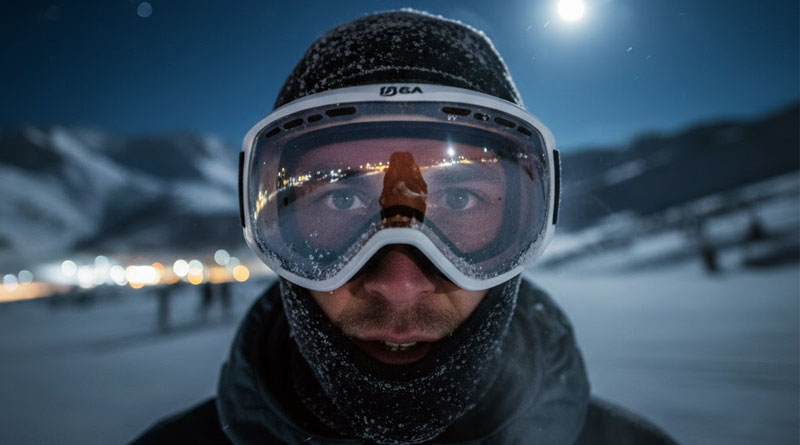
Skiing at night can be an amazing experience, but it also comes with low light and visibility challenges. The right pair of ski goggles can make all the difference, helping you see clearly and stay safe on the slopes after dark. Night ski goggles are designed with special lenses that enhance contrast and reduce glare from artificial lights. In this guide, we’ll share the best ski goggles for night skiing to help you enjoy clear vision, comfort, and confidence under the stars.
1. Oakley Line Miner L
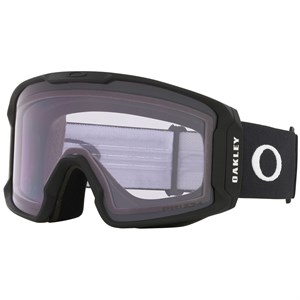
- Frame Size: Large, OTG (Over The Glasses)
- Lens Type: Cylindrical with Prizm™ Technology
- Helmet Compatibility: Yes, with 360° frame venting
- Lens Material: Plutonite® with 100% UV protection
The Oakley Line Miner L goggles deliver exceptional visibility with a design that sits closer to your face than any other Oakley model. This allows for enhanced downward and peripheral vision, making them ideal for skiing or snowboarding in challenging terrain. The O Matter® chassis remains flexible in freezing conditions, while the rigid exoskeleton ensures precise lens alignment for consistent optical clarity.
Equipped with Prizm™ lens technology in select models, the Line Miner L enhances contrast and detail across varied light conditions. The dual-pane lens with F3 anti-fog coating maintains a clear view, while the silicone-backed strap ensures stability on helmets. Prescription eyewear compatibility and removable triple-layer face foam make them a comfortable and versatile choice for all-day wear.
- Pros: Excellent peripheral vision, durable build, OTG compatible, superior lens clarity
- Cons: Prizm lenses sold separately on some models, large frame may not suit smaller faces
2. OutdoorMaster Ski Goggles PRO

- Lens Type: Spherical, frameless design
- Lens System: Interchangeable with 20+ options
- UV Protection: 100% UV400 with anti-fog coating
- Helmet Compatibility: Universal with extra-long strap
The OutdoorMaster Ski Goggles PRO combine performance and comfort with a frameless, spherical lens that offers a wide and unobstructed field of vision. The large lens gives a clear view of the slopes, and its interchangeable design allows you to switch easily between lenses for day or night conditions. Built for adults and teens alike, these goggles offer an OTG-friendly design, making them suitable for those who wear glasses underneath.
Anti-fog coating and full UV400 protection keep your eyes safe and vision clear in all weather. The extra-long elastic strap ensures secure helmet compatibility, while the included protective case and carrying pouch add value. Whether for night skiing or bright sunny days, these goggles are an affordable and versatile option for recreational and seasoned skiers.
- Pros: Budget-friendly, wide lens view, easy lens swaps, OTG compatible
- Cons: Extra lenses sold separately, frame may feel large on smaller faces
See the OutdoorMaster Ski Goggles PRO
3. Smith Squad
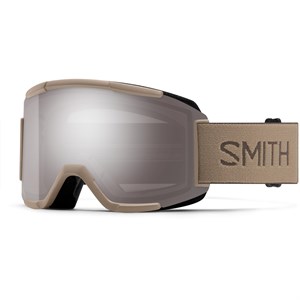
- Frame Size: Medium
- Lens Type: Cylindrical Carbonic-X with ChromaPop™
- Helmet Compatibility: Yes
- Anti-Fog System: Fog-X inner lens technology
The Smith Squad goggles have earned their place as a top choice among skiers for their clear optics and functional design. The semi-rimless Responsive Fit™ frame flexes naturally to your face for a comfortable fit, while the dual-layer DriWix foam keeps moisture under control. Their simple yet durable construction offers dependable performance without unnecessary bulk.
Featuring Smith’s proprietary ChromaPop™ lens technology, the Squad enhances color and contrast to improve visibility in variable light. The Fog-X inner lens prevents moisture buildup even on humid or snowy days. With two interchangeable lenses included for bright and low-light conditions, these goggles offer great value for their price range and reliability.
- Pros: Excellent clarity, lightweight frame, includes extra lens, reliable fog prevention
- Cons: Limited field of view vs. spherical lenses, no magnetic lens system
4. Smith Squad S – Women’s
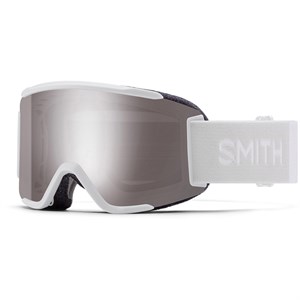
- Frame Size: Small
- Lens Type: Cylindrical Carbonic-X with ChromaPop™
- Ventilation: Airflow ventilation system
- Helmet Compatibility: Yes, optimized for Smith helmets
Designed specifically for smaller faces, the Smith Squad S goggles offer the same high-end features as the standard Squad model but in a more compact size. The semi-rimless frame maintains a clean look and a comfortable fit that integrates perfectly with most helmets. The included bonus clear lens makes these goggles a practical choice for changing light conditions.
Smith’s ChromaPop™ lens technology enhances color contrast, while the Airflow ventilation system ensures steady breathability and fog-free performance. The dual-layer DriWix foam provides a soft feel against the skin and wicks away moisture during active skiing sessions. These goggles combine great optics, durability, and affordability in one stylish package.
- Pros: Compact fit for smaller faces, includes bonus lens, fog-free performance, excellent color definition
- Cons: Limited field of view, not ideal for large helmets
See the Smith Squad S – Women’s
5. Oakley Fall Line L
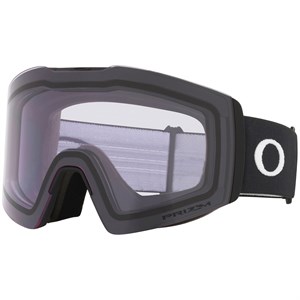
- Frame Size: Large
- Lens Type: Cylindrical with Prizm™ Technology
- Lens Material: Plutonite® with 100% UV protection
- Ventilation: Dual vented lenses with F3™ anti-fog coating
The Oakley Fall Line L goggles combine a bold rimless design with exceptional peripheral vision, perfect for skiers who want both style and functionality. The rigid exoskeleton ensures a distortion-free lens fit, while the O Matter® inner frame remains flexible in cold temperatures for all-day comfort. These goggles are built to perform in any mountain condition while maintaining Oakley’s signature visual sharpness.
With the Prizm™ lens technology, the Fall Line L offers improved color contrast and definition, allowing for better terrain reading and faster reactions. The silicone-backed strap provides a secure grip on helmets, and the triple-layer polar fleece foam ensures moisture management and comfort. It’s a premium choice for skiers who value wide vision and top-tier clarity.
- Pros: Wide peripheral view, premium lens quality, comfortable triple-layer foam, stylish design
- Cons: High price point, lenses can scratch if not handled carefully
6. Anon M4S Toric
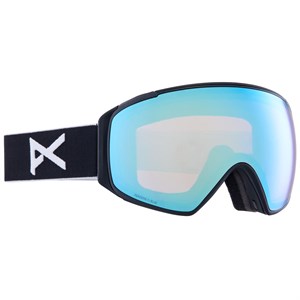
- Frame Size: Medium, OTG compatible
- Lens Type: Toric PERCEIVE with Magna-Tech™ system
- Ventilation: Full perimeter channel venting
- Included Accessories: MFI® facemask and bonus lens
The Anon M4S Toric goggles redefine clarity and convenience with advanced PERCEIVE optics and a quick-change magnetic lens system. The toric shape mimics the curvature of the human eye, offering natural vision with minimal distortion and maximum field of view. Ideal for riders who want premium optics and easy adaptability across conditions.
The included MFI® facemask attaches magnetically, sealing out wind and snow while keeping the lens fog-free. Triple-layer face foam and a no-slip silicone strap ensure comfort and security, even during intense runs. Designed for medium faces, the M4S Toric goggles balance technology, fit, and all-weather versatility.
- Pros: Magnetic lens swap, exceptional clarity, MFI facemask included, fog-free performance
- Cons: Expensive, medium fit may feel tight on larger faces
7. Oakley Flight Deck M
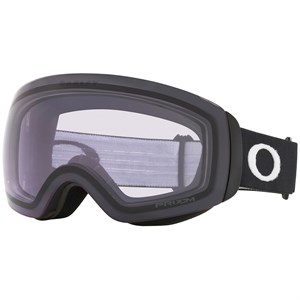
- Frame Size: Medium, OTG compatible
- Lens Type: Spherical with Prizm™ Technology
- Ventilation: Dual vented Plutonite® lenses with F3™ coating
- Lens System: Ridgelock quick-change design
The Oakley Flight Deck M delivers the same expansive view as the full-sized Flight Deck but with a more compact fit. Its rimless lens design provides an unmatched field of vision, while the sub-frame attachment system makes lens swapping simple. Designed for comfort, the 3D CAD-engineered fit ensures a continuous seal that blocks out snow and moisture.
Featuring Oakley’s Prizm™ lens technology, these goggles boost contrast and detail, allowing you to read terrain more clearly. The dual venting system and F3™ anti-fog coating maintain visibility in all weather conditions. With temple notches for glasses wearers and a moisture-wicking triple-layer foam, the Flight Deck M combines high performance with versatile comfort.
- Pros: Superior optics, frameless field of view, quick lens change, OTG compatible
- Cons: Pricey, lens changes require practice
How to Choose Ski Goggles for Night Skiing
Night skiing offers a unique and thrilling experience on the slopes, with quieter runs and a different kind of atmosphere under the lights. However, skiing at night brings visibility challenges that require the right gear—especially goggles. Choosing ski goggles for night skiing isn’t just about comfort; it’s about safety and performance. The right pair will enhance visibility in low light, reduce glare, and keep your eyes protected from cold air and snow. Here’s everything you need to know about selecting the perfect goggles for skiing after dark.
Understanding Light Conditions at Night
Unlike daytime skiing, night skiing takes place under artificial lighting, which creates patchy illumination and deep shadows. The light reflected off the snow can vary dramatically, making it harder to distinguish contours and bumps on the slope. This means that goggles designed for bright sunlight simply won’t work well at night. Instead, you’ll need lenses that maximize brightness and contrast while maintaining a clear, distortion-free view.
Low Light and Artificial Illumination
Artificial lights tend to be focused and directional, leaving certain parts of the slope dimmer than others. Low-light lenses help amplify available light and improve depth perception. A good night-skiing goggle should allow enough visible light transmission (VLT) so your eyes can easily adapt to different lighting areas.
Choosing the Right Lens Tint
The lens tint is arguably the most important factor when choosing goggles for night skiing. The tint affects how much light enters your eyes and how well you perceive contrast. For skiing at night, you need lenses that maximize brightness rather than reduce it.
Best Lens Colors for Night Skiing
- Clear Lenses: The most common choice for night skiing. They provide maximum light transmission (80–100% VLT), ensuring a bright and unobstructed view under low light or artificial illumination.
- Yellow/Gold Lenses: These tints slightly enhance contrast and definition without reducing too much light. Ideal for nights with light fog or flat lighting.
- Light Rose or Amber Lenses: These add subtle contrast and warmth to your view, making them suitable for dim evening conditions or early twilight skiing.
Avoid dark or mirrored lenses, as they’re designed for bright sunlight and will severely limit visibility under night lights. Clear or lightly tinted lenses are your best bet for clarity and depth perception.
Lens Technology and Coatings
Modern ski goggles come with a variety of technologies that improve visibility, comfort, and durability. When skiing at night, lens clarity and fog prevention are crucial.
Anti-Fog Coating
Condensation is a major problem during night skiing due to temperature changes and body heat. Look for goggles with a permanent anti-fog coating on the inside of the lens. Dual-pane lenses are also effective—they create a thermal barrier that minimizes fog buildup between layers.
Hydrophobic and Oleophobic Coatings
These coatings repel moisture, snow, and oils, keeping your lenses clear throughout your session. They make cleaning easier and help prevent smudges or scratches that could reduce visibility at night.
Lens Clarity and Optical Quality
Premium lens technologies like Oakley’s Prizm™, Smith’s ChromaPop™, or Anon’s PERCEIVE lenses enhance color definition and depth perception. Although their benefits are most noticeable in daylight, their superior clarity can still help reduce visual strain during night skiing.
Lens Shape and Field of View
The shape of your lenses affects both vision and comfort. For night skiing, a wide and clear field of view is important for spotting terrain changes and other skiers under dim lighting.
Cylindrical vs. Spherical vs. Toric Lenses
- Cylindrical Lenses: Curved horizontally but flat vertically. They’re affordable and lightweight but may have minor distortion at the edges.
- Spherical Lenses: Curved both horizontally and vertically, offering a wider field of view and better peripheral vision. Excellent for spotting shadows and contours on night runs.
- Toric Lenses: Combine features of both shapes for a natural field of vision with reduced distortion. Ideal for those who prioritize optical precision.
For night skiing, spherical or toric lenses are often preferred because they offer a broader field of vision and minimize distortion, which helps in low-contrast environments.
Frame Fit and Comfort
Comfort is essential when skiing for long hours in cold conditions. A good frame should fit snugly without pinching or leaving gaps where cold air or snow can enter. Consider helmet compatibility as well—most modern goggles are designed to integrate smoothly with ski helmets.
Foam Padding and Ventilation
Triple-layer face foam provides comfort and insulation while wicking moisture away. Proper ventilation channels around the frame are equally important—they allow airflow that prevents fogging without letting in cold drafts. Look for goggles with 360° ventilation for consistent airflow even with a helmet on.
Over-the-Glasses (OTG) Compatibility
If you wear prescription glasses, choose OTG-compatible goggles. These designs feature deeper frames and temple cutouts that allow your glasses to fit comfortably underneath without pressure or fogging.
Interchangeable Lens Systems
Although you’ll mainly use one lens type for night skiing, an interchangeable system can be useful if you ski in various light conditions. Magnetic or quick-swap lens systems make changing lenses effortless. This feature lets you switch from clear night lenses to mirrored day lenses without needing a separate pair of goggles.
Helmet Compatibility and Strap Design
Ensure your goggles fit well with your helmet. Poorly fitting goggles can cause pressure points, gaps, or fogging. Most modern goggles feature adjustable silicone-backed straps that prevent slipping on helmet surfaces. Some brands even design goggles and helmets together for seamless integration and improved ventilation.
Anti-Fog and Ventilation Tips for Night Skiing
Fogging is one of the biggest challenges when skiing at night, as humidity and cold air create condensation on lenses. To minimize fog buildup:
- Keep goggles on your face to maintain consistent internal temperature.
- Avoid wiping the inside of the lens, as this can damage the anti-fog coating.
- Allow goggles to dry completely after skiing before storing them.
- Use vents properly—don’t block them with your helmet or face mask.
Budget and Brand Considerations
While premium goggles from Oakley, Smith, or Anon offer the best optics and comfort, you don’t have to spend excessively for effective night goggles. The key is to prioritize lens clarity, fog resistance, and comfort over expensive extras like photochromic or mirrored coatings, which are unnecessary for night skiing.
Budget options like the OutdoorMaster Ski Goggles PRO provide great performance with anti-fog lenses and helmet compatibility at a fraction of the price. However, if you frequently ski at night or in variable conditions, investing in a high-end model with interchangeable lenses can be worthwhile.
Final Tips for Buying Night Ski Goggles
- Always check the lens VLT rating—aim for 70% or higher for night use.
- Try goggles with your helmet to ensure a proper seal and comfort.
- Consider carrying a microfiber bag for cleaning and storage to avoid scratches.
- If possible, test visibility under artificial lighting before your trip.
Conclusion
Choosing the right ski goggles for night skiing is all about enhancing visibility, comfort, and safety in low-light conditions. Clear or lightly tinted lenses with high VLT ratings are essential for seeing clearly under artificial light. Features like anti-fog coatings, proper ventilation, and a comfortable fit make a big difference during long sessions on the slopes. Whether you opt for an affordable OTG model or a premium lens technology, the best goggles are those that keep your vision sharp and your focus on enjoying the ride beneath the stars.