Best Earbuds for Snowboarding of 2026
Finding the right earbuds for snowboarding can make a big difference on the slopes. You need something that stays secure, sounds great, and can handle snow, wind, and cold temperatures. The best snowboarding earbuds combine clear audio, strong Bluetooth connection, and waterproof design so you can enjoy your music or calls without worry. In this guide, we’ll look at the top earbuds made for riders who want comfort, durability, and great sound while carving down the mountain or waiting at the lift.
1. Beats Flex Wireless Earbuds

- Battery Life – Up to 12 hours listening
- Fit – Flex-Form cable with four eartip sizes
- Connectivity – Apple W1 chip + Class 1 Bluetooth
- Extras – Magnetic Auto-Play/Pause & Audio Sharing
Beats Flex are a compact, cable-style pair that suit boarders who want simple, reliable audio without bulky hardware. The Flex-Form cable sits behind the neck under a helmet or hood with minimal snagging, and four eartip sizes help lock them in during bumpy runs. The Apple W1 chip keeps pairing painless for iPhone users, while Android compatibility and Class 1 Bluetooth reduce dropouts on lifts and in resort hubs. Magnetic buds auto-pause when clipped together — handy between runs or when you want to chat with your buddy.
Sound is balanced for casual listening: decent mids and controlled bass that push motivation without overwhelming the trail noise you still want to hear for safety. The built-in mic includes wind reduction, which is useful but not flawless in strong gusts. Battery life is solid for a day on the mountain, and the on-device controls are simple and reliable with gloves or mittens. Overall, Beats Flex are an easy, low-fuss choice for snowboarders who prioritize comfort, simple pairing, and dependable day-long playback.
Pros:
- Comfortable under helmet, easy pairing for Apple users
- Magnetic auto-pause and audio sharing
Cons:
- Not true wireless; wind can still affect call clarity
- Sound lacks the deep punch of more sport-focused models
See the Beats Flex Wireless Earbuds
2. SHOKZ New OpenRun Pro 2

- Design – Open-ear bone conduction + air conduction drivers
- Battery – Up to 12 hours of 3D audio
- Safety – Open-ear awareness for situational hearing
- Call Tech – Dual wind-resistant mics + AI noise reduction
SHOKZ OpenRun Pro 2 use bone conduction tech so your ears stay open to surroundings — ideal for snowboarding when you need to hear piste warnings, lift announcements, or companions. The dual drivers add more body to the sound than older bone-conduction models, giving surprisingly full audio while preserving that essential environmental awareness. The unibody frame with Ni-Ti memory wire feels secure and won’t slip under a helmet or beanie during active runs.
On the hill, the OpenRun Pro 2 shine for safety-minded riders: you can hear skis, shouts, and trail signals while still enjoying playlists. Call quality is strong thanks to wind-resistant mics and AI filtering, which matters in gusty chairlift conditions. The Shokz app EQ modes let you tune audio for noisy resort areas. If you prioritize hearing your environment and want crisp, lightweight hardware that won’t isolate you, these are a top pick — though purists who want fully sealed immersion may miss in-ear bass depth.
Pros:
- Keeps ears open for safety, secure fit under helmet
- Good call clarity in windy conditions
Cons:
- Less immersive bass than in-ear sealed earbuds
- Sound can leak at high volumes
See the SHOKZ New OpenRun Pro 2
3. bmani Noise Cancelling Earbuds
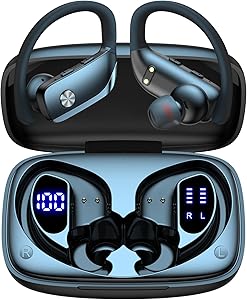
- Noise Cancellation – Smart ANC for wind and traffic
- Battery – 8h per earbud; 80h total with charging case
- Drivers – 10mm dynamic drivers for rich sound
- Fit – Adjustable ear hooks and ergonomic tips
bmani’s noise-cancelling earbuds aim to reduce distracting background noise while letting you remain aware when needed — a useful balance for snowboarders who want focus without complete isolation. The 10mm drivers deliver a lively sound signature with clear treble and satisfying bass for pump-up tracks. Adjustable ear hooks add security for aggressive runs or park sessions, and the dual mics keep calls intelligible when you’re off the mountain or waiting in the lodge.
The 80-hour total runtime from the case is exceptional for multi-day ski trips where charging opportunities are limited. The digital LED case display is handy for checking remaining juice at a glance. ANC performance is solid against chatter and lift machinery, though extreme gusts still penetrate. Controls are physical buttons rather than touch gestures, which many riders appreciate when wearing gloves. Overall, bmani is a strong budget-friendly option when long battery life and ANC matter more than premium brand cachet.
Pros:
- Massive total battery life and visible case display
- Secure fit with ear hooks; decent ANC for the price
Cons:
- Not as refined in extreme wind; mids can be forward
- Physical buttons require more fiddling with gloves
See the bmani Noise Cancelling Earbuds
4. JOYWISE Bluetooth Headphones
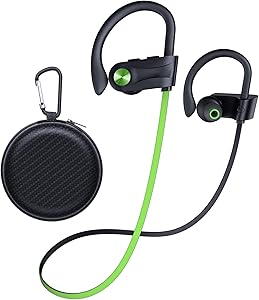
- Playtime – Up to 16 hours continuous use
- Waterproof – IPX7 rating for sweat and rain
- Connectivity – Bluetooth 5.3 with easy button controls
- Durability – Reinforced neck lanyard (+20% lifespan)
JOYWISE focuses on durability and long sessions, making these headphones a sensible pick for snowboarders who want reliable, weather-resistant audio. An IPX7 rating means they shrug off heavy snow, wet gloves, and sweat without drama. The reinforced neck lanyard feels tougher than budget alternatives, so you’re less likely to lose them during busy lift lines or when tossing gear in a locker. Simple button controls work well with gloves and avoid the false taps common with touch-sensitive buds.
Sound quality is pleasingly full for workout-oriented headphones, and the Boean AI app adds creative EQ and personalization for riders who like to tweak tones. Call clarity is fine for quick check-ins, though jaw-moving helmet winds can still intrude. While not as compact as truly wireless earbuds, the neckband form factor is comfortable under outer layers and keeps things from flying off mid-air. If you want a durable, water-resistant set that prioritizes battery life and straightforward operation, JOYWISE is a practical choice.
Pros:
- IPX7 waterproofing and long battery life
- Durable neckband and glove-friendly controls
Cons:
- Neckband bulkier than true wireless style
- App features are gimmicky for some users
See the JOYWISE Bluetooth Headphones
5. JBL Endurance Race TWS

- Sound – JBL Pure Bass from 6mm dynamic drivers
- Battery – Up to 30 hours total; Speed Charge
- Durability – IP67 dust/waterproof, Twistlock fit
- Safety – Smart Ambient & TalkThru modes
JBL’s Endurance Race are built for sport: a Twistlock fit and IP67 rating keep these buds secure and protected through slushy runs and cold weather. The Pure Bass tuning gives tracks punchy lows that push adrenaline on the lift and through technical sections. Speed Charge is useful when you need a fast boost between outings, and the 30-hour combined runtime frees you from daily charging during a long weekend at the resort.
Smart Ambient keeps you aware of surroundings when needed, and TalkThru makes lodge chats easy without removing the buds. Dual beamforming mics help calls stay clear, though very high winds still present a challenge. The in-ear, truly wireless form is great under a helmet, but getting the right silicone tip fit is essential to hear the intended bass and achieve reliable call performance. For riders wanting punchy sound, robust protection, and sports-first features, JBL delivers a strong package.
Pros:
- Powerful bass, secure Twistlock fit, long battery life
- IP67 protection and quick charging
Cons:
- Requires correct tip size for best sound and seal
- Call clarity impacted in extreme wind
See the JBL Endurance Race TWS
6. Soundcore Sport X20

- Fit – Adjustable ear hooks with rotation and extension
- ANC – Powerful noise cancelling with adaptive ANC
- Drivers – 11mm dynamic drivers with BassUp tech
- Protection – SweatGuard and dust protection for active use
Soundcore Sport X20 are engineered for athletes who need both secure fit and serious noise control. Adjustable hooks let you dial in the position under a helmet or beanie, and the adaptive ANC reduces noisy lodge or lift environments so you can focus between runs. BassUp and 11mm drivers deliver energetic low end that helps keep momentum through long days on the hill without feeling muddy.
The protective design and SweatGuard make these reliable in cold, wet conditions, resisting moisture and road salt. ANC can be manually tuned to keep important ambient cues audible — a handy feature for safety when riding in crowded areas. While touch controls are responsive, glove users may prefer physical buttons; still, the combination of fit, protection, and punchy sound makes the Sport X20 a versatile, performance-oriented choice for snowboarders chasing both focus and excitement.
Pros:
- Customizable fit and strong ANC for focused sessions
- Powerful bass and robust sweat/dust protection
Cons:
- Touch controls less glove-friendly for some riders
- ANC may reduce situational awareness if overused
7. GNMN Active Noise Canceling Ear Buds
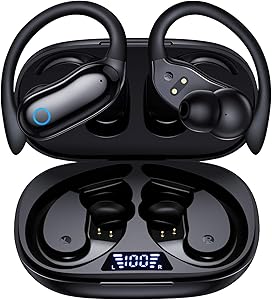
- Waterproof – IPX7 rating for sweat and snow
- Battery – Up to 8h per charge; 96h with case
- Drivers – 16mm drivers for deep bass
- Controls – Touch control + fast auto-pairing
GNMN earbuds bring large-driver sound and sport-focused durability to riders who want depth and staying power. The 16mm units produce a fuller low end that keeps mood high on cold climbs and long traverses, while IPX7 protection and secure ear hooks ensure they survive wet conditions and aggressive movement. The touch controls are convenient for quick track changes, and fast auto pairing gets you riding sooner.
The long case runtime is a standout for multi-day trips, and the dual-LED display makes monitoring battery simple. Noise isolation from the in-ear fit plus ANC features help reduce lift noise and chatter, though extreme winds still challenge wind protection. These are an excellent value for riders seeking big sound, long battery life, and a secure, sport-ready fit without spending premium dollars.
Pros:
- Huge total battery life and deep, punchy bass
- Secure fit and IPX7 water protection
Cons:
- Touch controls can be fiddly with gloves
- ANC and wind handling not top tier in extreme gusts
See the GNMN Active Noise Canceling Ear Buds
8. Stiive Bluetooth Headphones

- Latency – Low latency Bluetooth 5.3 connection
- Battery – Up to 16 hours playtime per charge
- Waterproof – IPX7 with nano-coating protection
- Fit – Ergonomic ear-hook with four eartip sizes
Stiive headphones prioritize latency, stability, and comfort — important if you use music and trail apps or watch quick videos in the lodge. Bluetooth 5.3 offers reliable connectivity and quick reconnection after device changes. The ergonomic ear hook and multiple tip sizes lock them in under a helmet without causing pressure points, and IPX7 protection handles wet snow and sweat without issue. Sound is balanced with good bass presence and clear mids for a motivating soundtrack.
The claimed 16-hour runtime handles a full day on the mountain, and the low-latency performance is beneficial if you switch between music and video or call companions while on break. Call clarity is improved with the noise-canceling microphone, though heavy winds remain the main challenge for any headset. These are a solid, practical option for riders who want dependable, comfortable performance and a safe level of situational awareness.
Pros:
- Stable low-latency connection and comfortable secure fit
- IPX7 protection and solid battery life
Cons:
- Microphone struggles in extreme wind
- Soundstage not as wide as open-ear designs
See the Stiive Bluetooth Headphones
How to Choose Earbuds for Snowboarding
Picking the right earbuds for snowboarding is more than just chasing the best sound — it’s about safety, fit, durability, and convenience in cold, windy, and fast-paced conditions. In this guide you’ll learn the features that matter, trade-offs to expect, and practical tips for using earbuds on the slopes so your music, calls, or GPS audio enhance your runs instead of getting in the way.
Why earbuds for snowboarding are different
Snowboarding exposes you to wind, moisture, cold batteries, and lots of movement. An earbud that sounds great on a commute might fall out or stop working in subzero conditions. Choose earbuds built to cope with the elements and the physicality of riding — secure fit, water and dust resistance, resilient battery performance in cold, and controls you can use with gloves or a jacket sleeve.
Fit and retention: stay put on every run
Fit is the single most important factor. If earbuds fall out as you carve, they’re useless.
In-ear vs ear-hook vs over-ear adapters
In-ear (true wireless) buds are compact and low profile under a beanie or helmet. Look for models that include multiple silicone or foam tips and optional stabilizing fins. Ear-hook styles or neckband earbuds give extra security and are less likely to be lost during a fall. Some over-ear adapters or ear warmers integrate with earbuds — these are bulkier but excellent for cold days.
Tips for better retention
- Use foam tips rather than silicon: they expand to seal and grip better in cold weather.
- Try stabilizer fins or wing tips when available.
- Consider a thin helmet-compatible strap or a neck strap if you frequently remove your helmet between runs.
- Test fit with the helmet and goggles on — that combination can change how earbuds sit in your ears.
Sound quality and safety on the slopes
Good sound matters for enjoyment, but situational awareness is critical. Snowboarding environments have other riders, lift announcements, and vehicles — completely isolating ANC earbuds can be hazardous.
Active Noise Cancellation vs awareness mode
ANC removes wind and lift noise but can also block important ambient cues. Prefer earbuds that offer an adjustable ANC or a transparency/ambient mode so you can hear announcements or approaching people without removing your buds.
Equalization and bass
Music with tight, controlled bass helps mask wind while staying clear. Look for earbuds with an app-based equalizer so you can dial in sound for outdoor conditions. However, avoid excessively loud settings — protecting your hearing is important, and loud noise perceived through bone conduction from a helmet can be deceptive.
Battery life and charging considerations
Cold weather reduces battery performance. Expect shorter run times than advertised, and plan accordingly.
What to look for
- Choose earbuds with at least 5–8 hours of playtime in moderate conditions; higher if you expect long days.
- Carry the charging case close to your body (inside a jacket) to keep it warm and preserve charging capacity between runs.
- Fast charging helps — a quick 10–15 minute top-up while in the lodge can be useful.
Connectivity and latency
Stable Bluetooth pairing is essential on the chairlift and when switching between devices like phones and action cameras.
Bluetooth codecs and multi-device pairing
Look for earbuds that support modern Bluetooth versions (5.0+) and robust codecs. Low latency matters if you use the buds with a camera or for video — though most snowboarders will primarily use music or navigation audio. Multi-device pairing can save time if you frequently switch between phone and a phone on the buddy squad.
Durability, weather resistance, and materials
Water and dust resistance ratings (IP ratings) and build quality are important. Snow melts into water and then refreezes — choose earbuds designed to handle moisture and temperature swings.
IP ratings explained
An IPX4 rating resists splashes from any direction — a minimum for snow. IPX5–IPX7 offers stronger protection, with IPX7 surviving short immersions. If the earbuds carry an IP6X dust rating, they’ll handle grit and packed snow better. Metal or reinforced housings tend to handle impacts and drops better than cheap plastic.
Controls and usability with gloves
Gloved hands and cold fingers make tiny touch controls frustrating. Physical buttons are often easier to operate than touch controls when wearing gloves, but they mustn’t be so protruding they snag on gear.
Voice assistants and call quality
Voice assistants can be handy for hands-free control, but wind noise can make voice commands unreliable. If you take calls on the slopes, choose earbuds with effective wind-noise reduction for microphones, or use your helmet mic if available. For many riders, skipping calls while riding is the safest choice.
Safety and slope etiquette
Using earbuds while snowboarding comes with responsibilities. Keep the volume low enough to hear others and use a single-ear setup if local rules or personal judgment suggest you should keep one ear free for awareness.
Checklist for safe use
- Use ambient mode or keep one ear free when on busy slopes or in lift lines.
- Lower volume before crossing lift paths and in terrain parks.
- Be ready to remove or mute earbuds quickly when signaled by other riders or staff.
Practical accessories and extras
Small accessories can make a big difference. A thin neoprene sleeve for the charging case keeps batteries warm; extra foam tips are a must; a short lanyard or safety tether prevents losses during falls. If you use them with a helmet, check whether the earbuds are compatible with your helmet’s ear pockets.
Final buying checklist
- Secure fit (foam tips, fins, or ear hooks) tested with helmet and goggles.
- Adjustable ANC or ambient mode for safety.
- Real-world battery life of 5+ hours in cold, with quick charge.
- IPX5 or higher water resistance and durable housing.
- Physical buttons or reliable glove-friendly controls.
- Good microphone wind reduction if you plan to take calls.
- Comfortable for extended wear under a beanie or helmet.
Conclusion
Choosing earbuds for snowboarding means balancing sound quality with safety, fit, and reliability in adverse weather. Prioritize a secure fit and weather resistance, keep situational awareness in mind, and prepare for shorter battery life in the cold. With the right pair and a few simple precautions, earbuds can make your days on the mountain more enjoyable without compromising safety.