Best Mid Layers for Skiing of 2026
When you’re skiing, staying warm without getting too sweaty is the key to a great day on the slopes. That’s where a mid layer comes in. It’s the cozy piece you wear over your base layer and under your jacket. The right one traps heat but lets moisture escape, so you stay comfortable all day. From puffy vests to fleece jackets, we’ve found the best mid layers for skiing to keep you riding in total comfort.
1. Patagonia R1 Air Full-Zip Hoody
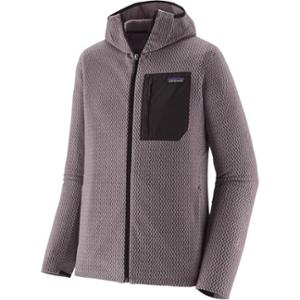
- Fabric: 5.7 oz. 100% recycled polyester jacquard fleece with hollow-core yarns
- Fleece Weight: Light
- Hood: Yes
- Weight: 13 ounces
The Patagonia R1 Air Full-Zip Hoody excels as a high-performance, technical midlayer designed specifically for high-exertion activities in chilly environments. Its unique zigzag jacquard knit structure utilizes hollow-core yarns, which efficiently trap body heat while simultaneously allowing exceptional moisture movement. This keeps you perfectly thermoregulated and dry when moving fast.
The slim-fitting hood slips comfortably under helmets, making it an excellent asset for climbing or backcountry touring. The full-length zipper provides effortless ventilation options, and the lightweight fabric packs down small when the temperature starts to climb during strenuous ascents.
Pros: Highly breathable, quick-drying, recycled materials.
Cons: Less wind resistance, higher price point.
See the Patagonia R1 Air Full-Zip Hoody See the Women’s R1 Air Full-Zip Hoody
2. REI Co-op Trailmade Snap
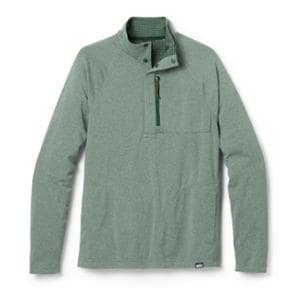
- Sweater Type: Partial-snap
- Fabric: Polyester fleece
- UPF Rating: 50+
- Back Length (in.): 28.75 inches (S-XL)
The REI Co-op Trailmade Snap brings a classic, casual silhouette into the backcountry without sacrificing essential outdoor utility. Constructed from soft polyester fleece, this top features a distinct grid-back pattern that optimizes airflow and weight. It balances cozy warmth during relaxed camp moments with reliable moisture-wicking capabilities when walking rugged forest trails.
Thoughtful additions like dedicated hand pockets and a secured zippered chest pocket offer quick storage for keys or trail snacks. The hidden snap placket provides a clean look and allows easy temperature adjustments when crisp autumn weather fluctuates throughout the day.
Pros: Excellent UPF protection, comfortable grid interior, convenient pockets.
Cons: No hood, bulkier than technical layers.
See the REI Co-op Trailmade Snap See the Women’s Trailmade Snap
3. REI Co-op Trailmade Fleece Jacket
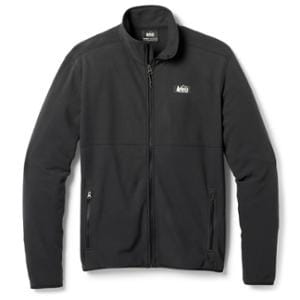
- Fabric: Recycled polyester fleece
- Fleece Weight: Medium
- Back Length (in.): 28 inches
- Weight: 12.7 ounces
The REI Co-op Trailmade Fleece Jacket serves as an incredibly versatile workhorse for active outdoor enthusiasts. Built with a medium-weight recycled polyester fleece, it strikes a wonderful balance between cozy thermal protection and everyday durability. It works seamlessly as an outer layer on cool evenings or beneath a protective hardshell during unexpected downpours.
The tailored athletic cut ensures full mobility during dynamic movements, making it a reliable companion for campfire chores or weekend hiking trips. It offers straightforward functionality without unnecessary bells and whistles, delivering reliable core warmth exactly when and where you need it.
Pros: Great value, eco-friendly construction, layerable fit.
Cons: Minimal windblocking, lacks a hood.
See the REI Co-op Trailmade Fleece Jacket See the Women’s Trailmade Fleece Jacket
4. Coalatree Baseline Midlayer
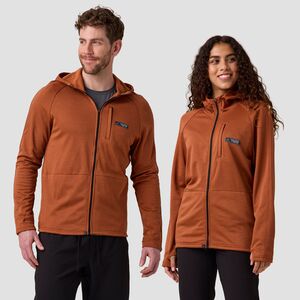
- Fleece Weight: Midweight
- Pockets: 2 hand, chest
- Hood: Yes
- Venting: Full-length front zipper
The Coalatree Baseline Midlayer successfully bridges the gap between rugged outdoor functionality and everyday city travel. This midweight fleece boasts a clever construction designed to repel water and stains, keeping you looking fresh through wilderness exploration and airport layovers alike. The full-length zipper provides direct venting options whenever the afternoon sun heats up.
Equipped with an integrated hood and standard hand pockets, it offers excellent coverage against sudden drafts. The convenient chest pocket provides quick access to smaller travel essentials, ensuring this piece stays at the top of your packing list for any destination.
Pros: Weather-resistant finish, highly versatile style, functional pockets.
Cons: Can feel heavy, relaxed fit reduces layering efficiency.
See the Coalatree Baseline Midlayer
5. Columbia Steens Mountain 2.0
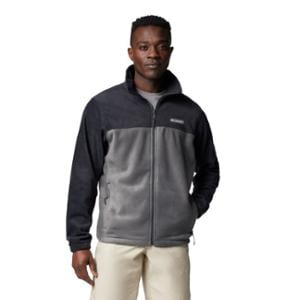
- Fabric: Polyester MRT filament fleece
- Fleece Weight: Medium
- Back Length (in.): 28 inches
- Warmth: Warm
The Columbia Steens Mountain 2.0 full-zip jacket stands out as a timeless, dependable classic in the outdoor world. Constructed from exceptionally plush filament fleece, it delivers instant warmth the moment you zip it up. The finely tuned silhouette offers a comfortable fit that stands up perfectly to regular use and rough conditions.
This midlayer lacks a hood, allowing it to layer smoothly under bulky winter jackets without adding uncomfortable mass around the collar. It remains an enduring favorite for crisp morning walks, backyard projects, and cool-weather hikes due to its straightforward, comforting design.
Pros: Durable filament fabric, very affordable, comfortable fit.
Cons: Bulky to pack, no technical ventilation.
See the Columbia Steens Mountain 2.0 See the Women’s Benton Springs
How to Choose Mid Layers for Skiing: A Simple Guide
Picking the right mid layer for skiing can feel confusing with so many options on the shelf. But it doesn’t have to be hard. Think of your mid layer as the heart of your outfit. It sits right between your base layer (the thin one against your skin) and your shell jacket (the waterproof outer layer). Its main jobs are to trap your body heat and let sweat escape. Get it right, and you will stay warm and dry all day. Get it wrong, and you will either freeze or overheat. This guide will walk you through everything you need to know to choose the perfect mid layer for your next ski trip. We will cover materials, weight, fit, and special features, all in plain, simple language.
Why the Mid Layer Matters More Than You Think
Many beginners think a thick jacket is all they need. But skiing is an active sport. You work up a sweat on fast runs, but you also sit on cold chairlifts. A good mid layer manages this change. It pulls moisture away from your base layer, so you stay dry. At the same time, it holds warm air next to your body. Without a proper mid layer, your base layer gets wet, and wet skin gets cold fast. This can lead to chills and a ruined day. In short, the mid layer is your personal climate control. It keeps you comfortable no matter what the mountain throws at you.
Key Materials for Ski Mid Layers
The material of your mid layer is the most important choice. Different fabrics do different jobs. Here is a breakdown of the most common ones.
Fleece
Fleece is the old reliable of ski mid layers. It is soft, warm, and very breathable. Fleece works by trapping air in its fuzzy fibers. It also dries quickly if it gets wet. The best part? Fleece is usually affordable and easy to wash. However, it is not very windproof on its own. You will need a good shell jacket over it. Look for grid fleece for extra breathability or thick, high-pile fleece for very cold days.
Wool (Merino)
Merino wool is a natural wonder. It keeps you warm even when it is damp. It also fights odor really well, so you can wear it multiple days without washing. Merino is soft and does not itch like old-school wool. The downside is that it costs more than fleece and may not be as tough. For skiing, merino works great as a thin or medium-weight mid layer. It is perfect for mild to cold days when you want temperature control without bulk.
Synthetic Insulation (Primaloft, Coreloft, etc.)
Synthetic materials are man-made to copy down feathers. They are lightweight, packable, and keep you warm even when wet. This makes them great for damp or snowy conditions. They also dry fast. Synthetic mid layers often come as thin, puffy jackets or vests. They are warmer than fleece for their weight, but they may not breathe as well. Choose synthetic if you ski in wet snow or expect changing weather.
Down
Down is the warmest material for its weight. It is made from duck or goose feathers and traps a ton of heat. A down mid layer is super cozy on freezing chairlifts. However, down loses its warmth when wet, and it takes a long time to dry. It is also more expensive. For skiing, down is best used on very cold, dry days. If you ski in the Rockies or other dry climates, a down vest or jacket can be a great choice.
Weight Classes: Light, Medium, and Heavy
Mid layers come in different thicknesses, often called weights. Your choice depends on the weather and how hot you run.
- Lightweight: Think of a thin fleece or a light merino sweater. This is best for spring skiing, warm days, or when you are skiing hard and don’t want to overheat. It layers easily under any jacket.
- Medium-weight: This is the most popular choice. A grid fleece or a thin synthetic puffy jacket fits here. It works for most winter days when temperatures are around 20°F to 32°F (-6°C to 0°C). It gives good warmth without being too bulky.
- Heavyweight: Thick fleece, heavy merino, or a puffy jacket with lots of insulation. Use this only for very cold days below 20°F (-6°C) or if you get cold easily. Be careful, though—too heavy can make you sweat on active runs.
Fit and Mobility
A mid layer should fit right. It should not be too tight or too loose. If it is too tight, it crushes your base layer and stops warm air from trapping. It can also restrict your movement when you reach for poles or carve turns. If it is too loose, it bunches up under your jacket, which feels awkward and lets cold air in. Look for a “athletic” or “regular” fit. Make sure you can raise your arms over your head without the mid layer riding up. Also, check that the sleeves are long enough to cover your wrists when you stretch.
Breathability vs. Wind Resistance
This is a big trade-off. Breathable fabrics let sweat escape. Wind-resistant fabrics block chilly gusts. Most mid layers focus on breathability because your shell jacket handles wind. But if you ski in open, windy areas, you might want a mid layer with a nylon face fabric or a windproof panel on the chest. Some vests offer windproof front panels and breathable backs—a great compromise. Remember, if you trap too much sweat, you will get cold later. So, prioritize breathability unless you ski in extreme wind.
Key Features to Look For
Not all mid layers are the same. Small details can make a big difference on the mountain.
| Feature | Why It Helps |
|---|---|
| Full front zipper | Lets you vent heat quickly when you get too warm on a run. |
| Thumbhole cuffs | Keep sleeves down and stop cold air from going up your arms. |
| High collar | Protects your neck from wind and snow, replacing a separate neck gaiter. |
| Zippered pockets | Safe place for a lift pass, lip balm, or small snacks. |
| Hood (helmet-compatible) | Adds extra warmth on very cold days; can be worn under or over a helmet. |
| Flat seams | Prevents chafing and rubbing under your jacket. |
Vests vs. Full Jackets
You also need to decide between a vest and a full-sleeve mid layer. Vests keep your core warm but leave your arms free. This is great if you run hot or ski hard. Vests also pack down small and are easy to carry. Full-sleeve mid layers give more overall warmth. They are better for cold days or if you want one layer to do it all. Many skiers own both: a vest for mild days and a full jacket for deep winter.
Matching Your Mid Layer to Conditions
Here is a quick cheat sheet to help you match your mid layer to the weather forecast.
- Warm / Spring (above 32°F / 0°C): Lightweight fleece or thin merino sweater. You might even skip the mid layer and just use a base layer plus shell.
- Cool / Average (20°F to 32°F / -6°C to 0°C): Medium-weight grid fleece or a thin synthetic puffy. This is your everyday winner.
- Cold (10°F to 20°F / -12°C to -6°C): Heavy fleece, thick merino, or a mid-weight synthetic jacket. Add a vest over it for extra core warmth.
- Extreme Cold (below 10°F / -12°C): Layer up! Use a thick down or synthetic puffy, plus a fleece underneath. Make sure your shell is big enough to fit both.
Budget and Value
Good mid layers range from $50 to over $300. You do not need to spend a fortune. A simple fleece from a trusted brand works great for most skiers. Save your money for other gear. If you ski often, invest in a good synthetic or down piece. They last longer and perform better. Also, watch for sales at the end of the season. You can find top-quality mid layers for half the price. Remember, the most expensive item is not always the best for you. Focus on fit, material, and features that match your needs.
Final Tips for Trying On
When you shop, wear your base layer. Put on the mid layer, then your shell jacket. Move around. Bend, twist, and pretend to ski. Raise your arms. Sit down to mimic a chairlift. You should feel snug but not squeezed. There should be no pulling across the shoulders. The mid layer should not bunch up around your waist. If you can do all this comfortably, you have found a winner. Also, check that the zippers slide easily with gloves on—a small but helpful detail.
Conclusion
Choosing a mid layer for skiing comes down to three things: material, weight, and fit. Start with the weather you ski in most often. Pick a fabric that handles moisture well—fleece, merino, or synthetic insulation. Choose a weight that matches the temperature. Make sure it fits comfortably under your jacket. And do not forget small features like zippers and thumbholes. With this guide, you are ready to pick a mid layer that keeps you warm, dry, and happy on every run. Happy skiing!