Best Leather Ski Gloves of 2026
When the temperature drops and the wind whips across the slopes, your hands are the first to feel the bite. That’s why a great pair of ski gloves is a must-have. For ultimate warmth and protection, leather is the top choice. It’s tough, blocks the wind, and molds to your hands for a perfect fit. This article will help you find the best leather ski gloves to keep you comfortable and in control all winter long.
1. Hestra Fall Line
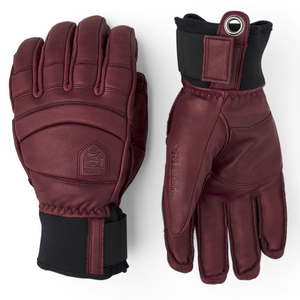
Material: Impregnated Cow Hide (waterproofed, wear-resistant)
Insulation: Foam insulation
Lining: Removable Bemberg/Polyester with G-Loft
Cuff Style: Under the Cuff with Velcro closure and neoprene cuff
The Hestra Fall Line is a premium choice for skiers who demand exceptional warmth and dexterity. The impregnated cow hide shell offers outstanding durability and moisture resistance, while the foam insulation locks in heat effectively. The removable lining adds versatility, letting you adjust warmth based on conditions. Outseams on the fingers reduce bulk and chafing, making these gloves ideal for long days on the slopes.
Beyond warmth, the Fall Line excels in fit and function. The neoprene cuff and Velcro closure ensure a snug, secure fit that seals out snow. The included carabiner and handcuffs (wrist leashes) provide convenience and safety, especially on chairlifts. Whether you are carving groomers or exploring off-piste, these gloves offer a balance of comfort, protection, and style that is hard to beat.
Pros: Removable liner adds versatility; outseams increase comfort; excellent warmth-to-dexterity ratio.
Cons: Premium price point; may feel bulky for spring skiing; limited color options.
2. Black Diamond Guide

Material: Goat leather palm with 4-way stretch nylon shell
Insulation: 170g PrimaLoft Gold (back) / 133g PrimaLoft Gold Eco (palm)
Membrane: GORE-TEX with Plus Warm technology
Cuff Style: High gauntlet with drawcord closure
The Black Diamond Guide is built for extreme conditions, making it a top choice for guides and serious mountaineers. The premium goat leather palm provides exceptional grip and durability, while the GORE-TEX insert ensures complete waterproofing and breathability. The combination of PrimaLoft Gold insulation and a wool lining delivers reliable warmth even when damp, so your hands stay comfortable in freezing, wet environments.
This glove is designed for technical performance. The removable liner offers flexibility for varying temperatures, and the padded knuckle patch adds impact protection when handling gear. The gauntlet cuff with drawcord seals out snow, while the articulated design maintains natural dexterity for gripping poles, ropes, and tools. If you need a glove that can handle the harshest alpine conditions, the Black Diamond Guide is a dependable workhorse.
Pros: GORE-TEX waterproofing is top-tier; excellent warmth for extreme cold; removable liner adds versatility.
Cons: Bulky for milder days; high price; may require break-in period.
3. Kinco Premium Ski Gloves

Material: Golden premium pigskin (suede back, full grain palm)
Insulation: HeatKeep thermal lining
Features: Reinforced finger patches, Omni-Cuff design, Draylon thread stitching
Cuff Style: Omni-Cuff (wear inside or outside)
The Kinco Premium Ski Gloves are a budget-friendly favorite that does not skimp on durability. Made from golden pigskin leather, these gloves are naturally tough and remain soft even after getting wet. The HeatKeep thermal lining provides reliable warmth for most resort days, and the reinforced patches on high-wear areas extend the glove’s lifespan. The Omni-Cuff design is a clever feature that lets you adjust temperature by wearing the cuff inside or outside your jacket.
These gloves are built for hard work and heavy abuse. The extra-strength Draylon thread ensures seams hold up under extended wear, making them a great value for skiers who need a rugged, no-fuss glove. They come with Nikwax waterproof wax, which is easy to apply and boosts water resistance. While they lack high-end insulation or a waterproof membrane, their affordability and toughness make them a solid choice for recreational skiers.
Pros: Very affordable; extremely durable pigskin construction; Omni-Cuff offers temperature control.
Cons: No waterproof membrane; limited dexterity on small sizes; requires regular waxing for best performance.
See the Kinco Premium Ski Gloves
4. Flylow Ridge
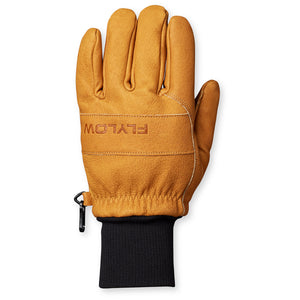
Material: Pigskin leather with PFAS-free DWR finish
Insulation: 100% Recycled Greenloft (180g back / 100g palm)
Lining: Polyester lining
Cuff Style: Nylon cuff
The Flylow Ridge gloves offer a sustainable twist on traditional leather ski gloves. The pigskin shell is durable and breathable, and the PFAS-free DWR finish provides eco-friendly water repellency. The recycled Greenloft insulation is generous on the back of the hand (180g) while keeping the palm thinner (100g) for better grip and dexterity. This balanced design keeps hands warm without sacrificing pole control.
These gloves are a great middle-ground option for skiers who want quality without breaking the bank. The nylon cuff is simple yet effective at sealing out snow, and the polyester lining adds comfort and moisture management. While they lack a waterproof membrane, the pigskin’s natural water resistance combined with the DWR finish handles light snow and wet conditions well. For eco-conscious skiers, the Flylow Ridge is a thoughtful and capable choice.
Pros: Eco-friendly recycled insulation; good balance of warmth and dexterity.
Cons: No waterproof membrane; less insulation in palm; limited advanced features.
5. Hestra Wakayama
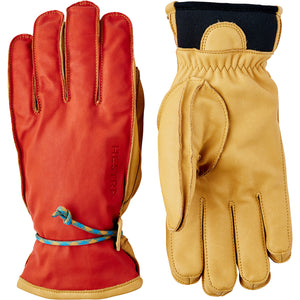
Material: Impregnated Cow Hide (waterproofed, wear-resistant)
Insulation: Wool lining
Lining: Removable Wool Terry Lining
Cuff Style: Under the Cuff with paracord wrist adjustment
The Hestra Wakayama gloves are a refined choice for skiers who appreciate natural materials and classic design. The impregnated cow hide shell offers excellent durability and moisture resistance, while the removable wool terry lining provides exceptional warmth without synthetic bulk. The wool lining is breathable and retains heat even when damp, making these gloves a great companion for cold, dry days on the mountain.
Comfort and adjustability are at the forefront of the Wakayama. The elastic at the wrist and the paracord adjustment allow you to fine-tune the fit for a secure feel. The under-the-cuff style keeps the glove streamlined, working well with both resort and backcountry jackets. While not as heavily insulated as some models, the wool lining’s natural warmth and the glove’s overall craftsmanship make the Hestra Wakayama a standout for skiers who value quality and simplicity.
Pros: Removable wool lining for versatile warmth; natural wool insulation is breathable.
Cons: Less insulation than synthetic-heavy gloves; not ideal for extreme wet conditions; higher price point.
6. Dakine Excursion Gore-Tex
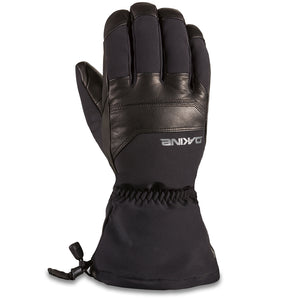
Material: Goat leather with DWR / 4-way stretch soft shell
Insulation: PrimaLoft Gold 170g (55% recycled content)
Membrane: GORE-TEX Active waterproof/breathable
Lining: 360g wool blend (64% wool)
The Dakine Excursion Gore-Tex gloves are built for high-aerobic, fast-paced skiing. The combination of goat leather and 4-way stretch soft shell offers both durability and freedom of movement. The GORE-TEX Active membrane provides top-tier waterproofing and exceptional breathability, making these gloves ideal for spring touring or intense resort days. The 170g PrimaLoft Gold insulation delivers reliable warmth without excess bulk.
Attention to detail sets these gloves apart. The 360g wool blend lining wicks moisture and keeps hands comfortable, while the one-hand cinch gauntlet cuff seals out snow quickly and easily. The blend of leather and soft shell materials gives a modern, performance-oriented feel. If you need a glove that can handle high-output activities in variable weather, the Dakine Excursion is a versatile and reliable option.
Pros: GORE-TEX Active for excellent breathability; wool blend lining for moisture management.
Cons: Pricier than many competitors; less insulation than extreme-cold gloves; may be too breathable for very cold days.
See the Dakine Excursion Gore-Tex
7. Hestra Ergo Grip CZone Vernum
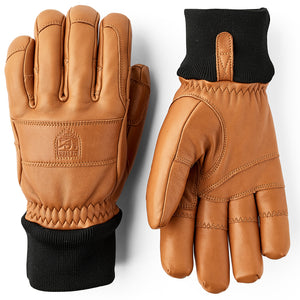
Material: Impregnated Cow Hide
Insulation: Foam insulation
Membrane: CZone waterproof/breathable
Cuff Style: Under the Cuff with rib knit cuff and handcuffs (wrist leashes)
The Hestra Ergo Grip CZone Vernum focuses on anatomical fit and superior dexterity. The Ergo Grip design minimizes excess material in the palm and places seams according to the hand’s natural ergonomics, resulting in a glove that feels like a second skin. The impregnated cow hide shell offers reliable water resistance, while the CZone membrane adds breathable waterproof protection. The foam insulation keeps hands warm without compromising flexibility.
This glove is perfect for skiers who prioritize precise pole control and tactile feedback. The rib knit cuff provides a comfortable, secure fit under your jacket, and the included wrist leashes add peace of mind on chairlifts. The brushed polyester lining adds softness and warmth without bulk. For those who need a glove that feels like a natural extension of their hand, the Hestra Ergo Grip CZone Vernum is an outstanding choice.
Pros: Ergo Grip design for exceptional dexterity; CZone membrane is waterproof yet breathable.
Cons: Premium price; less insulation than bulkier gloves; may not be warm enough for extreme cold.
See the Hestra Ergo Grip CZone Vernum
How to Choose Leather Ski Gloves: A Complete Buyer’s Guide
Finding the right pair of leather ski gloves can feel like a challenge. With so many brands, materials, and features to consider, it is easy to get confused. But choosing the right gloves is one of the most important decisions you will make for your comfort and safety on the mountain. Cold, wet hands can ruin a perfect ski day, while the right gloves keep you warm, dry, and in control of your poles.
This guide will walk you through everything you need to know to pick the best leather ski gloves for your needs. We will cover leather types, insulation, linings, fit, waterproofing, and special features. By the end, you will feel confident to make a smart purchase that will last for many seasons.
Why Choose Leather Ski Gloves?
Leather has been a favorite material for ski gloves for decades. It offers a unique mix of durability, comfort, and protection that synthetic materials often struggle to match. Here are the main reasons skiers prefer leather:
- Durability: Leather is naturally tough and resists abrasion from ski poles, ice, and falls. A good leather glove can last for years with proper care.
- Breathability: Unlike many synthetics, leather allows moisture from sweat to escape. This keeps your hands from getting clammy inside the glove.
- Wind Resistance: Leather is a natural windbreaker. It blocks cold gusts effectively, keeping your hands warmer in harsh conditions.
- Moldable Fit: Over time, leather conforms to the shape of your hands. This gives you a custom, comfortable fit that improves grip and dexterity.
- Classic Style: Leather gloves look great and perform well. They are a timeless choice for both resort skiing and backcountry adventures.
Key Factors to Consider When Choosing Leather Ski Gloves
To find your perfect pair, you need to look beyond the label. Focus on these critical factors to ensure you get the best glove for your ski style and the typical weather you face.
1. Type of Leather
Not all leather is the same. The type used greatly affects the glove’s feel, weight, and water resistance. Here are the most common types used in ski gloves:
| Leather Type | Key Features | Best For |
|---|---|---|
| Goatskin | Very durable, abrasion-resistant, naturally water-resistant, flexible. | All-around skiing, backcountry, and rugged use. |
| Cowhide | Thick, extremely tough, good insulation, stiffer feel. | Cold weather resort skiing, snowboarding, and utility work. |
| Deerskin | Soft, supple, very warm, excellent breathability, less durable. | Cold, dry conditions; skiers who prioritize comfort over toughness. |
| Pigskin | Breathable, textured grip, moderate durability, affordable. | Budget-friendly options and spring skiing. |
For most skiers, goatskin offers the best balance of durability, flexibility, and water resistance. If you ski in extremely cold and icy areas, cowhide might be a better choice for its extra thickness.
2. Insulation Material and Weight
Insulation is what traps your body heat and keeps your fingers warm. The amount and type of insulation determine how warm the glove will be. You need to match the insulation to the typical temperatures you ski in.
Common insulation types include:
- Down: Very warm and lightweight but loses insulating power when wet. Best for very cold, dry climates.
- Synthetic (PrimaLoft, Thinsulate, 3M): Retains warmth even when damp, dries quickly, and is less expensive. Ideal for most skiers in variable conditions.
- Wool/Fleece Linings: Often used as a inner layer for comfort and moisture wicking. They add warmth without bulk.
Consider the insulation weight:
- Lightweight (40-100g): Good for spring skiing or high-exertion activities where you generate a lot of body heat.
- Midweight (100-200g): The most common choice. Suitable for most resort days with temperatures from 0°C to -10°C (32°F to 14°F).
- Heavyweight (200g+): Designed for extreme cold, below -10°C (14°F). These gloves are bulkier but necessary for frigid mornings and high altitudes.
3. Waterproofing and Breathability
Leather is naturally water-resistant, but it is not fully waterproof on its own. Ski gloves need a waterproof barrier to keep snow and moisture out while letting sweat escape. Look for these features:
- Waterproof Inserts: Most high-quality leather ski gloves include a waterproof breathable membrane like Gore-Tex or Hipora. This insert is placed inside the leather shell to block water while allowing vapor to pass through.
- DWR Coating: A durable water repellent (DWR) coating is applied to the outside of the leather. This makes water bead up and roll off instead of soaking in. You will need to reapply this coating periodically.
- Seam Sealing: Check if the seams are taped or sealed. This prevents water from leaking in through the stitching holes.
Remember: breathability is just as important as waterproofing. If moisture from sweat cannot escape, your hands will get wet from the inside, making them cold.
4. Fit and Sizing
A good fit is crucial for both warmth and control. Gloves that are too tight restrict blood flow (making hands colder) and limit dexterity. Gloves that are too loose create air pockets and make gripping poles difficult.
Follow these tips for the perfect fit:
- Measure your hand circumference around the knuckles (excluding your thumb). Use a sizing chart from the brand.
- When trying on gloves, your fingertips should lightly touch the end of the glove without pressing hard.
- You should be able to make a fist comfortably without feeling excessive tightness across the back of your hand.
- If you wear a liner glove underneath, try the glove on with the liner to ensure a proper fit.
- Leather will stretch and mold slightly over time, so a snug but not tight fit is ideal.
5. Closure Systems and Cuffs
How a glove closes around your wrist and jacket sleeve affects warmth and snow protection. Look for these closure features:
- Gauntlet (Over-the-Cuff) Cuffs: These long cuffs go over your jacket sleeve. They provide excellent snow protection and seal in warmth. They usually have a drawstring or strap to tighten.
- Under-the-Cuff Cuffs: Shorter cuffs that fit under your jacket sleeve. They are less bulky and offer better mobility, popular for backcountry skiing.
- Wrist Leashes: A simple strap that goes around your wrist. This prevents you from dropping a glove when taking it off on a chairlift.
- Hook-and-Loop (Velcro) Closures: Allow you to adjust the tightness around your wrist for a custom fit.
Choose the cuff style based on where and how you ski. Resort skiers often prefer gauntlets for deep snow protection. Backcountry skiers usually opt for under-the-cuff for a more streamlined feel.
6. Special Features
Modern leather ski gloves come with extra features that can make a big difference in your comfort and convenience. Consider these additions:
- Touchscreen Compatibility: Some gloves have conductive material on the fingertips so you can use your phone or GPS without removing your gloves.
- Reinforced Palms and Fingertips: Extra leather or synthetic patches in high-wear areas increase durability, especially where you grip poles.
- Nose Wipes: A soft fabric patch on the back of the thumb for wiping your nose on cold days.
- Removable Liners: Gloves with zip-out liners are easier to dry and clean. They also give you the option to wear the glove with or without the liner in different temperatures.
- Venting Zippers: Some gloves have small zippers on the back to let out excess heat on warmer days or during high activity.
Matching Gloves to Your Skiing Style
Your choice should also depend on how and where you ski. Here is a quick breakdown:
| Ski Style | Recommended Features | Leather Type |
|---|---|---|
| Resort / Lift-Served Skiing | Heavy insulation (200g+), gauntlet cuffs, waterproof membrane, reinforced palm. | Cowhide or Goatskin |
| Backcountry / Touring | Mid insulation (100-150g), under-the-cuff, breathable, good dexterity, venting. | Goatskin or Deerskin |
| Spring / Warm Weather | Light insulation (<100g), breathable, soft feel, touchscreen compatible. | Pigskin or thin Goatskin |
| Extreme Cold / Alaska | Maximum insulation (300g+), gauntlet, removable liner, thick cowhide. | Cowhide |
Care and Maintenance Tips for Leather Ski Gloves
Buying good gloves is only half the battle. To make them last, you need to take care of them. Proper maintenance keeps the leather soft, waterproof, and durable.
- Dry Them Properly: After each ski day, stuff your gloves with newspaper or use a boot dryer on low heat. Never place them near a direct heat source like a radiator or fire, as this can crack the leather.
- Clean Regularly: Use a damp cloth to wipe off dirt and salt. For deeper cleaning, use a leather-specific cleaner and follow the instructions.
- Condition the Leather: Apply a leather conditioner or balm every few weeks during the ski season. This keeps the leather supple and prevents it from drying out and cracking.
- Reapply DWR: Over time, the water-repellent coating wears off. Use a spray-on DWR treatment designed for leather to restore water beading.
- Store in a Cool, Dry Place: During the off-season, store your gloves in a breathable bag in a cool, dry area. Avoid compressing them to maintain the insulation’s loft.
Common Mistakes to Avoid
Many skiers make these errors when buying leather gloves. Avoid them to save money and frustration.
- Buying for the “Cool” Factor: Looks matter, but warmth and fit are far more important. Do not sacrifice function for fashion.
- Ignoring Weather Conditions: Buying heavy gloves for warm spring days will leave you sweating. Buying thin gloves for freezing temperatures will leave you miserable.
- Forgetting to Test with Liners: If you plan to wear liner gloves, always try on the main glove with the liner. Sizing changes significantly.
- Neglecting Maintenance: Leather requires care. Skipping conditioning and DWR reapplication will shorten the life of your gloves dramatically.
- Choosing Price Over Quality: A cheap leather glove may save money now, but it will wear out quickly. Invest in a quality pair that will last for years.
Final Checklist Before You Buy
Before you click “buy” or head to the store, run through this quick checklist to make sure you have covered everything.
- Have I measured my hand and checked the brand’s size chart?
- Is the leather type suitable for my typical skiing conditions?
- Does the insulation weight match the temperatures I ski in?
- Does the glove have a waterproof insert (like Gore-Tex)?
- Does the cuff style (gauntlet or under-cuff) work with my jacket?
- Are there any extra features I need (touchscreen, nose wipe, venting)?
- Do I have a leather conditioner and DWR spray at home for care?
Choosing the best leather ski gloves is about balancing your needs with the glove’s features. Take your time, try on different pairs if possible, and think about the conditions you face most often. A well-chosen pair of leather ski gloves will not only keep your hands warm and dry but also become a trusted companion on every mountain adventure for years to come. Happy skiing!