
Best Downhill Ski Gloves of 2026
When the wind whips across your face and the snow stings your skin, your hands are the first to feel the cold. That’s why a good pair of downhill ski gloves is not just an accessory; it is essential gear. The right gloves keep your fingers warm, dry, and protected, allowing you to grip your poles confidently and enjoy every run. This article reviews the best options on the market to help you find the perfect pair for your next adventure.
1. REI Co-op Powderbound

- Fabric: Bluesign approved nylon plain weave
- Waterproofing: 2-layer HydroWall insert
- Insulation: Lofted polyester synthetic insulation
- Palm Material: Synthetic leather
The REI Co-op Powderbound Gloves offer exceptional protection and warmth for continuous slope laps. Built with a two-layer HydroWall waterproof insert and polyester fleece lining, they reliably block moisture while trapping body heat.
Their slim cuff design fits seamlessly under jacket sleeves without bulk. Featuring synthetic leather palms for durable grip and an integrated goggles wipe, these gloves deliver functional, reliable performance for winter sports enthusiasts.
Pros:
- Slim cuff fits easily under jacket sleeves
- Eco-friendly bluesign approved fabric
Cons:
- Non-removable liner limits drying speed
- Synthetic leather palm lacks real leather feel
See the REI Co-op Powderbound See the Women’s Powderbound
2. Carhartt Knit Cuff Gloves
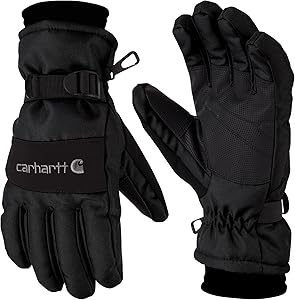
- Shell Fabric: 100% Polyester and softshell
- Waterproofing: Waterproof insert with FastDry lining
- Insulation: 100% Polyester synthetic insulation
- Palm Material: 100% Polyurethane digital-grip
Designed for demanding work conditions, Carhartt Knit Cuff Gloves combine rugged durability with modern weather defense. The polyester softshell and digital-grip polyurethane palm ensure high tactile control while handling cold tools and outdoor materials.
Inside, a dedicated waterproof insert stops rain and snow, whereas the FastDry lining actively wicks away interior sweat. An adjustable wrist strap and fleece cuff keep cold draft and stray snow out completely during long shifts.
Pros:
- Digital-grip palm offers excellent tool control
- FastDry technology lining wicks sweat effectively
Cons:
- Bulkier profile limits fine motor dexterity
- Synthetic materials can feel stiff initially
See the Carhartt Knit Cuff Gloves
3. Hestra Fall Line
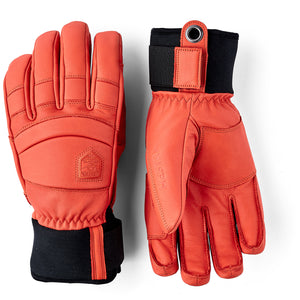
- Shell Material: Impregnated cowhide leather
- Insulation: Foam and G-Loft insulation
- Lining: Removable Bemberg polyester lining
- Cuff Type: Neoprene cuff with Velcro closure
The Hestra Fall Line Gloves deliver premium comfort for freeriders and alpine skiers demanding top-tier durability. Crafted from impregnated cowhide leather, the outer shell naturally resists moisture, heavy abrasion, and cold mountain winds over time.
Outseam finger construction improves interior comfort, eliminating pressure points. Equipped with removable G-Loft insulated liners, sturdy wrist handcuffs, and a sleek neoprene cuff, these gloves excel in keeping hands dexterous and protected everywhere on the mountain.
Pros:
- External finger seams maximize comfort and dexterity
- Durable cowhide leather improves with age
Cons:
- Requires regular leather conditioning treatments
- Higher price point than synthetic alternatives
See the Hestra Fall Line See the Women’s Fall Line
4. BLACK DIAMOND Guide

- Shell Material: Woven nylon stretch and goat leather
- Waterproofing: GORE-TEX insert with Plus Warm
- Insulation: PrimaLoft Gold and wool lining
- Palm Material: Reinforced goat leather palm
Engineered for extreme alpine environments, the Black Diamond Guide Gloves are the warmest ski gloves in their specialized lineup. They blend tough goat leather with 4-way stretch nylon and protective knuckle padding for ultimate defense.
A GORE-TEX insert provides complete waterproof protection, while heavy PrimaLoft Gold insulation coupled with a wool lining ensures maximum thermal defense in sub-zero climates. Removable liners and gauntlet drawcords seal out harsh mountain weather effortlessly.
Pros:
- Exceptional warmth for freezing alpine conditions
- Rugged goat leather withstands severe wear
Cons:
- Very bulky for mild winter weather
- Requires break-in time for maximum flexibility
5. REI Co-op Switchback GTX

- Shell Fabric: Polyester, spandex, and nylon
- Waterproofing: PFAS-free GORE-TEX insert
- Insulation: Synthetic polyester fibers
- Liner: Removable polyester and elastane fleece
Ideal for backcountry exploration, the REI Co-op Switchback GTX Gloves blend dexterity with robust weatherproof protection. Using a PFAS-free GORE-TEX insert, they keep hands completely dry while allowing internal moisture vapor to escape during exertion.
The included removable fleece liners offer versatile warmth management depending on extreme temperature drops. Touch-screen compatibility on the fingers and a soft goggles wipe make adjusting phone settings or clearing lenses simple without exposing skin.
Pros:
- Touch-screen compatible fingers for convenience
- PFAS-free GORE-TEX waterproofing technology
Cons:
- Gauntlet cuff can feel overly long for some
- Synthetic palm may wear faster than real leather
See the REI Co-op Switchback GTX See the Women’s Switchback GTX
6. Burton GORE-TEX
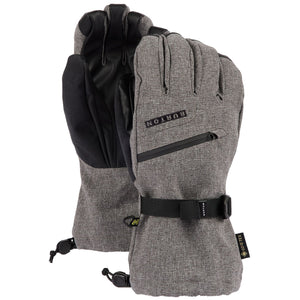
- Shell Material: DRYRIDE 2-layer fabric
- Waterproofing: GORE-TEX membrane with Gore Warm
- Insulation: ThermacoreEco synthetic insulation
- Palm Material: Screen Grab Toughgrip PU leather
Burton GORE-TEX Gloves feature a weather-defying design packed with rider-focused technology. Wrapped in 2-layer DRYRIDE fabric and backed by a windproof GORE-TEX membrane, they keep hands comfortably dry through wet snowfall and biting winds.
ThermacoreEco insulation generates high thermal output without restricting dexterity. A four-way stretch removable Screen Grab liner provides complete touchscreen control, while a hidden heater pocket allows for extra warmth packs on frigid days.
Pros:
- Screen Grab palm allows full touchscreen operation
- Hidden vent and heater pocket adds versatility
Cons:
- Removable liner can bundle up inside shell
- Sizing tends to run slightly narrow
See the Burton GORE-TEX See the Women’s Burton GORE-TEX
7. Black Diamond Impulse
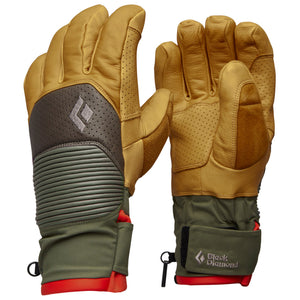
- Shell Material: 100% Goatskin leather
- Waterproofing: GORE-TEX insert with Gore Warm
- Insulation: PrimaLoft Gold Cross Core and Eco
- Features: EVA padding on knuckles and back
Constructed entirely from premium goatskin leather, the Black Diamond Impulse Gloves are high-performance freeride gloves designed for aggressive winter use. The combination of GORE-TEX with Gore Warm technology provides long-lasting insulation against severe freezing weather.
Strategic EVA padding across the knuckles and back of the hand guards against impacts, while PrimaLoft Gold Cross Core insulation keeps weight down. A wide wrist leash keeps these durable leather gloves anchored safely all day long.
Pros:
- EVA knuckle padding protects against impact
- Full goatskin construction offers premium durability
Cons:
- Fixed lining slows down drying times when wet
- Rated for specific cold ranges (-5 to 25°F)
See the Black Diamond Impulse See the Women’s Impulse
8. Hestra Army Leather Heli
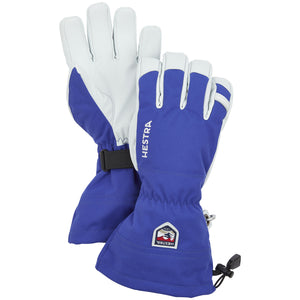
- Shell Material: Hestra Triton 3-layer polyamide
- Palm Material: Waterproofed Army Goat Leather
- Insulation: Synthetic fiberfill insulation
- Lining: Removable Bemberg polyester lining
The iconic Hestra Army Leather Heli Gloves are crafted for serious backcountry skiers and mountain guides needing maximum storm protection. Featuring a 3-layer polyamide backhand and treated Army Goat Leather palm, they withstand punishing physical abuse effortlessly.
An extended cuff with a snow lock closure prevents deep powder entry during off-piste descents. The removable synthetic Bemberg lining allows quick drying overnight, while supplied handcuffs ensure you won’t drop them from chairlifts.
Pros:
- Military-grade goat leather palm offers legendary life
- Snow lock gauntlet keeps deep powder out
Cons:
- Leather requires regular balm maintenance
- Long gauntlet styling is bulky under sleeves
See the Hestra Army Leather Heli See the Women’s Hestra Heli
9. Black Diamond Glissade
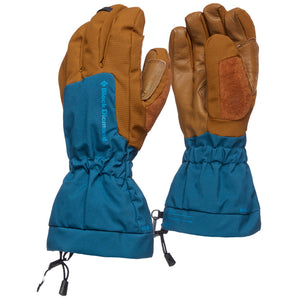
- Shell Material: Pertex Shield stretch fabric
- Waterproofing: 100% Waterproof BD.dry insert
- Insulation: 100g Thinsulate insulation
- Palm Material: Goat leather with Kevlar stitching
Built as a versatile four-season mountain glove, the Black Diamond Glissade delivers lightweight, durable protection. Utilizing a 4-way stretch Pertex Shield shell and a proprietary BD.dry waterproof insert, it handles shifting mountain weather while preserving hand mobility.
A tough goat leather palm reinforced with Kevlar stitching resists sharp ski edges and rope friction. Packed with 100g Thinsulate insulation and fixed fleece lining, it balances thermal control and tactile feeling for active cold-weather ascents.
Pros:
- Kevlar-stitched palm prevents seam tears
- Pertex stretch shell provides great hand movement
Cons:
- Thinner insulation not meant for extreme freezes
- Fixed lining prevents shell-only use
See the Black Diamond Glissade
10. 686 Primer
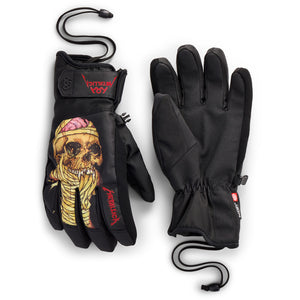
- Shell Material: 2-Layer infiDRY 10K Oxford fabric
- Waterproofing: infiDRY waterproof/breathable insert
- Insulation: infiLOFT 100g with 3mm foam palm
- Palm Material: Everwear Grip Stone PU palm
Designed in collaboration with ergonomic experts, the 686 Primer Gloves utilize pre-curved Movement Fit articulation to mimic natural hand relaxation. Wrapped in a 10K infiDRY oxford shell, these gloves reliably block out wet snow and cold winds.
The Everwear Grip Stone PU palm offers strong tool control, backed by 3mm comfort foam to dampen vibration. Integrated Soundtouch technology enables quick phone use on the slopes without pulling off your gloves in freezing weather.
Pros:
- Ergonomic Movement Fit shape reduces hand fatigue
- Soundtouch technology offers easy touchscreen access
Cons:
- 10K waterproofing limit may soak in heavy rain
- Foam palm dampens tactile feel for tiny objects
How to Choose Downhill Ski Gloves: A Complete Buyer’s Guide
Finding the perfect pair of downhill ski gloves can feel overwhelming. Walk into any ski shop, and you are faced with shelves full of different materials, shapes, and price tags. But here is the good news: choosing the right gloves does not have to be complicated. Once you understand a few key factors, you can pick a pair that keeps your hands warm, dry, and comfortable all day long. This guide breaks down everything you need to know, from insulation to fit, so you can make a smart choice before your next trip to the mountains.
Why Your Ski Gloves Matter More Than You Think
Your hands are the first part of your body to feel the cold. When your fingers get numb, you lose grip strength, your pole control suffers, and skiing stops being fun. Worse, cold hands can lead to frostbite in extreme conditions. Beyond warmth, ski gloves protect your hands from sharp ice, tree branches, and falls. They also help you grip your poles securely, which gives you confidence on steep runs. Simply put, good gloves are not a luxury; they are a safety and performance essential.
Understanding Insulation: What Keeps Your Hands Warm
Insulation is the material that traps heat inside your glove. Different gloves use different types, and each has its pros and cons. Here is what you need to know.
Synthetic Insulation (PrimaLoft, Thinsulate, 3M)
Synthetic fills are the most common choice for downhill skiing. They are made from polyester fibers that mimic down but perform better when wet. Even if your gloves get damp from sweat or snow, synthetic insulation still provides warmth. It also dries quickly, which is a big plus for multi-day trips. Brands like PrimaLoft and Thinsulate are trusted names in the industry. They offer excellent warmth without adding too much bulk.
Down Insulation
Down is natural goose or duck feathers. It is incredibly light and offers the best warmth-to-weight ratio of any material. However, down has a major weakness: it loses almost all its insulating power when wet. Since ski gloves often come into contact with snow and moisture, down is rarely the best choice for downhill skiing. Some high-end gloves use a water-resistant down treatment, but synthetic is still the safer bet for most skiers.
Fleece or Wool Liners
Many gloves have a thin fleece or wool lining inside for extra comfort. While this does not provide the main insulation, it adds a soft feel against your skin and helps wick away sweat. Merino wool liners are particularly good because they regulate temperature and resist odors.
Shell Materials: Waterproofing and Durability
The outer shell is your glove’s first line of defense against snow, wind, and wear. The shell material determines how waterproof, breathable, and tough your gloves will be.
Leather Shells
Leather is a classic choice for ski gloves. It is naturally durable, windproof, and molds to your hand over time for a custom fit. Full-grain leather is the most durable, while goatskin offers a good balance of toughness and flexibility. The downside is that leather needs regular care. You must treat it with waterproofing wax or balm to keep it from soaking up moisture. If you take care of leather gloves, they can last for many seasons.
Synthetic Shells (Nylon, Polyester)
Synthetic shells are lightweight, dry fast, and are often more affordable than leather. Many come with a waterproof-breathable membrane like Gore-Tex or Hipora built right in. This means they block water from outside while letting sweat escape from inside. Synthetic materials are also easier to clean and require less maintenance. However, they may not last as long as high-quality leather, especially if you ski in rocky or icy areas.
Hybrid Shells
Some gloves combine leather on high-wear areas (like the palm and fingers) with synthetic fabric on the back of the hand. This gives you the durability of leather where you need it most and the breathability of synthetic elsewhere. This is often the best compromise for resort skiers.
Waterproof vs. Water-Resistant: Know the Difference
Do not confuse these two terms. Water-resistant gloves can handle light snow for a short time, but they will soak through in wet conditions or if you fall in slush. Water-proof gloves have a membrane or coating that keeps water out completely. For downhill skiing, always choose waterproof gloves. Look for gloves with a Gore-Tex, OutDry, or similar membrane. These are tested to keep your hands dry even when you are gripping wet poles or making snowballs.
Fit and Dexterity: Finding Your Perfect Size
A glove that fits well makes all the difference. Too tight, and your fingers will get cold because circulation is restricted. Too loose, and you will struggle to grip your poles or adjust your bindings.
How to Measure Your Hand
Use a fabric tape measure to measure the circumference of your dominant hand just below the knuckles (excluding your thumb). Then, compare that number to the brand’s size chart. Keep in mind that sizes vary between brands, so always check their specific guide.
The “Fist” Test
When trying on gloves, make a fist. Your fingertips should just barely touch the end of the glove without curling uncomfortably. You should also be able to move your fingers freely. If the glove feels stiff or tight when you make a fist, go up a size.
Dexterity Matters
Downhill skiing does not require the fine dexterity that backcountry touring does, but you still need to operate zippers, buckles, and maybe even your phone. Gloves with pre-curved fingers reduce fatigue and make gripping poles feel natural. Some gloves offer removable liners that let you go hands-free for quick tasks without taking the whole glove off.
Cuff Styles: Over-the-Cuff vs. Under-the-Cuff
The cuff is the part that covers your wrist and forearm. There are two main styles.
- Over-the-cuff (gauntlet): These have a wide, flared cuff that goes over your jacket sleeve. They provide excellent snow protection and are great for deep powder days. They also seal out wind better.
- Under-the-cuff: These have a slim, tight cuff that tucks under your jacket sleeve. They are lighter, less bulky, and give you more wrist mobility. They work well for skiers who prefer a minimalist feel or who use pole straps with large buckles.
Choose over-the-cuff if you ski in wet, snowy conditions often. Choose under-the-cuff if you prefer a sleek fit and ski mostly on groomed runs.
Features to Look For (and Avoid)
Modern ski gloves come with all kinds of extras. Some are genuinely useful; others are just gimmicks. Here is what to look for.
| Feature | Why It Helps |
|---|---|
| Removable liners | Easy to dry overnight; can wear thin liners alone on warm days. |
| Nose wipe patch | A soft, absorbent patch on the thumb for wiping your nose (very handy on cold days). |
| Wrist leashes | Prevents gloves from falling off when you take them off on the chairlift. |
| Touchscreen compatibility | Allows you to use your phone without removing gloves (check if it works with your device). |
| Reinforced palms | Extra leather or rubber in high-wear areas for longer durability. |
Avoid gloves with too many bulky seams or stiff materials that restrict movement. Also, be wary of gloves that claim to be “100% waterproof” without a reputable membrane brand—cheap coatings often wear off quickly.
Temperature Ratings and Activity Level
Most gloves come with a temperature rating, but take these with a grain of salt. They are based on average conditions and vary by brand. A glove rated for -10°C (14°F) might feel fine for a fast skier who runs hot, but cold for someone who skis slowly or takes frequent breaks. Consider your own body heat. If you tend to get cold easily, choose a heavily insulated glove or a mitt (which keeps fingers together for shared warmth). If you run warm, a medium-weight glove with good breathability will serve you better.
Gloves vs. Mittens: Which Is Better for Downhill?
This is a classic debate. Gloves give you more dexterity for gripping poles, adjusting gear, and using zippers. Mittens keep your fingers together, which generates more warmth because your digits share body heat. For most resort skiers, gloves are the better choice because dexterity is more important than extreme warmth. However, if you ski in very cold climates (below -15°C / 5°F) or have poor circulation, mittens are worth considering. Some brands also offer three-finger gloves (lobster claws) that split the difference.
Budget Considerations: How Much Should You Spend?
Ski glove prices range from $30 to over $300. Here is a rough breakdown.
- Budget ($30–$70): Basic synthetic gloves with decent warmth but less durable shells. Good for beginner skiers or occasional use.
- Mid-range ($70–$150): Quality gloves with reliable synthetic insulation, waterproof membranes, and leather or hybrid shells. This is the sweet spot for most recreational skiers.
- Premium ($150+): Top-tier gloves with premium leather, advanced insulation, and lifetime warranties. Ideal for frequent skiers or those who demand the best.
Remember: expensive does not always mean better for your needs. A mid-range glove with the right fit and insulation will outperform a premium glove that fits poorly.
Maintenance Tips to Make Your Gloves Last
Even the best gloves need care. After each ski day, let them dry naturally at room temperature. Do not place them on a radiator or use a hairdryer, as heat can damage the waterproof membrane and crack leather. For leather gloves, apply a waterproofing balm every few weeks. For synthetics, a gentle wash with tech-specific soap (like Nikwax) keeps them clean and breathable. Store them loosely, not crumpled, to maintain their shape.
Final Checklist Before You Buy
To sum it all up, here is a quick checklist to take with you when shopping.
- Choose synthetic insulation for reliable warmth in wet conditions.
- Pick a waterproof shell (Gore-Tex or similar) for dry hands.
- Leather is durable but needs care; synthetics are low-maintenance.
- Measure your hand and do the fist test for a proper fit.
- Decide between over-the-cuff (more protection) and under-the-cuff (more mobility).
- Look for useful extras like nose wipes and wrist leashes.
- Match the insulation weight to your usual skiing temperature.
- Set a budget that matches how often you ski.
Choosing the right downhill ski gloves does not have to be a chore. By focusing on fit, insulation, and waterproofing, you can find a pair that keeps your hands happy and warm run after run. Take your time, try on different models, and do not be afraid to ask questions at the shop. Your fingers will thank you on that cold chairlift ride.