
Best Snowboards for Big Guys of 2026
Big guys, rejoice! Shredding the slopes doesn’t have to be a challenge. With the right snowboard, you can conquer any mountain, no matter your size. In this article, we’ll guide you through the best snowboards designed specifically for bigger riders. We’ll discuss key factors to consider, such as board size, flex, and shape, to help you find the perfect board that offers stability, control, and a smooth ride. Whether you’re a seasoned pro or a newbie hitting the slopes, this guide will help you find the ideal snowboard to elevate your winter adventures.
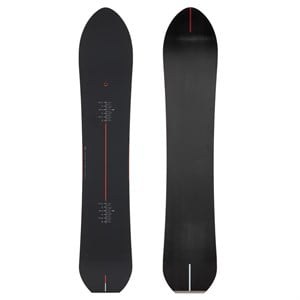
1. Season Nexus
- Terrain: All-Mountain, Freeride
- Rocker Type: Entry Rocker / Directional Camber / Exit Rocker
- Flex Rating: Medium-Stiff
- Core: Poplar and Paulownia Wood
The Season Nexus is designed as the ultimate daily driver for riders who want one board to handle every possible mountain condition. Its directional profile and lively wood core provide a sophisticated balance of stability and playfulness, making it just as capable of carving deep groomers as it is hunting for secret powder stashes. The addition of basalt stringers ensures the board remains damp and composed at high speeds without sacrificing the pop needed for side hits.
Durability is a major focus here, featuring a resilient topsheet and bio-resin construction that stands up to heavy use. A standout benefit is the lifetime season pass, which offers unlimited free waxes and annual tunes to keep your gear in peak performance. It is a reliable, high-performance option for intermediate to advanced snowboarders who value longevity and versatility in a single, well-engineered package.
Pros: Includes lifetime tuning services; versatile directional shape; eco-friendly bio-resin construction.
Cons: Stiffer flex may be less forgiving for beginners; directional shape limits switch riding performance.
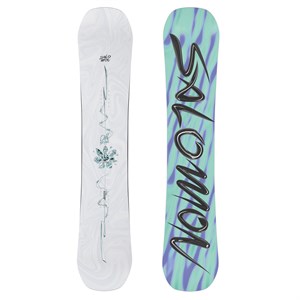
2. Salomon Oh Yeah – Women’s
- Terrain: Freestyle, All-Mountain
- Shape: True Twin
- Flex Rating: Soft (2/5)
- Base: Extruded EG with Electra
The Salomon Oh Yeah is a freestyle-focused dream for women looking to progress their skills from the park to the rest of the mountain. Featuring the Rock Out Camber profile, it provides a flat stable zone between the bindings while keeping camber underfoot for response and rocker at the tips for easy presses. This combination makes the board incredibly approachable for beginners while remaining snappy enough for intermediate riders hitting rails and jumps.
Comfort is prioritized through the use of Royal Rubber Pads in the sidewalls, which effectively dampen vibrations and soften the impact of hard landings. The Popster core milling enhances the natural flex underfoot, allowing for effortless energy transfer into the nose and tail. It is a fun, forgiving, and high-energy board that turns the entire mountain into a playground, ensuring every run is filled with good vibes and progression.
Pros: Very forgiving soft flex; excellent vibration dampening; easy to maintain extruded base.
Cons: Lacks stability at extreme high speeds; soft flex can wash out in very icy conditions.
See the Salomon Oh Yeah – Women’s
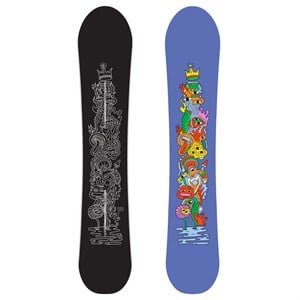
3. Burton Counterbalance
- Terrain: All-Mountain
- Rocker Type: Directional Camber
- Laminates: 45-degree Carbon Highlights
- Binding Mount: The Channel
The Burton Counterbalance is a true quiver killer that finds the sweet spot between freestyle creativity and powder efficiency. By utilizing a directional shape with an 8mm taper, it offers effortless float in deep snow without feeling like a dedicated powder board on groomers. The directional camber bend keeps the board stable during aggressive carving, while the rockered nose adds the necessary lift to glide through variable terrain and fresh stashes.
Equipped with Carbon Highlights and the Super Fly II 700G core, the Counterbalance is lightweight and torsionally responsive for precise control. It also features Infinite Ride technology, ensuring the board maintains its original pop and flex characteristics for many seasons to come. This board is perfect for the intermediate to advanced rider who wants a balanced, gender-neutral ride that excels in every condition from park laps to backcountry bowls.
Pros: Excellent float with 8mm taper; long-lasting Infinite Ride tech; highly adjustable Channel mounting system.
Cons: Requires Channel-compatible bindings; directional flex makes switch riding more challenging.
4. K2 Commonwealth
- Terrain: Freeride
- Rocker Type: Traditional Camber
- Flex Rating: Stiff (7/10)
- Core: A1 Core (Bamboo/Aspen/Paulownia)
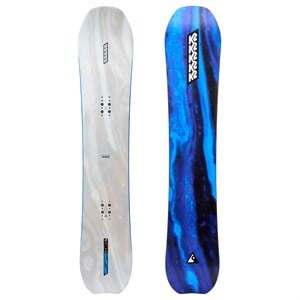
Designed for the aggressive rider who prioritizes precision and power, the K2 Commonwealth is a standout freeride machine. It features a traditional camber profile that runs from the front foot to the tail, providing maximum edge hold and stability on steep, technical terrain. The inclusion of K2’s patented Spectral Braid technology allows for a variable fiber orientation, resulting in a board that feels incredibly energetic and composed even when charging through chop.
The A1 Core utilizes bamboo and aspen to supercharge response times, while the SnoPhobic topsheet prevents snow buildup during deep powder days. This board is built for speed and control, featuring a high-end 4001 sintered base that holds wax longer than standard materials. It is an ideal daily driver for intermediate to advanced riders who want a stiff, gender-inclusive board that can handle the most demanding lines on the mountain with absolute confidence.
Pros: Superior edge hold on hardpack; lightweight and snappy bamboo core; snow-shedding topsheet.
Cons: Stiff flex requires strong technique; traditional camber can be less forgiving than hybrid profiles.
5. Lib Tech Terrain Wrecker C2X
- Terrain: All-Mountain
- Rocker Type: Hybrid C2x (Camber/Rocker/Camber)
- Edge Tech: Magne-Traction
- Shape: Directional Twin
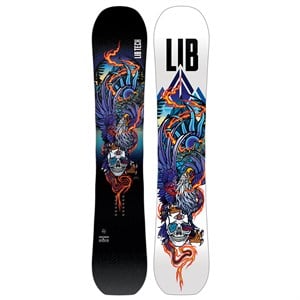
The Lib Tech Terrain Wrecker C2X is a versatile beast that thrives in chaos, recently updated with a slight setback for better powder performance. Its hybrid C2x profile features a central rocker for float and maneuverability, paired with camber sections under the feet for pop and stability. This design allows the board to blast through powder and rip groomers while still maintaining the ability to stomp switch landings in the park.
A major highlight is the Magne-Traction edge technology, which uses serrated edges to provide incredible grip even on icy surfaces. Hand-built in the USA with eco-friendly processes, the board features a durable TNT base and birch internal sidewalls for impact resistance. It is the perfect go-to weapon for the intermediate to advanced rider who views the entire mountain as a freestyle playground and needs a board that can handle everything from ice to deep snow.
Pros: Unbeatable edge hold on ice; great float for a twin shape; environmentally friendly construction.
Cons: Central rocker can feel loose to traditionalists; base requires regular waxing for top speed.
See the Lib Tech Terrain Wrecker C2X
6. Arbor El Camino
- Terrain: Freestyle, All-Mountain, Freeride
- Flex Rating: Stiff (8-9/10)
- Rocker Type: Parabolic Camber
- Core: Highland III Core
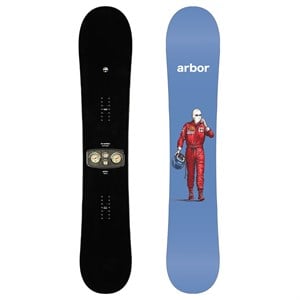
Jared Elston’s pro model, the Arbor El Camino, is an aggressive freeride powerhouse built for big air and steep lines. It features double carbon stringers and a high-performance Highland III Core, delivering explosive pop and landing durability for the most demanding riders. The parabolic camber profile uses five blended radii to ensure the edges engage and release smoothly, providing a fluid ride that never compromises on control or stability.
Arbor’s Grip Tech adds extra contact points under the feet, ensuring your edges stay locked in when conditions get critical. This board is also a leader in sustainability, utilizing recycled steel edges, bio-plastic topsheets, and bio-resin construction. For the intermediate to advanced rider who wants a lightweight, fearless board that can stomp heavy landings and slash through the backcountry with style, the El Camino is an uncompromising choice that delivers on every front.
Pros: Extremely powerful and poppy; sustainable wood veneer topsheet; excellent grip on steep terrain.
Cons: Very stiff flex is punishing for casual riders; aggressive profile is not beginner-friendly.
7. Public Snowboards Outreach
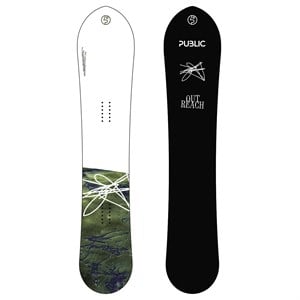
- Terrain: All-Mountain
- Rocker Type: Flat Camber
- Flex Rating: Soft (4/10)
- Base: Sintered Base
The Public Outreach is a versatile “quiver killer” that brings a surfy, loose feel to the entire mountain at an accessible price point. Its flat profile provides a stable yet nimble platform that excels in everything from tight tree runs to park features and spring slush. With a slight setback in its directional shape, the board offers surprising float in powder while remaining easy to maneuver through technical sections or freestyle sessions.
The 100% FSC-certified poplar core keeps the board lightweight and responsive, while urethane sidewalls provide extra durability against impacts on rails or rocks. The inclusion of a sintered base is a high-end touch for a board in this price bracket, ensuring maximum wax absorption and speed. This is an excellent choice for intermediate riders looking for a do-it-all board that feels predictable, playful, and ready to handle any situation the mountain throws their way.
Pros: Very approachable and easy to ride; high-speed sintered base; durable urethane sidewalls.
Cons: Flat profile lacks the “snap” of traditional camber; soft flex may feel unstable at very high speeds.
See the Public Snowboards Outreach
8. CAPiTA Dark Horse
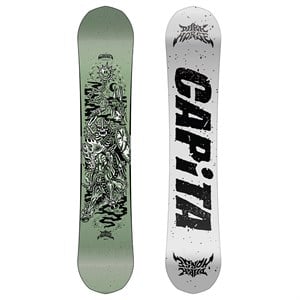
- Terrain: Freestyle, All-Mountain
- Shape: True Twin
- Rocker Type: Park V1 Camber
- Flex Rating: Medium (6/10)
The CAPiTA Dark Horse is a freestyle-focused machine designed to fuel park progression without breaking the bank. It utilizes the Park V1 camber configuration, which features traditional camber through the center with small zero-camber sections at the tips for a more controlled, catch-free ride. Built with a poppy Dual Core of poplar and beech, the board delivers the power and durability needed for high-impact park riding and all-mountain exploration.
Performance is further enhanced by carbon aramid boosters and the Superdrive ADV base, which offers the benefits of both sintered and extruded materials for high speed and low maintenance. CAPiTA’s commitment to eco-friendly manufacturing is evident in the Magic Bean Resin and special blend fiberglass, which improve durability while reducing the carbon footprint. This board is a fantastic option for intermediate to advanced riders seeking a high-tech, true twin freestyle board that punches way above its weight class.
Pros: Great value for the technology included; carbon boosters for extra snap; fast and durable base.
Cons: True twin shape is less ideal for deep powder; may feel too aggressive for beginner park riders.
9. Burton Cultivator
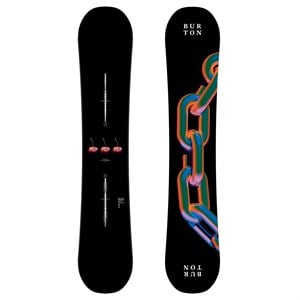
- Terrain: Freestyle, All-Mountain
- Rocker Type: Flat Top with Easy Bevel
- Flex Rating: Soft/Playful
- Binding Mount: The Channel
The Burton Cultivator is the ultimate progression machine for riders looking to build confidence and master new skills. Its Flat Top profile provides a stable platform between the feet, while the early-rise rocker at the tips creates a catch-free, loose feeling. This is paired with Burton’s Easy Bevel, which lifts the edges off the snow and makes it virtually impossible to catch an edge, allowing for stress-free learning on groomers or in the park.
The twin shape makes riding switch feel natural, while the lightweight Fly 900G core keeps the board nimble and easy to control. With a low-maintenance extruded base and gender-neutral sizing, the Cultivator is designed to grow with your skills as you move from basic turns to rails and jumps. It is a forgiving, high-quality board that takes the intimidation out of snowboarding, making every day on the hill feel productive and fun.
Pros: Extremely catch-free and forgiving; easy to maintain; great for learning switch riding.
Cons: Lacks the high-speed stability of camber; extruded base is slower than sintered alternatives.
10. Arbor Kuro Neko
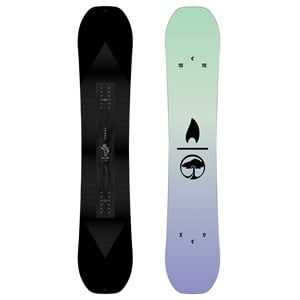
- Terrain: Freestyle
- Rocker Type: Full Camber
- Shape: True Twin
- Flex Rating: Medium (5-6/10)
The Arbor Kuro Neko is a purist’s freestyle board, offering a full camber, true twin profile for riders who value the classic fundamentals of park riding. Its nimble and quick character is perfect for those who want to boost their confidence on rails, jumps, and side hits with a reliable, no-frills setup. The Highland II Core provides a responsive feel, while the 360-degree fully wrapped sidewalls ensure maximum durability when navigating the park.
Sustainability is a core component of the Kuro Neko, featuring recycled steel edges and a bio-plastic topsheet made from castor bean oil. The board comes factory-tuned with detuned contact points to help prevent edges from catching during freestyle maneuvers. For intermediate to advanced park riders who want a high-quality, agile board that always “lands on its feet,” this Japanese “Black Cat” inspired deck is a stylish and high-performance choice for the modern freestyle enthusiast.
Pros: Classic camber pop and response; highly durable construction; eco-friendly materials.
Cons: Full camber is less forgiving than rocker; limited performance in deep powder conditions.
11. Burton Custom X Wide
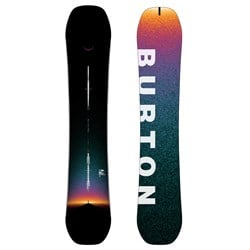
- Category: Freestyle, All-Mountain, Freeride
- Flex: Stiff
- Shape: Directional Twin
- Ability Level: Advanced-Expert
The Burton Custom X Wide snowboard is a high-performance option for demanding riders. Built for speed and precision, it’s perfect for those who want to push boundaries. Its cambered profile provides precise edge control and powerful turns, making it ideal for carving and jumps. The symmetrical twin flex ensures balance, whether you ride regular or switch, while its directional shape adds stability and control. The tapered Pro-Tip design reduces swing weight, improving mobility for tricks and quick maneuvers. This board is stiff, with a flex rating of 6-9, delivering a stable and responsive feel on the slopes.
The Dragonfly™ 600G core makes this board both lightweight and strong. Combined with Multizone™ EGD™, it handles impact without losing durability. Burton’s Squeezebox profile balances thick and flexible sections, enhancing pLib Tech Skate Banana BTXop and stability. The 45˚ Carbon Highlights High Voltage laminates add stiffness and energy transfer for explosive power. The sintered WFO base is ultra-durable and holds wax well for speed in any conditions. Frostbite edges improve grip on icy terrain, while Infinite Ride™ ensures consistent performance season after season. Compatible with all major bindings, The Channel® system allows easy stance adjustments. This board truly caters to advanced riders who crave precision, power, and versatility.
Pros: The absolute OG board for heavy riders
Cons: Beginners will find it too stiff and difficult to control.
12. Arbor Rain
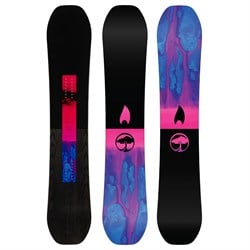
- Category: Freestyle, All-Mountain, Freeride
- Flex: Stiff
- Shape: Directional Twin
- Ability Level: Intermediate-Advanced
The Arbor Rain Snowboard is Pat Moore’s signature board, crafted for riders who demand power, pop, and precision in every run. It’s built around a System Camber profile, which gives it razor-sharp edge control and a snappy response on steep landings or fast carves. The stiff flex (rated 7–8) keeps it incredibly stable at high speeds while maintaining just enough play for controlled turns and powerful ollies. Whether you’re sending it off big booters or shredding through backcountry lines, the Rain delivers confidence with every drop-in. The Highland III Core combines lightweight agility with the muscle to handle hard impacts, making it perfect for all-mountain freestyle and freeride terrain.
Arbor didn’t just build this board for performance — they built it sustainably. The Rain features a Bio-Plastic Topsheet made from castor bean oil, a Bio-Resin that cuts carbon footprint, and recycled steel edges for eco-conscious durability. The Real Wood Powerply veneer not only looks stunning but enhances the board’s natural energy and longevity. With Double Carbon Stringers for extra snap and a sintered base pre-waxed with Wend Natural Wax, this board comes ready to rip straight out of the shop. It’s a versatile and dependable choice for intermediate to advanced riders who crave a powerful yet refined ride.
Pros: Incredible stability and edge control at high speeds.
Cons: Too stiff for beginners or casual park riders.
13. GNU Riders Choice Asym C2X
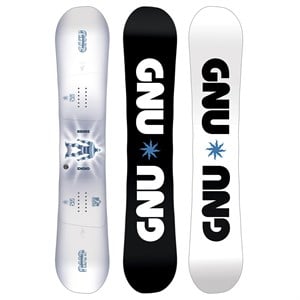
- Category: Freestyle, All-Mountain
- Flex: Medium
- Shape: Asymmetrical, True Twin
- Ability Level: Intermediate-Advanced
The GNU Riders Choice Asym C2X snowboard is built for riders who demand versatility and performance. Designed with input from Mervin’s pro team, it combines power and precision. The G Lite 3 core uses Aspen and Paulownia woods for strength and pop while staying lightweight. Its 3-D asymmetrical shape balances your ride, giving equal edge control on your heelside and toeside. The C2X rocker contour blends aggressive rocker with camber underfoot. This design ensures solid stability, excellent carving, and float in powder. It’s the ideal board for riders who want control across varied terrain and conditions.
The medium flex provides a perfect mix of playfulness and responsiveness. ASYM Level 2 shape enhances balance and control with a deeper sidecut on the heelside. The Magne-Traction® edges grip confidently on ice, ensuring reliable performance on hard-packed snow. Triaxial and biaxial fiberglass laminates add strength and boost energy transfer. The Eco Sintered Knife-Cut Base is tough, fast, and holds wax well, keeping you sliding smoothly. With eco-friendly materials and hand-crafted construction, the board is durable and kind to the planet. From powerful carves to smooth transitions, the Riders Choice delivers.
Pros: A little more forgiving than some of the other options.
Cons: Not stiff enough for the heaviest riders.
See the GNU Riders Choice Asym C2X
14. Lib Tech Skate Banana BTX
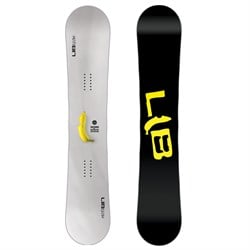
- Category: All-Mountain
- Flex: Medium
- Shape: True Twin
- Ability Level: Beginner-Intermediate
The Lib Tech Skate Banana BTX is perfect for wide feet riders of all skill levels. Beginners can easily learn, while pros can refine their tricks. Its Original Banana rocker-camber hybrid design makes the board fun and forgiving. The mild rocker between your feet offers smooth transitions, while the cambers at the tips and tails add control. Whether you’re practicing tricks in the park or linking turns on the slopes, this board performs exceptionally. The Magne-Traction® serrated edges provide incredible grip, even on icy conditions. It feels like turning ice into powder, giving you confidence in every ride. The soft flex enhances playfulness, making it an ideal choice for freestyle riders.
This board’s build quality is also impressive. The core is made with 75% Paulownia and 25% Aspen for lightweight durability. Triaxial and Biaxial fiberglass layers add strength without sacrificing flexibility. The sintered knife-cut base ensures excellent wax retention and toughness. Regular waxing keeps it performing like new. Its eco sublimated poly topsheet is not only strong and UV-resistant but also environmentally friendly. The board is handmade in the USA with zero hazardous waste. However, it’s primarily a park board and struggles on big-mountain terrain. The limited camber design reduces its stability in steep or challenging conditions. Still, if freestyle riding is your focus, the Skate Banana BTX offers fun, control, and durability in one package.
Pros: Its unique Banana rocker-camber hybrid design provides a playful and responsive ride.
Cons: Its softer flex and lack of camber limit its performance in deeper snow and at higher speeds.
See the Lib Tech Skate Banana BTX
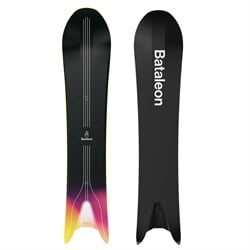
15. Bataleon Surfer
- Category: Powder
- Flex: Medium
- Shape: Directional
- Ability Level: Advanced-Expert
The Bataleon Surfer is a standout snowboard for powder enthusiasts. It combines innovative 3BT™ shaping and a wide, buoyant nose with an updated swallowtail. These features make it effortless to float in deep snow and carve on hardpack. The medium camber profile balances responsiveness and stability, offering smooth rides at low speeds while excelling in dynamic performance when pushed harder. Its Powder Hull design enhances glide, ensuring it handles deep drifts like a dream. The AirRide™ core dampens vibrations for a smooth ride, even at high speeds. It’s like a suspension system built into the board, making it ideal for riders who love carving fast and clean.
The Surfer also boasts advanced construction with premium materials. The ultra-light wood core keeps the board strong and stable without adding extra weight. Tri-Ax laminates and D.R.S.T. Super Tubes provide strength and power to the edges, making the board highly responsive. The Nano Speed S base is incredibly fast, perfect for chasing first tracks. Step Down Rails taper the deck for precise carves while saving weight. While the Surfer excels in powder, it’s versatile enough for mixed terrain. However, its steep price tag might deter some riders. Despite this, the exceptional build quality and performance justify the cost for those seeking a top-tier snowboard. The Bataleon Surfer truly delivers a fun, smooth, and confidence-boosting ride in powder and beyond.
Pros: Offers exceptional floatation and stability in deep powder.
Cons: The high price tag may be a deterrent for some riders.
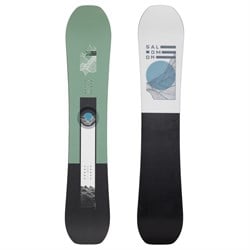
16. Salomon Sight X
- Category: All-Mountain
- Flex: Medium
- Shape: Directional
- Ability Level: Beginner-Intermediate
The Salomon Sight X Snowboard is a versatile board that shines across all-mountain conditions. It features a directional shape and medium flex, making it great for everything from groomers to deep powder. The Cross Profile design offers camber between the feet for stability and rocker on the tips for easy float. Whether you’re carving hardpack or cruising through soft snow, this board provides a smooth ride. Its tapered tail improves turn initiation and boosts floatation, making it ideal for both beginners and advanced riders. The unique evo colorway adds a stylish flair that stands out on the slopes.
Built for performance, the Sight X features a Quadratic Sidecut for precise turns and reliable edge hold. The Aspen Strong Core ensures durability while offering consistent flex. Ghost Basalt Stringers add smoothness and responsiveness, absorbing bumps for a controlled ride. With a Flex Rating of 2.5, the board balances playfulness and stiffness for versatile handling. This snowboard performs equally well in the park, on groomed runs, or in untouched powder.
Pros: A versatile all-mountain board suitable for various riding styles and snow conditions.
Cons: The medium flex is too stiff or too soft, depending on their preferred riding style.
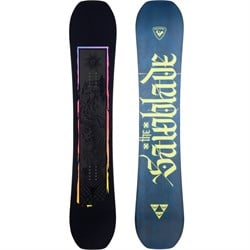
17. Rossignol Sawblade
- Category: Freestyle, All-Mountain
- Flex: Soft
- Shape: True Twin
- Ability Level: Intermediate-Advanced
The Rossignol Sawblade Snowboard makes freestyle riding smooth, easy, and incredibly fun. Its mid-soft flex and AmpTek Auto Turn Rocker make turning feel natural and catch-free, even for tall guys. The Twin Freestyle Flex design balances power and playfulness by being stiffer underfoot for pop and stability while staying softer at the nose and tail for smooth presses. This board is versatile, ideal for practicing new tricks or perfecting your go-to moves. It feels great whether you’re cruising down the slopes or hitting the park. Its forgiving nature makes it a reliable choice for riders of all skill levels.
The board’s RadCut sidecut adapts to your speed, offering precision and control for a variety of riding styles. Faster rides feel stable, while slower speeds allow for tighter turns. The vertically laminated Wood 5620 core adds strength and durability, ensuring smooth rides that last. The Sintered 4400 base and 3S Serrated Edges provide excellent grip on icy patches, keeping you confident on harder snow. Riders appreciate its easy, playful feel paired with consistent edge control. Whether you’re progressing as a freestyle rider or just looking for a fun, reliable board, the Sawblade won’t disappoint. It’s a board you’ll come back to, no matter what else you try.
Pros: Offers a smooth and playful ride, with a good balance of flex and pop.
Cons: The board’s playful nature might not be ideal for those seeking a high-performance, stiff board.
How to Choose the Right Snowboard?
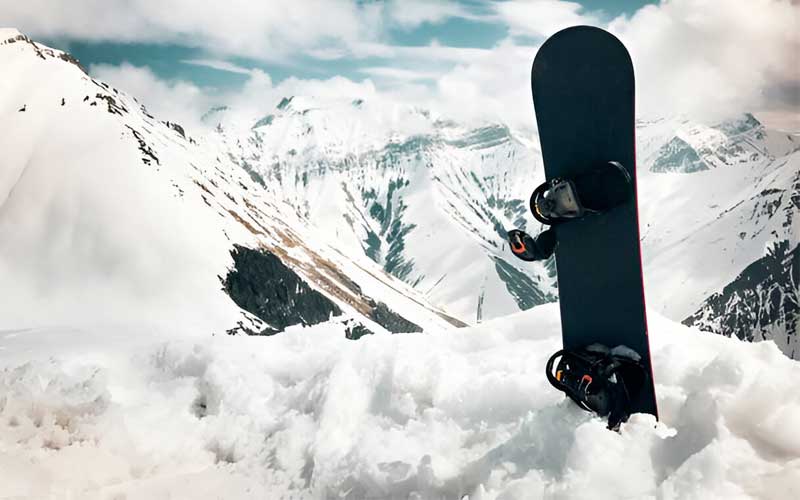
Snowboarding is a thrilling and popular winter sport. Choosing the right snowboard can make a huge difference. Whether you’re new to snowboarding or upgrading your gear, understanding the basics is essential. The perfect snowboard ensures a smooth ride, better control, and more enjoyment. This guide will help you make an informed decision.
Understanding Snowboard Types
Snowboards come in different shapes and designs. Each type is suited to specific riding styles. All-mountain snowboards are versatile. They work well on most terrains, including groomed trails and powdery snow. Freestyle snowboards are ideal for tricks and jumps. They are shorter, more flexible, and easier to control. Powder snowboards are made for deep snow. They are wider and have a unique shape to keep you afloat. Freeride snowboards are best for off-piste terrain. They are directional and perform well at high speeds. Knowing your preferred riding style helps narrow your options.
Choosing the Right Size
The size of your snowboard is crucial. It affects your control, balance, and overall performance. Snowboard length depends on your height, weight, and skill level. A general rule is to pick a snowboard that reaches between your chin and nose when stood upright. However, weight also matters. Heavier riders may need a longer board, while lighter riders can choose a shorter one. Shorter boards are easier to maneuver, making them great for beginners. Longer boards provide stability and are better for high-speed riding.
Understanding Shapes
Snowboards come in different shapes for various terrains and riding styles. Directional boards are designed to go forward. They are great for freeriding and powder. Twin boards are symmetrical. They work well for freestyle riders who like to ride switch (backwards). Directional twin boards combine both features. They are versatile and suitable for all-mountain use. Understanding the shape of the board helps you choose the right one for your needs.
Considering Flex and Stiffness
Flex refers to how bendy a snowboard is. Softer boards are easier to control and forgiving for beginners. They are also better for freestyle riding. Stiffer boards offer more stability and precision. They are ideal for advanced riders and high-speed carving. The type of snowboarding you prefer determines the level of flex you need. Test different boards to find the right balance of flexibility and control.
Camber, Rocker, and Hybrid Profiles
The profile of a snowboard describes how it curves when placed on a flat surface. Camber boards have a slight arch in the middle. They offer good edge control and are responsive. Rocker boards curve upwards at the tip and tail. They are better for powder and make turns easier. Hybrid profiles combine camber and rocker features. They provide a mix of stability and versatility. Understanding these profiles helps you choose a board that matches your riding style and terrain.
Matching Your Skill Level
Your snowboarding experience plays a big role in choosing a board. Beginners should look for forgiving boards. Softer flex and a rocker profile are ideal. They make turning easier and reduce the chance of catching edges. Intermediate riders may prefer all-mountain boards. These boards offer more control and performance. Advanced riders often choose specific boards for tricks, powder, or speed. Pick a snowboard that matches your current skill level to improve your experience.
Boots and Bindings Compatibility
Your snowboard must work with your snowboard boots and bindings. Snowboard bindings attach your boots to the board. Make sure they fit well and are adjustable. Boots should be comfortable and provide good ankle support. Binding types include strap-in, rear-entry, and step-on systems. Check the snowboard’s binding compatibility before buying. Choosing the right combination ensures better control and comfort.
Width Matters
The width of a snowboard affects stability and edge control. If your boots are too big for the board, they may drag in the snow. This can lead to loss of balance. Conversely, if the board is too wide, it becomes harder to turn. Your boot size determines the width you need. Most manufacturers label boards as narrow, regular, or wide. Always test the board with your boots to ensure the right fit.
Material and Construction
The materials used in a snowboard affect its weight, durability, and performance. Most boards have a wooden core. This provides strength and flexibility. Fiberglass layers add stiffness and durability. Some boards have carbon fiber for extra responsiveness. The base of the board also matters. Sintered bases are faster but need more maintenance. Extruded bases are slower but easier to repair. Understanding the materials helps you choose a board that lasts and performs well.
Brand and Budget
Many brands make quality snowboards. Popular ones include Burton, Lib Tech, and Ride. Each brand offers boards for different budgets and skill levels. Set a budget before shopping. Entry-level boards are affordable and great for beginners. Mid-range boards offer better features and performance. High-end boards are expensive but provide advanced technology. Compare different brands and models to find the best value for your money.
Renting vs. Buying
If you are new to snowboarding, consider renting first. Renting allows you to try different boards before committing to a purchase. It also helps you understand your preferences. If you snowboard often, buying your own board is a better investment. Owning a snowboard means you can customize it to suit your needs. Consider your frequency of snowboarding and long-term goals when deciding.
Testing Before Buying
Always test a snowboard before buying if possible. Many resorts have demo days. These events let you try different boards on the slopes. Testing helps you feel how the board handles. You can also check its responsiveness, stability, and comfort. Trying before buying reduces the chances of making the wrong choice.
Maintenance and Care
Once you have your snowboard, taking care of it is important. Regular waxing keeps the base smooth and fast. Sharpen the edges to maintain control on icy slopes. Store your board in a cool, dry place during the off-season. Proper maintenance extends the life of your snowboard and ensures it performs well.
Conclusion
Choosing the right snowboard can be challenging if you are a big guy. Start by understanding your riding style and skill level. Consider factors like size, shape, and flex. Think about the type of terrain you’ll ride on. Match your snowboard with compatible boots and bindings. Test the board before buying, and don’t forget about maintenance. A good snowboard enhances your performance and makes your experience more enjoyable. With the right board, you’ll be ready to conquer the slopes.