Best Backcountry Ski Pants of 2025
When heading into the backcountry, the right ski pants can make all the difference for comfort and safety. Unlike regular ski gear, backcountry ski pants need to handle tough conditions, from deep powder to freezing winds. They should be lightweight, breathable, and durable while keeping you warm and dry during long climbs and fast descents. With so many options available, finding the right pair can be overwhelming. This guide reviews the best backcountry ski pants to help you choose the perfect fit for your adventures.
1. Patagonia Stormstride

- Waterproofing: 3-layer H2No Performance Standard shell
- Weight: 1 lb. 2.4 oz.
- Inseam: 32 inches
- Safety: RECCO reflector
The Patagonia Stormstride pants are a versatile option for skiers and snowboarders who want a balance of performance and comfort. Constructed with a stretchy, 3-layer H2No Performance Standard shell, these pants provide excellent protection from wind and snow while remaining breathable for high-exertion activities. The recycled polyester knit interior feels soft against the skin and helps manage moisture, ensuring you stay dry and comfortable all day. Designed with thoughtful details, they feature a low-profile waistband with adjustable tabs for a custom fit, and outer thigh vents to dump heat quickly.
Practicality is a key focus, with two zippered front-thigh cargo pockets to keep your essentials secure and accessible. The right pocket even has a hidden drop-in pocket for smaller items. For added safety, the pants include a concealed RECCO reflector. Built to last, they have tough scuff guards to protect the cuffs and inner legs from ski edges, and gaiters to seal out snow. The pants are also made in a Fair Trade Certified factory, which means the people who made them earned a premium for their labor, adding a layer of ethical consideration to your purchase.
- Pros: Stretchy and breathable, ethical manufacturing, PFC/PFAS-free DWR finish.
- Cons: Women’s specific fit, may be too lightweight for extreme cold without proper layering.
See the Patagonia Stormstride See the Women’s Stormstride
2. Black Diamond Recon Stretch
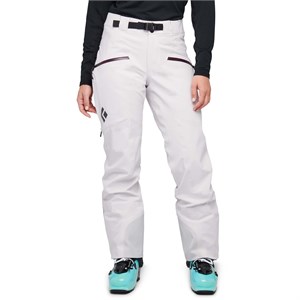
- Waterproofing: BD.dry membrane
- Weight: 1 lb. 9.1 oz.
- Pockets: Two thigh pockets, PIEPS pocket
- Venting: Offset side vents
The Black Diamond Recon Stretch Ski Pants are designed to keep you comfortable whether you’re skinning uphill or lapping the lifts. Featuring a BD.dry waterproof membrane, they offer reliable protection during stormy weather while maintaining excellent breathability, which is crucial for long tours in the backcountry. The four-way stretch fabric is a standout feature, providing unrestricted movement on the skin track and agility through tree runs, ensuring you never feel held back.
These pants are packed with useful features for both resort and backcountry use. An updated, low-profile PIEPS Pocket securely stows your avalanche gear, while two thigh pockets offer ample storage for daily essentials. The offset side vents are strategically placed to dump heat quickly when you’re working hard. High-mounted snow gaiters keep fresh powder from getting into your boots, and the integrated, removable belt provides a secure, customizable fit. Articulated joints and a gusseted construction further enhance mobility, making these pants a reliable choice for any ski mission.
- Pros: Excellent stretch for mobility, dedicated PIEPS pocket, highly breathable.
- Cons: Heavier than some touring-specific pants, offset vents may not be preferred by all.
See the Black Diamond Recon Stretch See the Women’s Recon Stretch
3. Volcom Guide GORE-TEX
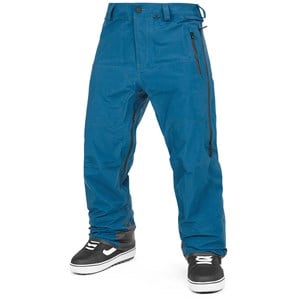
- Waterproofing: GORE-TEX 3L
- Fit: Relaxed fit, mid-rise
- Safety: Recco reflector, avalanche beacon pocket
- Features: Zip Tech pant-to-jacket interface
The Volcom Guide GORE-TEX Pants were developed in collaboration with the guides at Baldface in Canada, ensuring they are built to withstand the most demanding conditions. These unlined shell pants are perfect for backcountry adventures, offering a durable GORE-TEX 3-layer construction that is both durably waterproof and highly breathable. The GORE-TEX Recycled 3-Layer Stretch C-KNIT fabric, along with a PFCec-free DWR finish, provides reliable protection while reducing environmental impact.
Designed for serious riders, these pants have a mid-rise and relaxed fit that allows for easy layering without feeling restrictive. Security is a priority, with a dedicated avalanche beacon pocket that includes a D-ring tether to keep your essential gear secure. The pants also feature a Recco reflector for added safety in case of an emergency. Practical features like Zip Tech pant-to-jacket interface, reinforced back hem and kick panels, and stretch boot gaiters with lace hooks make them a top choice for a long day of shredding in the resort or backcountry.
- Pros: Guide-proven durability, relaxed fit for layering, excellent safety features.
- Cons: Uninsulated design requires layering for warmth, loose fit may not be for everyone.
4. Norrona Lofoten GORE-TEX
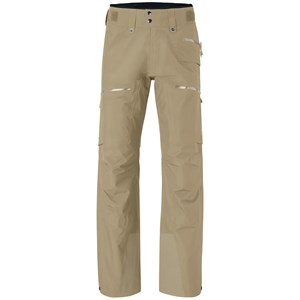
- Waterproofing: GORE-TEX with C-Knit backer
- Fit: Slim fit with articulated knees
- Fabric: Recycled Nylon with PFC-free DWR
- Venting: X-open side zip ventilation
The Norrøna Lofoten GORE-TEX Pants stand out with their focus on multi-season comfort and high performance. The use of a GORE-TEX C-Knit backer provides a softer feel and improved breathability compared to traditional hard shell pants, making them perfect for high-exertion activities. The slim fit is designed to move with your body, creating a noiseless and unencumbered feeling while you ski. The articulated knees and gusseted crotch further enhance mobility, ensuring these pants don’t restrict your movements.
Norrøna’s attention to detail is evident in every aspect of the design. The fabrics are Oeko-Tex and bluesign certified, and over 50% of the synthetic fiber is recycled, reflecting a strong commitment to sustainability. Practical features include a phone pocket inside the right thigh pocket, additional cargo pockets, and X-open side zip ventilation for quick temperature control. Integrated snow gaiters and reinforced ankles protect against wear and tear, and the pant has a snap-in solution to connect to a jacket for a full suit.
- Pros: High breathability, slim and articulated fit, sustainability-focused production.
- Cons: Slim fit may not be ideal for all body types or layering, higher price point.
See the Norrona Lofoten GORE-TEX See the Women’s Lofoten GORE-TEX
5. Arc’teryx Sabre
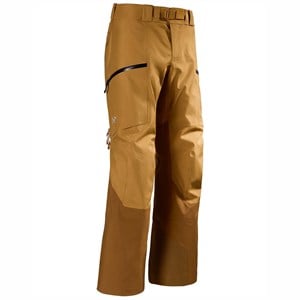
- Waterproofing: N80p-X GORE-TEX 3L
- Fit: Regular fit, articulated patterning
- Pockets: Two zippered thigh pockets
- Safety: RECCO reflector
The Arc’teryx Sabre Pants are a top-tier choice for freeride skiers and snowboarders seeking versatile performance. Built with a robust 3-layer N80p-X GORE-TEX face fabric, these pants are incredibly durable and built to withstand the demands of both inbounds and backcountry riding. The bomber shell construction ensures you stay dry and comfortable throughout the entire storm cycle, while the Lo-Loft softshell backer provides warmth and wicks away moisture for added comfort.
Designed for freedom of movement, the Sabre pants feature a regular fit with articulated patterning, allowing you to layer easily without feeling restricted. Thigh vents allow for quick heat dumps when you’re boot-packing or on a strenuous ascent. Practical details like Keprotec insteps guard against abrasion from ski edges, and 100D Cordura PowderCuffs keep snow out of your boots. A RECCO reflector is also included for search and rescue assistance, making these pants a complete package of protection, durability, and thoughtful design.
- Pros: Extremely durable, great for both resort and backcountry, warm and comfortable softshell backer.
- Cons: Heavier than some touring pants, premium price point.
6. Arc’teryx Sentinel – Women’s
- Waterproofing: 3L GORE-TEX ePE membrane
- Fit: Regular fit, articulated patterning
- Pockets: Two zippered thigh pockets with key loops
- Safety: RECCO reflector
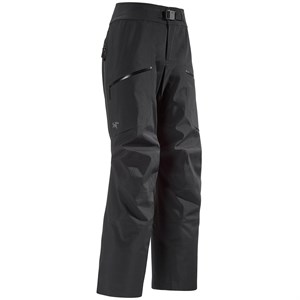
The Arc’teryx Sentinel Pants are your ticket to pillaging the powder paradise, offering both resort and backcountry performance with a focus on sustainable innovation. These freeride wonders are built with a brand new 3L GORE-TEX ePE membrane, which is light, thin, and strong. This new technology is PFC-free and has a reduced carbon footprint, marking a significant step in responsible performance. The 80D recycled nylon face fabric is durable and features an FC0 DWR finish to keep you dry and comfortable.
Designed for the demands of the mountain, the Sentinel pants have a regular fit with articulated patterning for unrestricted mobility. Thigh vents allow for quick heat dumping when you’re working hard on the skin track. A unique drop-seat design adds convenience for nature’s calls without having to remove your bibs completely. Features like Keprotec insteps protect against abrasion, and durable stretch softshell powder cuffs seal out snow while accommodating various boot types. The addition of a RECCO reflector enhances safety, making these pants a reliable and eco-conscious choice for your next adventure.
- Pros: PFC-free GORE-TEX membrane, excellent durability, thoughtful design with drop-seat feature.
- Cons: No belt loops, may be too warm for mild conditions without proper venting.
7. Flylow Chemical Pants
- Waterproofing: 20K / 20K Waterproof-Breathable membrane
- Fit: Relaxed fit
- Venting: Inner and outer thigh vents
- Sustainability: Bluesign-approved materials, PFAS-free DWR
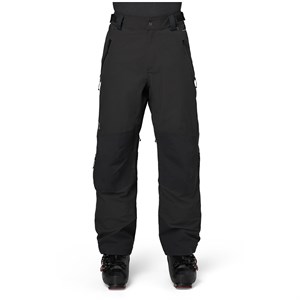
The Flylow Chemical Pants strike a perfect balance between classic styling and rugged, modern technical features. Made from a burly 3-layer hardshell fabric, these pants are ready for both resort and backcountry shredding. The 150-denier oxford weave with a 20K/20K waterproof-breathable membrane ensures you stay dry and comfortable in a wide range of conditions. The fabric has a tough yet smooth feel, and the nylon tricot backing wicks moisture away from your body, preventing clamminess.
Designed for maximum freedom of movement, the pants feature a relaxed fit that allows for easy layering. The articulated knee box enhances mobility, and the inner and outer thigh vents provide excellent airflow for quick temperature regulation on the skin track or on a hot day. Flylow has also focused on durability, with 1000-denier cuff reinforcement to protect against ski edges. Other thoughtful features include a beacon attachment system in one of the three pockets, adjustable waist, and YKK waterproof zippers. The use of bluesign-approved materials and a PFAS-free DWR finish highlights a commitment to sustainable practices.
- Pros: Durable and rugged construction, excellent venting options, relaxed fit for comfort.
- Cons: Not as high-end a waterproofing rating as GORE-TEX, relaxed fit may feel baggy to some.
How to Choose Backcountry Ski Pants?
Choosing the right ski pants is a crucial decision that can significantly impact your comfort, performance, and safety on the mountain. Unlike resort skiing, backcountry travel involves a wide range of conditions, from strenuous ascents in mild temperatures to exposed descents in freezing winds. Your pants need to be versatile enough to handle all of this. The perfect pair strikes a delicate balance between weather protection, breathability, durability, and a comfortable fit. This article will guide you through the key factors to consider, helping you find the ideal pants for your adventures.
Material and Weather Protection
The first and most important consideration is the material of the pants. Backcountry ski pants are primarily designed to protect you from the elements while allowing moisture (sweat) to escape. The choice often comes down to two main categories: softshell and hardshell.
Softshell Pants
Softshell pants are made from woven, stretchy, and highly breathable fabrics. They are often a top choice for ski tourers who prioritize comfort and freedom of movement. Their primary advantage is their excellent breathability, which is essential for managing sweat during high-output activities like skinning uphill. This helps prevent the clammy feeling that can lead to hypothermia when you stop. While they offer good wind resistance and a decent level of water repellency, they are not fully waterproof. This makes them less suitable for extremely wet conditions or heavy, continuous snowfall.
However, many softshells are treated with a Durable Water Repellent (DWR) finish, which causes water to bead up and roll off the fabric’s surface. They are also typically quieter and more supple than hardshells, which many skiers find more comfortable for long days in the mountains.
Hardshell Pants
Hardshell pants, on the other hand, are built for maximum weather protection. They are constructed with a waterproof and windproof membrane, such as Gore-Tex or similar proprietary technologies. Hardshells are the go-to option for skiers who frequently encounter wet, snowy, or windy conditions. They provide an impenetrable barrier against rain, sleet, and wet snow. The trade-off is often breathability.
While modern hardshell membranes have improved significantly, they generally cannot match the breathability of a softshell. To compensate, most hardshell pants come equipped with large zippered vents, often on the thighs, to help dump heat and moisture during ascents. They tend to be less stretchy and can feel a bit “crinkly” or stiff compared to their softshell counterparts. For those who ski in varied conditions and need the ultimate in protection, a hardshell is often the best choice.
Ventilation and Breathability
In the backcountry, managing your body temperature and moisture is critical. You’ll be working hard on the way up, generating a lot of heat and sweat, and then transitioning to a much lower-output activity on the way down, where you can quickly get cold. This is where a pant’s ventilation system becomes a make-or-break feature.
Zippered Vents
Look for pants with large, well-placed zippered vents, often called “thigh zips” or “side zips.” The longer the zipper, the more effective it is at releasing heat. Some pants even feature full-length side zips, which are incredibly useful for dumping heat quickly and for putting on or taking off the pants without removing your skis or boots. Mesh-backed vents offer a compromise, preventing snow from entering while still allowing some airflow. When you’re skinning, opening these vents is a simple yet highly effective way to regulate your temperature and prevent overheating.
Fit and Mobility
Your ski pants must allow for a full range of motion. You’ll be making deep lunges while skinning and dynamic movements while skiing. A restrictive fit is not only uncomfortable but can also hinder your performance and increase fatigue.
Articulated Knees
A key feature to look for is articulated knees. This means the fabric is pre-shaped to bend at the knee, allowing for a more natural and unrestricted movement. This feature is common in most quality backcountry pants and makes a noticeable difference during long ascents.
Stretch Fabric
Softshell pants naturally offer a lot of stretch, but many modern hardshells now incorporate some form of stretch technology as well. A four-way stretch fabric will move with you, preventing the feeling of being restricted. This is especially important in the crotch and thigh areas, where a snug fit can lead to discomfort.
Bibs vs. Pants
Deciding between a traditional pant and a bib is a matter of personal preference. Bibs offer superior snow protection, as the high waist and integrated suspenders prevent snow from getting in, even during deep powder days or a tumble. They also provide extra warmth for your core. The trade-off is often convenience; it can be more cumbersome to use the restroom in bibs. Traditional pants are simpler and offer more versatility, as you can layer them with different jackets. Many backcountry skiers prefer the flexibility of pants, while those who frequently ski in deep powder or cold climates may opt for the extra protection of bibs.
Key Features and Durability
The small details often make the biggest difference in the long run. Durability is paramount, as backcountry skiing puts a lot of stress on your gear.
Scuff Guards
The inner ankles and cuffs of your pants are highly susceptible to damage from ski edges and crampons. Look for pants with reinforced scuff guards, typically made from a tough, abrasion-resistant material like Cordura. This single feature can dramatically extend the life of your pants.
Pockets
Thoughtfully placed pockets are essential for carrying small items like a phone, a map, or snacks. Pockets on the thighs are often the most practical, as they are easily accessible even with a pack on. Make sure the zippers are durable and easy to use with gloves on.
Integrated Gaiters
An internal gaiter, often with an elastic cuff, is designed to fit over your ski boot. This prevents snow from getting into your boots and adds an extra layer of protection. Many gaiters also have a hook or loop to secure them to your boot laces, ensuring they stay in place. This is a standard and crucial feature on virtually all backcountry ski pants.
Waist Adjustment
A good pair of pants should have a secure and adjustable waist. This can be in the form of Velcro tabs, a built-in belt, or simple elastic. The ability to fine-tune the fit is important for comfort and to ensure your pants don’t slide down, especially with a heavy pack.
Conclusion
Choosing backcountry ski pants is about balancing competing needs. For the skier who prioritizes breathability and mobility for long, strenuous tours in more temperate conditions, a high-quality softshell is an excellent choice. For those who frequently encounter storms, high winds, and wet snow, the waterproof protection of a hardshell is indispensable. No matter which you choose, pay close attention to features like ventilation, fit, and durability.
By carefully considering your personal needs and the conditions you’ll be skiing in, you can select a pair of pants that will keep you comfortable, dry, and protected for many seasons to come. Your pants are your primary line of defense against the mountain, and investing in the right pair is an investment in your safety and enjoyment.