Best Backcountry Snowboard Boots of 2025
Finding the best backcountry snowboard boots is all about balancing comfort, support, and performance in tough mountain conditions. Whether you’re hiking up steep terrain or riding deep powder, the right boots can make a huge difference. They need to be warm, durable, and stiff enough to handle demanding rides, yet comfortable for long treks. In this guide, we’ll explore the top backcountry snowboard boots that offer reliable traction, excellent fit, and great protection—so you can focus on enjoying your adventure in the backcountry.
1. Burton Photon Boa
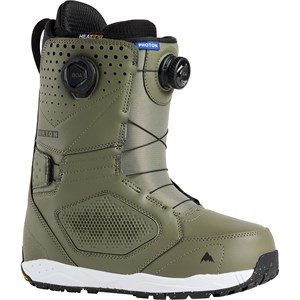
- Ability Level: Advanced-Expert
- Flex Rating: Medium (6/10)
- Lacing System: Dual Zone Boa®
- Binding Style: All Quick Entry, Strap
The Burton Photon Boa Snowboard Boots are a top pick for advanced riders seeking a versatile mid-stiff boot. The Dual Zone Boa® system allows precise tension adjustments in both liner and shell, giving riders superior control and comfort on the mountain. The Imprint™ 3 Liner and Focus Cuff deliver excellent heel hold, making aggressive turns and carving effortless while keeping your feet snug all day.
With the EST® optimized midsole and Vibram® MT outsole, these boots offer excellent board feel, cushioning, and grip. Whether you’re hitting groomers or charging through powder, the Photon Boa ensures stable, responsive performance. Heat-moldable liners and Total Comfort Construction guarantee a perfect fit from the first ride, eliminating long break-in periods.
Pros: Excellent heel hold, great board feel, customizable fit, durable construction
Cons: Higher price point, may feel stiff for beginners
2. K2 Haven – Women’s
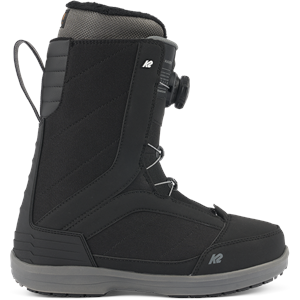
- Ability Level: Beginner-Intermediate
- Flex Rating: Soft (4/10)
- Lacing System: H4 Boa® Coiler
- Internal Lacing System: Quick-Pull
The K2 Haven Women’s Snowboard Boots are perfect for progressing riders looking for comfort and performance. Featuring heat-moldable Intuition™ Comfort Foam 3D liners, they provide a snug, warm fit that adapts to your foot shape. Internal and external J-Bars deliver excellent ankle support and heel hold while the Fast-in Liner Lacing ensures consistent all-day comfort.
The H4 Boa® Coiler makes adjusting tension simple and precise, keeping feet locked in for optimal control. Combined with the Rubber Light Outsole and Harshmellow™ dampening, these boots offer reliable grip and reduced vibration underfoot, ideal for long days on varied terrain. The Haven balances performance and comfort for riders looking to step up from rentals.
Pros: Comfortable heat-moldable liners, easy BOA system, good grip, all-day comfort
Cons: Softer flex may not suit aggressive riders, less advanced features
3. Burton Tourist
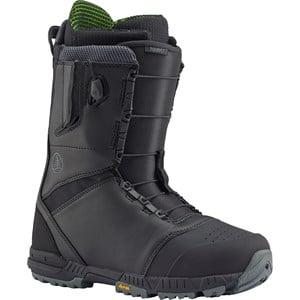
- Ability Level: Advanced-Expert
- Flex Rating: Stiff
- Lacing System: Quick-Pull
- Backcountry Boot: Yes
The Burton Tourist Snowboard Boots are engineered for backcountry and splitboard riders. With a focus on negative flex for touring mode, these boots make skinning smoother and more efficient. The Life Liner offers lightweight, cushioned comfort for long days, while DryRide Heat Cycle™ lining keeps feet warm and dry even in harsh conditions.
Rubber Ice Spikes, ReBounce cushioning, and the EST® optimized midsole deliver traction, board feel, and shock absorption. Snow-Proof Internal Gussets and Shrinkage™ Footprint Reduction Technology further enhance comfort and efficiency. Perfect for riders who demand performance in remote terrain without sacrificing comfort or warmth.
Pros: Excellent backcountry performance, warm liners, superb traction, reduced footprint
Cons: Stiff flex can be challenging for casual riders, premium price
4. Burton Swath BOA
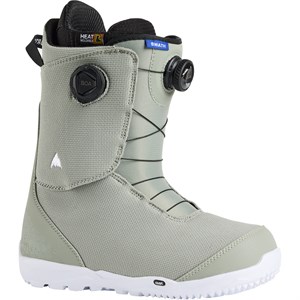
- Ability Level: Intermediate-Advanced
- Flex Rating: Medium (5/10)
- Lacing System: Dual Zone Boa®
- Binding Style: All Quick Entry, Strap
The Burton Swath BOA Snowboard Boots deliver comfort and versatility for all-mountain riders. Featuring Total Comfort Construction and 1:1 Medium Flex PowerUP Tongue, these boots provide an out-of-the-box fit that adapts to your foot over time. The Focus Cuff improves heel hold and response while allowing natural ankle movement.
Dual Zone Boa® lacing with Coiler™ technology allows effortless adjustment on the go. DynoBITE EST® outsole and ReBounce cushioning ensure traction and impact absorption across varied terrain. Whether riding park, groomers, or powder, the Swath BOA combines comfort, performance, and durability for a consistent all-day experience.
Pros: Comfortable out-of-the-box, responsive, versatile, durable
Cons: Mid-flex may lack aggression for expert riders
5. thirtytwo TM-2 Double Boa
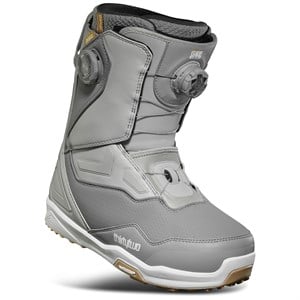
- Ability Level: Intermediate-Advanced
- Flex Rating: Stiff (7/10)
- Lacing System: Dual BOA Fit System
- Binding Style: All Quick Entry, Strap
The ThirtyTwo TM-2 Double BOA Snowboard Boots are designed for riders who push hard and demand precision. With a stiff flex and 1:1 lasting, they offer unmatched control and response. The dual BOA system ensures even, customizable tension, making adjustments quick and effortless on the slopes.
Performance internal harnesses and 3D molded tongues provide excellent heel hold and flex balance. The Energy Foam footbed and performance rubber outsole deliver cushioning and traction, ideal for aggressive riding. Durable Overmold construction adds protection and longevity, making these boots a strong choice for intermediate and advanced riders seeking all-mountain performance.
Pros: Dual BOA precision fit, stiff and responsive, excellent heel hold, durable
Cons: Less forgiving for softer flex riders, premium price
See the thirtytwo TM-2 Double Boa
6. Burton Ion Boa
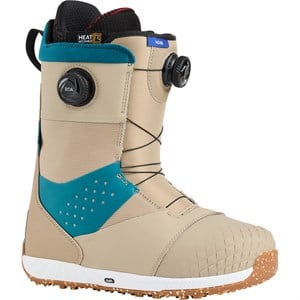
- Ability Level: Advanced-Expert
- Flex Rating: Stiff (8/10)
- Lacing System: Dual Zone Boa®
- Binding Style: All Quick Entry, Strap
The Burton Ion Boa Snowboard Boots are built for aggressive riders who demand top-level performance. Stiff flex provides instant edge response, while the Total Comfort Construction ensures long-lasting comfort without a break-in period. The Life Liner and DryRide Heat Cycle™ lining keep feet warm and snug during intense rides.
Dual Zone Boa® system with Coiler™ technology allows precise tension adjustments. EST® optimized midsole and ReBounce cushioning deliver excellent board feel and impact absorption. Features like AutoCANT Cushioning and Shrinkage™ Footprint Reduction Technology enhance comfort and reduce fatigue, making the Ion Boa ideal for expert riders pushing hard all day.
Pros: Aggressive and responsive, comfortable, warm, durable
Cons: Stiff flex can challenge intermediate riders, higher cost
7. Burton Photon Step On
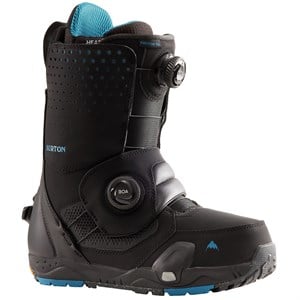
- Ability Level: Advanced-Expert
- Flex Rating: Medium (6/10)
- Lacing System: Dual Zone Boa®
- Binding Style: Step-On®
The Burton Photon Step On Snowboard Boots offer convenience without sacrificing performance. With a medium flex and Total Comfort Construction, these boots deliver a balanced ride for all-mountain enthusiasts. The Imprint™ 3 liner with heat-moldable Ultralon foam ensures a snug, custom fit that remains warm and supportive all season.
Step On™ EST® outsole and Shrinkage™ Footprint Reduction Technology provide precise board connection, reduced toe drag, and excellent traction. Dual Zone Boa® system with Coiler™ technology makes adjustments simple and efficient. Perfect for riders seeking high performance combined with the speed of Step On® bindings.
Pros: Step On® convenience, comfortable, precise fit, warm liners
Cons: Medium flex may not suit aggressive riders, requires compatible bindings
8. Burton Ruler Boa
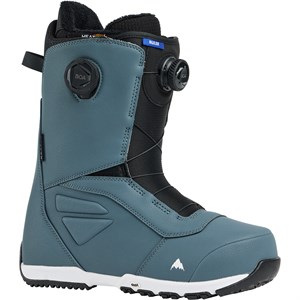
- Ability Level: Intermediate-Advanced
- Flex Rating: Medium (6/10)
- Lacing System: Dual Zone Boa®
- Internal Lacing System: None
The Burton Ruler Boa Snowboard Boots are ideal for all-mountain riders seeking comfort and versatility. Featuring 1:1 Medium Flex PowerUP Tongue and Total Comfort Construction, they offer a precise, out-of-the-box fit. Heat-moldable Imprint™ 2 liners with Lock-Up Cuff and Inner Lace Lock ensure warmth, heel hold, and consistent flex throughout the day.
EST® optimized midsole, B3 Gel, and ReBounce cushioning deliver excellent board feel, shock absorption, and comfort. Snow-Proof Internal Gusset and Sleeping Bag Reflective Foil technology keep feet dry and warm. These boots are a reliable choice for riders who demand performance and comfort without the hassle of prolonged break-in periods.
Pros: Comfortable, warm, responsive, customizable fit
Cons: Medium flex may not suit aggressive riders, lacks internal lacing system
How to Choose Backcountry Snowboard Boots
Choosing the right backcountry snowboard boots is crucial for both comfort and performance in challenging terrain. Unlike regular snowboard boots, backcountry boots need to balance uphill mobility with downhill support, making the selection process slightly more complex. This guide will help you understand the key factors to consider when selecting the perfect pair.
1. Boot Flex
Flex refers to how stiff or soft the boot is. In backcountry snowboarding, the flex of your boots affects both comfort during ascents and control during descents.
Soft Flex
Soft boots are more comfortable and allow for better mobility when hiking or skinning uphill. They are forgiving, making them suitable for long tours or for riders who prioritize comfort over precision. However, soft boots may not provide the necessary support for aggressive downhill riding.
Medium Flex
Medium flex boots offer a balance between comfort and support. They are versatile and suitable for riders who want to transition smoothly between uphill travel and technical descents. These boots provide enough responsiveness for moderate downhill terrain without sacrificing mobility.
Stiff Flex
Stiff boots provide maximum support and responsiveness for high-speed descents and challenging terrain. They are less comfortable during long uphill hikes, so they are ideal for advanced riders who prioritize performance over comfort in the backcountry.
2. Boot Fit and Sizing
Proper fit is essential for both performance and comfort. Backcountry boots should feel snug but not overly tight, as a poor fit can lead to discomfort, hot spots, and reduced control.
Footbed and Volume
Check the internal volume of the boot to ensure it matches the shape of your foot. Some boots are designed for narrow feet, while others accommodate wider shapes. Consider adding custom footbeds for enhanced support and comfort during long tours.
Try Boots With Socks
Always try boots with the socks you plan to wear while riding. Backcountry socks are usually thinner and moisture-wicking. This ensures an accurate fit without unnecessary pressure points.
3. Lacing Systems
Lacing systems affect both the convenience and performance of your boots. There are three main types commonly used in backcountry snowboard boots.
Traditional Laces
Traditional laces provide a customizable fit by allowing you to adjust tension at multiple points. They are reliable but may take longer to tighten or loosen, especially in cold conditions.
Boa System
The Boa system uses a dial and steel cable to tighten the boot quickly and evenly. It is convenient for on-the-fly adjustments but may have durability concerns in extreme conditions. Some boots feature dual Boa systems for independent upper and lower adjustments.
Hybrid Lacing
Hybrid boots combine traditional laces with a Boa dial, offering the benefits of both systems. This allows precise control over the fit in different areas of the boot while maintaining quick adjustability.
4. Walk Mode and Mobility
Backcountry snowboarding requires uphill travel, so boot mobility is a critical factor. Look for boots with walk or hiking modes that allow the cuff to pivot freely, reducing fatigue during climbs.
Articulating Cuffs
Articulating cuffs increase ankle mobility, making skinning or hiking more efficient. They are especially useful for long tours and steep approaches.
Splitboard Compatibility
If you plan to use a splitboard, make sure your boots are compatible with your bindings. Splitboard boots usually need to lock into a walk mode while providing downhill support when engaged.
5. Insulation and Temperature Management
Backcountry environments can be extremely cold, so insulation is a key consideration. Choose boots with adequate thermal insulation for the conditions you plan to ride in.
Light Insulation
Lightly insulated boots are better for aerobic ascents in milder conditions. They prevent overheating during long uphill climbs while keeping your feet reasonably warm during descents.
Heavy Insulation
Heavily insulated boots are ideal for cold-weather backcountry riding or long days in deep snow. They retain heat effectively but may feel restrictive during intense uphill activity.
6. Sole and Traction
The sole of the boot impacts both walking comfort and grip on icy or uneven terrain. Look for boots with durable rubber outsoles and tread patterns designed for backcountry travel.
Vibram Soles
Many high-end backcountry boots feature Vibram soles, known for their traction and durability. They provide confidence while hiking on rocks, ice, or mixed snow conditions.
Stepped Soles
Some boots have stepped or articulated soles designed to lock into bindings securely. Ensure compatibility with your snowboard bindings for maximum control.
7. Weight Considerations
Weight is an important factor for backcountry touring. Lighter boots reduce fatigue during long ascents, but extremely light boots may compromise support on descents.
Balance Between Weight and Support
Choose boots that strike a balance between lightweight design and necessary stiffness. Modern materials allow manufacturers to reduce weight without sacrificing performance.
8. Budget and Brand
Snowboard boots can range from mid-tier to premium prices. Investing in a high-quality boot can enhance comfort, performance, and durability.
Trusted Brands
Brands like Burton, ThirtyTwo, K2, and Deeluxe are known for producing reliable backcountry boots. Research models that suit your specific needs and test them whenever possible.
Warranty and Support
Consider the warranty and customer support when choosing a boot. Backcountry boots are a long-term investment, and having support from the manufacturer can be valuable if issues arise.
Conclusion
Selecting the right backcountry snowboard boots requires careful consideration of flex, fit, lacing systems, mobility, insulation, sole traction, weight, and brand reliability. Prioritize comfort and performance for both uphill travel and downhill riding. Testing multiple options and understanding your riding style will help you find boots that make your backcountry adventures safer and more enjoyable.