Best Directional Twin Snowboards of 2026
Directional twin snowboards are perfect for riders who love all-mountain versatility and freestyle fun. They combine the stability of a directional board with the balance of a true twin, making them great for carving, jumps, and riding switch. Whether you’re exploring groomed trails or tackling powder, these boards offer a smooth, responsive feel. In this guide, we’ve picked the best directional twin snowboards, focusing on performance, comfort, and value. No matter your skill level, you’ll find one that matches your style and terrain preferences.
1. Arbor Rain
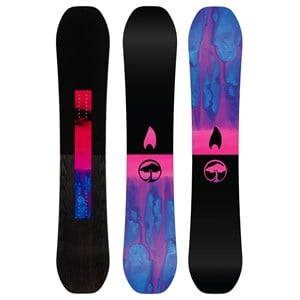
- Rocker Type: System Camber
- Flex Rating: 7-8 (Stiff)
- Core/Laminates: Highland III Core, Double Carbon Stringers
- Base/Edges: Sintered Base, Recycled Steel Edges
The Arbor Rain is a confident, high-energy directional twin built for riders who demand precision on big jumps, fast faces, and steep landings. Its System Camber gives crisp edge hold and explosive pop while easing the contact aggression at tip and tail for cleaner landings. The Highland III core paired with double carbon stringers delivers a lively response without feeling deadened, and the 360° wrapped sidewalls plus factory-tuned tip/tail make this board feel consistent and reliable straight out of the shop. Eco-conscious touches like a bio-plastic topsheet and bio-resin are nice bonuses that don’t compromise performance.
On the mountain the Rain slices through groomers, launches with authority off natural hits, and soaks up big landings with predictable stability. It’s best suited to intermediate+ riders who prioritize pop and stability over playful buttering — if you go big or plan to, this board rewards commitment. Expect a stiff, responsive ride that won’t forgive sloppy technique, but will make precise carving, aggressive snaps, and technical jump lines feel effortless.
Pros
- Powerful pop and edge hold
- Durable, sustainability-focused construction
- Factory-tuned, ready-to-ride
Cons
- Stiff flex may intimidate beginners
- Less playful for buttering and mellow jibbing
2. Season Primer
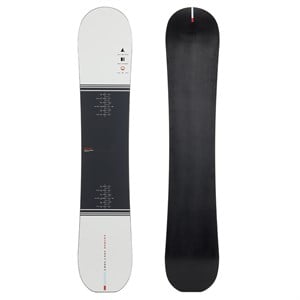
- Rocker Type: Entry Rocker / Symmetrical Camber / Exit Rocker
- Flex Rating: Soft
- Core/Laminates: Poplar Wood Core
- Binding Mount: 2 x 4 Insert Pattern
The Season Primer is built to help riders progress across the whole mountain with a forgiving, confidence-boosting feel. Its rocker/camber/rocker profile smooths turn initiation and reduces catchiness, while the symmetrical camber section gives pop and edge control when you need it. The soft poplar core keeps the board lively but easy to manipulate — great for learners and park-focused riders who want a forgiving platform for presses and small jumps. The Primer’s directional twin shape and dual-digressive sidecut make it both predictable at low edge angles and lively when you lean in.
In practice this board is a comfortable daily driver: it cruises groomers with stability, is playful in the park, and won’t punish mistakes. The soft flex encourages presses and buttering while still offering enough pop for basic jumps and ollies. It’s ideal for beginner to intermediate riders who want one board to practice new skills without feeling overwhelmed by a stiff setup. The lifetime Season Pass service adds long-term value for riders who want hassle-free maintenance.
Pros
- Very forgiving and easy to turn
- Great for park progression and learning
- Lifetime Season Pass for maintenance
Cons
- Soft flex limits high-speed stability
- Less suitable for aggressive, expert riders
3. United Shapes Horizon
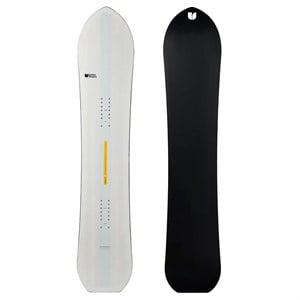
- Flex Rating: 5 (Medium)
- Shape: Directional Twin, 4mm Taper
- Core/Laminates: Classic Core with Ash stringers, Carbon center stringer
- Base/Edges: Sintered 4000 Base, Hardened Steel Edges
The United Shapes Horizon is a true all-mountain directional twin that balances park performance with off-piste versatility. With a medium flex and a pop-forward carbon stringer, it’s lively enough for spins and presses yet stable enough for choppy conditions and soft landings. The Classic Core’s mix of poplar, paulownia and ash stringers delivers dependable rebound and impact absorption, making the Horizon comfortable on natural hits as well as kickers. Seamless urethane sidewalls and a robust sintered base add durability and consistent speed.
This board excels when you want one quiver piece that can handle jumps, groomers, and powder slashes without feeling compromised. The directional bias and 4mm taper give slightly more float in deep snow while keeping a symmetrical feel for switch tricks. It’s best for intermediate to advanced riders who split time between park laps and freeride lines and want a board that’s responsive but not harsh. The inclusion of Deep Days set-back inserts is a thoughtful touch for powder days.
Pros
- Versatile across park and backcountry
- Balanced medium flex for many styles
- Durable sintered base and reinforced bindings area
Cons
- Not as playful as soft-flex park boards
- May feel slightly heavy for strict freestyle riders
4. Salomon Rumble Fish – Women’s
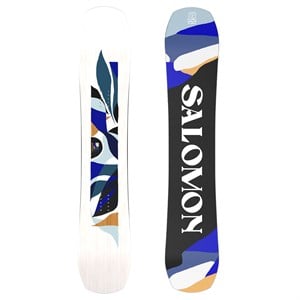
- Rocker Type: Rock Out Camber
- Flex Rating: 5 (Medium)
- Core/Laminates: Ghost Green Core, Popster Booster
- Base/Edges: Sintered EG Base, All-Mountain Edge Bevel
The Salomon Rumble Fish for women is a do-it-all directional twin that blends playful freestyle character with confident all-mountain capability. Rock Out Camber provides a stable platform between the feet, camber by the bindings for response, and rocker in the tip/tail for float and pressability. The Ghost Green Core and Popster Booster construction mean the board snaps off the tail and nose with lively rebound, while the ABC Wrapper and Royal Rubber Rails reduce chatter and add dampening for smooth landings.
On snow the Rumble Fish feels energetic and controlled: it carves well at speed, pops cleanly for park hits, and floats decently in fresh snow. Its medium flex and thoughtful layup make it a versatile choice for intermediate-to-advanced riders who want one board for laps across the whole resort. The high-performance sintered base helps maintain speed in varied conditions. If you’re seeking a responsive, playful board with a stable backbone for faster runs, this one fits the bill.
Pros
- Great blend of pop, float, and stability
- Well-damped, smooth landings
- High-performance base for speed retention
Cons
- Stiffer feel may be heavy for beginner riders
- Advanced features add cost compared to entry boards
See the Salomon Rumble Fish – Women’s
5. Rome Muse – Women’s
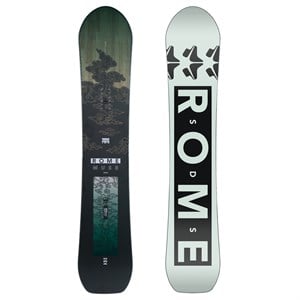
- Rocker Type: Fusion Camber
- Flex Rating: 6 (Medium)
- Core/Laminates: Stomp Core with Bamboo HotRods and Omegas
- Base: SinterStrong Base
The Rome Muse is a creative, versatile directional twin aimed at riders who value pop, pressability, and forgiving stability. Fusion Camber provides positive camber through most of the running length with a gentle rocker near the contact points, so you get responsive snaps and forgiving catch-free behavior. The Stomp Core, Bamboo HotRods and Omega carbon housings give targeted power and snap without sacrificing playfulness — presses feel lively while jumps land with authority. Triax and biax glass layering balance torsional response with a playful feel.
This board is excellent for all-mountain riders who spend time in the park but still want a reliable tool for groomers and variable conditions. The medium flex makes it versatile: stable enough for faster lines, playful enough for presses and buttering. SinterStrong base performance keeps speed and durability high. Overall the Muse encourages creativity and progression, making it a solid pick for intermediate to advanced women looking for a dependable, fun board.
Pros
- Great balance of power and playfulness
- Durable, fast sintered base
- Targeted carbon + bamboo for efficient pop
Cons
- Not as forgiving as ultra-soft beginner boards
- Medium stiffness may be firm for some park-only riders
6. Bataleon Whatever
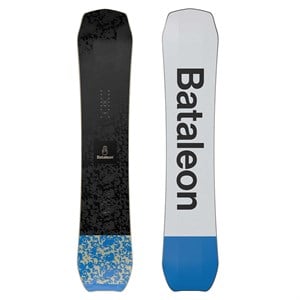
- Rocker Type: Medium Camber with 3BT™ + Sidekick™
- Flex Rating: 5 (Medium)
- Core/Laminates: Light Core (50/50 Paulownia/Poplar), Carbon Stringers
- Base: Hyper Glide S Sintered Base
The Bataleon Whatever is a playful directional twin that thrives in the park yet rides comfortably across the whole mountain. Its 3BT™ triple-base technology softens contact points and reduces hang-ups, while Sidekick™ enhances performance off the tail and tip for added pop. The balanced light core and carbon stringers deliver snap and liveliness without excessive weight. Flex Walls urethane sidewalls help dampen chatter so the board stays composed on rough snow and hard landings.
Riders who want a single board that can press, spin, slash pow, and still handle resort groomers will appreciate the Whatever. It’s forgiving enough for playful laps yet engineered for confident pop and rebound when you need it. The backseat inserts add powder utility, making deep days more enjoyable. Overall it’s an excellent choice for advanced riders seeking a versatile, fun-loving board that doesn’t pigeonhole you into just one style.
Pros
- Exceptionally catch-free thanks to 3BT™
- Versatile for park and powder
- Balanced, lively core with good dampening
Cons
- Not the stiffest option for high-speed carving
- Advanced features may be unnecessary for pure beginners
7. Season Kin
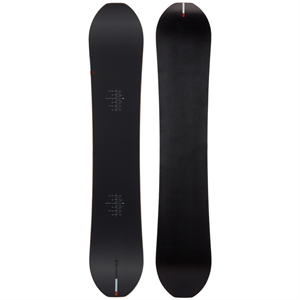
- Rocker Type: Symmetrical Camber
- Flex Rating: Soft (Playful)
- Core/Laminates: Poplar/Paulownia/Bamboo Core, Biaxial Fiberglass
- Base: Sintered Base
The Season Kin is built for park life and everyday progression. Symmetrical camber gives predictable grip and response both regular and switch, while the playful soft flex invites presses, butters, and repeated drops without beating you up. Progressive shaping and width adjustments by length make the Kin friendly to a wide range of riders, and the combination of poppy woods with biaxial fiberglass keeps the board snappy and forgiving. The 360 wrap ABS sidewall reduces vibration for a quieter, more stable ride under pressure.
If you live in the park or split time between the park and resort, the Kin is a dependable, durable option that stands up to daily use. It’s forgiving enough for intermediate riders to progress quickly yet capable enough for advanced park riders who want a board that will still perform when laps move off the features. Inclusion in the Season Pass program is a practical perk for long-term upkeep and value.
Pros
- Highly playable and forgiving for park use
- Durable construction for everyday riding
- Good value with Season Pass maintenance
Cons
- Soft flex limits high-speed stability
- Less suited for aggressive freeride lines
8. Burton Process
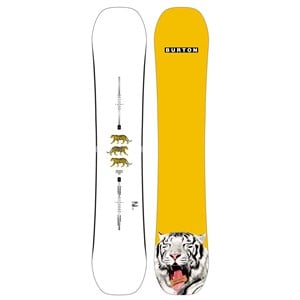
- Rocker Type: PurePop Camber
- Flex Rating: Personality 2-5 (Soft to Mid)
- Core/Laminates: Super Fly II 700G Core with Squeezebox and Dualzone EGD
- Mounting System: The Channel™ Mounting System
The Burton Process is a refined all-mountain freestyle tool that blends pop, play, and stability. PurePop Camber amplifies snap and response while maintaining forgiving early-rise sections for a catch-free feel. The Super Fly II core with Squeezebox profiling sends energy to the tips for explosive pop, and Dualzone EGD improves edge strength and consistency. Triax fiberglass and Frostbite edges add torsional performance and extra bite where needed, making the Process a favorite for riders who want a lively, confidence-inspiring ride for park laps and natural features alike.
Its twin-like shape and balanced flex make spinning, jibbing, and landing switch natural, while Infinite Ride and Super Sap epoxy technologies help the board keep its feel season after season with a reduced environmental footprint. The Channel system offers unmatched stance adjustability and compatibility. The Process shines for intermediate-to-advanced riders who want a playful, durable board that performs equally well on kickers, groomers, and side-hits.
Pros
- Fantastic pop and balanced freestyle performance
- Long-term durability with Infinite Ride
- Highly adjustable Channel mounting
Cons
- Not a stiff freeride specialist for extreme speeds
- Channel system requires specific mounting awareness
How to Choose Directional Twin Snowboards
Directional twin snowboards combine the playful symmetry of a twin with a subtle directional bias that helps riders perform well both on groomers and in varied terrain. If you like spinning and switch riding but also want a board that tracks and floats better when pointed downhill, a directional twin is a great compromise. Choosing the right one, however, requires attention to several details: your riding style, weight, preferred terrain, stance, board shape and profile, flex, and construction materials. This guide walks you through the key factors so you can pick a directional twin that feels balanced, responsive, and fun across conditions.
Understand the Directional Twin Concept
A directional twin looks much like a true twin—symmetrical nose and tail length and centered stance—yet it often has subtle directional features. These can include a slightly longer or stiffer nose, slight setback of the insert pack, or a profile that favors the nose for float in softer snow. The result is a board that spins and rides switch well but still offers better run-to-run performance when pointed forward. Knowing this hybrid intent helps you pick a model that matches how much priority you place on switch play versus downhill drive.
Match the Board to Your Riding Style
Park and Freestyle
If you spend most of your time in the park, look for a softer flex within the directional twin category and a true or nearly true twin shape. Many freestyle-oriented directional twins keep insert packs centered and use forgiving camber/rocker blends to allow pressability and consistent switch landings. Slightly softer edges and durable topsheets are also common to tolerate rails.
All-Mountain and Powder
For an all-mountain rider who wants stability at speed and improved float in powder, choose a directional twin with a stiffer flex and a slightly longer nose or subtle setback. Rocker in the nose combined with camber underfoot helps the board plane in soft snow while camber sections provide edge hold on groomers.
Decide on Length and Width
Length is influenced by body weight, riding style, and personal preference. Shorter lengths make spins and quick turns easier, while longer lengths add stability at speed and better float. For directional twins, many riders choose a length slightly shorter than an aggressive freeride board but longer than a pure park board. Width matters if you have larger feet; a mid-wide or wide option prevents toe and heel drag. Check manufacturer size charts and consider standing on similar boards at a shop to feel the difference.
Profile and Camber Choices
Directional twins come in a range of profiles: camber-dominant, rocker-dominant, and hybrid blends. Camber underfoot gives pop and precision for carving and jumps. Rocker in the nose aids float and forgiveness. Hybrid profiles (rocker between the feet, camber underfoot or slight camber with rocker tips) are especially common because they marry pop with float. Choose the profile that aligns with where you ride most: powder and variable snow favor rocker/hybrid; groomers and park favor camber or camber-heavy hybrids.
Flex Rating: Soft, Medium, or Stiff
Flex affects how the board responds. Soft flex boards are playful, easy to butter and press, and forgiving for park riders. Medium flex is versatile for all-mountain riding, offering a balance of pop and comfort. Stiff boards excel at high-speed stability and hold in big turns, ideal for aggressive all-mountain riders. Directional twins aimed at freeride will often be medium-stiff, while park-focused models lean soft-medium. Think about the balance you want between playfulness and authority.
Sidecut and Turn Radius
The sidecut determines how the board turns. Shorter radius sidecuts make quick, snappy turns—good for park and tight tree runs. Longer radii stabilize high-speed carves and wide GS-style turns. Many directional twins use a moderate sidecut to remain agile yet stable. If you like fast linked turns on groomers, favor a longer radius; if you ride playful, tight terrain, prefer a shorter one.
Stance and Insert Pack
Check where the insert pack is set. Directional twins may have a centered stance like a twin or a slightly set-back stance to favor downhill tracking and float. If you plan to ride a lot of switch, prioritize centered inserts; if you want more float and better downhill performance, a modest setback (10–20 mm) is useful. Also ensure the insert pattern is compatible with your bindings and preferred stance width.
Construction and Materials
Core materials, laminates, and base type affect weight, durability, and pop. Full wood cores tuned for flex will feel lively. Carbon stringers add snap and reduce weight but increase cost. Sintered bases absorb wax better and glide faster; extruded bases are easier to maintain and cheaper. Edge bevels, dampening materials, and topsheet durability are also considerations—if you rail groomers and hit hard landings, choose a board with reinforced edges and impact-resistant topsheets.
Testing and Demoing
Nothing replaces riding a board. If possible, demo directional twins across different profiles and flexes. Spend time riding switch, carving, and riding powder to see how balanced the board feels. Rental shops and demo days are perfect for this. Take notes on how the board initiates turns, holds edge at speed, and responds in softer snow. Even a short session will reveal whether the board fits your expectations.
Budget, Brand, and Warranty
Prices vary widely. Decide what features matter most—lightweight construction, premium base, or unique laminates—and prioritize. Reputable brands often offer consistent sizing and reliable warranties. Check warranty terms and base repair policies, especially if you ride park features or backcountry where damage risk increases. Buying last season’s model can save money without sacrificing performance for most riders.
Final Checklist Before Buying
- Confirm the board’s intended ride (park-heavy, all-mountain, powder-friendly).
- Match board length to weight and preferred riding style.
- Choose a flex and profile that suit your terrain and skill level.
- Check insert placement for stance preference and switch riding.
- Ensure width fits your boot size to avoid toe/heel drag.
- Look at construction details—core, base, reinforcements—for durability and pop.
- Demo when possible and compare similar boards back-to-back.
Conclusion
Directional twin snowboards are a versatile choice for riders who want the best of both worlds: a board that can spin and ride switch with confidence while offering superior downhill performance compared to a pure twin. By matching profile, flex, length, and construction to your riding priorities—and by testing boards when you can—you’ll land on a directional twin that expands your capability across the mountain. Remember that the best board is the one that feels intuitive underfoot and inspires you to ride more.