Best Freeride Snowboards of 2025
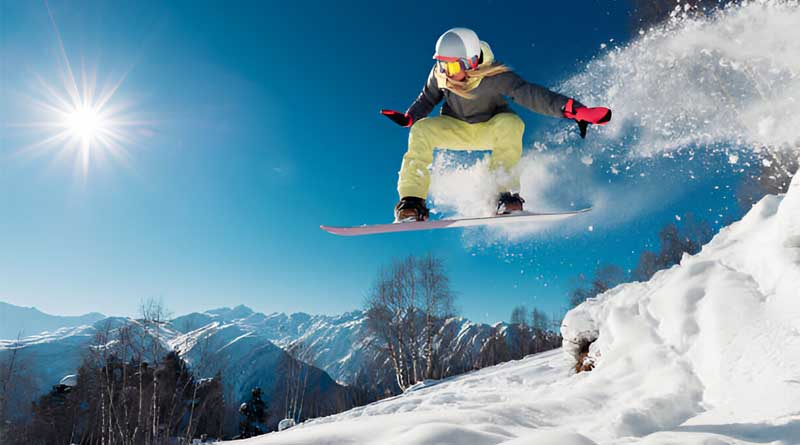
Freeride snowboarding is all about exploring the mountain, from carving fresh powder to tackling steep and challenging terrain. To truly enjoy this style, you need the right snowboard that offers stability, control, and versatility in different snow conditions. Freeride boards are built to handle off-piste adventures, big mountain lines, and deep snow while still giving you confidence on groomed runs. Choosing the right one can make a big difference in how smooth and fun your ride feels. In this guide, we’ll explore the best freeride snowboards available today, helping you find the perfect board for your style and mountain goals.
1. Season Nexus
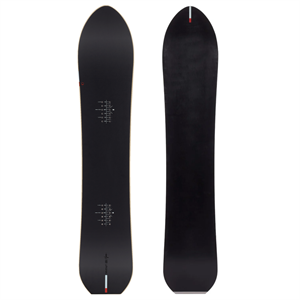
- Rocker Type: Mild elongated nose with standard camber and a kick tail.
- Flex: Medium flex for a balanced feel.
- Shape: Directional Freeride Twin with progressive shaping.
- Core: Lightweight Poplar / Paulownia Wood Core.
The Season Nexus is a true all-in-one board designed to simplify your gear and elevate your riding. Its versatile design cuts through the noise of overly specialized boards, offering a straightforward yet highly effective platform for any condition the mountain throws at you. The combination of a mild elongated nose, standard camber, and a kick tail provides excellent float in powder while maintaining a stable, responsive feel on hardpack. This board transitions seamlessly from carving clean lines on groomers to navigating resort chop and finding stashes of fresh snow. It’s engineered to be the ultimate quiver of one, built to handle a variety of terrain with consistent, dependable performance.
Riding the Nexus is like reconnecting with the core joy of snowboarding. It’s not about complex tech; it’s about a board that just works. The medium flex and directional freeride twin shape offer a smooth, predictable ride that gives you confidence in diverse conditions. The progressive shaping ensures the board’s width and stance are optimized for different lengths, supporting riders of all sizes. With a lightweight Poplar and Paulownia wood core and a sintered base, the Nexus provides a poppy, responsive ride that’s also durable and fast. Whether you’re an intermediate rider looking to progress or an expert seeking a reliable daily driver, the Nexus delivers a refined, intuitive experience that will remind you why you love being on a board.
Pros:
- Extremely versatile, performing well in powder, on hardpack, and in chop.
- Simple, intuitive design is easy to get used to.
- Lightweight core provides a responsive and poppy feel.
Cons:
- The medium flex might not be stiff enough for aggressive, high-speed riders.
- More specialized riders might prefer a board with more specific terrain-focused features.
2. Rossignol XV
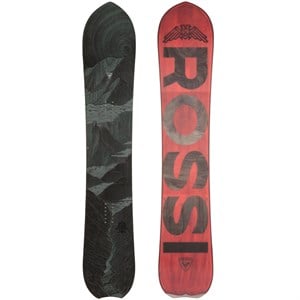
- Rocker Type: AmpTek Elite Rocker with 60% camber and 40% rocker.
- Flex: Very stiff, rated 9 out of 10.
- Shape: Reverse Super Directional with Roller Base Technology.
- Laminates: Aramid (Kevlar®) and Basalt laminates for vibration damping.
Designed in collaboration with big mountain legend Xavier De Le Rue, the Rossignol XV is a board built for a singular purpose: dominating steep, demanding terrain with unwavering confidence. This isn’t a board for the faint of heart; its stiff flex and aggressive AmpTek Elite Rocker profile are tuned for riders who push their limits. The combination of 60% camber underfoot and 40% rocker at the tips provides explosive pop and stability at high speeds, while the Aramid and Basalt laminates effectively dampen vibrations, keeping the ride composed when you’re charging through chunder or straight-lining a sketchy chute. This board feels incredibly solid and reliable, giving you the necessary power and control for high-consequence lines.
The XV’s design is all about precision and power. The Roller Base Technology lifts the edges off the snow slightly, providing a catch-free feel for effortless maneuverability and excellent float in deep snow, without sacrificing edge grip when you need it most. Its reverse super directional flex—stiffest under the front foot—is engineered for maximum power and control in demanding conditions. Combined with Rossignol’s 7M Serrated Edges, the board bites into firm snow with seven points of contact, ensuring you maintain a secure hold. The Triple Hybrid Core further enhances this powerful feel, blending different wood types and microcell beams for a responsive and lightweight ride. For the advanced-to-expert rider who lives for big mountain lines and high-speed descents, the XV is a high-performance machine ready to conquer anything.
Pros:
- Exceptional stability and control at very high speeds.
- Excellent vibration damping for a smooth ride in rough terrain.
- Outstanding edge hold on firm snow due to serrated edges.
Cons:
- Overly stiff and aggressive for intermediate riders or casual riding.
- Not well-suited for freestyle or park riding due to its directional design and flex.
3. Season Aero
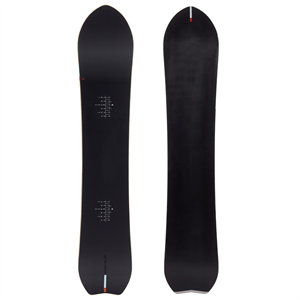
- Rocker Type: Standard camber with entry and exit rocker.
- Flex: Stiff flex, offering powerful performance.
- Shape: Directional Freeride Twin with Progressive Shaping.
- Core: Poplar / Paulownia Wood Core for a lightweight, responsive feel.
The Season Aero is a high-performance freeride board built for riders who crave speed, stability, and precision. Unlike its more versatile sibling, the Nexus, the Aero is dialed in for aggressive all-mountain riding. With its traditional camber profile and a powerful, stiff flex, it provides a level of confidence and control that makes you feel invincible, whether you’re laying down fast carves on groomers or navigating rugged, variable terrain. This board has a powerful feel that rewards a dynamic and engaged riding style, translating every input into immediate and clean responses. It’s a board that feels locked in and stable from top to bottom, making it perfect for bell-to-bell resort laps or long, fast lines.
Crafted to be a true freeride companion, the Aero’s directional freeride twin shape and progressive shaping ensure it’s optimized for a wide range of riders. The combination of a lightweight Poplar/Paulownia wood core and biaxial fiberglass laminates gives it a lively, poppy feel despite its stiffness. It excels at powering through chop and chunder, maintaining its line without getting tossed around. The sintered base ensures it glides smoothly and fast, ready to pick up speed at a moment’s notice. For the intermediate-to-advanced rider who prioritizes stability and control over playful forgiveness, the Season Aero is a fantastic choice, offering a refined, powerful ride that feels both exhilarating and incredibly secure.
Pros:
- Exceptional stability and edge hold at high speeds.
- Stiff flex provides powerful response and control in rugged terrain.
- Lightweight core still gives a lively, poppy feel.
Cons:
- The stiff flex can be demanding and less forgiving for casual riders.
- Less playful than a softer board, not ideal for freestyle tricks or buttering.
4. CAPiTA The Equalizer Women’s
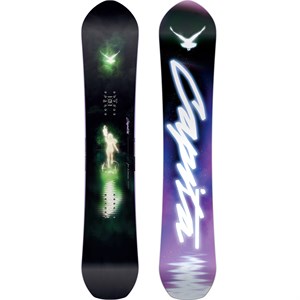
- Rocker Type: Resort V2 Directional Profile, blending camber and rocker.
- Flex: Medium flex, rated 5.5 out of 10.
- Shape: Directional shape with Flat Kick tip and tail arcs.
- Core: Meta Core with Paulownia, Poplar, and Beech stringers.
The CAPiTA The Equalizer, designed with pro rider Jess Kimura, is a high-performance all-mountain freeride board specifically tailored for women. It strikes a perfect balance between power and maneuverability, making it an ideal choice for riders who want one board to handle everything from steep big-mountain lines to cruising on groomed runs. The Resort V2 Directional Profile is a key feature, blending a raised camber platform underfoot for solid edge hold and stability with rocker at the nose and tail for improved float in powder and a catch-free feel. This profile ensures that the board feels confident and powerful in variable conditions without being overly demanding, allowing you to ride with less fatigue.
The Equalizer is packed with top-tier technology designed to enhance performance. The new Meta Core, which combines lightweight Paulownia and Poplar with shock-absorbing Beech stringers, provides a strong, poppy, and durable foundation. Advanced laminates like Technora™ + Flax Boosters add tensile strength and shock absorption, while Holysheet™ Fiberglass creates a responsive and powerful ride without adding unnecessary weight. The Quantum Drive™ Base is formulated for speed and durability, ensuring you can maintain momentum on all types of snow. The result is a board that feels both energetic and stable, allowing you to charge confidently and make precise turns. For the advanced woman rider seeking a reliable and versatile freeride tool, The Equalizer is a force to be reckoned with.
Pros:
- Versatile design excels in a wide range of conditions and terrain.
- High-end materials provide exceptional stability, pop, and control.
- Specifically tuned for women, offering a balanced feel without being overpowering.
Cons:
- The medium flex might not be stiff enough for the most aggressive, expert riders.
- The directional shape and focus make it less ideal for switch riding or park laps.
See the CAPiTA The Equalizer – Women’s
5. Burton Family Tree 3D Daily Driver
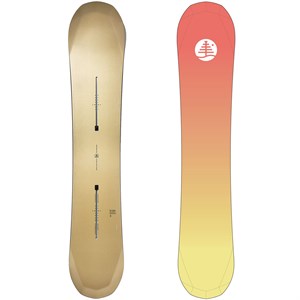
- Rocker Type: Directional Camber, with a blend of rocker and camber.
- Flex: Medium flex, rated 4-7 out of 10.
- Shape: Directional with a 10mm taper and 3D contours (Scoop).
- Core: SuperFly II 700G Core with Dualzone™ EGD™.
The Burton Family Tree 3D Daily Driver is a unique and playful freeride board that effortlessly blends classic camber performance with a modern, surf-inspired feel. It’s part of Burton’s Family Tree series, which focuses on innovative shapes for all-mountain and powder riding. The directional camber profile provides the powerful, stable drive of traditional camber under the back foot, while a blend of rocker and camber in the nose gives you excellent float and a forgiving feel. The standout feature is the 3D contouring, known as “Scoop,” which raises the edges at the tip and tail. This creates a more forgiving, catch-free ride and enhances float in deep snow, making the board feel incredibly surfy and maneuverable.
This board’s construction is built for both performance and durability. The SuperFly II 700G Core uses stronger, lighter woods to reduce weight while maintaining pop and strength. The 45° Carbon Highlights optimize the fiberglass matrix, fine-tuning the torsional feel for an aggressive yet maneuverable ride. The Recycled Sintered WFO base is exceptionally durable and stays fast all season with proper maintenance. The Daily Driver is built to be a one-quiver wonder, offering a balance of stability and surfy playfulness that’s perfect for riders who want to charge hard but also have fun and get creative with the terrain. With Burton’s The Channel® mounting system, you get unlimited stance options and easy adjustability, making it a truly versatile and user-friendly board.
Pros:
- 3D contours provide a loose, surfy feel and excellent float in powder.
- Versatile directional camber profile balances power and playfulness.
- The Channel® system offers infinite stance options for customization.
Cons:
- The unique 3D shape might take some getting used to for riders accustomed to traditional boards.
- The medium flex may feel too soft for the heaviest or most aggressive riders.
See the Burton Family Tree 3D Daily Driver
6. Bataleon Cruiser +
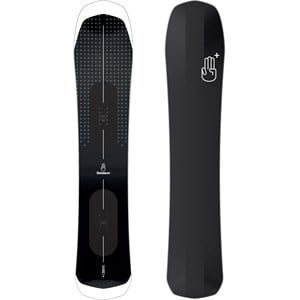
- Rocker Type: Medium Camber with Triple Base Technology (3BT™) and SideKick™.
- Flex: Stiff flex, rated 7 out of 10.
- Shape: Directional with high nose and low tail sidebase uplift.
- Core: Ultra Light Core, a 70/30 Paulownia and Poplar blend.
The Bataleon Cruiser + is a freeride board that stands out with its innovative Triple Base Technology (3BT™) and SideKick™ tips. These features raise the side edges at the widest points of the nose and tail, creating a unique ride that’s both catch-free and incredibly floaty in powder. The medium camber profile provides a solid foundation of pop and stability, while the 3BT™ with SideKick™ allows for smooth turn initiation and excellent maneuverability in variable snow. This board is built for the rider who loves to surf through all sorts of conditions, from spring slush to fresh pow, feeling confident and in control. The stiff flex and directional shape make it a powerful tool for high-speed cruising and navigating challenging terrain.
Under the hood, the Cruiser + is packed with advanced tech. The Ultra Light Core, a blend of Paulownia and Poplar, provides an exceptional strength-to-weight ratio. The board’s responsive feel is amped up by Tri-Axial fiberglass and carbon stringers, which add explosive pop and precise edge control. The Dual Radial Super Tubes, six hollow carbon tubes running parallel to the edges, further enhance response and dampening. This combination of tech gives the board a lively and powerful feel, allowing it to charge through choppy snow and hold an edge on firm surfaces. The Hyper Glide S sintered base is fast and durable, ensuring you can maintain speed across the mountain. For the rider who values innovation and a unique, surfy ride, the Bataleon Cruiser + is a great choice.
Pros:
- 3BT™ and SideKick™ offer excellent float and a catch-free feel.
- Stiff flex and carbon tech provide powerful pop and stability.
- Hyper Glide S base is fast and durable.
Cons:
- The unique 3BT™ shape may require a learning curve for some riders.
- The stiff flex may be too demanding for less aggressive riders.
7. Lib Tech Dynamiss C3 – Women’s
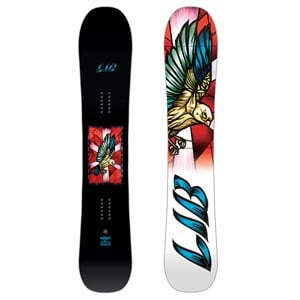
- Rocker Type: C3 Camber with dominant camber zones and mild rocker between feet.
- Flex: Medium flex, a versatile all-mountain feel.
- Shape: Directional with a tapered tail.
- Edge Tech: Magne-Traction® edges for superior edge hold.
The Lib Tech Dynamiss C3 is a women’s all-mountain board built to handle it all with confidence and power. It features Lib Tech’s signature C3 Camber, which combines dominant camber zones underfoot with mild rocker between the bindings. This profile delivers the stability, pop, and powerful edge hold of traditional camber but with a touch of forgiveness from the subtle rocker. The directional shape and tapered tail are perfect for charging big lines and floating in powder, while the Magne-Traction® edges provide seven strategically located serrations along the sidecut. This technology is a game-changer, giving you an unreal grip on icy or firm snow and a secure feel in challenging conditions. The Dynamiss is a board that empowers you to ride with a sense of control and freedom.
This board’s construction is a testament to Lib Tech’s commitment to quality and craftsmanship. The Original Power Construction core blends Paulownia and Aspen wood for a strong, lightweight, and poppy ride. The Triaxial/Biaxial Fiberglass laminates add durability and a responsive feel. The Eco Sublimated TNT base is fast and low-maintenance, ready for whatever the mountain dishes out. Handmade in the Mervin Factory in Washington with zero hazardous waste, the Dynamiss is not only a high-performance board but also an environmentally conscious one. With a medium flex and a powerful profile, it’s an ideal choice for the intermediate to advanced rider who wants a single board that can carve groomers, rip through powder, and handle any condition with ease.
Pros:
- Magne-Traction® edges offer unbeatable grip on ice and hardpack.
- C3 Camber profile provides stability and powerful pop.
- Handmade in the USA with eco-friendly manufacturing processes.
Cons:
- The C3 profile is more aggressive and less forgiving than other profiles.
- The directional shape makes it less ideal for switch riding.
See the Lib Tech Dynamiss C3 – Women’s
8. GNU Free Spirit C3 – Women’s
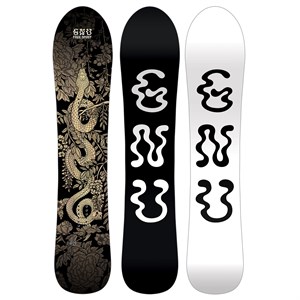
- Rocker Type: C3 Camber with dominant camber zones and mild rocker between feet.
- Flex: Firm flex, rated as very stiff.
- Shape: Directional, volume shifted with a 3-inch setback.
- Edge Tech: Magne-Traction® edges with 7 serrations.
The GNU Free Spirit C3 is a women’s volume-shifted freeride board designed to deliver a floaty, surfy feel in powder without sacrificing stability and control. This board’s unique shape, with its wider waist and shorter length, allows for incredible float and quick maneuverability in tight spots like tree runs. The 3-inch setback and tapered construction make it easy to keep the nose up in deep snow, giving you that euphoric feeling of effortless gliding. The C3 Camber profile provides the board with a powerful, locked-in feel on hardpack and groomers, ensuring it can handle a wide variety of terrain, not just powder days. This board is all about combining the best of both worlds: float and stability.
The Free Spirit C3 is built with high-end materials to match its aggressive design. The G Lite 3 FCS Certified Aspen and Paulownia Core is incredibly light yet strong and poppy. Carbon Power Bands add radical response and pop, while Triaxial and Biaxial Fiberglass laminates provide durability and a consistent flex. Like other boards from the Mervin factory, it features Magne-Traction® edges, which offer unparalleled edge hold on icy conditions, so you can confidently carve no matter the surface. The UHMW Sidewalls and an Eco Sintered Knife-cut Base further add to the board’s durability and speed. For the advanced-to-expert rider who wants a powerful, playful, and stable board for all-mountain and powder missions, the Free Spirit C3 is an exceptional choice.
Pros:
- Volume-shifted shape provides excellent float and maneuverability in powder.
- C3 Camber and stiff flex offer stability and power for aggressive riding.
- Magne-Traction® edges ensure superior grip in firm conditions.
Cons:
- The volume-shifted design may feel different and require adjustment for some riders.
- The firm flex is demanding and not suitable for beginners or less aggressive riders.
See the GNU Free Spirit C3 – Women’s
How to Choose a Freeride Snowboard
Choosing a freeride snowboard can feel overwhelming with the vast array of shapes, profiles, and technologies available today. A good freeride board is your ticket to unlocking the entire mountain, from carving clean lines on groomers to slashing through untouched powder and navigating challenging, variable terrain. Unlike a freestyle board, which prioritizes a balanced feel for park riding, or a pure powder board designed solely for deep snow, a true freeride board is a versatile tool built for speed, stability, and control in all conditions. This guide will walk you through the key factors to consider, helping you find the perfect board to elevate your off-piste adventures.
Understanding Your Riding Style and Terrain
Before you dive into technical specifications, the first step is to honestly assess your riding style and the type of terrain you love most. Do you spend most of your time on-piste, but crave the occasional foray into fresh powder? Or do you live for steep, ungroomed lines and tree runs? Your answers will guide your choices in a board’s shape, flex, and profile.
Rider Ability Level
- Beginner/Intermediate: Look for a board with a softer to medium flex and a more forgiving profile, like rocker or a hybrid blend. This will make it easier to initiate turns and build confidence.
- Intermediate/Advanced: You can handle a stiffer board with more camber. These boards offer greater stability at high speeds and more pop for jumps and powerful carves.
- Expert: Your focus can be on highly specific, stiff, and aggressive boards designed for maximum performance in the most demanding conditions.
Key Freeride Snowboard Features
A board’s performance is determined by the interplay of several design elements. Understanding these is crucial to making an informed decision.
Board Shape
The shape is one of the most defining characteristics of a freeride snowboard.
- Directional: This is the most common shape for freeride boards. It has a longer, wider nose and a shorter, tapered tail. This design concentrates the pop in the tail and provides excellent float in powder, as the nose naturally stays on top of the snow. The stance is typically set back from the center.
- Tapered Directional: This shape takes the directional concept further by making the tail significantly narrower than the nose. This helps the tail sink in deep snow, lifting the nose even more for a surfy, effortless float. It’s a top choice for powder enthusiasts.
- Volume-Shifted: These boards are shorter and wider than traditional boards. Their increased width provides a larger surface area, giving them incredible float in powder despite their shorter length. They are nimble and highly maneuverable, perfect for tight tree runs.
Rocker Profile (Camber/Rocker)
The profile describes the board’s curvature from nose to tail when viewed from the side.
- Camber: This is the classic profile, with the center of the board rising off the snow. It offers powerful pop, excellent edge hold, and stability at high speeds. It is the most common profile for aggressive freeride boards.
- Rocker (Reverse Camber): The board curves upward from the middle. This profile provides a loose, surfy feel and excellent float in powder. It is less stable at high speeds and has less edge hold on hardpack.
- Directional Hybrid (Rocker/Camber/Rocker): This is arguably the most popular profile for freeride versatility. It combines camber underfoot for stability and pop with rocker in the nose for float and forgiveness. Many boards, like the Lib Tech Dynamiss C3, use this profile to great effect, often with a longer rocker zone in the nose than the tail.
Flex
A board’s flex rating determines its stiffness. Freeride boards generally have a medium to stiff flex.
- Medium Flex: A versatile choice that balances forgiveness with stability. It’s great for all-mountain riding and for riders who want to do a bit of everything.
- Stiff Flex: These boards provide maximum stability at high speeds, powerful edge hold, and dampening for plowing through choppy snow. They require more effort to turn but are the best choice for aggressive, expert riders.
Core and Materials
The core and laminates inside the board play a huge role in its performance.
- Wood Core: The heart of the board. Different wood types like Poplar, Paulownia, and Aspen are used in various blends to achieve a specific balance of weight, pop, and strength.
- Carbon and Fiberglass: These materials are layered over the core to add stiffness, pop, and torsional rigidity. Carbon is lighter and adds a more explosive pop, while fiberglass provides a consistent flex.
- Specialty Materials: Some high-end boards use materials like Aramid (Kevlar®) and Basalt to dampen vibrations and provide a smoother ride in rough terrain.
Base Type
The base determines how fast the board glides and how well it holds wax.
- Sintered Base: Made by compressing polyethylene pellets. It’s highly porous, absorbs wax well, and is extremely fast. Most high-end freeride boards use a sintered base.
- Extruded Base: Made by melting and extruding the plastic. It’s less porous, slower, but more durable and easier to repair.
Putting It All Together: Finding Your Perfect Board
Now that you understand the components, let’s look at how to combine them for different riding goals.
The Versatile All-Mountain Freerider
If you want a board that can truly handle everything, look for a directional shape with a medium flex and a hybrid profile. This combination gives you the best of all worlds: enough float for powder, solid edge hold on groomers, and a forgiving feel for navigating varied terrain. The CAPiTA The Equalizer and Season Nexus are great examples of this type of board.
The Aggressive Big Mountain Charger
For riders who live for steep, fast lines and high-consequence terrain, a stiffer, camber-dominant board is key. A directional shape with a powerful flex and a sintered base will provide the stability, control, and speed you need to feel confident. The Rossignol XV and Season Aero are perfect for this style of riding.
The Playful, Pow-Focused Surfer
If your dream is to make effortless turns in deep powder, a volume-shifted or tapered directional board with a more rockered profile is ideal. These boards prioritize float and maneuverability over raw speed. Boards like the Burton Family Tree 3D Daily Driver and GNU Free Spirit are great examples of this, offering a unique, surfy feel.
Final Advice
Don’t be afraid to try different boards if you have the opportunity. Many shops offer demo programs that allow you to test a board before you commit. Reading reviews is also a great way to learn about a board’s feel and performance from other riders. Ultimately, the best freeride snowboard is the one that matches your personal style and helps you have the most fun on the mountain. By considering your ability, riding style, and the key features discussed, you’ll be well on your way to finding your perfect ride.