Best Gore-Tex Ski Jackets of 2025
When you’re out on the mountain, staying warm and dry makes all the difference. Gore-Tex ski jackets are known for their unbeatable waterproofing, breathability, and durability, keeping you comfortable in snow, wind, and freezing temperatures. Whether you’re skiing, snowboarding, or just exploring snowy trails, a good Gore-Tex jacket offers reliable protection without feeling heavy or bulky. In this guide, we’ll explore the best Gore-Tex ski jackets available, helping you find the perfect balance of performance, comfort, and style for your next winter adventure.
1. REI Co-op First Chair GTX

- Fabric: Recycled polyester (bluesign® approved)
- Waterproofing: 2-layer GORE-TEX ePE laminate, fully taped seams
- Features: Helmet-compatible hood, pit zips, removable powder skirt
- Fit & Weight: Thigh-length cut; 1 lb. 10.5 oz.
The REI Co-op First Chair GTX is a solid, no-nonsense ski jacket for days when you want protection and room to layer. Its 2-layer GORE-TEX ePE shell blocks wind and heavy wet snow while remaining breathable enough for long runs or extended lift lines. The shell is roomy by design so you can wear an insulated midlayer without feeling restricted, and the PFAS-free DWR treatment helps water bead off the surface.
Practical touches stack up: a helmet-friendly hood with front and rear adjustments, pit zips for quick venting, a fuzzy tricot-lined collar and hand pockets for comfort, and a snap-away powder skirt when conditions change. The jacket includes lift-pass and media pockets plus a key clip for everyday convenience. It’s a dependable choice for skiers who want durable weather protection without bells and whistles.
Pros
- Breathable, weatherproof GORE-TEX ePE shell
- Roomy for layering and practical pocket layout
- PFAS-free DWR and bluesign® materials
Cons
- Not as light as minimalist shells
- Less technical tailoring compared with premium alpine models
See the Men’s at REI See the Women’s at REI
2. Arc’teryx Sabre – Men’s

- Fabric: 3L GORE-TEX ePE Gen2, 80-denier recycled nylon
- Waterproofing: 3-layer GORE-TEX with C0 DWR (PFAS-free)
- Safety: RECCO® reflector included
- Fit & Features: Regular fit, StormHood™, pit zips, powder skirt
The Arc’teryx Sabre is built for aggressive mountain days where weather and movement both matter. The 3-layer GORE-TEX ePE fabric balances durability with a lower carbon footprint while delivering fully waterproof and windproof performance. Articulated patterning and a regular, roomy fit give freedom for layering and dynamic skiing without pinching under harnesses or backpacks.
Small but meaningful details set the Sabre apart: a helmet-compatible StormHood that keeps sightlines clear, pit zips that dump heat quickly on hard efforts, and a tidy set of pockets including a sleeve RFID pass pocket. The RECCO reflector adds a safety layer for backcountry or remote-area travel. If you want a tough, long-lasting shell that feels premium in construction and cut, the Sabre earns its reputation.
Pros
- Very durable 3L GORE-TEX face fabric
- Well thought-out pockets and safety features
Cons
- Price is on the higher side
- Regular fit may be roomy for those who prefer slim cuts
3. Arc’teryx Sentinel – Women’s

- Fabric: 3L GORE-TEX ePE Gen2, 80-denier recycled nylon
- Waterproofing: PFAS-free GORE-TEX ePE, DWR finish
- Safety & Fit: RECCO® reflector, articulated freeride cut
- Features: Helmet-compatible StormHood™, pit zips, Slide ’n Loc™ system
The Arc’teryx Sentinel for women is tuned for freeride lines and steep terrain where mobility and protection are essential. The updated GORE-TEX ePE fabric offers robust waterproofing without excessive weight, and the jacket’s articulated patterning keeps movement unrestricted while charging big lines. The Slide ’n Loc™ system attaches to compatible pants to seal out snow — a thoughtful touch for deep days.
Comfort and utility are strong points: a helmet-ready hood that won’t block vision, pit zips for rapid venting, and a mix of external and internal pockets including a sleeve pass pocket for easy access. The Sentinel combines durable materials with a women’s-specific cut that balances room for layering with a flattering, performance-oriented shape.
Pros
- Durable, PFAS-free GORE-TEX ePE shell
- Freeride-focused mobility and useful attachment system
Cons
- Hip-length may be short for those wanting extra coverage
- Premium price compared with generic shells
4. Patagonia Storm Shift

- Fabric: 5.4 oz. 150-denier recycled polyester
- Waterproofing: 2-layer PFC-free GORE-TEX membrane
- Interior: Body-mapped fleece lining that wicks moisture
- Fit & Features: Thigh-length, helmet-compatible hood, pit zips
The Patagonia Storm Shift blends reliable weather protection with comfortable next-to-skin performance for long backcountry missions. Its PFC-free GORE-TEX construction keeps rain and wet snow at bay while the body-mapped fleece lining manages moisture and dries quickly. The tall collar and laminated hood visor make visibility and coverage better when conditions deteriorate.
Patagonia packed convenient features into a purposeful design: watertight zippers, pit zips for ventilation, and a low-profile cuff system that works well with gloves. The jacket also integrates with Patagonia snow pants via a webbing loop and includes a concealed RECCO reflector. It’s a strong pick for skiers who value environmental choices and functional design equally.
Pros
- PFC-free materials and thoughtful environmental choices
- Comfortable fleece-lined interior for moisture management
Cons
- Heavier than minimalist, ultralight shells
- Thigh-length can be bulky for pack-based touring
View Men’s at REI View Women’s at evo
5. Arc’teryx Macai – Men’s

- Fabric: 2L GORE-TEX ePE, 100-denier recycled nylon face
- Insulation: 750-fill European grey goose down + synthetic SL insulation
- Warmth Level: Warmest — Down Composite Mapping™ for moisture-prone zones
- Features: Removable insulated hood, WaterTight™ zippers, RECCO® reflector
The Arc’teryx Macai is a winter workhorse for cold resort days when insulation and weatherproofing are must-haves. It combines high-fill goose down with targeted synthetic insulation to keep core warmth where you need it without creating wet clumps near moisture-prone zones. The GORE-TEX shell and taped seams lock out wind and snow while maintaining breathability.
Fit and detail work are top-tier: an insulated, removable helmet-compatible hood, strategically mapped baffles for thermal efficiency, and water-resistant zippers for secure storage. The Macai leans heavier than a simple shell but rewards you with day-long comfort and protection on frigid lift-access days. If warmth is your priority, this jacket balances technical construction with real-world usability.
Pros
- Exceptional warmth with intelligent insulation mapping
- Durable GORE-TEX shell and premium construction
Cons
- Heavier and bulkier than shell-focused jackets
- High price reflects advanced materials
6. Arc’teryx Andessa – Women’s

- Fabric: 3L GORE-TEX ePE, 80-denier face fabric
- Insulation: 750-fill European grey goose down + PrimaLoft® Silver
- Warmth & Fit: Warmest category, hip-length, regular fit
- Features: Removable insulated hood, stitch-free bonded baffles, RECCO®
The Arc’teryx Andessa is a premium insulated jacket for women who need maximum warmth and reliable weather protection. Utilizing high-fill down with supplemental PrimaLoft in moisture-prone areas, the jacket preserves loft and warmth even when conditions fluctuate. The PFAS-free GORE-TEX ePE shell keeps wet weather out while remaining comfortable next to other layers.
Its shorter hip-length and articulated snowsport patterning make the Andessa surprisingly nimble for an insulated coat. A removable, insulated hood fits over helmets and tucks away when not needed. The stitch-free bonded baffle construction reduces bulk and improves durability while maintaining a clean silhouette that performs well on and off piste.
Pros
- Superior warmth with smart insulation placement
- High-end materials and thoughtful female-specific cut
Cons
- Shorter length may feel short in deep-snow conditions
- Premium cost for advanced materials
7. Norrona Lofoten
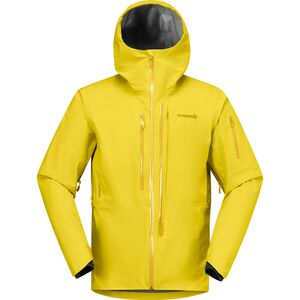
- Fabric: 3L GORE-TEX Pro, 40D–200D recycled face fabrics
- Breathability: High breathability (RET ~6) with X-open underarm vents
- Fit & Build: Semi-fitted, hip-length, reinforced abrasion zones
- Features: Storm hood with one-hand adjust, zip-off powder skirt
The Norrona Lofoten is designed for serious freeride and alpine skiing where ruggedness and breathability are essential. Built on a 3-layer GORE-TEX Pro platform with mixed denier recycled face fabrics, it resists abrasion while keeping the overall footprint lower. The jacket’s exceptional venting and X-open underarm system make it ideal for long skin-ups or hard spring laps when heat dump matters.
Fit choices lean semi-fitted to balance mobility and layering capacity; asymmetric cuffs, integrated hand gaiters, and a storm hood that fits over helmets add real-world protection. The zip-off powder skirt with snap-seal keeps deep-snow days manageable. If you want a pro-level shell that can take abuse in mixed alpine conditions, the Lofoten is a top contender.
Pros
- Highly durable GORE-TEX Pro construction
- Excellent venting for strenuous tours
Cons
- Can be stiffer and heavier than casual shells
- Premium price for pro-grade materials
View Men’s at Backcountry View Women’s at Backcountry
How to Choose Gore-Tex Ski Jackets?

Choosing a Gore-Tex ski jacket is an investment in comfort, safety, and performance on the mountain. Gore-Tex is a trusted waterproof-breathable membrane used widely in winter outerwear, but not every Gore-Tex jacket is the same. This guide explains the key factors to consider—membrane type, layering, insulation, fit, features, and care—so you can pick a jacket that keeps you dry, warm, and mobile from first chair to last run.
Understand What Gore-Tex Means
Gore-Tex is a membrane that blocks liquid water while allowing water vapour (sweat) to escape. It’s laminated to face fabrics and sometimes combined with protective outer layers. There are different Gore-Tex technologies—Paclite, Gore-Tex, Gore-Tex Pro, and Gore-Tex Infinium (which is not fully waterproof). Make sure the jacket uses a waterproof Gore-Tex product rather than a windproof-only Infinium piece if your priority is staying dry in heavy snow or wet conditions.
Types of Gore-Tex laminates
- Gore-Tex Paclite — lightweight, packable, good for layering but generally less durable for everyday harsh use.
- Gore-Tex — balanced waterproofing and durability for recreational skiers.
- Gore-Tex Pro — higher durability and breathability aimed at professional or hardcore users and guides.
Waterproofing vs Breathability
Waterproof ratings are often given in millimetres for fabrics, but Gore-Tex performance relies on both membrane quality and garment construction (taped seams, waterproof zippers, storm flaps). Breathability is measured in grams (MVTR), though numbers are helpful only for comparing similar fabrics. For skiing, prioritize a jacket that balances high waterproofing with good breathability—especially if you hike, skin, or exert yourself.
Construction matters more than numbers
Taped seams, a durable face fabric, and reliable waterproof zippers matter as much as the membrane. A midweight Gore-Tex jacket with fully taped seams will keep you drier than a high-rated fabric with poor seam sealing.
Decide on Insulation: Hardshell vs Insulated
Gore-Tex jackets come as hardshells (no insulation), insulated shells, or hybrid designs. Your choice depends on climate, activity level, and layering preference.
When to pick a hardshell
Choose a Gore-Tex hardshell if you prefer to control warmth with base and mid layers, if you expect to ski hard (higher breathability), or if you need a durable outer layer for variable conditions. Hardshells are versatile and better for wet, heavy snow and backcountry use.
When an insulated jacket is right
Insulated Gore-Tex jackets suit cold resort days or casual skiers who want the convenience of a single warm shell. Check the insulation type—synthetic insulation performs better when wet than down, and paired with Gore-Tex shell it can be very reliable in damp snow.
Fit and Mobility
A ski jacket must allow freedom of movement for turns, pole plants, and layering. Try jackets over the midlayer you plan to use. Key fit points: shoulder articulation, sleeve length (gloves should meet cuffs easily), torso length (enough to overlap a pack or harness), and hood fit (helmet-compatible?). A slightly roomy cut helps layering, while a trim fit reduces bulk and wind resistance.
Helmet-compatible hood and adjustable cuffs
Ensure the hood fits over your helmet and has adjustment points to seal out wind. Velcro or cinch cuffs and a drawcord at the hem improve weather protection and seal warmth.
Essential Ski-Specific Features
Not all Gore-Tex jackets are made for skiing. Look for these ski-specific features:
- Powder skirt to keep snow out during falls and deep powder.
- Helmet-compatible, adjustable hood that locks into place.
- Vented pit zips or underarm zips for on-the-fly ventilation.
- Media and lift-pass pockets positioned for convenience with gloves on.
- Loop or zippered internal pockets for goggles and valuables.
- Elastic gaiters or cuff crimps to keep drafts and snow away from wrists.
Durability and Face Fabric
Durability depends on the face fabric denier and coatings. Heavier face fabrics resist abrasion from skis, belts, and backpacks. If you ride lifts, carry a pack, or ski in rocky terrain, lean toward a jacket with reinforced shoulders and high-denier panels. Gore-Tex Pro options are typically aimed at those who need long-lasting durability without sacrificing breathability.
Pocket Layout and Practical Details
Pockets matter more than you think. A dedicated goggle pocket with soft lining, a fleece-lined hand pocket, and an internal media pocket with cable routing make life on the mountain easier. Check pocket accessibility when wearing a harness or backpack waist belt. Zippers should be easy to operate with gloves.
Maintenance, Warranty, and Repairs
Gore-Tex garments require proper care to maintain waterproofness. Follow manufacturer washing and reproofing instructions—usually gentle wash, tumble dry low or use a warm iron to reactivate DWR (durable water repellent). Look for brands with good repair programs and a reasonable warranty. Many premium manufacturers offer repairs and parts which extend the life of a Gore-Tex jacket and justify higher upfront cost.
Price and Value
Gore-Tex jackets range from mid-priced to premium. Consider how often you ski, the conditions you encounter, and whether you will use the jacket for other outdoor activities. Spending more on a high-quality Gore-Tex Pro shell can be cost-effective if you want durability, better performance, and longer lifespan. If you ski only occasionally, look for last season’s models for discounts—Gore-Tex technology remains reliable year to year.
Where to Buy and Try On
Buy from a store that allows testing fit with layers and returns for size swaps. If purchasing online, check detailed size charts and the retailer’s return policy. Read user reviews focused on fit, breathability in real-world use, and how well taped seams and zippers hold up after a season.
Final Checklist Before You Buy
- Confirm the jacket uses a waterproof Gore-Tex membrane (not just windproof Infinium).
- Decide hardshell or insulated based on your layering preference and climate.
- Check seam sealing, waterproof zippers, and DWR finish quality.
- Try it on with layers and, if relevant, your helmet and backpack.
- Inspect pocket placement, powder skirt, vents, and hood compatibility with a helmet.
- Review the brand’s repair policy and warranty.
Choosing the right Gore-Tex ski jacket is a balance between protection, breathability, mobility, and durability. Match the jacket to your activity—resort cruising, cold-weather laps, or backcountry touring—and you’ll have an outer layer that performs, season after season. Invest time in trying on options and evaluating features; a well-chosen Gore-Tex jacket keeps you comfortable so you can focus on the mountain.