Best Gore-Tex Ski Pants of 2025
When skiing in cold, wet, or windy conditions, having the right gear can make all the difference. Gore-Tex ski pants are a top choice for skiers who want to stay dry, warm, and comfortable all day long. Known for their excellent waterproofing and breathability, these pants keep moisture out while letting sweat escape. Whether you’re carving down groomed runs or exploring off-piste terrain, the best Gore-Tex ski pants offer reliable protection, durability, and flexibility to handle any mountain adventure.
1. Arc’teryx Sabre – Men’s

- Waterproofing: 3-layer GORE-TEX ePE Gen 2 membrane
- Fabric: 80-denier recycled nylon with a soft GORE C-KNIT™ backer
- Key Features: Embedded RECCO® reflector, WaterTight™ thigh vents, integrated belt
- Weight: 1 lb. 5 oz.
The Arc’teryx Sabre pant is a legendary piece of equipment for serious backcountry skiers and freeriders who demand uncompromising performance. Built to withstand the harshest alpine conditions, its construction centers on a new, more sustainable 3-layer GORE-TEX ePE fabric. This material provides the complete waterproof and windproof protection you expect, shutting out deep powder and biting winds, while remaining highly breathable for comfort on strenuous ascents. The 80-denier face fabric strikes an excellent balance between bombproof durability and manageable weight. The soft GORE C-KNIT™ backer technology adds next-to-skin comfort.
Arc’teryx’s meticulous design is evident in every feature. The articulated patterning provides exceptional freedom of movement, crucial for technical descents and kick-turns on the skin track. When you start to overheat, large WaterTight™ thigh vents dump heat quickly, and the integrated belt allows for a secure, customized fit without the bulk of a separate accessory. For safety, an embedded RECCO® reflector can aid search and rescue teams in an emergency. Durability is further enhanced with 100-denier CORDURA® PowderCuffs™ to seal out snow and super-tough Keprotec™ instep patches to prevent damage from ski edges and crampons. Two zippered thigh pockets provide secure, accessible storage for essentials, rounding out a pant that’s truly built for adventure.
Pros
- Top-tier weather protection and breathability
- Excellent durability without excessive weight
- Articulated fit allows for total mobility
- Updated with more sustainable, PFAS-free materials
Cons
- Premium price point
- Shell design requires separate insulation layers
2. Arc’teryx Sentinel – Women’s

- Waterproofing: 3-layer GORE-TEX ePE Gen 2 membrane
- Fabric: 80-denier recycled nylon with a light flannel backer
- Key Features: Slide ‘n Loc™ jacket attachment, thigh vents, RECCO® reflector
- Weight: 1 lb. 2 oz.
The Arc’teryx Sentinel pant is a versatile workhorse designed for women who split their time between storm days at the resort and earning their turns in the backcountry. It leverages the latest in sustainable waterproofing with a durable, PFAS-free GORE-TEX ePE fabric that delivers reliable protection from wind and snow. What sets the Sentinel apart is its lightly insulated design. A soft flannel backer provides a touch of warmth and comfort. This thoughtful construction means you can often get away with a lighter base layer, reducing bulk while staying comfortable across a wide range of temperatures and activity levels.
Functionality is at the core of the Sentinel’s design. The regular fit and articulated patterning ensure you have full mobility for dynamic movements, while thigh vents offer quick and effective temperature regulation. Practical features abound, including two spacious thigh pockets, one of which contains a phone sleeve and key loop for secure organization. For deep powder days, the ultra-durable 100-denier CORDURA® PowderCuffs™ and Slide ‘n Loc™ attachments, which connect the pants to compatible jackets, create a seamless barrier against snow. Reinforced Keprotec™ insteps protect the pants from ski edges, and a built-in RECCO® reflector adds a crucial layer of safety for out-of-bounds adventures. It’s a complete package of protection, comfort, and intelligent features.
Pros
- Light flannel backer provides warmth without bulk
- Excellent weatherproofing with sustainable materials
- Thoughtful features like phone sleeve and jacket integration
- Versatile for both resort and backcountry use
Cons
- High-end price tag
- Light insulation may be too warm for spring touring for some users
3. REI Co-op First Chair GTX

- Waterproofing: 2-layer GORE-TEX ePE waterproof/breathable laminate
- Style: Bib with adjustable straps and stretch back panel
- Key Features: Outer thigh vents that double as a droptail, strategic tricot lining
- Weight: 1 lb. 12.9 oz.
For skiers and snowboarders seeking maximum protection and features without the premium price tag, the REI Co-op First Chair GTX bibs are an outstanding choice. These bibs are built to keep you dry and comfortable all day long, from the first chairlift to the last run. They feature a tough, 2-layer GORE-TEX ePE shell with fully taped seams. The materials are also eco-conscious, utilizing a recycled polyester shell, bluesign-approved fabrics, and a PFAS-free membrane and DWR finish. The mid-height bib design offers superior coverage compared to pants/
REI’s design focuses on rider comfort and practicality. A fuzzy tricot lining is placed in the seat and upper legs for a touch of warmth where you need it most, while the lower legs have a smooth taffeta lining that glides easily over layers. The fit is dialed for mobility, with articulated knees, a gusseted crotch, and a stretchy knit back panel that moves with you. The feature set is incredibly well-thought-out. Two-way outer thigh vents allow for ample airflow, and their design cleverly doubles as a droptail adjustment. Multiple thigh pockets offer plenty of storage, and durable scuff guards protect the hems from wear and tear.
Pros
- Excellent value for GORE-TEX performance
- Bib design provides superior snow protection
- Smart features like droptail vents and strategic lining
- Made with recycled and bluesign-approved materials
Cons
- Heavier and bulkier than non-bib pants
- 2-layer construction can be less breathable than 3-layer options during high exertion
View Men’s at REI View Women’s at REI
4. Patagonia Storm Shift – Men’s

- Waterproofing: 2-layer GORE-TEX membrane (100% PFC-free)
- Fabric: 150-denier, 100% recycled polyester
- Key Features: RECCO® reflector, slick mesh lining, Fair Trade Certified™ sewn
- Weight: 1 lb. 10.2 oz.
The Patagonia Storm Shift pants are engineered for riders who value durability and sustainability as much as they do performance. These pants are a fortress against the elements, featuring a 2-layer GORE-TEX fabric that is completely waterproof, windproof, and notably, 100% free of perfluorinated chemicals (PFCs) from the membrane to the DWR finish. The shell is made from an exceptionally tough 150-denier recycled polyester. This focus on durability doesn’t come at the expense of comfort. Inside, a slick mesh lining provides a bit of warmth, wicks moisture away to keep you dry from the inside out, and helps the pants slide smoothly over your base layers.
Patagonia’s commitment to thoughtful design is clear in the details. The waist features a soft, moisture-wicking tricot lining and adjustable tabs for a perfect fit. When the intensity picks up, mesh-lined thigh vents can be opened to quickly release excess heat. The pants include four zippered pockets for secure storage of your essentials, all sealed with watertight zippers. For added safety in the backcountry, there is a concealed RECCO® reflector. A webbing loop on the rear yoke allows you to securely connect the pants to the powder skirt on any Patagonia snow jacket, creating a solid defense against snow. As a Fair Trade Certified™ sewn product, purchasing the Storm Shift also supports the people who made it.
Pros
- Exceptional durability with 150-denier fabric
- Strong commitment to sustainability (recycled, PFC-free, Fair Trade)
- Comfortable and moisture-wicking mesh lining
- Reliable GORE-TEX waterproof protection
Cons
- Heavier than many shell pants
- 2-layer construction is not as breathable as premium 3-layer fabrics
5. Norrona Lofoten GORE-TEX Pro
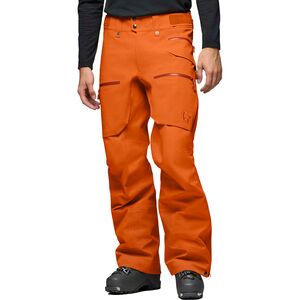
- Waterproofing: 3-layer GORE-TEX Pro Most Breathable
- Fabric: 200-denier recycled nylon face fabric
- Key Features: ¾-length two-way side zips for venting, articulated fit, high back
- Weight: 1 lb. 14.33 oz.
The Norrona Lofoten GORE-TEX Pro pants are an iconic piece of freeride apparel, engineered for those who venture into the most challenging terrain and demand the absolute highest level of performance. These pants are built around a bombproof 3-layer GORE-TEX Pro membrane, which provides uncompromising waterproofing and windproofing along with class-leading breathability. The face fabric is an incredibly tough 200-denier recycled nylon, ready to withstand abrasion from rock, ice, and equipment. This is the pant you choose for big-mountain lines, deep backcountry tours, and stormy resort days when failure is not an option. The Lofoten’s design philosophy is rooted in providing maximum protection and functionality without restriction.
What truly sets the Lofoten apart is its incredible ventilation system. Massive ¾-length two-way zippers run along the thighs. The ergonomic, articulated fit is engineered for dynamic movement, so the pants never feel restrictive whether you’re setting a skin track or charging a steep couloir. The high back waistband offers extra protection from snow, while compatibility with snap-in powder skirts creates an impenetrable seal against the elements. Reinforced cuffs, boot gaiters, and multiple strategically placed pockets round out a feature set that has been refined over generations. The Lofoten is a serious tool for serious mountain athletes who need gear that can keep up.
Pros
- Market-leading GORE-TEX Pro waterproofing and breathability
- Extremely durable 200-denier construction
- Exceptional ventilation with ¾-length side zips
- Ergonomic fit allows for complete freedom of movement
Cons
- Very high price point
- The heaviest and most robust pant on this list, may be overkill for casual use
- Relaxed freeride fit is not for everyone
View Men’s at Backcountry View Women’s at Backcountry
How to Choose Gore-Tex Ski Pants
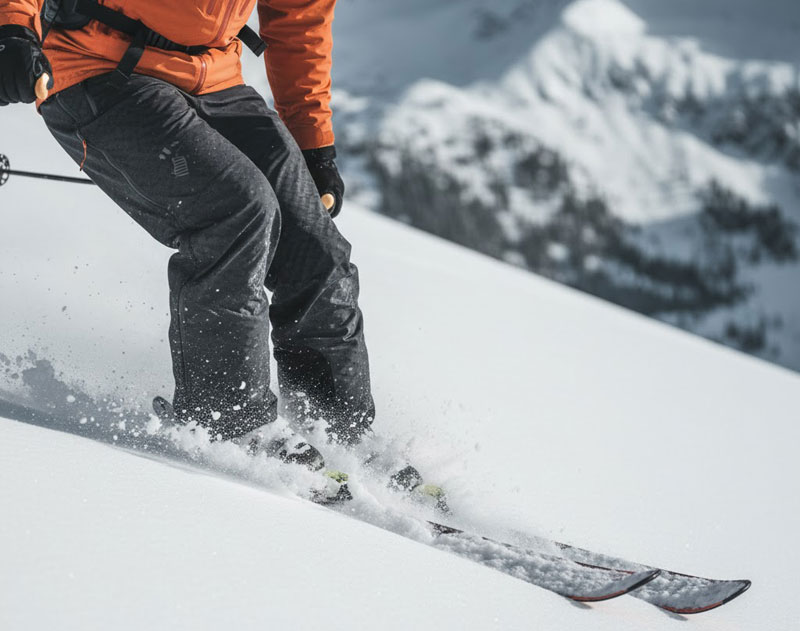
Choosing the right pair of Gore-Tex ski pants is one of the most important decisions a skier can make. The right pants keep you dry, warm, mobile, and confident on the hill. Gore-Tex is a trusted waterproof, breathable membrane used in many high-performance outerwear garments, but not all Gore-Tex pants are created equal. This guide walks you through the key factors to consider—fit, Gore-Tex variant, insulation, seam construction, features, and intended use—so you end up with a pair that matches your skiing style, climate, and budget.
Understand Gore-Tex technologies and variants
“Gore-Tex” is a family of membranes and laminates. Over time, Gore has developed different versions for specific uses: Gore-Tex Pro (durable and highly breathable for alpine use), Gore-Tex Active (lightweight and highly breathable for intense activity), and standard Gore-Tex with various face-fabric weights for general use. When choosing ski pants, match the Gore-Tex variant to your typical activity level and conditions.
Gore-Tex Pro
Gore-Tex Pro is built for durability and long days in harsh conditions. If you ski frequently in backcountry, on glaciers, or in rough, abrasive environments (rocky skin tracks, tree wells), Pro’s tougher face fabrics and long-lasting performance are worth the extra cost.
Gore-Tex Active and other lighter laminates
Gore-Tex Active and lighter Gore-Tex constructions are ideal for skiers who prioritize mobility and breathability—those who climb, race, or push hard on groomers. These fabrics sacrifice some abrasion resistance for weight savings and ventilation.
Decide on insulation vs. shell
Ski pants come as insulated or shell (non-insulated) garments. The choice depends on climate, layering preferences, and activity level. Shells give you maximum layering flexibility: add mid layers on cold days and go lighter on warm ones. Insulated pants simplify dressing in cold, dry climates but can overheat during aerobic backcountry climbs.
- Shell pants: Best for variable conditions and layering systems, preferred for backcountry and mountaineering.
- Insulated pants: Great for resort skiing, cold stable climates, or users who want a single, warm option without fiddling with layers.
Fit and mobility matter
Fit is critical for comfort and performance. Ski pants should allow full range of motion for skiing and, if relevant, for climbing and bootpacking. Look for articulated knees, gusseted crotch, and a cut that accommodates your base and mid layers without feeling tight. Pay attention to waist adjustment systems—integrated belts or Velcro tabs help fine-tune fit while wearing gloves.
Length and boot compatibility
Make sure pant length matches your boot height. Pants that are too short will let snow in; pants that are too long will snag and wear at the cuffs. Many brands offer hem adjustability or reinforced inner cuffs to resist crampon or ski edge abrasion.
Waterproofing, seam construction, and durability
Gore-Tex provides the membrane, but the pants’ overall waterproof performance depends on construction details like taped seams, zipper quality, and face fabric. Fully taped seams and waterproof zippers are essential for heavy, prolonged wet conditions. Look for reinforced areas—inner cuffs, hem guards, and scuff patches—if you expect heavy use.
- Taped seams: Full seam taping is preferable for real waterproofing.
- Waterproof zippers: Essential on pockets and leg vents to prevent infiltration.
- Reinforcements: Kevlar or Cordura panels on the hems and inner ankles extend life.
Breathability and ventilation
Breathability is what separates good ski pants from great ones, especially for active skiing. Gore-Tex breathability ratings vary by laminate and face fabric. Venting options—long thigh or full-length side zippers—allow you to dump heat quickly during climbs or booting. If you regularly exert yourself, prioritize breathability and generous venting.
Pitfalls of low breathability
Pants with poor breathability trap moisture inside, which leads to wet layers and cold once you stop moving. For touring, splitboarding, or aggressive skiing, this can be a serious comfort and safety issue.
Features to look for
Consider the practical features that match your skiing style:
- Gaiters: Integrated gaiters with grippers keep snow out of boots.
- Pockets: Cargo pockets for avalanche tools, maps, or a phone are useful; waterproof pockets protect electronics.
- Adjustability: Leg hem zippers and waist adjustments help compatibility with different boots and layers.
- Reinforced cuffs and hem guards: Essential if you’re using crampons or often brushing ski edges.
- Suspender loops or built-in suspenders: Useful if you prefer pants to stay put on steep climbs.
Weight and packability
Weight matters for touring and long approaches. Heavier, more durable pants may last longer but increase pack weight. If you plan to carry your pants in a pack for variable weather, choose a trim, packable Gore-Tex option with good compression characteristics.
Color, visibility, and style
Color is more than style. Bright colors increase visibility in low light or avalanche rescue scenarios. Darker shades hide dirt and aren’t always a problem at resorts. Reflective details add safety for low-light approaches or early-morning starts.
Price and warranty considerations
Gore-Tex pants range from mid-price to premium. Higher cost usually correlates with tougher face fabrics, better construction, and more advanced Gore-Tex laminates. Evaluate warranties and repair services—many brands offer excellent repair programs. Investing in higher quality can pay off if you ski often or in challenging terrain.
Try before you buy (or check return policies)
Whenever possible, try pants with the layers and boots you’ll actually use. Move, squat, simulate skiing stances, and test zippers and vents with gloves on. If buying online, verify the return policy and size charts carefully. Size and fit often vary between brands, so read reviews and, if available, user feedback on sizing.
Care and maintenance
Gore-Tex garments perform best when clean and treated properly. Machine wash according to manufacturer instructions, use recommended detergents, and occasionally apply DWR (durable water repellent) reproofing to the face fabric. Keeping zippers and seams in good repair prolongs waterproof performance; small repairs early will prevent larger issues later.
Matching pants to your use case—quick recommendations
- Resort skier (all-mountain): Insulated or shell with moderate durability, good venting, and waterproof zippers.
- Backcountry/touring: Lightweight Gore-Tex Active or shell with excellent breathability, long vents, and reinforced cuffs.
- Freeride/heliski: Gore-Tex Pro or similarly durable construction, full taped seams, and heavy reinforcements.
- Beginner/casual: Standard Gore-Tex shell or insulated pants with easy adjustments and comfortable fit.
Choosing Gore-Tex ski pants is about matching the right material, features, and fit to your skiing habits. Focus on the appropriate Gore-Tex variant for your activity level, prioritize fit and breathability, check construction details like taped seams and reinforcements, and don’t skimp on practical features like gaiters and vents. With the right pair, you’ll stay dry, comfortable, and focused on the run—not on the weather.
Finally, remember that no jacket or pant is perfect for every condition. Build a layering system around your Gore-Tex shell or insulated pant so you can adapt to changing weather, different outings, and the many moods of the mountain.