Best Hardshell Ski Jackets of 2025
A good hardshell ski jacket can make all the difference on the mountain. These jackets are built to handle wind, snow, and freezing temperatures, keeping you dry and protected all day long. Unlike softshells, hardshells use tough, waterproof materials that block out the elements while letting moisture escape. Whether you’re carving down groomed slopes or exploring off-piste terrain, the right hardshell jacket keeps you warm, dry, and comfortable. In this guide, we’ll highlight the best hardshell ski jackets for performance, comfort, and value.
1. Armada Salisbury 2L Anorak
- Material: 2L Nylon Ripstop with DWR
- Waterproof Rating: 10,000 mm
- Breathability: 10,000 g
- Seam Sealing: Critically Taped
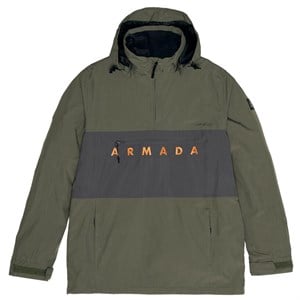
The Armada Salisbury 2L Anorak combines vintage pullover styling with modern mountain performance. Its durable 2-layer nylon ripstop shell keeps you protected, while the articulated sleeves ensure better mobility when skiing or snowboarding. The right side zip entry makes it easy to pull on or off, and the spacious kangaroo pocket adds both function and retro flair. The taffeta lining enhances comfort, and bluesign® approval guarantees eco-friendly construction.
Performance-wise, this jacket strikes a balance between protection and freedom. The 10K waterproofing and breathability ratings keep you dry in moderate snow, and adjustable cuffs, hem, and hood ensure a customizable fit. Small touches like the microfleece chin guard, Lycra wrist gaiters, and 4-way stretch powder skirt show Armada’s attention to detail. Whether cruising the park or exploring powder stashes, the Salisbury 2L Anorak is built for good times.
- Pros: Stylish retro design, comfortable articulated fit, eco-friendly fabric, functional storage
- Cons: Moderate waterproofing, pullover design not for everyone
See the Armada Salisbury 2L Anorak
2. Arc’teryx Beta SL – Women’s
- Material: 3L GORE-TEX ePE with C-KNIT™ Backer
- Waterproof Rating: 28,000 mm
- Breathability: 20,000 g
- Seam Sealing: Fully Taped
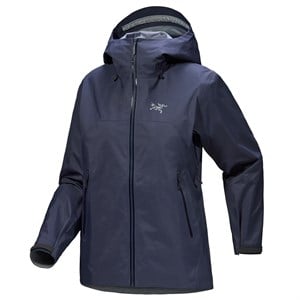
The Arc’teryx Beta SL is built for women who need serious protection in unpredictable mountain conditions. The lightweight yet durable GORE-TEX ePE membrane keeps you dry and comfortable while maintaining eco-conscious design with PFC-free materials. Its fitted silhouette moves with the body, making it perfect for alpine adventures where flexibility matters. The helmet-compatible StormHood™ offers full protection without obstructing your view, while pit zips help you cool down during intense activity.
This jacket excels in both weather protection and packability. The Beta SL’s thoughtful touches, like the RECCO® reflector and internal chest pocket, make it practical for backcountry exploration. Articulated patterning enhances freedom of movement, and WaterTight™ zippers ensure water stays out. Lightweight, versatile, and responsibly made, the Beta SL stands as a dependable choice for harsh conditions without adding bulk.
- Pros: Excellent waterproofing, eco-friendly materials, lightweight packable design, precise fit
- Cons: No powder skirt, premium price
See the Arc’teryx Beta SL – Women’s
3. 686 GORE-TEX GT
- Material: 2L GORE-TEX Nylon Fabric
- Waterproof Rating: 28,000 mm
- Breathability: 20,000 g
- Seam Sealing: Fully Taped
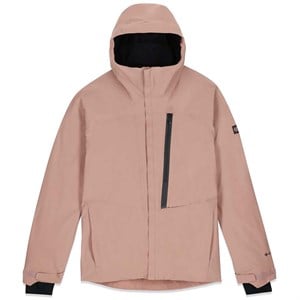
The 686 GORE-TEX GT Jacket brings lightweight reliability to any mountain adventure. Built from bluesign® approved GORE-TEX 2-layer fabric, it offers dependable waterproofing and wind resistance for all conditions. The Merino wool blend collar adds softness where you need it most, and the Air-Flo™ underarm vents help regulate body temperature when you’re working hard. It’s a versatile shell that works well for layering, making it ideal for both midwinter storms and spring slush laps.
Functionality shines with the GT’s abundant pocket options, including internal goggle and phone heater pockets. The Hood Link system allows the jacket to be neatly packed away, perfect for travel or backcountry tours. Adjustable cuffs, a helmet-compatible hood, and GORE-TEX seam taping round out this performance-driven shell. Rugged yet minimal, the 686 GORE-TEX GT is built to perform wherever your winter takes you.
- Pros: Excellent weatherproofing, great venting, packable design, versatile layering potential
- Cons: Slightly heavier than ultralight shells, simple styling
4. Helly Hansen Juniper 3.0
- Material: 2-Way Stretch Polyester Mélange
- Waterproof Rating: 20,000 mm
- Breathability: 20,000 g
- Seam Sealing: Fully Taped
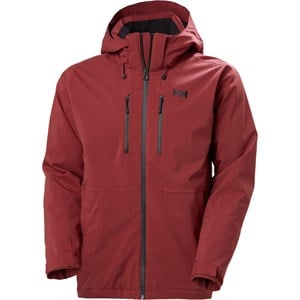
The Helly Hansen Juniper 3.0 is built for skiers who want all-season comfort and weather protection. Using HELLY TECH® Professional fabric, this jacket keeps you dry even in the harshest alpine storms. The H²Flow™ system provides temperature regulation by storing heat and releasing it through ventilation zips when things warm up. With a detachable helmet-compatible hood and articulated sleeves, it’s designed for total mobility and performance in any terrain.
Practicality meets comfort in the Juniper 3.0. The Life Pocket™ extends your phone’s battery life in freezing temperatures, while multiple internal and external pockets give you plenty of storage for gear. Fully seam-sealed construction ensures no moisture sneaks in. Stylish, durable, and technical, the Juniper 3.0 is a reliable shell for skiers who refuse to compromise between warmth and weather protection.
- Pros: Excellent waterproofing, temperature regulation system, durable build, detachable hood
- Cons: Slightly bulky for mild days, higher price range
See the Helly Hansen Juniper 3.0
5. Arc’teryx Beta AR
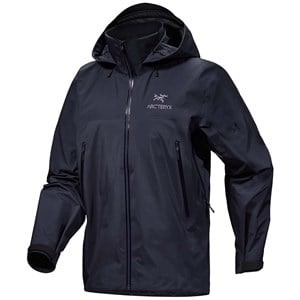
- Material: 3L GORE-TEX Pro
- Waterproof Rating: 28,000 mm
- Breathability: 20,000 g
- Seam Sealing: Fully Taped
The Arc’teryx Beta AR is a benchmark for alpine versatility. Made with rugged GORE-TEX Pro fabric, it provides outstanding waterproof and windproof protection while staying breathable during high-output activities. Reinforced with N80d panels in high-wear areas, it’s ready for everything from backcountry ski tours to wet mountain climbs. The regular fit offers room for layering without restricting movement, and the DropHood™ design ensures full helmet compatibility.
Every feature of the Beta AR feels intentional. The WaterTight™ zippers, pit vents, and Cohaesive™ hood adjusters make it easy to fine-tune comfort in any condition. With thoughtful detailing and Fair Trade Certified production, this shell blends durability, performance, and responsible craftsmanship. Whether facing heavy snow or driving rain, the Beta AR delivers confidence and comfort season after season.
- Pros: Exceptional durability, premium weatherproofing, great ventilation, versatile design
- Cons: Expensive, lacks powder skirt
6. 686 GORE-TEX Fragment Shell Anorak
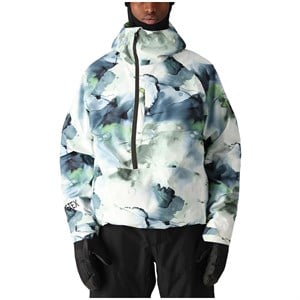
- Material: 2L GORE-TEX Polyester
- Waterproof Rating: 28,000 mm
- Breathability: 20,000 g
- Seam Sealing: Fully Taped
The 686 GORE-TEX Fragment Shell Anorak blends streetwear style with serious technical performance. Built from GORE-TEX 2-layer fabric with a PFC-free DWR coating, it offers premium protection against wind and moisture. The pullover design keeps things sleek and functional, while the Air-Flo™ underarm vents provide quick heat release. Its helmet-compatible hood and adjustable cuffs give you a customizable fit in changing weather conditions.
Functionality shines with thoughtful features like the Hood Link system, which lets you pack the anorak neatly for travel. With multiple pockets, a powder skirt, and tangle-free headphone loops, it’s built for both comfort and convenience. Lightweight yet tough, the Fragment Anorak is perfect for riders who want dependable GORE-TEX performance in a modern silhouette.
- Pros: Great waterproofing, stylish pullover look, versatile venting, packable design
- Cons: Pullover entry not ideal for all users, minimal insulation
See the 686 GORE-TEX Fragment Shell Anorak
7. Helly Hansen Elevation Infinity 3.0
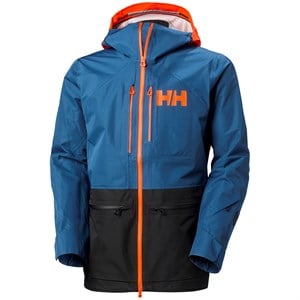
- Material: 3L Polypropylene with LIFA® Infinity Pro™
- Waterproofing: Everlasting DWR-free Technology
- Fit: Relaxed
- Seam Sealing: Fully Taped
The Helly Hansen Elevation Infinity 3.0 sets a new standard for sustainable high-performance shells. Using LIFA® Infinity Pro™ technology, it achieves lasting waterproof protection without chemical treatment. Its 3-layer construction delivers premium durability and breathability, while articulated sleeves and a dropped back hem add comfort for active skiers. The relaxed fit allows layering without restricting movement, ideal for demanding freeride conditions.
This jacket excels in both functionality and innovation. The Life Pocket+™ helps preserve your phone’s battery life, and the lack of shoulder seams improves comfort under a backpack. With multiple YKK®-zippered pockets and mechanical ventilation zippers, it’s ready for anything from deep powder to long backcountry days. The Elevation Infinity 3.0 proves that high-end performance and sustainability can go hand in hand.
- Pros: Chemical-free waterproofing, superior breathability, sustainable design, high visibility hood
- Cons: Relaxed fit may feel loose for some, premium cost
See the Helly Hansen Elevation Infinity 3.0
8. Arc’teryx Alpha SV
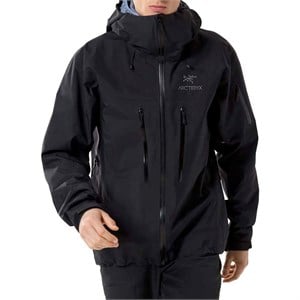
- Material: Recycled N100d-X 3L GORE-TEX Pro 2.0
- Waterproof Rating: 28,000 mm
- Breathability: 25,000 g
- Seam Sealing: Fully Taped
The Arc’teryx Alpha SV remains the gold standard for extreme alpine conditions. Its GORE-TEX Pro 2.0 fabric with recycled face material delivers unparalleled durability and stormproofing while reducing environmental impact. The helmet-compatible StormHood™ ensures full visibility and protection, while WaterTight™ pit zips allow fast ventilation during high-output climbs. Every element of this jacket is engineered for reliability and longevity in the harshest mountain environments.
Designed with improved lamination for easier repair and longer lifespan, the Alpha SV is a testament to Arc’teryx’s precision craftsmanship. Thoughtful details like TPU zipper pulls, RECCO® reflector, and Cohaesive™ hood adjustments enhance usability in tough conditions. For mountaineers and serious backcountry explorers, the Alpha SV offers unbeatable protection without compromise.
- Pros: Extremely durable, superior weatherproofing, sustainable materials, designed for repairability
- Cons: Expensive, overkill for mild resort use
How to Choose Hardshell Ski Jackets
When it comes to skiing in extreme weather conditions, a hardshell ski jacket is your first line of defense against snow, wind, and moisture. These jackets are built for performance, designed to keep you dry while maintaining breathability during high-intensity activity. However, with so many features and materials to choose from, finding the right one can feel overwhelming. This guide will help you understand what to look for in a hardshell ski jacket so you can make the best choice for your needs on the slopes.
Understanding What a Hardshell Jacket Is
A hardshell jacket is a waterproof and windproof outer layer designed for protection in harsh weather conditions. Unlike softshell jackets, which prioritize flexibility and comfort, hardshells emphasize durability and weather resistance. They are made with laminated fabrics that use waterproof membranes such as Gore-Tex, eVent, or Dermizax, creating a barrier that keeps moisture out while allowing sweat to escape. These jackets are essential for skiers who spend long hours in unpredictable mountain weather.
Key Features to Look For
Waterproofing
One of the most critical aspects of a hardshell ski jacket is its waterproof rating. Look for jackets that offer at least a 20,000 mm waterproof rating for optimal protection against heavy snowfall and wet conditions. Premium options use Gore-Tex Pro or similar membranes, which provide excellent waterproofing while maintaining high breathability. Additionally, ensure the jacket has fully taped seams to prevent water from seeping through stitching lines.
Breathability
While waterproofing keeps external moisture out, breathability ensures internal moisture from sweat can escape. If your jacket isn’t breathable, you’ll quickly overheat and become damp from the inside. Breathability ratings are measured in grams (g/m²/24h), with 20,000 g or higher considered excellent. Look for ventilation zips under the arms, mesh-lined pockets, or adjustable vents that help regulate body temperature during intense skiing sessions.
Fabric Durability
Durability is another essential factor when choosing a hardshell. Most jackets use nylon or polyester shells with reinforced weaves for added toughness. High-denier fabrics (like 70D or above) offer more resistance to abrasions and tears, making them ideal for backcountry or off-piste skiing. Some premium jackets include reinforced shoulders and elbows to withstand wear from backpack straps and rough terrain.
Fit and Mobility
Fit is crucial in ensuring both comfort and performance. A good hardshell ski jacket should have a slightly tailored shape to reduce bulk without restricting movement. Articulated sleeves, gusseted underarms, and stretch panels improve mobility, especially when layering underneath. Try the jacket with your ski layers on to ensure it fits comfortably without feeling tight or restrictive.
Technical Elements and Design Features
Hood Design
A high-quality hardshell jacket should have a helmet-compatible hood with multiple adjustment points. This allows you to tighten or loosen the hood depending on conditions without affecting visibility. Look for hoods with stiffened brims for added protection against wind and snow, and make sure they move with your head rather than obstructing your vision.
Pockets and Storage
Pockets can make a big difference in how practical your jacket is on the slopes. Look for waterproof zippers and strategically placed pockets that are accessible even when wearing a backpack or harness. A good hardshell will typically include chest pockets, an internal media pocket, and a sleeve pocket for ski passes. Some models also have large mesh pockets for goggles or gloves.
Ventilation Options
Even with breathable materials, active skiers can build up heat quickly. Pit zips (underarm vents) are one of the most effective ways to cool down without removing your jacket. Some jackets also include side vents or mesh-backed chest zips for added airflow. Ensure these zippers are easy to access and can be opened with gloves on.
Powder Skirt and Cuffs
To keep snow out, look for a jacket with an adjustable powder skirt and wrist gaiters. The powder skirt seals around your waist to prevent snow from entering when you fall or ski in deep powder. Adjustable cuffs allow you to tighten them over gloves, further sealing out the elements. Some premium models feature removable powder skirts, which add versatility for all-season use.
Layering Compatibility
A hardshell ski jacket is not insulated, meaning it’s designed to be worn over mid-layers and base layers. This gives you flexibility to adapt to changing temperatures. When choosing a hardshell, make sure there’s enough room underneath for layering without feeling bulky. A good layering system typically includes a moisture-wicking base layer, an insulating mid-layer (like fleece or down), and the hardshell as the protective outer layer.
Types of Skiing and Matching Your Jacket
Resort Skiing
If you primarily ski on groomed runs at resorts, focus on comfort and waterproofing. You may not need an ultra-light jacket, but insulation and ventilation are valuable. Jackets with built-in RECCO reflectors or ski-pass pockets add convenience for resort environments.
Backcountry Skiing
For backcountry or touring skiers, weight and breathability are top priorities. Choose a lightweight hardshell with high breathability to manage sweat during uphill climbs. Features like extra ventilation and minimal bulk will make your ascents easier while still providing protection from harsh alpine conditions.
Freeride Skiing
Freeriders who venture off-piste need durable protection. Look for robust fabrics, reinforced panels, and excellent waterproofing. Jackets in this category often have longer cuts for better coverage, and additional features like avalanche safety compatibility are common.
Weather Conditions and Performance
Different jackets perform better in certain conditions. For wet climates, prioritize waterproof ratings and seam sealing. In cold but dry areas, focus on layering options and windproofing. Consider the average temperature and weather patterns where you ski most often. A jacket optimized for the Pacific Northwest’s wet snow, for example, may differ from one best suited for the dry, powdery conditions of the Rockies.
Material Technologies to Know
Modern hardshells rely on advanced materials for superior performance. Gore-Tex remains the industry standard, offering a balance of waterproofing, breathability, and durability. eVent fabric provides excellent air permeability, ideal for active skiers. Newer technologies like Futurelight or Dermizax deliver similar protection with softer, quieter fabrics. Each material has unique characteristics, so consider your priorities when comparing options.
Price vs. Performance
Hardshell ski jackets can range from under £200 to over £600, depending on materials and features. Premium models justify their price with better waterproof membranes, lighter construction, and improved durability. However, mid-range options still offer reliable performance for most recreational skiers. Think about how often you ski and in what conditions before investing in a top-tier jacket.
Final Tips Before Buying
Try It On
Always try the jacket on with your ski layers to ensure the right fit. Check mobility by raising your arms, bending forward, and adjusting the hood over a helmet. The jacket should feel snug but not restrictive.
Check Warranty and Brand Reputation
Established outdoor brands like Arc’teryx, Patagonia, The North Face, and Helly Hansen offer strong warranties and proven track records for quality. A good warranty provides peace of mind in case of defects or performance issues.
Conclusion
Choosing the right hardshell ski jacket is all about finding a balance between protection, comfort, and performance. By focusing on waterproofing, breathability, durability, and fit, you can ensure your jacket will keep you comfortable through every storm and snowfall. Whether you’re carving down resort runs or exploring backcountry peaks, the right hardshell will make all the difference in keeping you dry, warm, and focused on the thrill of skiing.