Best Knee Braces for Snowboarding of 2025
Snowboarding puts a lot of pressure on your knees, especially when landing jumps or riding on rough terrain. A good knee brace can make a big difference by providing support, reducing pain, and preventing injuries. Whether you’re recovering from an old knee issue or just want extra protection, the right brace can help you stay confident on the slopes. In this guide, we’ll look at the best knee braces for snowboarding to help you find the one that fits your needs and riding style.
1. EXOUS BODYGEAR Knee Brace

- Strap System: Patented 4-strap attachment for customized compression
- Stabilizers: Flexible MCL & LCL stabilizers for enhanced support
- Fit Range: Suitable for thighs up to 20″ and calves up to 18″
- Design: Reduced bulk behind the knee for better mobility
The EXOUS BODYGEAR Knee Brace delivers exceptional support for snowboarders needing joint stability. Its patented four-strap system distributes compression evenly around the knee, giving a secure and stable fit. The flexible stabilizers offer lateral support, mimicking a “butress” effect that helps keep your knee properly aligned even during aggressive movement on the slopes.
Unlike bulky braces, this model has thinner rear straps, reducing irritation and improving range of motion. It stays snug without frequent readjustment, even during dynamic activity. The thoughtful design makes it ideal for snowboarders seeking both stability and flexibility while carving or landing jumps.
Pros:
- Even compression and excellent stability
- Minimal bulk behind the knee
- Less need for adjustments during activity
- Comfortable fit for medium-size range
Cons:
- Not suitable for children
- Limited to medium thigh and calf sizes
See the EXOUS BODYGEAR Knee Brace
2. Modvel Compression Brace

- Material: Nylon and latex blend for lightweight durability
- Fit Range: Available in six sizes from XS to 3XL
- Design: Breathable and moisture-wicking fabric
- Function: Provides compression for pain and injury relief
The Modvel Compression Brace offers reliable support for snowboarders looking to prevent or manage knee pain. Made from a durable nylon-latex blend, it provides snug compression to reduce inflammation and support ligaments during active use. Its moisture-wicking fabric keeps your knees cool and dry even under layers of snowboard gear.
With six available sizes, it’s easy to find the perfect fit for consistent compression and comfort. It’s lightweight, non-bulky, and perfect for all-day wear on the mountain. Whether you’re recovering from an injury or simply seeking extra protection, the Modvel brace provides a balance of comfort, support, and flexibility.
Pros:
- Wide range of sizes for all users
- Excellent compression and stability
- Breathable and odor-resistant material
- Lightweight and flexible for active use
Cons:
- Not as supportive as hinged braces
- May roll slightly during intense movement
See the Modvel Compression Brace
3. NEENCA Professional Brace

- Support System: Patella gel pad with removable copper stabilizers
- Design: Open patella and back with “X-Strap” fixing system
- Material: Soft ventilated fabric with dual Velcro straps
- Use: Suitable for ACL, arthritis, meniscus, and post-surgery recovery
The NEENCA Professional Knee Brace is a medical-grade support designed for athletes and snowboarders needing reliable stabilization. Its patella gel pad surrounds the kneecap, while removable copper stabilizers provide balanced support on both sides. The X-Strap fixing system ensures a precise fit and enhanced comfort without restricting motion.
This brace’s open patella and breathable back design minimize sweat buildup, allowing long hours of comfortable wear. It’s ideal for snowboarding where knee stability and flexibility are crucial. The doctor-recommended design supports injury recovery and prevents strain during demanding descents or landings.
Pros:
- Medical-grade support with copper stabilizers
- Breathable and sweat-resistant fabric
- Highly adjustable X-Strap system
- Excellent joint stabilization
Cons:
- May feel bulky under tight snow pants
- Velcro straps can wear over time
See the NEENCA Professional Knee Brace
4. DR. BRACE ELITE Knee Brace
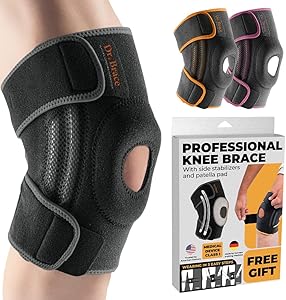
- Stabilization: Double side stabilizers with patella gel pad
- Material: Lightweight, breathable, and non-slip fabric
- Protection: 360° support with adjustable straps
- Bonus: Includes free knee strap and exercise guide
The DR. BRACE ELITE Knee Brace offers comprehensive knee protection for snowboarders tackling tough runs. It combines a patella gel pad with dual stabilizers and silicone strips to provide firm yet flexible support. The non-slip design ensures it stays in place during high-intensity activity, keeping your knee stable through every twist and turn.
Designed with comfort in mind, the breathable fabric allows all-day wear without overheating. The included knee strap and exercise guide make it great for both injury recovery and strengthening. Its versatility and adjustability make it one of the best all-around knee braces for active snowboarding use.
Pros:
- Excellent stabilization and comfort
- Non-slip design ideal for active use
- Includes a free knee strap
- Machine washable for easy care
Cons:
- Fit may vary based on leg shape
- Velcro may weaken after repeated washes
See the DR. BRACE ELITE Knee Brace
5. Bauerfeind Sports Knee Support

- Material: Lightweight 3D Airknit for breathability
- Support: Omega patellar pad for even force distribution
- Fit: Anatomical low-profile design with grip technology
- Origin: Made in Germany with premium craftsmanship
The Bauerfeind Sports Knee Support is a top-tier brace for snowboarders needing precision support without bulk. Its Omega pad cushions the kneecap and disperses force evenly, reducing strain during jumps and turns. The compression knit boosts circulation and proprioception, enhancing joint control and reducing the risk of injury.
Crafted in Germany, this brace combines durability and comfort. Its breathable Airknit material ensures moisture control and all-day wearability under snow gear. The secure, slip-free fit and anatomical design make it an excellent option for riders seeking both stability and mobility.
Pros:
- Superior compression and stability
- Comfortable, breathable Airknit fabric
- Non-slip grip ensures secure fit
- Durable and machine washable
Cons:
- Higher price point
- Fit requires careful measurement
See the Bauerfeind Sports Knee Support
6. CAMBIVO Knee Braces

- Material: 65% nylon, 20% latex, 15% spandex
- Technology: 3D knitting for stable compression
- Design: Double anti-slip silicone rings
- Comfort: 4D stretch fabric for breathability
The CAMBIVO Knee Braces are an excellent lightweight option for snowboarders seeking reliable compression and joint warmth. Using 3D knitting technology, these sleeves stabilize the knee and improve blood flow, reducing stiffness in cold mountain conditions. The balanced compression keeps knees supported during carving and landing jumps.
With its 4D stretch and double silicone grips, this brace stays in place without restricting motion. It’s ideal for those who prefer a sleeve-style brace rather than a bulkier hinged model. Comfortable, breathable, and easy to wear, it’s perfect for long snowboarding sessions in varying conditions.
Pros:
- Lightweight and breathable material
- Non-slip silicone for a secure fit
- Excellent compression and flexibility
- Great for all-day snowboarding
Cons:
- Less support than hinged braces
- May stretch slightly over time
7. Fit Geno Hinged
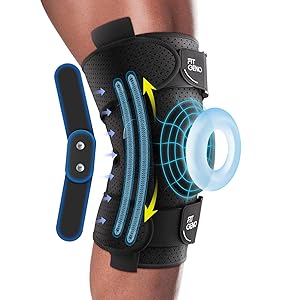
- Support: Dual aluminum hinges with side stabilizers
- Design: Open patella and back with 4 adjustable straps
- Material: Latex-free, medical-grade breathable fabric
- Feature: ReActive+ technology for pain relief and recovery
The Fit Geno Hinged Knee Brace is built for snowboarders needing heavy-duty support. With dual aluminum hinges and side stabilizers, it provides exceptional medial and lateral stability for those recovering from ligament injuries. Its open patella design helps align the kneecap, while the breathable material ensures comfort during high-intensity rides.
The brace’s four adjustable straps and anti-slip silicone strips keep it firmly in place. Ideal for advanced riders or anyone managing chronic knee pain, it delivers the stability of a medical-grade brace while maintaining full mobility. It’s a dependable choice for both injury prevention and rehabilitation.
Pros:
- Exceptional stability and protection
- Highly adjustable for secure fit
- Removable hinges for flexibility
- Durable and comfortable for long wear
Cons:
- Bulkier than compression sleeves
- Can feel warm under snow pants
8. MUELLER Sports Medicine Self Adjusting
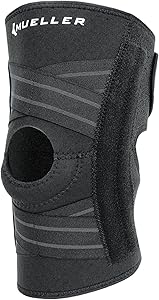
- Material: Neoprene blend for warmth and flexibility
- Fit: One-size design fits 12″-20″ knees
- Compression: Self-adjusting straps for targeted support
- Design: Suitable for both right and left knees
The MUELLER Sports Medicine Self Adjusting Knee Brace is a simple, effective option for snowboarders seeking quick stabilization. The self-adjusting straps allow you to customize compression for your comfort, providing reliable medial-lateral support. Its neoprene material helps retain warmth, ideal for cold mountain conditions.
Easy to put on and remove, this brace stays secure during active movement without slipping or bunching. It’s great for snowboarders managing minor strains or arthritis who need consistent support without heavy bulk. With decades of trust behind the Mueller brand, it’s a solid all-around performer for recreational riders.
Pros:
- Easy to adjust and wear
- Comfortable neoprene warmth
- Fits most adult sizes
- Reliable support during activity
Cons:
- Less supportive than hinged braces
- Can feel slightly warm over long sessions
See the MUELLER Sports Medicine Self Adjusting
How to Choose Knee Braces for Snowboarding
Snowboarding is an exhilarating sport that puts your body through intense physical stress, particularly your knees. The twisting motions, hard landings, and unpredictable terrain can easily strain ligaments or cause injuries. Whether you’re recovering from a knee problem or simply looking to prevent one, choosing the right knee brace can make all the difference. This guide will help you understand the types of braces available, what to look for, and how to choose the best option for your needs on the slopes.
Why Knee Braces Are Important for Snowboarding
Snowboarding involves dynamic movements that challenge your balance and stability. Your knees play a central role in controlling turns, absorbing impact, and maintaining posture. A good knee brace provides additional support to ligaments such as the ACL, MCL, and meniscus, which are prone to injury during high-impact maneuvers or falls. For those with previous knee injuries, a brace also helps prevent re-injury by stabilizing the joint and distributing pressure more evenly.
Common Knee Issues Among Snowboarders
Snowboarders often experience knee issues due to repetitive strain or sudden twists. Some common conditions include ACL or MCL sprains, meniscus tears, and general patellar instability. These problems can be prevented or managed with a well-chosen brace that offers proper compression, stabilization, and flexibility for your riding style.
Types of Knee Braces for Snowboarding
Knee braces come in several designs, each serving a unique purpose. Understanding these types will help you narrow down your options based on your condition and level of support needed.
Compression Sleeves
Compression sleeves are lightweight, flexible, and ideal for mild support. They provide uniform compression around the knee, improving blood circulation and reducing stiffness in cold weather. For snowboarders who want extra warmth and mild stabilization without restricting movement, compression sleeves are a great choice. They fit easily under snow pants and don’t add bulk, making them suitable for both prevention and recovery from minor discomfort.
Hinged Knee Braces
Hinged knee braces are designed for snowboarders who need strong lateral support and protection against ligament injuries. These braces feature metal or plastic hinges on each side of the knee to limit unwanted side-to-side movement while allowing normal flexion and extension. Riders recovering from ACL or MCL injuries often benefit from hinged braces as they provide medical-grade stabilization. While they can be bulkier, their protection level is unmatched for demanding conditions or aggressive riding styles.
Patella Stabilizing Braces
Patella stabilizing braces focus on keeping the kneecap aligned and preventing it from tracking incorrectly. These braces often feature a gel pad or cutout around the patella to relieve pressure. They are useful for snowboarders experiencing patellar tendonitis or kneecap pain, offering targeted support without sacrificing flexibility. The open-patella design also enhances comfort and breathability during long sessions.
Wraparound and Strap Braces
Wraparound or strap-style braces are highly adjustable and offer a customizable fit. They use Velcro closures or multiple straps to control the level of compression and support. These are ideal for snowboarders who want a balance between comfort, adjustability, and stability. They can be tightened for more compression during active rides and loosened during rest breaks.
Key Factors to Consider When Choosing a Knee Brace
When selecting a knee brace for snowboarding, there are several important factors to evaluate. The right combination of fit, material, and support level will determine how well the brace performs under snowboarding conditions.
1. Level of Support
Determine how much support you need based on your injury history or risk level. If you have mild discomfort or stiffness, a compression sleeve might be enough. However, for previous ligament injuries, a hinged or patella brace with reinforced support is recommended. It’s best to consult a physiotherapist if you are unsure about your required support level.
2. Fit and Sizing
A good fit ensures both comfort and effectiveness. Measure your thigh and calf circumference as recommended by the manufacturer’s sizing chart. A brace that’s too tight can restrict circulation, while one that’s too loose may slip or provide inadequate support. Snowboarders often wear thermal layers, so consider how the brace will fit under your snow gear without creating discomfort.
3. Material and Breathability
Knee braces are typically made from neoprene, nylon, or spandex blends. Neoprene provides warmth and firm support but can trap heat. If you’re riding in warmer conditions or prone to sweating, a breathable mesh or 3D-knitted fabric may be better. Look for materials that wick moisture away to keep your knee dry and comfortable throughout the day.
4. Flexibility and Range of Motion
Snowboarding requires freedom of movement for balance and control. Choose a brace that supports your knee without restricting bending or twisting. Hinged braces should allow natural motion while preventing lateral instability. For lighter support, compression sleeves or flexible wraps work well to maintain agility on the board.
5. Comfort and Padding
Comfort is essential, especially for long snowboarding sessions. Look for braces with soft inner linings, smooth seams, and ergonomic contours. Open-back or open-patella designs can reduce bulk behind the knee, preventing discomfort while crouching or bending. Additionally, padding around the patella can cushion impacts during falls or jumps.
6. Stability Features
For snowboarders tackling challenging terrain or park features, additional stability can help prevent injury. Features like reinforced side stabilizers, four-point strap systems, or gel buttresses enhance the brace’s ability to maintain proper knee alignment under stress. These features are particularly beneficial for riders with past ligament damage or instability issues.
7. Ease of Adjustment
Adjustability allows you to fine-tune the compression and fit throughout the day. Velcro straps and dual closures make it easier to put on or remove the brace even with gloves. If you prefer minimal hassle, a pull-on sleeve design may be more convenient. For riders who like to customize pressure around different areas, a multi-strap brace is the best option.
When to Use a Knee Brace for Snowboarding
Using a knee brace depends on your experience level, physical condition, and riding style. Beginners often benefit from mild compression braces to build confidence and prevent early fatigue. Intermediate and advanced riders performing jumps or carving aggressively may need extra support to prevent ligament strain. If you’re recovering from an injury, a medical-grade hinged brace can provide the protection you need until your knee fully regains strength.
During Recovery
After knee surgery or injury, a brace provides stability while you rebuild muscle strength and balance. It helps limit harmful movements and speeds up recovery. Always follow your doctor’s advice on when to start wearing a brace and which type suits your condition best.
For Prevention
Even if you’re injury-free, wearing a light or moderate-support brace can reduce the risk of overextension or sudden twists. The added warmth and compression help maintain joint flexibility, especially in cold temperatures where muscles tend to tighten up.
Tips for Maintaining Your Knee Brace
Proper care ensures your knee brace lasts longer and remains hygienic. Most braces are machine washable on a gentle cycle using mild detergent. Avoid using fabric softeners or high heat as these can degrade elasticity. Always air-dry your brace and inspect it regularly for signs of wear such as stretched straps or frayed seams. Replace your brace if it no longer provides firm compression or stability.
Final Thoughts
Choosing the right knee brace for snowboarding is about finding the right balance between support, comfort, and flexibility. Whether you need light compression or medical-grade protection, the best brace is one that fits properly and complements your riding style. Consider your injury history, fit, and material preferences before making a purchase. A good brace not only protects your knees from strain but also gives you the confidence to ride harder and longer without fear of injury. Ultimately, investing in a quality knee brace is an investment in your performance, safety, and longevity on the slopes.