Best Knee Pads for Skiing of 2025
Skiing is an exciting sport, but it can be tough on your knees. Falling or bending repeatedly can cause pain or injury, so having the right protection is important. Knee pads help keep your knees safe, provide extra support, and make skiing more comfortable. With so many options on the market, choosing the best ones can be confusing. In this article, we will look at the top knee pads for skiing, focusing on comfort, durability, and performance, to help you stay safe and enjoy your time on the slopes.
1. Bodyprox Protective Knee Pads

- Material: EVA, Polyester
- Design: Unisex, 1 pair (left and right), two sizes available
- Comfort: High-density foam, breathable, elastic
- Feature: Non-slip, ergonomic, lightweight
Bodyprox Protective Knee Pads are a great choice for skiing and other outdoor sports. Designed with high-density foam and breathable fabric, they offer excellent comfort while keeping your knees dry. Their ergonomic, lightweight structure ensures freedom of movement, so you can ski without feeling restricted. The knee pads are perfect for protecting against injuries, reducing joint stiffness, and keeping your muscles warm.
The non-slip design ensures the pads stay firmly in place without constant adjustment. This makes them very convenient for long sessions of skiing or snowboarding. They also help improve blood circulation while absorbing impact effectively. Overall, these knee pads combine protection, comfort, and ease of use, making them a reliable choice for anyone seeking knee support during high-impact activities.
Pros: Comfortable, lightweight, breathable, good impact protection
Cons: Limited color options, may be tight for larger knees
See the Bodyprox Protective Knee Pads
2. SUJAYU Knee Pads

- Material: EVA, breathable fabric
- Design: Ergonomic, thickened padding, unisex
- Function: Shock absorption, anti-collision
- Usage: Suitable for multiple sports, adjustable cuffs
SUJAYU Knee Pads provide robust protection for skiing and high-impact sports. They feature thickened EVA padding for shock absorption and impact relief, protecting your knee joints during skiing or other activities. The breathable fabric ensures comfort, while the elastic cuffs prevent slipping or rolling, making them reliable for all-day use. Their ergonomic design supports natural knee movement without restriction.
These knee pads are versatile, suitable for sports like volleyball, running, hiking, and tennis. The unisex design and variety of colors make them ideal for teens and adults alike. They are particularly useful for joint pain relief, meniscus tears, or ACL recovery. Overall, SUJAYU Knee Pads combine comfort, protection, and style in one package, making them a top choice for outdoor sports enthusiasts.
Pros: Thick padding, shock absorption, non-slip, breathable
Cons: Slightly bulky for some users, sizing requires checking chart
3. TTIO Knee Pads

- Material: High-density EVA, skin-friendly fabric
- Design: Adjustable, stretchy, ergonomic
- Feature: Shock absorption, dual protection
- Compatibility: Unisex, suitable for multiple sports
TTIO Knee Pads are designed for high performance and comfort in skiing and other outdoor activities. Made with non-toxic, high-density EVA material, they offer effective shock absorption while remaining lightweight and breathable. Their modern design supports natural knee motion, reducing the risk of injuries during intense activities.
The pads feature silicone non-slip strips to keep them securely in place and adjustable sizing for a perfect fit. They provide dual protection and enhanced cushioning, ideal for skiing, snowboarding, cycling, or skateboarding. TTIO Knee Pads combine durability, safety, and comfort, making them an excellent choice for sports enthusiasts of all ages.
Pros: Lightweight, adjustable, breathable, strong shock absorption
Cons: May feel tight if not sized correctly, limited color options
4. Mizuno T10 Plus

- Size: Universal adult, knee circumference 12″-17.5″
- Material: 68% Polyester, 20% Rayon, 12% Elastic
- Padding: High-density foam, moisture-wicking sleeve
- Design: Abrasion-resistant, full coverage
The Mizuno T10 Plus Knee Pads offer full protection with high-density foam in areas that need it most. The longer moisture-wicking sleeve keeps your knees dry and comfortable during skiing or snowboarding. The abrasion-resistant sleeve ensures durability, while the universal size fits most adults with ease.
These knee pads provide reliable cushioning and support for outdoor sports. They are lightweight, comfortable, and built to endure prolonged use. With embroidered Mizuno Runbird logos, they also deliver a stylish, functional design. Overall, the T10 Plus combines safety, comfort, and quality, making them a reliable choice for any skier.
Pros: Durable, moisture-wicking, full coverage, comfortable
Cons: Limited size range, less adjustable
5. Shupakul Protective Knee Pads
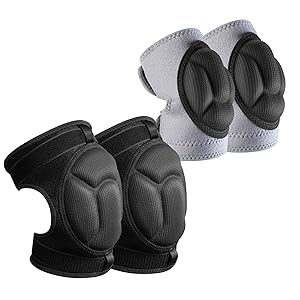
- Material: Neoprene, EVA foam
- Design: Adjustable size, elastic fit
- Protection: Thickened padding, impact absorption
- Usage: Suitable for skiing, snowboarding, skating, cycling
Shupakul Protective Knee Pads are specially designed for skiing and snowboarding, providing thickened padding that cushions pressure and prevents injuries. The combination of high-quality neoprene and EVA foam ensures a safe, breathable, and lightweight fit, allowing you to move freely without sacrificing protection. The elastic design helps keep the pads snugly in place for maximum support.
These knee pads are versatile, making them ideal for various sports, including basketball, volleyball, and cycling. The anti-slip strips on the inside prevent sliding during intense activity, while the adjustable sizing ensures a perfect fit for adults and children. Overall, Shupakul knee pads deliver reliable protection, comfort, and durability for all outdoor sports enthusiasts.
Pros: Thick padding, anti-slip, adjustable, lightweight
Cons: Sizing can be tricky, limited color options
See the Shupakul Protective Knee Pads
6. DA Knee Pads
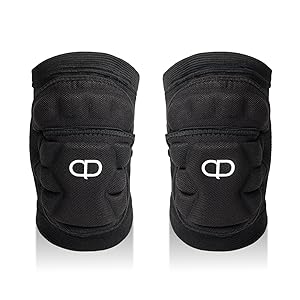
- Material: High-density foam, breathable fabric
- Design: Ergonomic, super lightweight
- Feature: Non-slip, impact proof
- Usage: Suitable for outdoor sports and exercise
DA Knee Pads provide excellent protection for skiing, cycling, and other outdoor sports. Their high-density foam absorbs impact, reducing stress on your knees during intense activity. The breathable fabric keeps skin dry, while the ergonomic, lightweight design allows for natural movement without restriction. These pads are ideal for maintaining knee warmth and preventing injuries.
The non-slip feature ensures that the pads stay securely in place without constant adjustments. DA Knee Pads are versatile, suitable for men, women, and teens, making them a reliable option for all types of outdoor activities. Overall, they offer a perfect balance of comfort, durability, and protection for active sports enthusiasts.
Pros: Lightweight, breathable, non-slip, protective
Cons: Limited size options, may feel tight on larger knees
7. McDavid Knee Pad

- Material: 100% Neoprene, 100% Nylon
- Design: Compression sleeve, snug fit
- Feature: Gel Sorbothane insert for impact absorption
- Usage: Ideal for arthritis relief, wrestling, running, volleyball
The McDavid Knee Pad offers strong support and pain relief for skiers and athletes. Made from neoprene and nylon, it delivers compression and cushioning while enhancing blood flow to reduce swelling. The gel Sorbothane insert provides extra protection against impacts, making it ideal for high-impact sports or arthritis management.
This knee pad is designed for durability and long-term use. It fits both legs and is suitable for men and women. With its breathable material and snug fit, the McDavid Knee Pad ensures comfort during extended activity. Overall, it’s a reliable, supportive choice for anyone needing both protection and relief during outdoor sports.
Pros: Supportive, durable, impact-absorbing, breathable
Cons: Slightly bulkier than sleeve-only pads, limited adjustability
8. Nike Premium Dri-Fit

- Material: Foam padding, Dri-FIT fabric
- Design: Contoured, unisex
- Feature: Sweat-wicking, breathable
- Usage: Sold as a pair for sports activities
Nike Premium Dri-Fit Knee Pads offer excellent cushioning for skiing and other sports, with foam padding that absorbs impact efficiently. The contoured design ensures a comfortable fit, while Dri-FIT technology keeps sweat away, allowing for extended use without discomfort. They are lightweight, breathable, and perfect for intense activity.
These knee pads are versatile, suitable for skiing, basketball, volleyball, or running. The unisex design fits most users comfortably and ensures flexibility for dynamic movements. Overall, the Nike Premium Dri-Fit Knee Pads combine style, comfort, and protection, making them a top choice for active athletes.
Pros: Breathable, sweat-wicking, comfortable, protective
Cons: Limited padding thickness, sizing may vary
How to Choose Knee Pads for Skiing
Skiing is an exhilarating sport, but it places significant stress on your knees. Falls, sharp turns, and jumps can all lead to injuries if your knees are not adequately protected. Knee pads for skiing are essential for providing cushioning, preventing impact injuries, and ensuring comfort during long hours on the slopes. Choosing the right knee pads involves considering factors like material, fit, padding, and intended use. This guide will help you make an informed decision to maximize protection and performance.
1. Understand the Purpose of Ski Knee Pads
Knee pads are designed to protect your knees from impact, abrasions, and overuse injuries. Skiing involves a combination of high-speed movements, sudden stops, and uneven terrain, which increases the risk of knee injuries such as ligament tears, meniscus injuries, and bruising. A good pair of knee pads can:
- Absorb shock from falls and collisions.
- Provide warmth and support for joints and muscles.
- Enhance stability and confidence on the slopes.
- Reduce fatigue by distributing pressure more evenly.
2. Material Matters
The material of your knee pads affects both protection and comfort. Most high-quality ski knee pads are made from EVA foam, neoprene, or a combination of breathable fabrics. EVA foam is lightweight and absorbs impact efficiently, while neoprene provides flexibility and thermal insulation. Breathable fabrics help prevent sweating and maintain comfort during prolonged use.
EVA Foam
EVA foam is commonly used for its high shock absorption and durability. It molds to the shape of your knee over time, providing a custom fit and consistent protection against impacts.
Neoprene
Neoprene offers elasticity and warmth, making it ideal for cold skiing conditions. It also provides a snug fit and helps stabilize the knee, reducing the risk of injury during dynamic movements.
Breathable Fabrics
Breathable fabrics such as polyester blends help wick away moisture, keeping your skin dry and preventing chafing. This is particularly important during intense skiing sessions or in warmer weather.
3. Padding and Protection
Padding is the most critical aspect of knee pads for skiing. The thickness and placement of padding determine how well your knees are protected during falls or collisions. Consider the following:
- Thick padding provides maximum shock absorption but may feel bulky.
- Thin padding is lightweight and allows for greater freedom of movement.
- High-density foam is preferred for professional skiing, as it combines protection with durability.
- Look for ergonomically shaped padding that conforms to the natural shape of your knee.
4. Fit and Adjustability
A proper fit is essential for comfort and effectiveness. Knee pads that are too tight can restrict blood flow and movement, while loose pads can slip and fail to provide adequate protection. Adjustable straps or elastic cuffs help ensure a secure fit. Consider the following when choosing the right fit:
- Measure your knee circumference to select the correct size.
- Choose knee pads with adjustable straps for a customizable fit.
- Ensure the pads do not slide down during skiing or physical activity.
- Test the fit by bending your knees and performing typical skiing motions.
5. Unisex vs. Gender-Specific Designs
Most knee pads are designed to be unisex, fitting both men and women. However, some models may have gender-specific shapes to better accommodate anatomical differences. Unisex pads are versatile, while gender-specific pads may provide improved comfort and targeted protection.
6. Weight and Bulkiness
Knee pads should provide protection without compromising mobility. Lightweight designs allow you to move freely and maintain skiing performance. However, excessive thinness may reduce impact absorption. Striking the right balance between weight and protection is key:
- Lightweight knee pads are ideal for freestyle skiing or racing.
- Heavier, thick-padded pads are better for beginners or those prone to falls.
- Consider the type of skiing you do and select padding accordingly.
7. Additional Features to Consider
Non-Slip Grip
Look for knee pads with silicone strips or textured surfaces to prevent sliding. Non-slip features ensure that the pads stay securely in place even during intense skiing movements.
Moisture-Wicking
Knee pads with moisture-wicking properties keep your skin dry, reducing discomfort and the risk of chafing. This is especially important during long ski sessions or in warmer conditions.
Flexibility and Ergonomics
Ergonomically designed knee pads conform to the natural bending of your knees, allowing for unrestricted movement. This is critical for maintaining agility and stability on the slopes.
8. Intended Use and Activity Level
Consider the type of skiing you will be doing when selecting knee pads. For recreational skiing, lighter pads with moderate protection may suffice. For freestyle skiing, snowboarding, or competitive skiing, high-density padding and reinforced protection are recommended. Also, assess your skill level and history of knee injuries when making a choice.
9. Durability and Maintenance
Durable knee pads can withstand repeated falls, abrasions, and cold weather. Check the construction quality, stitching, and material resilience before buying. Additionally, choose pads that are easy to clean, preferably machine washable, to maintain hygiene and longevity.
10. Price vs. Quality
Investing in quality knee pads is essential for safety and comfort. While cheaper options may be appealing, they often compromise on padding, fit, and durability. High-quality knee pads may cost more but offer superior protection, longevity, and comfort, making them a worthwhile investment.
11. Reviews and Brand Reputation
Reading user reviews and researching reputable brands can provide insight into the performance, durability, and comfort of specific knee pads. Established brands often use high-quality materials and ergonomic designs based on athlete feedback, ensuring reliable protection.
Conclusion
Choosing the right knee pads for skiing requires careful consideration of material, padding, fit, and intended use. High-density foam, neoprene, and breathable fabrics provide comfort and protection. Ergonomic designs and adjustable features ensure a secure fit, while non-slip and moisture-wicking properties enhance usability. Understanding your skiing style, activity level, and risk factors will help you select knee pads that provide maximum protection without restricting mobility. Investing in durable, well-designed knee pads is essential for enjoying skiing safely and confidently, whether you are a beginner or an advanced skier.