Best Roof Boxes for Snowboards of 2026
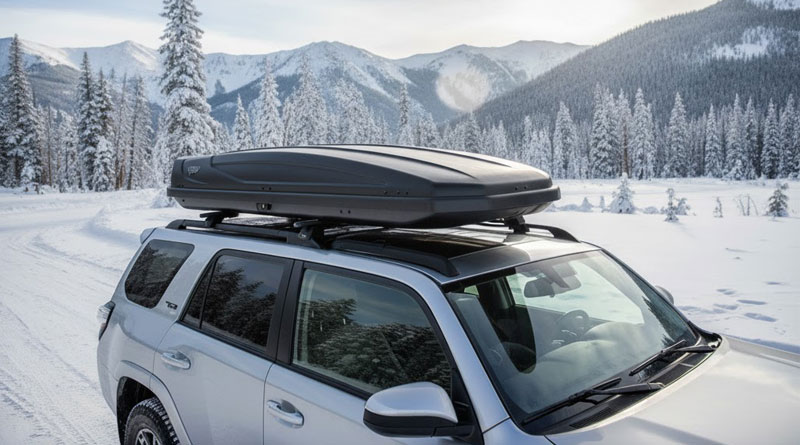
When you’re heading to the mountains with your snowboard, having the right roof box makes all the difference. A good roof box keeps your gear safe, dry, and easy to transport, no matter how rough the weather gets. It also gives you more space inside the car for comfort and other essentials. In this guide, we’ll look at the best roof boxes for snowboards, helping you find the perfect mix of storage capacity, durability, and convenience for your next winter adventure.
1. Yakima SkyBox 16 Carbonite

- Capacity: 453 L / 27,648 cu in
- Fits: Snowboards & skis up to 185 cm
- Opening: Dual-side, one-handed
- Weight: 47 lb (recycled ABS)
The Yakima SkyBox 16 Carbonite packs a thoughtful balance of capacity, aerodynamics, and everyday practicality. The dimple-textured lid noticeably reduces drag and highway noise compared with flat boxes, and the dual-side one-handed opening makes loading skis or snowboards simple even on busy parking-lot days. Internally it’s roomy enough for kit for three campers or a mixed set of skis and boards; the flat bottom and internal stiffeners keep gear neatly supported while driving.
Installation is straightforward thanks to quick-release mounting hardware that fits most crossbars, and SuperLatch security plus included SKS lock cores give confidence when leaving gear unattended. At 47 pounds it’s heavier than minimalist shells, but that weight contributes to durability and rigid, wobble-free performance. If you want a quiet, secure, and practical box that balances capacity and low drag for long trips, the SkyBox 16 Carbonite is a reliable choice.
- Pros: Quiet aerodynamic lid, dual-side access, secure locks, roomy interior.
- Cons: Moderately heavy; larger footprint on roof; premium price vs basic boxes.
See the Yakima SkyBox 16 Carbonite
2. SportRack Horizon

- Capacity: 311 L / 11 cu ft
- Fits: Skis up to 210 cm; 2–3 snowboards
- Opening: Passenger-side only
- Max Load: 110 lb (50 kg)
The SportRack Horizon prioritizes a narrow, long profile tailored for skis and snowboards while leaving plenty of roof real estate for additional accessories. Its slim shape makes it easy to mount without overwhelming the vehicle’s silhouette, and the passenger-side opening is practical for curbside loading away from traffic. Built from impact-resistant ABS material, it’s a durable budget-focused option that fits square, round, and most factory bars.
With capacity for 3–6 pairs of skis or a few boards, this box suits small families or weekend riders who need functional storage without paying for premium branding. Installation and removal are uncomplicated thanks to the quick-release kit, and the box’s dimensions make it especially useful for longer skis up to 210 cm. If you want a cost-effective, no-frills carrier that focuses on length and accessibility, the Horizon gets the job done.
- Pros: Long slim profile, good ski fit, affordable, easy to mount.
- Cons: Single-side opening only, fewer premium features, not the quietest at speed.
3. Thule Pulse L

- Capacity: 453 L / 27,648 cu in
- Fits: 6–8 pairs of skis or 4–6 snowboards
- Opening: Passenger-side, one-handed
- Weight: 36 lb
The Thule Pulse L blends Thule’s build quality with practical capacity aimed at families and active users. It’s robust for year-round use, with a passenger-side one-handed opening that’s convenient for loading on the curb side. Internal straps help secure gear in transit, and the box’s relatively light 36-pound weight makes it easier to handle during installation and removal compared with heavier models.
A clean internal layout and good usable volume mean boards and skis sit flat and stable, and Thule’s intuitive latching and locking systems provide peace of mind. The Pulse L doesn’t chase exotic aerodynamics, but its balanced package of capacity, handling, and user-friendly access makes it a dependable pick for weekend warriors who value reliability and clean design.
- Pros: Lightweight, user-friendly opening, internal straps, good capacity.
- Cons: Passenger-side only, fewer aerodynamic refinements versus pricier models.
4. INNO Wedge 660

- Capacity: 300 L / 19,000 cu in
- Fits: 6–8 pairs of skis or 4 snowboards
- Opening: Dual-side, one-handed
- Height: 11 in (low-profile)
The INNO Wedge 660 is optimized for aerodynamic efficiency and long-distance comfort. Its low-profile height reduces wind resistance and road noise, making long highway drives less fatiguing and more fuel efficient. Built with a solid polymer membrane injection process, the shell claims greater uniform thickness and improved strength compared to standard vacuum-formed boxes, and the result is a stiff, quieter carrier on the roof.
Mounting hardware is designed for a one-time setup and easy reinstallation, so regular users will appreciate the repeatability. The dual-side opening provides flexibility when loading, and internal straps secure gear. For riders who frequently do long road trips with skis or boards and want a quieter, stiffer, and more aerodynamic option, the Wedge 660 is a focused and efficient choice.
- Pros: Low-profile aerodynamic design, strong shell, dual-side access, easy remounting.
- Cons: Lower total volume than larger boxes; premium build may cost more.
5. Yakima SkyBox NX XL

- Capacity: 509 L / 31,104 cu in (18 cu ft)
- Fits: Snowboards & skis up to 195 cm
- Opening: Dual-side, 11 in opening height
- Weight: 50 lb 8 oz; flat-bottom interior
The Yakima SkyBox NX XL is built around maximum usable space with a flat-bottom interior that makes packing awkward-shaped items and boots simpler. With an 18 cu ft capacity it’s aimed at families and extended trips—able to hold gear for up to four campers—while still offering the convenience of dual-sided access. The NX nano-texture gives the box a modern, low-key look that resists showing scratches.
Installation features like removable torque-limiting knobs and worry-free mounting hardware simplify fitting to many crossbar systems, and the included SKS locks add security. The box is on the larger and heavier side, so consider roof load and vehicle clearance, but if you need serious volume and easy access from either side, the SkyBox NX XL is a solid, well-engineered solution.
- Pros: Huge usable space, dual-side access, secure SKS locks, flat bottom packing.
- Cons: Heavy and large; may affect hatch clearance on some vehicles.
6. Yakima SkyBox 18 Carbonite

- Capacity: 510 L / 31,104 cu in (18 cu ft)
- Fits: Snowboards & skis up to 215 cm
- Opening: Dual-side, one-handed
- Weight: 52 lb (up to 80% recycled ABS)
For those needing maximum length capacity, the Yakima SkyBox 18 Carbonite is tailored to long skis and multiple boards while still offering aerodynamic benefits from its dimple-textured lid. It’s designed for bigger loads—gear for up to four campers—and the recycled ABS construction provides rugged longevity. The SuperLatch™ system and SKS lock cores keep belongings secure during long haul trips.
While it’s fairly heavy and takes significant roof space, the 18 Carbonite’s performance on stability and noise reduction at speed is notable. Dual-side access is practical in tight lots, and the tapered rear helps preserve hatch clearance. If you transport long alpine gear regularly and want a robust, quiet, high-volume carrier, this SkyBox model performs very well.
- Pros: Large capacity for long gear, aerodynamic lid, secure locking, durable recycled construction.
- Cons: Heaviest in the lineup; large footprint may limit vehicle hatch clearance.
See the Yakima SkyBox 18 Carbonite
7. Thule Motion 3

- Capacity: 500 L / 30,512 cu in
- Fits: 5–7 pairs of skis or 3–5 snowboards
- Opening: Dual-side, one-handed with SlideLock
- Length: 7 ft 1.1 in; PowerClick mount
The Thule Motion 3 XL is a premium, spacious roof box that combines aerodynamic styling with high usability. Its wing-shaped profile and forward-leaning nose reduce drag while allowing full trunk access on most vehicles. The SlideLock and PowerClick mounting system create a smooth, confidence-inspiring user experience—the mount clicks when tightened to the right torque and the lock signals when closed.
Internally the Motion 3 is practical and refined, and Thule offers compatible accessories like interior lights and protective liners for cleaner organization. At about 51 pounds it’s substantial but well balanced, and the robust lid and wide handle make one-handed operation straightforward. If you want a feature-rich, polished, and family-ready carrier with refined mounting and security systems, the Motion 3 is a top-tier pick.
- Pros: Sleek aerodynamics, solid mounting system, SlideLock security, roomy interior.
- Cons: Premium price; heavier than minimalist boxes.
8. Yakima RocketBox Pro 14

- Capacity: 396 L / 24,192 cu in
- Fits: 6 skis or 6 snowboards; up to ~6 ft 2 in length
- Opening: Dual-side with central push-button
- Weight: 38 lb; up to 80% recycled ABS
The Yakima RocketBox Pro 14 is a versatile mid-size option offering a great mix of volume and manageability. At just over six feet, it adapts well to most cars while giving enough room for multiple boards or skis. The articulated levered arms and central push-button make the dual-side lid feel effortless to open, and the flat-bottom interior is forgiving for different crossbar spreads and bulky gear.
Rapid assembly with no tools required and compatibility with a wide range of racks make the RocketBox Pro 14 a convenient choice for users who want straightforward, dependable storage. It’s lighter than the largest boxes, easier to handle, and still secure thanks to Yakima’s same-key lock cores. For those seeking mid-volume capacity with easy access and solid build, this box is a practical winner.
- Pros: Easy handling, dual-side access, tool-free assembly, good mid-size capacity.
- Cons: Not as large as XL boxes; modest aerodynamic refinement.
See the Yakima RocketBox Pro 14
How to Choose Roof Boxes for Snowboards
When winter hits and the mountains call, a reliable roof box becomes an essential companion for snowboarders. It frees up space inside your car, protects your expensive gear from the elements, and keeps everything organized during your journey. But with so many designs, sizes, and features available, picking the right one can be tricky. Here’s a detailed guide to help you choose the perfect roof box for snowboards—balancing storage, security, aerodynamics, and convenience.
Understanding Roof Box Sizes and Capacity
The first thing to consider when choosing a roof box is its size. Snowboards vary in length, typically between 140 cm and 170 cm, while some all-mountain or freeride boards stretch even longer. Your roof box should comfortably fit your snowboard length, with a little extra room for boots, helmets, and jackets.
Roof boxes are often measured in liters or cubic feet. Small boxes (300–400 L) work for solo or couple trips, while medium ones (400–500 L) fit two or three riders’ gear. For families or groups, large boxes (over 500 L) are ideal. Keep in mind that a box too large can affect fuel efficiency and handling, especially on smaller vehicles.
Tip:
Measure your snowboard’s length and check the internal dimensions of the roof box before purchasing. Some manufacturers list maximum snowboard or ski lengths their boxes can fit—this is crucial for compatibility.
Roof Box Length and Shape
Longer boxes are great for snowboards and skis but may interfere with your vehicle’s rear hatch. Always check the clearance between the box and your trunk door when open. Many brands design boxes with tapered rears or forward-mounting positions to improve hatch access. If your car is compact or has a short roofline, a medium-length model may offer a better fit without compromising usability.
The shape of the box also affects aerodynamics. Sleek, low-profile boxes reduce wind drag and noise, which can make a noticeable difference on long drives. They may offer slightly less interior height, but for flat gear like snowboards, that’s rarely a problem.
Opening Mechanism: Single vs Dual Side
Convenience is key when you’re loading gear in a cold car park. Roof boxes open from one side (usually the passenger side) or both sides (dual opening). Dual-side access is more versatile, allowing you to reach your gear from either side of the vehicle—particularly handy when parked in tight spaces or on busy roads.
If you often travel with friends or family, a dual-side design saves time and effort. Single-side models are usually more affordable, but you may find them less convenient when you need quick access to items on the opposite side.
Material and Durability
Most roof boxes are built from durable ABS plastic or polymer blends. Premium versions use reinforced materials or special molding techniques for added strength without excessive weight. For example, some brands use dimple-textured or nano-textured surfaces to improve aerodynamics and resist scratches. These small details make a big difference in both performance and longevity.
If you plan to use your box year-round—not just for snow trips—invest in a robust model that can withstand sun, rain, and road grime. Check for UV resistance and weather-sealed hinges to prevent leaks and fading over time.
Mounting System and Compatibility
A good mounting system ensures your roof box is easy to attach and remove while staying secure at high speeds. Look for tool-free quick-mount systems that fit your crossbars easily. The best designs feature audible or tactile feedback, such as a “click” sound when properly tightened.
Compatibility is equally important. Most boxes fit round, square, and factory crossbars, but not all fit every rack type. Check your vehicle’s crossbar spacing and weight limit. Heavy boxes combined with gear weight can exceed your roof’s load rating, so confirm these limits before installation.
Tip:
For snow trips, consider leaving your roof box mounted during the season—it saves setup time and offers secure storage for wet gear after a day on the slopes.
Security and Locking Mechanisms
Snowboard gear isn’t cheap, so a solid locking system is a must. Modern roof boxes feature integrated locks that secure both the lid and the box to the rack. Some use central locking systems with one key controlling all points, while others include dual locks for added safety.
Look for systems that prevent the key from being removed unless the box is fully closed and locked—this eliminates the chance of driving off with an unsecured lid. Brands like Yakima and Thule offer well-designed locks with these safety features built in.
Aerodynamics and Noise Reduction
Aerodynamics matter more than most realize. Poorly shaped boxes can whistle or hum at highway speeds, which gets annoying fast. Streamlined designs not only reduce wind noise but also improve fuel efficiency. Textured or curved lids, like those found on premium models, help air flow smoothly over the box, cutting resistance and noise.
If you frequently drive long distances to the mountains, investing in a quiet, aerodynamic roof box is worth every penny. You’ll notice a calmer ride and slightly better fuel economy, especially on long motorway stretches.
Weight and Ease of Use
Weight plays a big role in both installation and everyday use. Lighter boxes are easier to lift onto the roof and remove when not needed. However, lighter materials may flex more under load or during wind exposure. The key is balance—strong but manageable weight.
Many roof boxes include internal straps to secure snowboards and boots. One-handed opening and lid lifters make operation smoother, even when wearing gloves. If you often travel solo, these small usability details become essential.
Weather Protection and Seal Quality
Snowboarding trips often mean unpredictable weather—heavy snow, rain, or freezing temperatures. A good roof box must be weather-tight to protect your gear. Check for rubber gaskets along the lid, reinforced hinges, and overlapping edges that prevent water ingress. Cheaper models may lack adequate sealing, which can lead to moisture inside the box.
After each trip, wipe down the box and occasionally lubricate the hinges and locks to maintain long-term performance. Regular maintenance helps prevent freezing locks and keeps your box opening smoothly in winter conditions.
Balancing Capacity and Vehicle Size
Bigger isn’t always better. Oversized boxes can impact driving dynamics, wind resistance, and even garage clearance. Choose a box that suits both your gear and your car’s size. Compact cars generally pair best with medium-length boxes, while SUVs and wagons can handle larger, full-length options.
Also, consider roof load limits. Every vehicle has a maximum roof weight rating—usually found in the owner’s manual. Add up the box weight and your gear to ensure you’re under this limit. Overloading can affect stability, braking, and even damage your roof rails.
Ease of Storage When Not in Use
Roof boxes can be bulky to store off-season. Some premium brands offer wall mounts or hoist systems that let you hang the box in your garage. If you lack storage space, consider a lightweight or compact model that’s easier to carry indoors or hang vertically. Always store it in a cool, dry place to avoid UV damage and deformation.
Budget and Value
Roof boxes range widely in price—from affordable entry-level models to premium aerodynamic designs. While it’s tempting to save money, investing in a higher-quality box often pays off in convenience, security, and longevity. Look for trusted brands like Thule, Yakima, and INNO, which offer strong warranties and proven reliability.
If you’re an occasional snowboarder, a simple mid-range box might be all you need. Frequent travelers or families should consider high-end options with better access, dual openings, and weather protection.
Final Thoughts
Choosing the right roof box for snowboards depends on your travel style, gear size, and vehicle type. The ideal setup balances storage capacity, easy access, secure mounting, and aerodynamic performance. Dual-side opening, strong locks, and quick-mount systems add comfort and peace of mind during winter road trips.
Ultimately, the best roof box is one that simplifies your adventures—keeping your snowboards dry, your car organized, and your journeys stress-free. Take the time to match size, fit, and features carefully, and your roof box will serve as a dependable companion for many snow seasons ahead.