
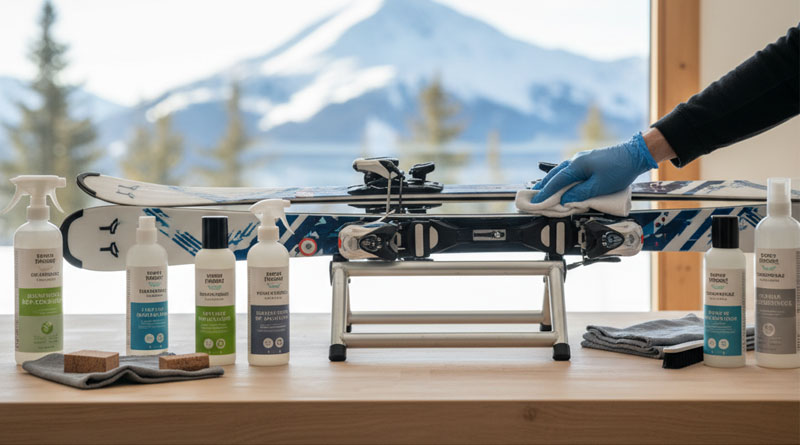
Best Ski Base Cleaners of 2025
Keeping your skis in good condition is key to having smooth, fast, and safe runs on the slopes. Over time, dirt, old wax, and grime build up on the base, slowing you down and affecting performance. That’s where ski base cleaners come in. These products help remove residue, prepare your skis for fresh wax, and extend their life. In this guide, we’ll look at the best ski base cleaners available, so you can keep your gear in top shape and ready for every adventure.
1. One Ball Biogreen
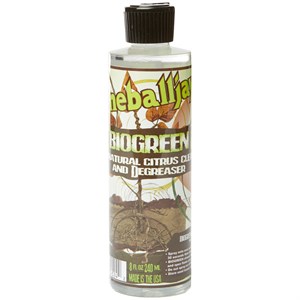
- Formula: Fully biodegradable and eco-friendly
- Cleaning Power: Citrus oil-based aggressive dirt removal
- Application: Apply to rag and rub across board base
- Usage: Designed for pre-wax cleaning of snowboard bases
The One Ball Biogreen Base Cleaner is a solid choice for riders who want to keep their board in top condition without harming the environment. Its biodegradable formula ensures that you’re not contributing unnecessary chemicals to the snowpack or waterways while still giving your snowboard the deep clean it needs. The citrus oil base works quickly, cutting through grime, dirt, and leftover wax with ease, which makes it particularly handy after those messy spring sessions. It prepares the board’s base for waxing by stripping away buildup, ensuring that fresh wax sticks properly and lasts longer on the slopes.
In terms of practicality, the One Ball Biogreen Base Cleaner is simple to use—just apply it to a rag and wipe down your board. This easy application saves time and doesn’t require any special tools, making it convenient for quick tune-ups before hitting the mountain. The formula strikes a good balance between being aggressive enough to remove stubborn dirt and gentle enough to not damage the board. For eco-conscious riders who care about performance and sustainability, this product stands out as a reliable base cleaner.
Pros:
- Eco-friendly biodegradable formula
- Strong cleaning power with citrus oils
- Easy and quick application process
- Prepares base effectively for waxing
Cons:
- Requires separate rag for application
- May need multiple wipes for heavy grime buildup
2. Purl Eco

- Formulation: 100% organic, biodegradable
- Volume: 8 oz (spray bottle)
- Use: Spray–wipe–dry, no base drying
- Origin: Made in USA; 1% for the Planet
Purl Eco is a gentle, eco-minded base cleaner that strips dirt and light residue without leaving your bases feeling brittle. The spray-on, wipe-off routine is straightforward — spray, wait a few seconds, wipe with a clean cloth, and pat dry — and the formula avoids aggressive solvents. That makes it especially attractive for riders who tune frequently and worry about over-drying P-tex. The organic, biodegradable label appeals to environmentally conscious skiers and boarders who want decent cleaning power without harsh chemicals.
Performance-wise it handles everyday grime and transporter grease well; for heavy baked-on wax you’ll still want a hot scrape or a stronger solvent first. I liked that it didn’t add any unpleasant fumes and didn’t leave a greasy film. It’s made by a small Colorado company focused on fluoro-free, performance-driven waxes and cleaners, so the product fits into a low-impact tuning kit. For routine maintenance between full wax sessions, Purl Eco is practical, safe, and easy to use.
Pros:
- Environmentally friendly formula
- Non-toxic, low odor
- Simple spray-and-wipe workflow
- Doesn’t dry out bases
Cons:
- Not strong enough for heavy old wax
- Smaller bottle for frequent tuners
3. Swix Aerosol
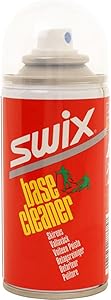
- Container: 70 ml aerosol spray
- Application: Even, quick spray coverage
- Purpose: Wax and dirt removal before waxing
- Formula: Eco-friendly, low-harm chemicals
Swix Aerosol base cleaner is a compact, efficient option for skiers who want fast, even application without carrying a bulky bottle. The aerosol delivers a fine mist that covers the base evenly, making it easy to target old wax, dirt, and contaminants prior to a fresh wax. Because it’s packaged in a small can, it’s ideal for a ski bag or car kit when you need a touch-up on the go or for quick pre-wax prep in the shop.
In use it removes residue cleanly and leaves a neutral base ready for waxing; it’s optimized to maximize glide after a fresh wax. The eco-conscious formula is a bonus for riders who prefer gentler chemicals, though heavy-duty wax may still need scraping or a stronger solvent. Overall it’s a reliable, travel-friendly cleaner that balances performance and convenience for routine maintenance and quick touch-ups.
Pros:
- Convenient aerosol application
- Compact and portable
- Good residue removal for light-to-medium buildup
- Environmentally aware formula
Cons:
- Small volume for frequent use
- Not a replacement for hot-scrape on heavy wax
4. JG Ski Base Cleaner
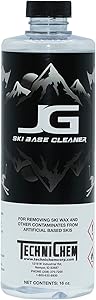
- Formula: Non-toxic, non-hazardous
- Scent: Pleasant citrus fragrance
- Use: Spray or pour, wipe clean
- Suitable for: Skis and snowboards
JG Ski Base Cleaner is a straightforward, user-friendly cleaner designed for riders who want effective residue removal without harsh chemicals. The citrus scent makes the process more pleasant than solvent-heavy cleaners, and the non-toxic formula is reassuring for home tuners and families. It removes old wax and general grime efficiently when used with a clean rag and moderate pressure, leaving a ready surface for re-waxing.
The product is easy to work with and behaves predictably; spray or apply, rub with a cloth, and allow the base to dry before applying wax. It’s not marketed as an industrial-strength stripper, so for severe, layered wax you might combine it with a mechanical scrape or a stronger solvent first. Overall, JG balances safety, smell, and cleaning power, making it a solid everyday choice for routine maintenance.
Pros:
- Non-toxic and safe for home use
- Nice citrus scent
- Simple application and removal
- Good for regular maintenance
Cons:
- Not ideal for very heavy wax build-up
- May require multiple passes on grimy bases
5. Fast Wax – Eco Orange
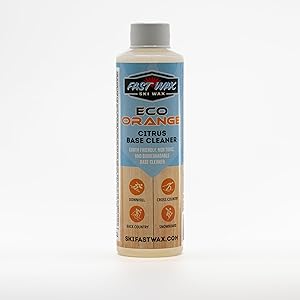
- Base: Citrus-based solvent
- Safety: Non-flammable
- Odor: Low/no harsh smell
- Application: Spray or apply and wipe
Fast Wax Eco Orange is a citrus-based cleaner aimed at riders who want solvent strength without overpowering fumes. The orange-citrus chemistry cuts through wax and grime effectively while being gentler on the nose than traditional petroleum solvents. Because it’s non-flammable, it’s safer to store and use in a home workshop or a busy tune area where open flames or heated tools might be present.
In practice Eco Orange handles typical wax removal tasks well and won’t leave bases feeling stripped of their natural oils. For regular maintenance and pre-wax prep it’s a convenient choice: apply, let the citrus work for a short time, then wipe clean and prepare for wax. If you frequently tackle heavy, baked-in wax, pair it with a mechanical scrape for best results, but for most users this hits the sweet spot between power and comfort.
Pros:
- Citrus power with milder smell
- Non-flammable for safer storage
- Effective on light-to-medium wax
- Easy wipe-off application
Cons:
- May need scraping for heavy build-up
- Won’t replace industrial-strength strippers
6. Dakine Supertune Base Cleaner

- Form: Liquid cleaner (8 oz)
- Scent: Unscented
- Use: Sport-specific base cleaning
- Compatibility: Works on skis and snowboards
Dakine Supertune Base Cleaner is an unscented liquid that does the job without fanfare. It’s straightforward: pour or spray, spread across the base, let sit briefly, and wipe off with a clean rag. The lack of fragrance is welcome for tuners who prefer neutral-smelling products in small, enclosed tune spaces. The cleaner did a solid job removing surface contaminants and didn’t dry out the base when used as directed.
Operationally, I found it to be a reliable mid-range cleaner — not flashy, but effective for routine maintenance. The reviewer workflow of spreading, 15-minute dwell, then rubbing off is sensible and matches how many home tuners work. Remember to de-burr and clean edges first to avoid rubbing metal shavings into the base. Overall, Dakine is a dependable choice for riders who want a no-nonsense cleaner that leaves the base ready for waxing.
Pros:
- Unscented and non-irritating
- Doesn’t dry out P-tex
- Easy to use with simple procedure
- Good for routine maintenance
Cons:
- Not specialized for heavy baked wax
- Some may find it unremarkable for the price
See the Dakine Supertune Base Cleaner
7. Demon Hyper Universal
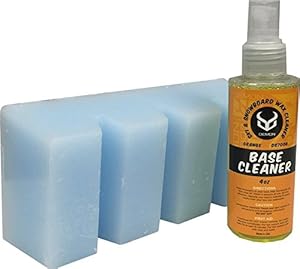
- Package: 1 lb Hyper wax + 4 oz citrus cleaner
- Blend: Universal temperature wax
- Origin: Formulated and manufactured in USA
- Suggested use: Clean with citrus, then apply Hyper wax
Demon Hyper Universal pairs a citrus base cleaner with a 1 lb block of their Hyper universal wax to create a compact tuning kit. The workflow is clear: clean the base with the citrus cleaner to remove contaminants, then melt and apply the universal wax designed to perform across a range of temperatures. This bundled approach is convenient if you want a one-stop kit for base prep and waxing without hunting for separate products.
The universal wax is formulated for broad snow conditions and the included citrus cleaner removes surface dirt and light wax effectively. For riders who prefer an all-in-one combination and value made-in-USA manufacturing, Demon’s kit is attractive. It won’t replace specialized temperature-specific wax choices for racers, but for general resort use and straightforward maintenance it offers a reliable balance of ease and performance.
Pros:
- Complete kit: cleaner + wax
- Universal wax for varied conditions
- Manufactured in the USA
- Citrus cleaner included for prep
Cons:
- Universal wax not optimized for racing extremes
- Bulkier kit if you only need cleaner
8. ONEBALL Citrus Base Cleaner

- Form: Spray bottle (4 fl oz)
- Scent: Orange/citrus
- Application: Spray and wipe
- Unit: Compact travel-friendly size
ONEBALL Citrus Base Cleaner is a compact spray designed for quick, pleasant-smelling base prep. The orange scent helps mask chemical odors while delivering citrus solvent action to lift wax residue and grime. Its 4-ounce size makes it easy to stash in a ski bag or tuning kit for on-the-go touch-ups and pre-wax cleaning sessions. For riders who want a small, effective cleaner that’s easy to handle, this is a solid choice.
Performance is geared toward light-to-moderate residue removal — it does well on everyday contaminants and prepares the base for a fresh wax without long dwell times. The spray format makes application tidy and controlled; follow with a clean rag and a quick buff and you’re ready to wax. If you regularly face heavy, layered wax you’ll still want a stronger stripper, but for routine maintenance ONEBALL balances portability and functionality nicely.
Pros:
- Portable, travel-friendly size
- Pleasant citrus scent
- Easy spray-and-wipe use
- Good for regular touch-ups
Cons:
- Small volume for heavy users
- Not for severe wax build-up
See the ONEBALL Citrus Base Cleaner
How to Choose Ski Base Cleaners
Choosing the right ski base cleaner matters more than many skiers realize. A proper cleaner removes dirt, old wax, grime, and contaminants that build up in the base material and structure (the P-Tex) over time. This improves glide, helps wax bond better, and can prevent long-term base damage. The market offers many options — sprays, liquids, wipes, and specialty solvents — so this guide walks you through the factors to consider and practical steps to make a confident choice.
Understand what a ski base cleaner does
At its core, a base cleaner dissolves and lifts unwanted substances from the base surface. Those substances include oils, old wax residues, dirt, and microscopic particulates that get trapped in the base structure. Cleaners are not waxes: they prepare the base so that a new wax application is effective. Some cleaners simply remove surface grime, while stronger formulations will strip wax completely. Knowing the cleaner’s intended function is the first step.
Types of base cleaners
Spray cleaners
Spray cleaners are convenient for quick jobs and are often used right before a wax to remove light contamination. They’re easy to apply and evaporate quickly. Sprays work well when bases are relatively clean and only need a light prep.
Liquid/solvent cleaners
Liquid cleaners — sometimes packaged in bottles — are designed for deeper cleaning. They can be used with a cloth or scrub pad and are better at removing stubborn grime and some oily contaminants. These often contain stronger solvents and need more ventilation during use.
Wipes and towelettes
Single-use wipes are convenient for on-the-go maintenance or quick touch-ups at the trailhead. They’re fine for light cleaning but usually don’t replace a thorough workshop cleaning if the base has heavy contamination or old wax buildup.
Hot box / wax stripper products
There are also specialty products intended to be used with hot waxing tools or on a waxing bench that strip wax by chemical means. These are designed for workshop use and for when you want a completely wax-free base before a base treatment or deep repair.
Match cleaner strength to your needs
Not all skis need heavy-duty cleaners. If you’re doing routine waxing after every few outings, a mild spray or wipe might be enough. If you’re buying used skis, returning from seasons of poor storage, or prepping equipment for race servicing, choose a stronger solvent or a wax-stripping product. Always start with the least aggressive option and escalate only if the base remains contaminated.
Compatibility with base materials
Modern ski and snowboard bases are typically made of sintered or extruded P-Tex. Most cleaners are safe for both, but aggressive solvents can damage base additives or degrade certain repair materials. Avoid cleaners that contain harsh chemicals if the base has fresh repairs, ink marks, or if you’re unsure of the base type. When in doubt, test on a small section first and consult the ski manufacturer’s recommendations.
Environmental and health considerations
Many traditional cleaners use petroleum-based solvents that evaporate quickly but are harmful to inhale and bad for the environment. If you care about toxicity or will be cleaning inside a small workshop, choose low-VOC, biodegradable cleaners where possible and always work in a well-ventilated area. Wear nitrile gloves to protect your skin and avoid inhaling fumes. Proper disposal of used cloths and wipes is important — many soaked rags are flammable and should be handled per local guidelines.
Usability and workflow
Think about where and how you’ll clean. Do you need a product for field maintenance or for an at-home waxing bench? Wipes and sprays are best for quick field use; liquids and hot-wax strippers fit a bench workflow. Consider drying time and residue: some cleaners evaporate cleanly while others leave a slight film that you must remove with a second wipe or a second cleaning pass.
Storage, shelf life, and cost
Cleaners vary in price and longevity. Single-use wipes are convenient but more expensive per application. Bottled liquids and sprays cost more upfront but last longer. Check the manufacturer’s shelf life and store cleaners in a cool, dry place away from heat sources. Avoid buying oversized quantities if you rarely maintain your skis; small bottles or starter packs are often the most economical for casual skiers.
Testing and labels to look for
Look for helpful labeling: “biodegradable,” “low-VOC,” “wax stripper,” or “light cleaner” are useful cues. When trying a new cleaner, follow these steps:
- Clean a small, inconspicuous patch first.
- Allow the cleaner to evaporate or wipe it dry as instructed.
- Inspect the base for any discoloration, softness, or damage.
- Apply a test wax to check bonding and glide.
DIY alternatives and precautions
Some people use isopropyl alcohol or simple household solvents to clean bases. While these can work for light cleaning, they often evaporate too quickly or don’t remove oily residues effectively. Avoid bleach, abrasive cleaners, or anything that could damage P-Tex. If you choose a DIY route, use proper protective equipment and test first.
Common mistakes to avoid
Avoid these pitfalls: applying wax to an unclean base, using abrasive scrubbing that alters base structure, choosing the strongest solvent by default, and cleaning in poorly ventilated spaces. Also, don’t mix cleaning products — residues from one product can react poorly with another and affect wax adhesion.
Final checklist before you buy
- Decide what level of cleaning you need (light, deep, or stripping).
- Prioritize safety and environmental impact if you work indoors.
- Choose the format (spray, liquid, wipe) that fits your workflow.
- Confirm compatibility with your base type and recent repairs.
- Buy a small amount first and test on an inconspicuous area.
Choosing the right ski base cleaner is about balancing effectiveness, convenience, and safety. For regular maintenance, keep a mild spray or wipes in your kit. For seasonal tune-ups or resale prep, invest in a stronger liquid or workshop stripper and follow recommended safety procedures. Clean bases not only glide better — they make your wax last longer and help protect your skis for many seasons.