Best Ski Bindings for Bad Knees of 2025
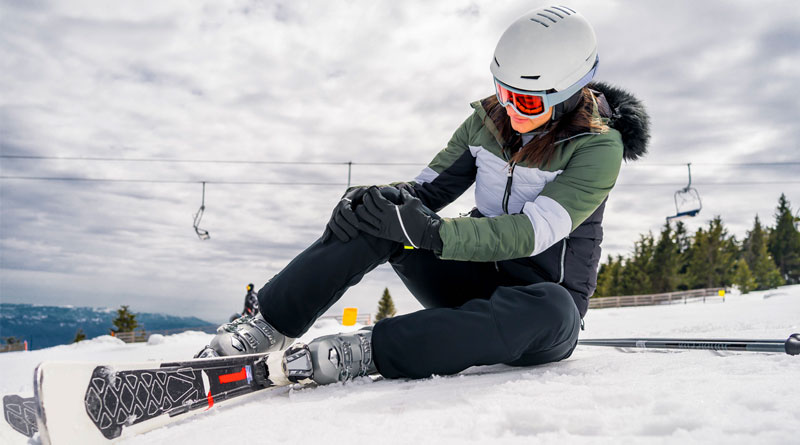
Skiing with bad knees can be tough. The right bindings can make a big difference in comfort and safety. Some bindings release quickly to reduce pressure on your knees. Others offer better control to avoid sudden twists or jerks. Choosing the right pair depends on your needs and skiing style. Whether you’re a beginner or expert, the right setup matters. This guide will help you find the best ski bindings for bad knees. We’ll look at features like release settings and shock absorption. You’ll also learn what to avoid. Read on to protect your knees and enjoy skiing again. Let’s find the bindings that work best for you.
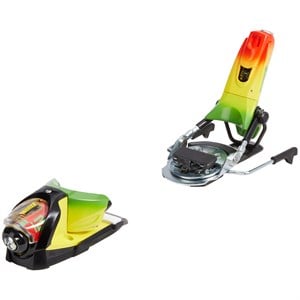
1. Look Pivot 12 GW
-
DIN Range: 4–12
-
Toe Piece: Full Action Toe with 45mm elasticity and 180° multi-directional release
-
Heel Piece: Turntable heel with 28mm of vertical elasticity
-
Boot Compatibility: ISO 5355 Alpine and GripWalk (ISO 23223)
The Look Pivot 12 GW is a top pick for skiers who need dependable bindings that protect their knees without compromising performance. Known for its consistent release and bombproof design, this binding features a rotating heel that reduces the chance of knee injuries. The elasticity in both toe and heel pieces gives the Pivot 12 exceptional shock absorption and retention. The Full Action toe ensures strong energy transfer while remaining gentle in high-impact falls. With multi-directional release and superior hold, these bindings offer a great balance between safety and power.
What sets the Pivot 12 apart is the unmatched flex and feel it gives to the ski. Thanks to the shortest mounting zone in any alpine binding, the ski can flex naturally, giving smoother turns and better snow contact. The 7 points of contact enhance edge control, making it ideal for intermediate to advanced skiers who value precision. Long-time users swear by its performance, especially those who’ve had issues with traditional step-in bindings. It’s also a trusted choice for skiers with past knee injuries. While it’s slightly pricier, its reliability and knee-saving features make it worth every penny.
Pros
- Excellent shock absorption and release consistency
- Ideal for skiers with knee concerns
- Compatible with both Alpine and GripWalk soles
- Superior ski flex and control
Cons
- Slightly more expensive than other bindings
- May be overkill for beginner skiers
2. Marker Griffon 13 ID
-
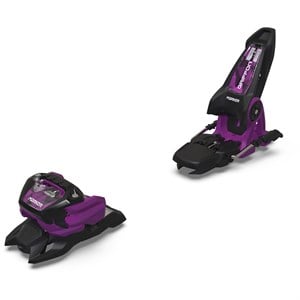
DIN Range: 4–13
-
Toe Piece: Triple Pivot Elite 3 with Anti-Ice Rail
-
Heel Piece: Inter Pivot 3 with magnesium heel bracket
-
Boot Compatibility: ISO 5355 Alpine, ISO 9523 Touring, WTR, GripWalk (ISO 23223)
The Marker Griffon 13 ID bindings are a favorite among freeride skiers for good reason. Known for their power, reliability, and wide compatibility, these bindings now include the improved Inter Pivot 3 heel for smoother step-in and better energy transfer. The redesigned heel makes it easier to get clicked in quickly, even in deep snow. Paired with the strong and stable Triple Pivot Elite 3 toe, the Griffon 13 ID delivers excellent retention and power through big mountain terrain. The AFD gliding plate and Anti-Ice Rail also help ensure consistent performance in icy or dirty conditions.
Sole.ID technology gives the Griffon 13 ID impressive boot compatibility, from standard Alpine soles to touring boots. This makes it a smart choice for skiers who want one binding that works across different setups. Despite heavy use in mixed terrain—from groomers to backcountry—the Griffons consistently hold strong and respond well under pressure. Their 24 mm stand height provides a solid platform without making the ride feel disconnected. Whether you’re charging powder or navigating tight lines, the Griffon 13 ID is dependable, easy to service, and made to last. It’s no surprise so many skiers return to this model year after year.
Pros
- Compatible with nearly all adult boot sole types
- Improved step-in with Inter Pivot 3 heel
- Excellent power transfer and retention
- Durable in tough snow and terrain conditions
Cons
- Slightly heavier than some lighter touring bindings
- Requires professional setup for Sole.ID adjustment
3. Look Pivot 14 GW
-
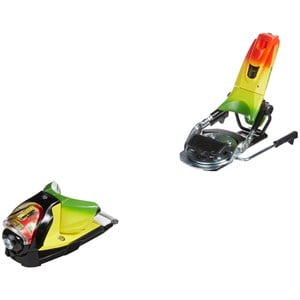
DIN Range: 5–14
-
Toe Piece: Full Action Toe with 45mm elasticity and 180° multi-directional release
-
Heel Piece: Turntable heel with 28mm vertical elasticity
-
Boot Compatibility: ISO 5355 Alpine and GripWalk (ISO 23223)
The Look Pivot 14 GW bindings are a premium choice for skiers who want maximum safety, retention, and ski performance. Built with Look’s iconic turntable heel, these bindings rotate under the tibia to help protect knees during twisting falls—making them a smart pick for anyone prone to knee injuries. The Full Action Toe features 45mm of elasticity and a 180° multi-directional release, giving you excellent hold when skiing hard, but reliable release when you fall. Whether you’re carving groomers or launching side hits, the Pivot 14 feels solid, responsive, and secure underfoot.
What really sets the Pivot 14 apart is its ability to let the ski flex naturally. The shortened mounting zone gives you smoother turn transitions and more consistent edge feel, while the 7 points of contact boost lateral power and control. Users often rave about the binding’s performance in all-mountain and freeride conditions, and many—like parents of teen athletes—trust it to protect knees without sacrificing fun. The Pivot 14 GW also supports both Alpine and GripWalk soles, making it more versatile for mixed boot setups. While it’s a bit more expensive than standard bindings, the safety and control it offers make it a top-tier investment.
Pros
- Exceptional knee protection with turntable heel
- High elasticity reduces unwanted pre-release
- Great ski flex and edge control
- Compatible with both Alpine and GripWalk boots
Cons
- Pricier than other 14-DIN bindings
- Heavier than lighter, touring-focused options
4. Tyrolia Attack LYT 11 GW
-
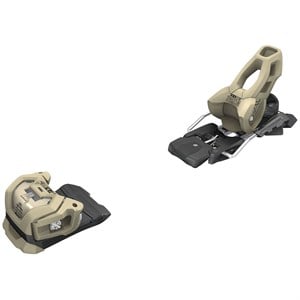
DIN Range: 3–11
-
Toe Piece: Attack LYT Toepiece, 15% lighter with auto height adjustment
-
Heel Piece: Easiest step-in force in its class
-
Boot Compatibility: ISO 5355 Alpine and ISO 23223 GripWalk soles
The Tyrolia Attack LYT 11 GW bindings are a solid choice for intermediate to advanced skiers looking for safety, comfort, and convenience. The standout feature is the lightweight design, with a toepiece that’s 15% lighter than previous models. That helps reduce overall ski weight without sacrificing performance. The auto toe height adjustment and improved boot centering make setup easier and ensure a snug, reliable fit. These bindings are also known for being extremely easy to step into—an underrated benefit for skiers with knee issues or those who want quick transitions.
Another reason the Attack LYT 11 GW stands out is its sleek profile and user-friendly features. It supports both Alpine and GripWalk soles, adding flexibility across boot types. The low DIN range maxes out at 11, making this ideal for lighter or more cautious skiers who still want responsive edge control and safety. Whether you’re cruising groomers or hitting light off-piste terrain, these bindings perform consistently. They’re also great for anyone who values lightweight gear without compromising on durability or step-in ease. For skiers who want peace of mind with every click-in, the Attack LYT 11 GW is a smart, stylish pick.
Pros
- Lightweight design reduces ski fatigue
- Extremely easy step-in, great for knee issues
- Auto toe height adjustment ensures proper fit
- Compatible with both Alpine and GripWalk boots
Cons
- DIN max of 11 may not suit aggressive or heavier skiers
- Fewer performance features compared to higher-end models
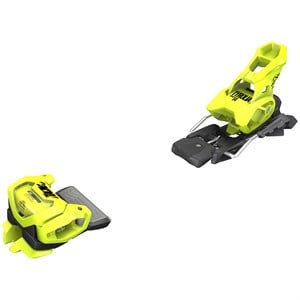
5. Tyrolia Attack 14 GW
-
DIN Range: 4–14
-
Toe Piece: FR 3 Pro Toepiece with improved AFD fixation
-
Heel Piece: NX FR Heel with adjustable DIN in open position
-
Boot Compatibility: ISO 5355 Alpine and ISO 23223 GripWalk soles
The Tyrolia Attack 14 GW bindings are a high-performance option for advanced and expert skiers who want lightweight, reliable gear with excellent power transfer. With a DIN range of 4 to 14, they’re strong enough for most aggressive freeriders while staying accessible for lighter skiers. The updated FR 3 Pro toepiece enhances energy transfer and keeps your boot locked in firmly, even at high speeds or through variable terrain. The NX FR heel allows DIN adjustments in the open position, making tuning quick and simple without extra effort.
These bindings are praised for their ease of entry, especially in deeper snow—a major advantage over some pivoting-heel designs. They also strike a smart balance between stability and weight, making them great for both wide and narrow skis. Riders who use multiple skis often prefer the Attack 14 GW for powder days, thanks to its straightforward design and dependable release. While they’re not compatible with ISO 9523 touring soles, they work well with both Alpine and GripWalk boots. If you’re looking for a binding that delivers consistent performance, is easy to use, and won’t weigh you down, the Attack 14 GW is a dependable pick.
Pros
- Lightweight and stable design for versatile use
- Easy step-in, even in powder
- Strong power transfer through toe and heel
- Compatible with both Alpine and GripWalk boots
Cons
- Not compatible with touring (ISO 9523) soles
- Lacks the elasticity of a turntable-style heel
How to Choose Ski Bindings for Bad Knees?
Skiing is an exhilarating sport, but for skiers with bad knees or a history of knee injuries, it comes with added risks. The stress skiing places on joints—especially during sudden falls or twisting movements—can be hard on weak or previously injured knees. However, the right ski bindings can go a long way in reducing those risks, making your skiing experience safer and more enjoyable. This article explains how to choose ski bindings specifically suited for bad knees, what features to look for, and which types of bindings can offer the best knee protection.
1. Understand How Bindings Affect Knee Safety
Ski bindings are designed to hold your boot securely during normal skiing but release your boot during a fall to prevent injury. The wrong bindings—too stiff, outdated, or improperly adjusted—can lead to late or failed releases, putting extra strain on your knees. For those with knee problems, bindings that release more effectively and predictably in various directions are crucial to reducing the risk of ligament injuries, particularly ACL tears.
Bindings with higher elasticity and multidirectional release are generally considered safer for the knees. These features allow the boot to move within the binding without immediately triggering a release, reducing shock on the joints and lowering the chance of pre-release. But when a release is needed—such as during a twisting fall—these bindings respond quickly to avoid injury.
2. Look for Multi-Directional Release Technology
The most important feature for knee safety is multi-directional release, especially from the toe piece. Traditional bindings often release only upward and sideways, which may not be enough in a twisting fall. Bindings with 180-degree multi-directional release—like those found in Look Pivot models—are designed to release the boot in more realistic directions that align with actual fall patterns.
This kind of release helps prevent the knee from absorbing rotational force that can lead to tears or sprains. While no binding can guarantee complete protection, a multi-directional release system is a smart choice for anyone concerned about knee health.
3. Prioritize Elastic Travel and Shock Absorption
Elastic travel is the amount of movement a boot can make within the binding before it releases. More elastic travel allows the boot to shift during rough terrain or aggressive skiing without prematurely ejecting. This is especially helpful for skiers with bad knees, as it minimizes the chance of sudden, jarring releases.
Bindings like the Look Pivot 12 or 14 GW have industry-leading elasticity, both in the toe and heel, allowing your ski to absorb more force without transferring it directly to your knees. This elasticity also reduces vibrations and increases control, adding both safety and performance.
4. Choose a Turntable Heel for Lateral Release
Turntable heels are another binding design that can benefit skiers with knee issues. The heel rotates directly under the tibia, providing consistent lateral release and reducing rotational torque on the knee. Look Pivot bindings are famous for this design, and many skiers with knee problems specifically choose them for this reason.
The Look Pivot system, for example, allows for lateral release from the heel instead of relying only on the toe. This spreads out the forces involved in a fall and minimizes stress on any single joint, especially the knee.
5. DIN Setting Considerations for Bad Knees
The DIN setting determines how much force is required for your binding to release your boot. A lower DIN means easier release, while a higher DIN requires more force. For skiers with bad knees, the goal is to find the right balance: low enough to release during dangerous falls, but high enough to prevent accidental releases during normal skiing.
Always have your DIN settings calculated by a professional based on your height, weight, age, ability level, and skiing style. If you’re rehabbing from a knee injury or have chronic knee issues, let the technician know so they can make appropriate adjustments. Never set your DIN too high out of fear of pre-release; that only increases the risk of injury.
6. Boot Compatibility and Binding Adjustment
Modern bindings are compatible with a variety of boot sole types, including Alpine DIN, GripWalk, and WTR soles. If you’re using comfort-oriented boots like GripWalk models, make sure your bindings are compatible and adjusted correctly.
Look for bindings with auto toe height adjustment or height-adjustable AFDs (Anti-Friction Devices) to ensure proper boot fit. Improper alignment or a poorly fitted boot can increase stress on the knees due to uneven pressure during release.
Bindings such as the Tyrolia Attack series offer great adjustability, making them a good choice for skiers who want a snug and precise fit without over-tightening or forcing awkward movement.
7. Weight and Step-In Ease Matter Too
Lighter bindings reduce overall weight on your skis, which can help prevent fatigue and lessen impact on the knees over time. Additionally, if you have knee instability, stepping into bindings—especially in deep snow—can be frustrating or painful. Look for bindings known for easy step-in designs, like those in the Tyrolia LYT or Marker Griffon series.
The easier it is to step in and out of your bindings, the less strain you’ll place on your knees before you even start skiing. While weight savings may seem minor, they can add up during a full day on the slopes.
8. Avoid Outdated or Inflexible Bindings
Bindings from older generations often lack the safety and performance features that today’s models offer. If your bindings are over 10 years old, consider replacing them—even if they seem to be in working condition. The release mechanisms, elasticity, and compatibility may no longer be optimal, especially if your knees need extra care.
Bindings that offer limited elasticity or one-directional release can fail to protect you in the way modern bindings can. Investing in a newer model with updated technology is a wise move for anyone concerned about joint health.
9. Top Recommended Bindings for Bad Knees
Here are a few bindings that are widely recommended:
-
Look Pivot 12 or Pivot 14 GW – Industry-leading elasticity, turntable heel, and 180° toe release make this the top choice for knee safety.
-
Marker Griffon 13 ID – Excellent reliability, Sole.ID compatibility, and smoother step-in for those who ski in mixed conditions.
-
Tyrolia Attack 14 GW – Lightweight and stable with easy step-in and solid power transfer, especially good on wider skis.
-
Tyrolia Attack LYT 11 GW – A great lighter-duty option for intermediate skiers looking for safety and comfort with easier release and reduced knee stress.
10. Final Tips for Skiing with Bad Knees
-
Warm Up: Always warm up your joints before hitting the slopes.
-
Ski Smart: Avoid overly aggressive terrain or jumps if you’re recovering or have instability.
-
Use Knee Braces: Consider wearing knee supports for added protection.
-
Stay Tuned: Regularly check and service your bindings to make sure they’re working properly.
Conclusion
Skiing with bad knees doesn’t mean you have to give up the sport. With the right bindings, you can significantly reduce your risk of injury while enjoying the mountains safely. Focus on bindings with multi-directional release, high elasticity, turntable heels, and proper DIN adjustment. Consider lightweight models for reduced fatigue and always ensure your boots and bindings are compatible and professionally set up. Investing in quality bindings designed to protect your knees can help keep you skiing longer—and with greater confidence.