Best Ski Boots for Older Skiers of 2025
Skiing doesn’t have to slow down with age — but your boots should work with you, not against you. For older skiers, comfort, warmth, and easy movement are key. No one wants to struggle getting boots on or deal with cold, aching feet. That’s where the right pair of ski boots makes all the difference. Today’s options are smarter, softer, and better suited for aging joints and tired knees. You don’t need to give up performance to gain comfort. In this guide, we’ll help you find ski boots that keep you on the mountain — longer, safer, and with a lot more fun.
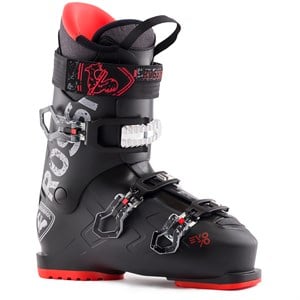
1. Rossignol Evo 70
-
Flex Index: 70 (soft, forgiving)
-
Last Width: 104 mm (wide fit, roomy forefoot and ankle)
-
Buckles: 3 micro-adjust aluminum buckles + 35 mm power strap
-
Liner: Custom T4 liner with contoured sock-like fit
The Rossignol Evo 70 ski boots are built for comfort and simplicity, especially for beginner to intermediate skiers. With a wide 104 mm last, they cater perfectly to older skiers with broader feet or those tired of tight, painful boots. The soft 70 flex is forgiving, making turns smoother and easier as you build confidence on the slopes. The Custom T4 liner molds comfortably around the foot, offering a secure yet cushy feel straight out of the box. Easy Entry construction means no more wrestling your boots on and off — a big plus if you’re returning to skiing after a break.
What really stands out is how these boots manage to feel supportive without ever being stiff. The Sensor Matrix shell reduces bulk and weight but keeps enough rigidity to maintain good control. The three aluminum buckles and wide power strap offer decent customization, and the replaceable ISO 5355 soles make them practical for long-term use. Whether you’re ditching the rental line or skiing casually with family, the Evo 70 offers comfort, value, and performance in one friendly package. If you’ve got wide feet and want a stress-free boot to grow your skills, this one’s a winner.
Pros
- Extremely comfortable for wide feet
- Soft flex makes skiing easier for beginners
- Great value for the price
- Easy to put on and take off
Cons
- Not suited for aggressive or advanced skiers
- Limited customization beyond fit and flex
See the Rossignol Evo 70 See the Women’s Kelia 50
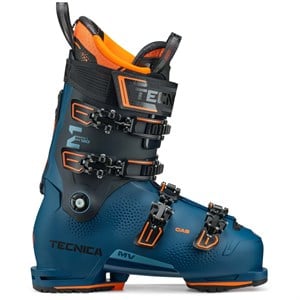
2. Tecnica Mach1 MV 120
-
Flex Index: 120 (stiff, ideal for advanced to expert skiers)
-
Last Width: 100 mm (medium volume for average feet)
-
Liner: C.A.S. Performance liner with Celliant® insulation
-
Sole Type: GripWalk ISO 23223 compatible
The Tecnica Mach1 MV 120 remains one of the most trusted expert-level ski boots on the market — and for good reason. Designed for strong, aggressive skiers, it offers a perfect mix of comfort and control. The 100 mm last suits average-width feet, while the anatomically shaped C.A.S. shell and liner give a custom-like fit right out of the box. The new Ecodesign Performance liner with Celliant® insulation not only molds to your shape but also helps keep your feet warm and enhances recovery. Features like the C.A.S. tongue and bootboard make it easier for bootfitters to fine-tune the boot to your exact needs.
On the performance side, the 120 flex and T-Drive rear spine create a powerful, responsive feel that stays consistent in any temperature. Whether carving down icy steeps or navigating variable terrain, this boot delivers solid edge grip and quick rebound. Quick Instep material makes it easier to get on and off, which is a huge bonus for stiff-flex boots. With four micro-adjustable buckles, double canting, and a thick 45 mm power strap, you can really dial in the fit. If you’re a seasoned skier who values both precision and all-day comfort, the Mach1 MV 120 is a serious upgrade worth every penny.
Pros
- Excellent performance for advanced skiers
- Comfortable, customizable fit
- Warm liner with Celliant® insulation
- Easy to put on and take off
Cons
- Too stiff for beginners or casual skiers
- Requires proper fitting to get full comfort
See the Tecnica Mach1 MV 120 See the Women’s Mach1 MV 105
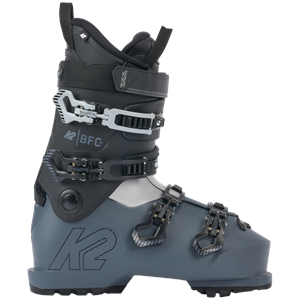
3. K2 BFC 80
-
Flex Index: 80 (soft, ideal for beginner to intermediate skiers)
-
Last Width: 103 mm (wide, high-volume fit)
-
Liner: CushFit Comfort liner with EVA and open-cell foam
-
Sole Type: GripWalk ISO 23223 for better walking grip
The K2 BFC 80 Ski Boots are a dream come true for new skiers or anyone who wants maximum comfort over aggressive performance. With a roomy 103 mm last and a soft 80 flex, these boots are ideal for wide-footed beginners who need support without stiffness. The CushFit Comfort liner feels plush and supportive straight out of the box, while the FastFIT Instep makes entry and exit simple — no wrestling required. Designed with ease and comfort in mind, they’re perfect for people learning the ropes or those who ski occasionally and value all-day warmth and ease.
Performance-wise, the BFC 80 is forgiving enough to encourage confidence on the slopes without punishing mistakes. The polypropylene shell and cuff offer lightweight support, and the four micro-adjustable buckles allow you to tweak the fit just enough for better control. The GripWalk soles add bonus convenience for walking around the resort or base area. Whether you’re buying your first pair of boots or upgrading from painful rentals, the BFC 80 is a solid choice. It delivers dependable comfort, warmth, and easy handling — all in a budget-friendly package.
Pros
- Wide and roomy fit for immediate comfort
- Easy to put on and take off
- Ideal for beginners and casual skiers
- GripWalk soles for better walking traction
Cons
- Not suitable for aggressive or expert skiing
- Lacks advanced performance features
See the K2 BFC 80 See the Women’s BFC 75
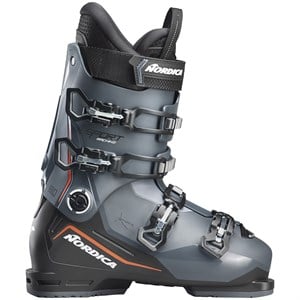
4. Nordica Sportmachine 3 80
-
Flex Index: 80 (soft, ideal for beginners and lighter skiers)
-
Last Width: 102 mm (medium-wide fit for high volume feet)
-
Liner: 3D Cork Fit Primaloft Liner with customizable Tri-Fit technology
-
Sole Type: ISO 5355 Alpine Extra Grip Soles
The Nordica Sportmachine 3 80 is built for comfort and ease, making it a fantastic choice for beginner to intermediate skiers with wider feet. The 102 mm last offers ample room in the forefoot and instep, while the soft 80 flex allows for easy ankle movement, helping new skiers develop proper form without resistance. The Easy Entry Instep design with softer plastic at the front makes slipping into and out of the boots effortless, even in cold temperatures. The Tri-Fit customization system means you can fine-tune the fit in key areas using heat molding for both the shell and liner — a major bonus for those with tricky foot shapes.
The 3D Cork Fit Primaloft liner adds another layer of plush comfort and warmth, with cork sections offering both support and shape retention. The Adjustable Cuff Profile (ACP) is especially useful for skiers with larger calves, letting you tweak the cuff volume in seconds. While it’s not built for speed demons or aggressive skiers, the Sportmachine 3 80 hits the sweet spot for those moving on from rental gear or starting fresh with something more personalized. If you want comfort, ease of use, and room to grow in your technique, this boot checks all the boxes.
Pros
- Very comfortable for wide or high-volume feet
- Easy entry and exit with soft instep design
- Heat-moldable liner and shell for a custom fit
- Adjustable cuff fits a variety of leg shapes
Cons
- Too soft for aggressive or advanced skiers
- Slightly bulky compared to performance boots
See the Nordica Sportmachine 3 80 See the Women’s Sportmachine 3 65
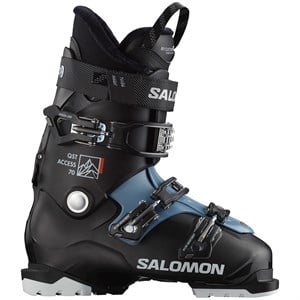
5. Salomon QST Access 70
-
Flex Index: 70 (soft, forgiving flex for beginners)
-
Last Width: 104 mm (relaxed fit for wide, high-volume feet)
-
Liner: My Custom Fit Comfort liner with Woolmetal insulation
-
Ski/Walk Mode: Hike and Ride system with V-cut shell design
The Salomon QST Access 70 is a fantastic choice for beginner to intermediate skiers who prioritize comfort and ease of use. With its roomy 104 mm last, it’s ideal for those with wide or high-volume feet who’ve struggled with tight rental boots. The soft 70 flex provides a forgiving feel that helps newer skiers build confidence while maintaining control. The My Custom Fit Comfort liner, enhanced with Woolmetal insulation, delivers cozy warmth and decent heel hold straight out of the box. Getting in and out is a breeze thanks to the Easy Step-In overlap design and soft polyolefin shell.
One standout feature is the Hike and Ride Walk Mode, which improves comfort and mobility when walking around the lodge or to the lift. A ratcheting top buckle, oversized pivot, and 35mm power strap offer better fit and power transmission than you’d expect from an entry-level boot. These features help it ski well without compromising the plush feel beginners need. If you’re just starting out or ski casually and want something supportive, warm, and simple to use, the QST Access 70 delivers a great blend of value, comfort, and beginner-friendly performance.
Pros
- Very comfortable for wide feet
- Warm liner with added insulation
- Easy to walk in with ski/walk mode
- Great fit and support for beginners
Cons
- Not ideal for aggressive skiers
- Limited adjustability with only three buckles
See the Salomon QST Access 70 See the Women’s QST Access 60
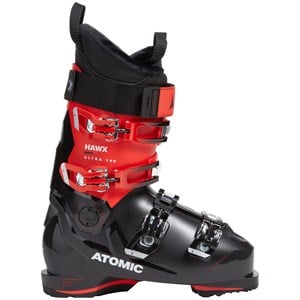
6. Atomic Hawx Ultra 100 GW
-
Flex Index: 100 (medium flex for balanced response)
-
Last Width: 98 mm (narrow fit, customizable with heat molding)
-
Liner: 3D Silver Liner with asymmetric design for better fit
-
Sole Type: Cantable GripWalk Grip Pads (ISO 23223 Type A)
The Atomic Hawx Ultra 100 GW is an outstanding ski boot for intermediate to advanced skiers with narrow feet. It combines a precise fit with a moderate flex that gives responsive power transfer without feeling overly stiff. With a 98 mm last, it hugs the foot snugly—especially around the midfoot and ankle—but Atomic’s Memory Fit heat molding system allows the shell and liner to expand where needed. This is great for skiers with slightly wider forefeet or taller insteps who still want a locked-in heel hold. The Adaptive Fit Cuff System is also a plus, giving you the flexibility to tweak calf fit without tools.
On the slope, the Hawx Ultra 100 shines in terms of balance and control. It’s lightweight thanks to Atomic’s Prolite construction, which removes unnecessary bulk while reinforcing key zones for performance. The Energy Backbone adds stiffness along the medial spine, improving edge grip and response. The boot is also easy to walk in, thanks to the GripWalk soles, and the 40mm power strap helps you get a secure closure without overtightening. It’s a solid upgrade for progressing skiers who want more precision without sacrificing comfort. Plus, it looks sharp and feels supportive all day.
Pros
- Excellent fit for narrow feet with heat customization
- Lightweight yet responsive thanks to Prolite and Energy Backbone
- Comfortable liner with great ankle support
- Adaptive cuff fits different calf shapes
Cons
- Too narrow for wide-footed skiers
- Requires professional fitting to unlock full comfort potential
See the Atomic Hawx Ultra 100 See the Women’s Hawx Ultra 95
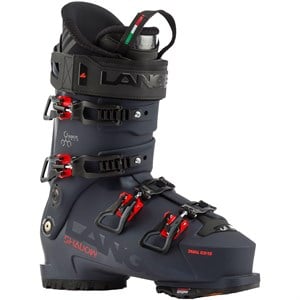
7. Lange Shadow 130 LV GW
-
Flex Index: 130 (very stiff, built for advanced and expert skiers)
-
Last Width: 97 mm (low-volume fit for narrow feet)
-
Liner: Core Custom 1 with Auxetic Technology and Reactive Boost Tongue
-
Sole Type: GripWalk ISO 23223
The Lange Shadow 130 LV GW is a bold redesign in the high-performance freeride boot category, bringing cutting-edge engineering to expert-level skiers. With a narrow 97 mm last, it hugs low-volume feet securely and comfortably, especially with the new Auxetic liner that adapts in three dimensions to your foot’s shape. The 130 flex delivers elite-level stiffness, ideal for skiers who demand fast response, precision, and power at speed. The big innovation lies in the Suspension Blade Dual Pivot design — by removing traditional rear rivets and adding a new second connection point above the heel, Lange has achieved smoother flex transitions and reduced harshness under extreme loads.
This boot blends racing pedigree with freeride versatility, and you can feel the high-quality construction from the moment you try them on. The Dual Core shell combines harder plastics where strength is needed and softer ones around the foot for improved wrapping and comfort. The 45mm power strap and secure buckles add to the sense of precision and performance. The Shadow 130 LV feels slightly lighter than comparable boots, and despite the aggressive build, it’s surprisingly comfortable out of the box—especially after minor fitting adjustments. If you’re an expert skier seeking top-tier power transfer, snow feel, and control without sacrificing comfort, this boot is a true step forward in boot design.
Pros
- Innovative flex design reduces harshness under pressure
- Responsive and powerful for expert-level skiing
- Customizable, anatomically adaptive liner
- Sleek, lightweight feel with premium materials
Cons
- Too stiff and narrow for beginners or wide-footed skiers
- Initial shell inspection recommended due to reported fragility
See the Lange Shadow 130 LV See the Women’s Shadow 115 MV
How to Choose Ski Boots for Seniors?
As we age, our bodies change — and so should our gear. For older skiers, finding the right ski boots isn’t just about performance on the slopes; it’s about comfort, warmth, stability, and safety. Whether you’re a lifelong skier returning after a break or just learning to ski later in life, the right boots can make all the difference between an enjoyable day and an uncomfortable one. This guide walks you through everything aged skiers need to know when choosing ski boots — from fit and flex to warmth and walkability.
1. Prioritize Comfort Above All
Comfort is king, especially for older men. Unlike younger skiers who may prioritize tight, performance-driven boots, senior skiers should focus on all-day wearability. With age, feet can become wider, arches may fall, and circulation can slow down. That means ski boots that once felt fine might now feel tight, cold, or even painful.
Look for boots with:
-
A wider last (forefoot width of 102mm or more)
-
Cushioned liners with thermal insulation
-
Customizable shells and liners for a tailored fit
Boots with heat-moldable liners or shell customization options, like those using Memory Fit or C.A.S. technologies, allow a bootfitter to adjust the shape to match your exact foot anatomy, reducing pressure points and improving circulation.
2. Choose the Right Flex Index
Flex rating measures how stiff a boot is when you lean forward. For older women, a softer flex (between 60 and 100) is typically better. Stiff boots demand more strength and mobility, which may not be ideal if you have joint issues, limited ankle flexibility, or reduced muscle power.
Here’s a basic guide to flex ratings for older adults:
-
60–80 Flex: Great for beginner to intermediate skiers or those looking for maximum comfort and ease.
-
90–100 Flex: Suitable for more experienced skiers who still want some responsiveness but with added forgiveness.
A softer flex boot will make it easier to get into the right skiing position and reduce fatigue over time.
3. Go for a Wider Last
As mentioned earlier, many older skiers have wider feet due to natural changes in foot shape over time. Ski boots come in different last widths, which refer to the width of the forefoot. Choosing the right last can prevent circulation issues and cold feet.
-
Narrow (96–98mm): Only for skiers with naturally narrow feet.
-
Medium (100–102mm): Standard fit, might still feel tight for some.
-
Wide (103–106mm): Best for wider feet or those looking for a more relaxed, comfortable fit.
Boots like the Salomon QST Access 70 or Nordica Sportmachine 3 80 are excellent options in this category.
4. Look for Easy Entry and Exit
Mobility can become more limited with age, especially in the hips, knees, or back. Wrestling your feet in and out of stiff boots can be frustrating — and painful. That’s why it’s crucial to look for boots with easy entry systems.
Many models offer features like:
-
Soft instep zones or overlap flaps for wider openings
-
Walk/hike modes to unlock the cuff for greater movement
-
Rear-entry designs (less common now, but still appreciated by some older skiers)
For instance, K2’s BFC (Built For Comfort) line includes an Easy Fit instep, making it much easier to slide your foot in and out.
5. Ensure Warmth and Insulation
Older skiers often feel the cold more acutely, particularly in the extremities. Cold feet not only make skiing miserable but also increase the risk of frostbite and poor circulation. Look for boots with insulated liners and moisture-wicking materials.
Top brands often include:
-
Thinsulate™ or Primaloft® in liners
-
Woolmetal or other heat-retaining inserts
-
Heated liners or boot heaters (aftermarket add-ons)
Some semi-custom liners also allow the addition of heated insoles — a worthwhile investment if you ski in colder climates.
6. Support Matters: Don’t Overlook Footbeds
Older feet need more support. Custom or semi-custom footbeds can help relieve pressure on the arch, provide better alignment, and improve circulation. They also reduce fatigue by supporting your natural foot shape.
Even if you choose a great-fitting boot, adding a footbed (custom orthotic or a high-quality over-the-counter insert) can dramatically improve comfort and control.
7. Check the Walkability
Most modern ski boots now offer a walk mode, also called hike or ski/walk mode. This feature unlocks the cuff to allow more range of motion when walking or standing. It’s not just useful for backcountry skiing — it’s helpful when walking to the lodge, carrying your skis, or navigating stairs.
GripWalk soles or ISO 23223-compatible boots also provide better traction when walking, which is important for reducing the risk of slips or falls in icy conditions.
8. Work with a Bootfitter
Older skiers often have more complex fitting needs — bunions, hammer toes, fallen arches, or prior injuries. A certified bootfitter can make a world of difference. They’ll measure your foot, assess pressure points, heat-mold the liner and shell, and even stretch problem areas.
Even if you purchase boots online, many ski shops will offer fitting services for a fee. It’s well worth the time and cost for comfort that lasts all season.
9. Choose the Right Weight and Design
Lighter boots put less strain on your legs and make walking easier, while still offering the support you need for control. Many brands now use Prolite, Dual Core, or similar lightweight shell technologies to reduce bulk without sacrificing performance.
Also, consider boots with three buckles instead of four if you struggle with mobility or want quicker entry/exit. Some high-end boots use BOA® systems, which replace traditional buckles for easier micro-adjustments.
10. Don’t Forget Style and Color (Yes, It Matters)
While it’s not the most important factor, enjoying how your boots look can make you feel more confident and enthusiastic about skiing. Many boots now come in sleek, stylish colors and finishes — no more boring black clunkers unless that’s your style.
Final Thoughts
Choosing ski boots as an older man is all about listening to your body and investing in gear that prioritizes comfort, warmth, and ease of use. You don’t need to sacrifice performance — many modern boots are designed to deliver a great skiing experience without the stiffness or tightness of race-oriented models.
Look for wide lasts, soft to moderate flex, easy entry systems, and heat-moldable liners. Take the time to work with a bootfitter, and don’t hesitate to add custom footbeds or heated insoles if needed. With the right ski boots, you’ll stay on the slopes longer, ski more confidently, and enjoy every turn — regardless of age.