Best Ski Glove Liners of 2025
Keeping your hands warm and dry on the slopes is key to enjoying your ski day, and that’s where ski glove liners come in. These lightweight layers add extra warmth, wick away moisture, and improve comfort inside your gloves. Whether you’re facing freezing temperatures or just want better control and flexibility, the right liners can make a big difference. In this guide, we’ll look at the best ski glove liners that keep your hands toasty, dry, and ready for every run.
1. Hestra Heli Ski Glove Liners
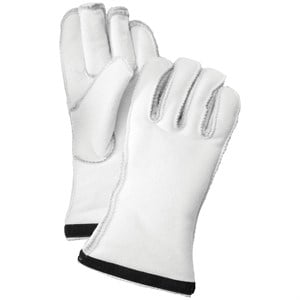
- Material: 100% Polyester
- Insulation: G-Loft Synthetic
- Lining: Bemberg Polyester
- Warranty: Limited Lifetime
The Hestra Heli Ski Glove Liners are designed to breathe new life into your ski gloves, adding warmth and comfort for extreme cold. Crafted from G-Loft insulation, these liners offer excellent heat retention even in damp conditions, while the Bemberg polyester lining ensures a soft and smooth feel against your skin. They are perfect replacements or backups for Hestra gloves, providing long-lasting quality and durability.
Many skiers use these liners to enhance their existing gloves, finding them ideal for freezing mountain conditions. They attach easily with Velcro and fit securely inside Hestra’s outer shells, improving insulation on single-digit days. Whether for skiing, snowboarding, or hunting, these liners deliver reliable warmth and performance throughout the season.
- Pros: Excellent insulation, soft lining, durable construction, easy Velcro attachment
- Cons: Pricey compared to generic liners, limited color options
See the Hestra Heli Ski Glove Liners
2. SIMARI Winter Gloves Liner

- Material: 95% Polyester, 5% Spandex
- Lining: Flannel Interior
- Touchscreen: Compatible on Index and Thumb
- Grip: Silicone Palm and Fingers
The SIMARI Winter Gloves Liners are versatile, touchscreen-compatible gloves perfect for daily winter use or as an underlayer for heavier ski gloves. Their polyester-spandex blend gives them excellent stretch and comfort, while the flannel lining ensures warmth without bulk. Silicone grip patterns enhance dexterity, making them suitable for driving, cycling, or outdoor activities in cold weather.
These liners stand out for their sensitive touchscreen design, allowing seamless smartphone and smartwatch use. The reflective elements on the back improve night-time visibility, making them a solid choice for early morning or evening workouts. Lightweight, breathable, and warm, they’re an affordable and reliable winter essential.
- Pros: Touchscreen-friendly, excellent grip, reflective safety features, comfortable lining
- Cons: Not ideal for extreme cold, limited water resistance
See the SIMARI Winter Gloves Liner
3. Hestra Heli Ski Mitt Liner
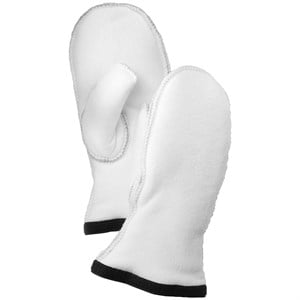
- Material: 100% Polyester
- Insulation: G-Loft Synthetic
- Lining: Bemberg Polyester
- Attachment: Velcro Closure
The Hestra Heli Ski Mitt Liner adds an extra layer of warmth to your favorite Hestra mitts, ideal for skiers tackling frigid conditions. With G-Loft insulation, these liners trap heat effectively while remaining lightweight and breathable. The smooth Bemberg lining enhances comfort and wicks away moisture, ensuring your hands stay dry during long days on the slopes.
They’re designed to integrate seamlessly with Hestra’s outer mitts but also work with various glove models. Quick-drying and compressible, they’re perfect for travel or multi-day ski trips. For those who want to extend their mitts’ lifespan and boost insulation, the Heli Ski Mitt Liner is a dependable companion.
- Pros: Superior warmth, compatible with many Hestra models, moisture-wicking, quick-drying
- Cons: Slightly expensive, limited standalone use
See the Hestra Heli Ski Mitt Liner
4. Under Armour Storm Gloves Liner

- Material: Ultra-soft Knit Fabric
- Technology: UA Storm Water Repellent
- Touchscreen: Tech Touch Fingertips
- Extras: Speedwipe Fleece Panels
The Under Armour Storm Gloves Liners combine sleek design and weather resistance in a lightweight package. The UA Storm technology repels water while maintaining breathability, making these liners perfect for mild winter conditions or as an insulating base under bulkier gloves. The smooth exterior and plush interior provide just the right amount of warmth for active use.
Tech Touch fingertips allow full touchscreen functionality, so you can use your phone or GPS without removing the gloves. The Speedwipe fleece on the thumb and index finger adds extra convenience for wiping away moisture. Ideal for running, skiing, or layering, these liners deliver reliable performance and comfort.
- Pros: Water-repellent, touchscreen compatible, soft and comfortable, versatile layering option
- Cons: Not warm enough for sub-zero temps, limited insulation
See the Under Armour Storm Gloves Liner
5. Hestra Heli Ski 3-Finger Liners
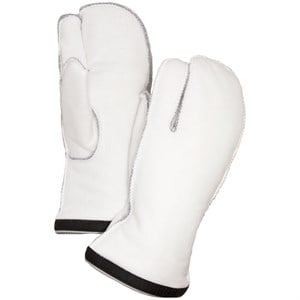
- Material: 100% Polyester
- Insulation: G-Loft Synthetic
- Lining: Bemberg Polyester
- Attachment: Velcro System
The Hestra Heli Ski 3-Finger Liners are built to restore warmth and comfort to your Hestra gloves. Using G-Loft insulation, these liners offer outstanding heat retention without sacrificing breathability, making them ideal for cold ski days. The soft Bemberg lining provides a luxurious feel and effective moisture control.
These liners fit securely into Hestra’s 3-finger gloves and attach easily with Velcro for a snug fit. Whether you’re replacing worn-out liners or boosting warmth for deep winter conditions, they’re a reliable upgrade for any serious skier. Lightweight and durable, they extend glove life and performance.
- Pros: Excellent insulation, soft interior, easy to install, long-lasting
- Cons: Premium price, limited compatibility with non-Hestra gloves
See the Hestra Heli Ski 3-Finger Liners
6. HIGHLOONG Gloves Liner
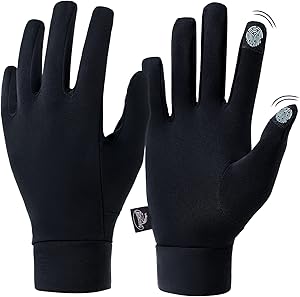
- Material: 88% Polyester, 12% Spandex
- Lining: Fleece Interior
- Stretch: Four-way Elastic
- Touchscreen: Index and Thumb Tips
The HIGHLOONG Gloves Liners provide excellent comfort and flexibility for a range of cold-weather activities. Made from a polyester-spandex blend with a soft fleece lining, they keep your hands warm without overheating. The four-way stretch design ensures a natural fit and unrestricted movement, making them ideal for typing, driving, or layering under ski gloves.
Touchscreen-friendly fingertips allow easy smartphone use, while the breathable material helps regulate temperature. Suitable for both men and women, these liners perform well as standalone gloves in mild cold or as inner liners for harsher climates. They’re affordable, versatile, and designed with all-day comfort in mind.
- Pros: Soft fleece feel, touchscreen compatible, great stretch, versatile use
- Cons: Not waterproof, limited size options
See the HIGHLOONG Gloves Liner
7. Terramar Thermasilk Liner
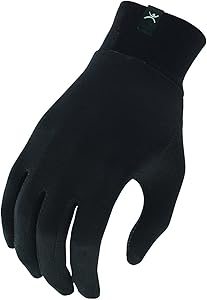
- Material: 100% Silk
- Technology: Climasense Thermoregulation
- Drying: Fast-Wicking Fabric
- Fit: Stretch Construction
The Terramar Thermasilk Liners deliver unmatched comfort with their 100% silk construction, offering a smooth, lightweight layer of warmth. The Climasense thermoregulation technology adapts to your body temperature, keeping your hands dry and comfortable whether you’re skiing or hiking. These liners wick moisture efficiently and dry quickly, ideal for active winter pursuits.
Designed to stretch and fit snugly without irritation, they can be worn alone or under heavier gloves. Despite their thin profile, they provide excellent insulation, making them a go-to for layering in freezing weather. Available in multiple sizes and colors, they’re a premium choice for anyone seeking luxurious warmth.
- Pros: Ultra-soft silk feel, great moisture control, lightweight, fast-drying
- Cons: Less durable than synthetic options, limited insulation in extreme cold
See the Terramar Thermasilk Liner
8. BORLENI Glove Liners

- Material: Polyester and Spandex Blend
- Weight: 12g per Hand
- Design: 4-Way Stretch Fit
- Odor Control: Moisture-Wicking Fabric
The BORLENI Glove Liners are lightweight yet effective, designed for maximum dexterity and comfort. Their polyester-spandex construction provides flexibility and a snug fit, making them ideal as inner layers beneath ski gloves. They wick moisture efficiently to keep hands dry and reduce friction, making it easier to slip heavier gloves on and off.
Weighing just 12g per hand, they’re ultra-light and easy to carry. The soft inner lining enhances comfort while preventing unpleasant odors from sweat buildup. Perfect for skiing, cycling, or hiking, these liners are a practical and affordable addition to your winter gear.
- Pros: Lightweight, breathable, odor-resistant, comfortable fit
- Cons: Not very warm on their own, minimal wind protection
How to Choose Ski Glove Liners
When it comes to skiing in freezing temperatures, glove liners can make a world of difference. They provide an extra layer of insulation, wick away moisture, and improve comfort and dexterity inside your main ski gloves. Choosing the right pair can significantly enhance your overall skiing experience by keeping your hands warm, dry, and flexible on the slopes. In this guide, we’ll explore everything you need to know about selecting the best ski glove liners for your needs — from materials and insulation types to fit and compatibility.
Understanding the Role of Ski Glove Liners
Ski glove liners are lightweight gloves designed to be worn under your main ski gloves or mittens. Their main purpose is to boost warmth without adding much bulk. Liners also help manage moisture by wicking sweat away from your skin, preventing your hands from getting clammy or cold. Some liners can even be worn on their own during mild weather or for après-ski activities.
In addition to warmth and moisture control, glove liners improve hygiene by keeping your outer gloves cleaner for longer. They are easy to wash and quick to dry, making them an essential part of any skier’s gear setup.
Choosing the Right Material
Silk Liners
Silk glove liners are known for their luxurious feel and excellent moisture-wicking properties. They’re incredibly lightweight and thin, making them ideal for skiers who want a smooth layer that doesn’t compromise dexterity. However, silk liners are less durable than synthetic options and may not provide as much insulation in extremely cold conditions.
Wool Liners
Merino wool liners are popular for their natural warmth and odor resistance. Wool regulates temperature exceptionally well, keeping your hands warm even when damp. These liners are a great choice for all-day comfort and breathability. The downside is that they can take longer to dry and may be slightly bulkier than silk or synthetic options.
Synthetic Liners
Polyester and spandex blends are the most common materials for ski glove liners. They’re durable, stretchy, and moisture-wicking, making them perfect for active skiers. Many synthetic liners also include insulation like G-Loft or Thinsulate for added warmth. They dry quickly and are generally more affordable than wool or silk options.
Fleece Liners
Fleece liners are thicker and softer, providing great warmth and comfort for extremely cold conditions. They work best under roomy outer gloves or mittens. However, fleece isn’t as breathable as other fabrics and can feel too warm during high-intensity skiing or spring conditions.
Understanding Insulation
Insulation plays a crucial role in determining how warm your liners will be. Synthetic insulations like Thinsulate, PrimaLoft, and G-Loft are lightweight, compressible, and retain heat even when wet. For skiers who often face variable conditions, these materials are ideal. Some liners are uninsulated and rely solely on their fabric properties for warmth — these are great for layering flexibility and moisture management.
Fit and Comfort
Getting the right fit is essential for both comfort and performance. Glove liners should fit snugly without feeling tight or restricting movement. A good liner will move naturally with your fingers and fit easily under your main ski gloves. If they’re too bulky, they can reduce dexterity and make it harder to grip ski poles or adjust gear. Conversely, if they’re too tight, they may restrict blood flow, leading to cold hands.
Always try your liners with your ski gloves before hitting the slopes. This ensures the combination feels comfortable and that the liners don’t bunch up or slip during activity. Many modern liners include elastic cuffs or adjustable closures to secure the fit and keep warmth in.
Touchscreen Compatibility
In today’s digital age, touchscreen compatibility has become a valuable feature. Many glove liners now have conductive fabric on the fingertips, allowing you to operate smartphones, GPS devices, or cameras without removing your gloves. This feature is particularly useful for skiers who like to check maps, adjust settings, or capture moments on the slopes without exposing their hands to the cold.
Water Resistance and Breathability
While glove liners are not meant to replace waterproof ski gloves, some models offer water-resistant coatings or materials. This helps prevent moisture buildup when used alone or in damp conditions. Breathability, on the other hand, ensures that sweat can escape, keeping your hands dry from the inside out. Look for liners with moisture-wicking properties to maintain comfort during active skiing.
Dexterity and Grip
Dexterity is especially important for adjusting bindings, zippers, or goggles on the go. Thinner liners made from flexible materials like polyester-spandex blends provide the best dexterity. Some liners also feature silicone grip patterns on the palms and fingers, which enhance control when holding ski poles or other gear. If you often remove your outer gloves for fine tasks, choose liners that allow unrestricted movement.
Compatibility with Outer Gloves
Before buying, make sure your glove liners fit comfortably inside your existing ski gloves or mittens. If your outer gloves are already snug, a thick liner might make them too tight. Many brands, such as Hestra, design liners specifically to pair with their glove models for a seamless fit. If you’re using liners from a different brand, check size charts carefully and consider trying them on together to ensure compatibility.
Weight and Packability
Ski glove liners are generally lightweight, but weight can vary depending on material and insulation. Silk and synthetic liners are ultralight and easy to pack in a pocket, while fleece or wool liners may take up more space. For multi-day trips or backcountry skiing, compact liners are easier to carry as spares or backups in case your main gloves get wet.
Durability and Maintenance
Durability is an important factor if you plan to use your liners frequently. Synthetic blends are typically more resistant to wear and tear than silk or lightweight wool. However, all liners should be washed carefully to maintain their properties. Most models can be machine washed on a gentle cycle, but always follow manufacturer instructions. Avoid high heat during drying, as it can damage delicate fibers and elastic materials.
Price and Value
Glove liners range from budget-friendly synthetic options to premium silk or wool versions. Higher-end models often provide better comfort, fit, and moisture management, but even affordable liners can perform well for casual skiers. It’s worth investing in quality liners if you ski regularly, as they can extend the life of your outer gloves and significantly improve warmth.
When to Replace Your Glove Liners
Over time, glove liners can lose their elasticity, insulation, and moisture-wicking ability. If your liners start feeling damp, lose shape, or show signs of wear, it’s time for a replacement. Regular washing and proper storage can extend their lifespan, but they’re inexpensive enough to replace every few seasons if needed.
Top Tips for Choosing the Perfect Liners
- Always match liners to your outer glove size for a comfortable fit.
- Prioritize moisture-wicking and quick-drying materials for all-day comfort.
- Look for touchscreen compatibility if you use devices frequently on the slopes.
- Choose lightweight liners for high-intensity skiing and thicker ones for extreme cold.
- Consider having multiple pairs for different weather conditions.
Conclusion
Choosing the right ski glove liners can make a major difference in your warmth and comfort on the mountain. The ideal pair will depend on your skiing style, climate, and personal preference for material and fit. Silk liners excel in light layering and comfort, wool liners provide natural warmth, and synthetic options offer durability and moisture control. Whatever your choice, remember that glove liners are not just accessories — they’re essential tools for keeping your hands dry, warm, and ready for every run. With the right liners, you can focus on your performance and enjoy the slopes in complete comfort.