Best Skis for Beginners of 2026
Starting to ski is super exciting, but picking your first pair of skis can feel tricky. Don’t worry—we’re here to help. This guide breaks down the best skis for beginners in simple terms. We’ll show you easy-to-use options that build confidence, helping you find the perfect match without breaking the bank. Get ready to hit the slopes with gear made just for you.
1. Season Primer
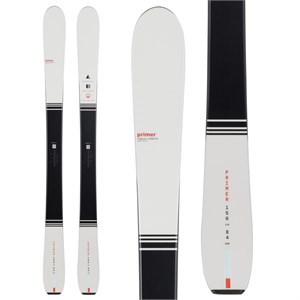
- Terrain: All-Mountain
- Ability Level: Beginner-Intermediate
- Core: Poplar Wood Core
- Tail Type: Full Twin Tip
The Season Primer is a fantastic entry point for skiers looking to master the entire mountain. Its versatile twin tip shape and soft poplar wood core create a forgiving platform that excels at low speeds while offering enough energy for those starting to explore the terrain park. The tight turning radius makes edge-to-edge transitions feel intuitive and effortless.
What sets this ski apart is its unique dual-progressive sidecut which adapts to your skill level as you grow. It provides easy carving for beginners at lower angles but becomes more stable and relaxed as you pick up speed and lean further into your turns. It is a playful, durable tool designed to boost confidence from the groomers to the trees.
Pros: Includes lifetime free waxes and tunes; very forgiving flex; great for freestyle progression.
Cons: No bindings included; might feel too soft for aggressive heavyweight skiers.
2. Rossignol Experience 78
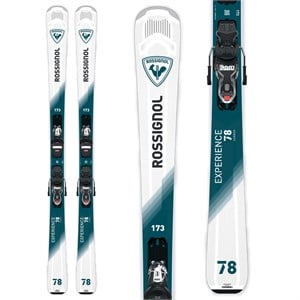
- Rocker Type: All Trail Profile (Rocker/Camber)
- Construction: Cap Construction
- Included Bindings: Xpress 10 GW Bindings
- Eco-Feature: 100% Recycled Steel Edges
The Rossignol Experience 78 is engineered to turn the front side of the mountain into a stress-free environment for developing skiers. By utilizing a lightweight poplar core and a dampening Drive Tip Solution, these skis absorb vibrations from uneven snow to provide a remarkably smooth ride. The cap construction further enhances durability while keeping the weight manageable for all-day sessions.
This package is particularly appealing because it includes the Xpress 10 GW bindings, making it a ready-to-go solution for those moving away from rentals. The All Trail sidecut ensures that the ski engages the snow immediately upon starting a turn, giving the rider a sense of control and precision usually reserved for more advanced equipment. It is a reliable, eco-conscious choice for carving.
Pros: Excellent vibration dampening; sustainable construction materials; includes integrated binding system.
Cons: Narrower waist limits performance in deep powder; cap construction offers less edge grip than sidewalls.
See the Rossignol Experience 78
3. Völkl Shine 76
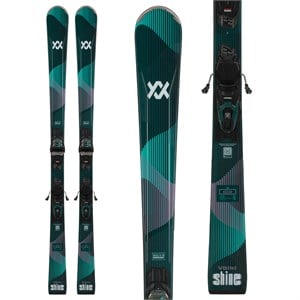
- Core: Multilayer Woodcore
- Sidewalls: Full Sidewalls
- Base: P-Tex 2100
- Turning Radius: Short
Designed specifically for women, the Völkl Shine 76 takes the high-performance DNA of the Peregrine series and tunes it for a more forgiving, agile experience. The Multilayer Woodcore provides a premium, snappy feel that synthetic cores simply cannot match. With full sidewalls, these skis offer impressive edge hold on icy eastern slopes while remaining easy enough for beginners to pilot.
The inclusion of the vMotion 10 Lady bindings ensures a lightweight and secure connection to the ski. Because these skis feature both tip and tail rocker, they are incredibly easy to pivot in tight spots or crowded trails. They represent the perfect blend of German engineering and user-friendly design, allowing for rapid progression without the fatigue often caused by stiffer, more demanding racing skis.
Pros: Superior edge hold via full sidewalls; high-quality sintered base; specifically tuned for female biomechanics.
Cons: Specifically tailored for groomed snow; less versatile in off-piste terrain.
4. Atomic Bent 85
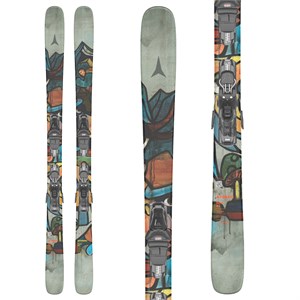
- Rocker Type: All Mountain Rocker (20/65/15)
- Core: Light Wood and Densolite Core
- Tail Type: Partial Twin Tip
- Edges: 1.3˚ Base Edge Bevel
The Atomic Bent 85 is the gateway drug to the world of artistic, freestyle-inspired skiing. Designed by the legendary Chris Benchetler, this version scales down the powder-crushing performance of its wider siblings into a nimble, 85mm-waisted tool that thrives on groomers and in the park. The composite wood and Densolite core keeps the weight down, making it easy to maneuver through bumps or over jumps.
With a partial twin tip design, these skis are comfortable landing switch but still maintain enough directional stability for high-speed cruising. The Dura Cap sidewalls provide a nice balance of power transmission and resistance to chipping. This setup comes with M10 GW bindings, making it an excellent value for younger riders or adults who want a playful, creative feel across the entire resort.
Pros: Extremely lightweight and maneuverable; iconic artistic graphics; great transition ski for park and pipe.
Cons: Densolite core is less damp than full wood; 85mm waist struggles in fresh snow.
5. Rossignol Sender Soul 92

- Core: Paulownia
- Waist Width: 92 millimeters
- Sidecut Radius: 16 meters (at 166cm)
- Weight: 6 lbs. 3.2 oz. (Pair at 166cm)
The Rossignol Sender Soul 92 is a modern classic that bridges the gap between a carving ski and a freeride machine. Utilizing a Paulownia wood core, it remains remarkably light underfoot, reducing leg fatigue during long days on the slopes. The 92mm waist width is the sweet spot for versatility, offering enough surface area to stay afloat in light powder while remaining quick enough for groomed runs.
This ski is built for the adventurer who wants one pair of skis to handle everything the resort throws at them. The tip rocker allows for easy turn initiation and better floatation, while the partial twin tail adds a level of playfulness when exiting turns. It comes as a complete package with bindings that are compatible with both traditional Alpine and modern GripWalk boot soles for maximum convenience.
Pros: Highly versatile waist width; lightweight Paulownia core; compatible with various boot sole standards.
Cons: May chatter at very high speeds on hard ice; 92mm can feel wide for pure beginners.
See the Rossignol Sender Soul 92
6. Line Skis Pandora 99
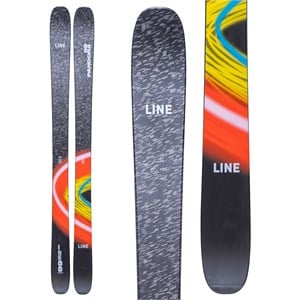
- Core: Aspen Veneer Core
- Rocker Profile: 11mm Tip / 2mm Camber / 6mm Tail
- Ability Level: Intermediate-Advanced
- Sidewalls: Thick-Cut Sidewalls
The Line Skis Pandora 99 is widely regarded as one of the best “one-ski quivers” available for women who refuse to be limited by conditions. With a 99mm waist, it is wide enough to surf through deep overnight dumps but features a construction that allows it to rip hardpack groomers with surprising grace. The Aspen veneer core provides a lightweight, snappy feel that makes the ski alive and energetic.
By using Bio Resin and thick-cut sidewalls, Line has created a ski that is as durable as it is high-performing. The moderate camber underfoot ensures you have plenty of grip when things get firm, while the significant tip rocker keeps you on top of the soft stuff. This is an ideal choice for the beginner skier looking to step up their game or the advanced rider who wants a playful, reliable daily driver.
Pros: Truly excels in all snow conditions; lightweight yet durable; excellent flotation in powder.
Cons: No bindings included; wide waist requires more effort to roll onto edge on ice.
How to Choose Skis as a Beginner?
Choosing your first pair of skis can feel overwhelming. With so many shapes, sizes, and technical terms thrown around, it’s hard to know what really matters when you’re just starting out. The good news? You don’t need the most expensive or advanced skis to enjoy the slopes—you just need something that’s comfortable, forgiving, and confidence-building. This guide breaks down everything beginners need to consider when choosing the right skis.
1. Know Your Skill Level and Goals
The first step in choosing the right skis is understanding where you are as a skier. If you’re completely new to skiing or still mastering your turns on green and blue runs, you fall into the “beginner” or “beginner-intermediate” category. Your ideal ski will help you develop good technique, make turning easier, and offer control at slower speeds.
Your goals matter too. Are you mostly skiing groomed resort trails? Do you eventually want to explore off-piste terrain or learn freestyle tricks? Knowing what kind of skiing interests you will help shape the type of ski you choose.
2. Ski Length: Shorter Is (Usually) Better
Ski length has a big impact on how easy a ski is to control. For beginners, shorter skis are easier to turn and maneuver, which is crucial while learning.
A good general rule: beginner skis should come up somewhere between your chin and nose when standing upright. If you’re on the lighter side or cautious on the slopes, go closer to chin height. If you’re more athletic or plan to ski more aggressively, you might go slightly longer.
Keep in mind, different skis have different shapes (like tip and tail rocker), which can affect how long a ski “feels” on the snow. Always refer to the manufacturer’s size chart as well.
3. Ski Width: Narrow Is More Nimble
Ski width is measured at the waist (the narrowest part of the ski). For beginners sticking to groomed trails, a narrower ski—around 70–85mm underfoot—is ideal. Narrow skis transition from edge to edge more easily, which makes turning simpler and more intuitive.
Wider skis (above 90mm) are meant for off-piste or powder skiing. They provide more float in soft snow but can feel clunky and hard to maneuver on hardpack—especially for new skiers.
4. Rocker Profile: Look for Rocker/Camber Combo
A ski’s rocker profile describes how it curves along its length. Most skis use a rocker/camber/rocker profile. This means:
- Rockered tips and tails help initiate and release turns more easily and reduce the chance of catching an edge.
- Camber underfoot provides grip and control on hard snow.
This combination gives you the best of both worlds: easier turning with stability and edge control. Avoid full camber skis or those with aggressive shapes unless you’re being guided by a knowledgeable instructor or shop tech.
5. Flex and Construction: Softer = Forgiving
Flex refers to how stiff the ski is. Beginners should look for a softer flex because it’s more forgiving and doesn’t punish mistakes. Softer skis absorb bumps and make it easier to control speed and turns.
Most skis use composite or hybrid cores (wood + foam or polyurethane) to reduce weight and increase flexibility. While advanced skis might use layers of metal for power and speed, these materials can make skis too stiff and challenging for beginners.
6. Sidecut and Turning Radius: Short Is Sweet
The sidecut is the hourglass shape of a ski and affects its turning radius. Skis with more sidecut (wider tips and tails with a narrow waist) have a shorter turning radius and are better at making tighter turns.
Beginner skis generally have a short turning radius (10–15 meters), which makes learning parallel turns much easier. Avoid skis with long turning radii designed for high-speed carving—these are harder to control at slower speeds.
7. Bindings: Included Is Convenient
Most skis come as a package with bindings included. This is ideal for first-timers—it saves money, and the bindings are usually pre-selected to match the ski’s flex and design.
Look for bindings with a DIN range that starts around 2–3 and goes up to 10. This allows flexibility as you improve and gain confidence. Always have a certified technician mount and adjust your bindings based on your weight, height, boot size, and ability level.
8. Durability and Value: Rental-Ready Models Are Smart
Some skis are built with added durability for the rental market. While these might seem like lower-end options, they’re actually great for beginners—they’re tough, forgiving, and designed for repeated use.
Brands like Atomic (e.g., Bent 85 R), Dynastar (E-Cross series), K2 (Disruption 76), and Rossignol (Experience 78 CA) all offer beginner-friendly skis that balance performance with durability and ease of use.
9. Price: What Should You Spend?
You don’t need to break the bank to get a solid first pair of skis. Beginner packages (skis + bindings) typically cost between $400–$600. Anything cheaper may lack quality; anything more expensive might include features that are unnecessary for learning.
If you’re planning to ski just once or twice a season, renting may still be more cost-effective. But if you’re committed to skiing more regularly, buying your own skis is worth it in terms of comfort, fit, and convenience.
10. Demo If You Can
If you’re unsure what kind of ski you like, consider renting a few different models or attending a demo day at a resort. Trying skis before buying gives you a real-world feel for what works best for your style, body type, and terrain preference.
Final Thoughts
Choosing beginner skis doesn’t have to be complicated. Focus on models that offer easy turning, forgiving flex, and a comfortable ride. The best skis aren’t the flashiest or stiffest—they’re the ones that build your confidence and keep you having fun on the mountain.
Look for skis with:
- Rocker/camber profiles for easier turning
- Narrow waists (70–85mm) for quicker edge control
- Soft flex and composite or hybrid cores for comfort
- Short turning radius for learning proper carving technique
Stick with trusted brands, buy from a reputable retailer, and have your bindings mounted by a certified tech. With the right skis underfoot, your first season will be smoother, safer, and way more fun.