Best Skis for Groomers of 2026
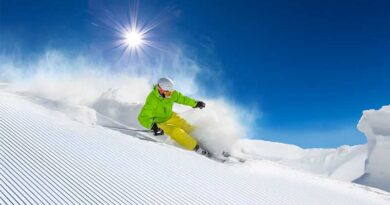
If you love carving smooth turns on packed snow, you need the right skis. Groomer skis are built for speed, control, and edge grip. They work best on maintained trails and ski resort runs. These skis are usually narrow, quick, and stable. They help you glide smoothly and make sharp turns with ease. Whether you’re a beginner or expert, the right pair makes a big difference. In this guide, we list the best skis for groomers this season. We looked at performance, comfort, and value. Let’s find the perfect pair to match your style and skill level on the mountain.
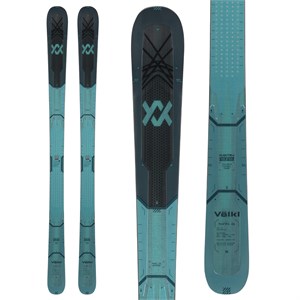
1. Völkl Mantra 88
- Ability Level: Intermediate-Advanced
- Core: Multilayer Woodcore (Beech/Poplar)
- Rocker Type: Tip & Tail Rocker
- Turning Radius: Medium
The updated Völkl Mantra 88 features a redesigned carbon fiber tip and a Tailored Titanal Frame that enhances its high-speed performance. By adjusting the stiffness based on the length of the ski, Völkl ensures that every rider gets the perfect balance of power and agility. The new tip geometry allows the ski to hook into turns more smoothly than previous versions.
This is a hard-charging all-mountain machine built for skiers who value edgehold and stability above all else. With its 3D Radius Sidecut, it remains surprisingly versatile, allowing you to switch between long, sweeping arcs and tight, technical turns on a dime. It is a demanding but rewarding choice for those who push their limits on the front side.
Pros: Exceptional edgehold, high-speed stability, and customizable stiffness via tailored frames.
Cons: Can be demanding for less aggressive skiers and lacks flotation in deep powder.
See the Völkl Mantra 88 See the Women’s Mantra 88
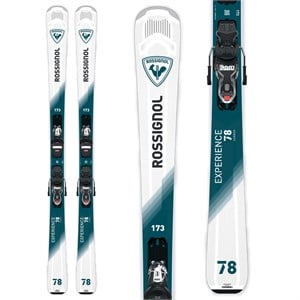
2. Rossignol Experience 78
- Ability Level: Beginner-Intermediate
- Included Binding: Xpress 10 GW Bindings
- Rocker Type: Rocker/Camber
- Turning Radius: Short
The Rossignol Experience 78 is designed to provide confidence and ease for those still perfecting their carving technique. Utilizing a Poplar Wood Core and the Drive Tip Solution, these skis absorb vibrations from uneven terrain to keep the ride smooth and predictable. The cap construction makes the ski lightweight and easy to maneuver without requiring heavy physical input.
Because it comes as a package with Xpress 10 bindings, it is a convenient and cost-effective entry point for front-side enthusiasts. The All Trail profile ensures that the tip engages immediately at the start of the turn, helping beginners feel like they are on rails. It is the perfect tool for turning groomed runs into a personal playground while maintaining a playful feel.
Pros: Very approachable for learners, includes bindings, and features eco-friendly recycled materials.
Cons: Lacks stability at extreme speeds and not designed for off-piste or deep snow.
See the Rossignol Experience 78
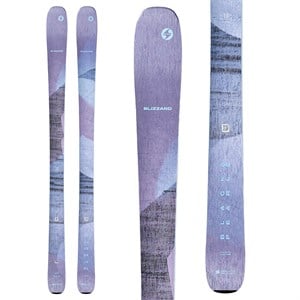
3. Blizzard Black Pearl 88 – Women’s
- Ability Level: Intermediate-Advanced
- Core: TrueBlend W.S.D. All Mountain Core
- Rocker Type: Rocker/Camber/Rocker
- Turning Radius: Short
The Blizzard Black Pearl 88 has been completely redesigned while maintaining its status as a legendary all-mountain favorite. The new construction features a two-piece Titanal laminate and a women-specific wood core that blends beech and poplar for targeted flex. This ensures that the ski is stiff where you need power and flexible where you need forgiveness.
With a 88mm waist, it remains the ultimate daily driver for women who split their time between groomers and mixed snow. The Rocker-Camber-Rocker profile allows for easy pivoting in tight spots while maintaining rock-solid grip on hardpack. It is more accessible than ever, providing a refined feel that suits a wide variety of skiing styles and conditions.
Pros: Incredible versatility, refined women-specific flex, and excellent vibration dampening.
Cons: Might feel a bit soft for very heavy or ultra-aggressive expert-level chargers.
See the Blizzard Black Pearl 88 See the Blizzard Black Pearl 84
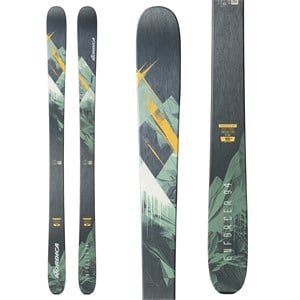
4. Nordica Enforcer 94
- Ability Level: Advanced-Expert
- Construction: Energy 2 Ti Pulse Core
- Rocker Type: All Mountain Rocker
- Turning Radius: Medium
The Nordica Enforcer 94 is a powerhouse built for skiers who want total mountain domination. By embedding two sheets of Titanal and an elastomer Pulse core around a wood center, Nordica has created a ski that is exceptionally damp and stable. It thrives on high-speed groomer laps but has enough tip rocker to handle trees and bumps with ease.
This ski provides a confidence-inspiring ride that effectively mows through crud and heavy snow without being tossed around. While it requires a strong pilot to truly unlock its potential, the precision it offers on edge is nearly unmatched in the all-mountain category. It is a smooth, sophisticated tool for those who ski fast and hard in any conditions.
Pros: Unbeatable stability, powerful edge grip, and excellent vibration absorption.
Cons: Heavy weight can be tiring in tight trees and it is not intended for beginners.
See the Nordica Enforcer 94 See the Women’s Santa Ana 87
5. Atomic Bent 100
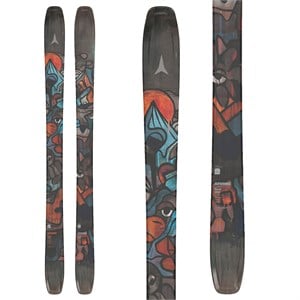
- Ability Level: Intermediate-Advanced
- Core: Light Woodcore (Poplar)
- Shape: HRZN 3D Bent Tip and Tail
- Tail Type: Partial Twin Tip
The Atomic Bent 100 is the Swiss Army knife of the freestyle-inspired all-mountain world. Featuring the innovative HRZN 3D tips, these skis offer increased surface area for better float in powder while remaining incredibly nimble in the air. The lightweight poplar core provides a poppy, energetic feel that makes every side-hit and bump feel like a launchpad.
Despite its playful nature, the 100mm waist and directional shape allow it to hold its own during groomer laps and variable snow days. It is a fantastic choice for skiers who view the entire mountain as a park but still want a ski that can carve a decent turn. The eco-friendly construction and stylish graphics are just the icing on the cake.
Pros: Extremely lightweight and poppy, great float for its width, and very versatile.
Cons: Can feel “chattery” on very icy hardpack compared to metal-laminate skis.
6. Season Primer
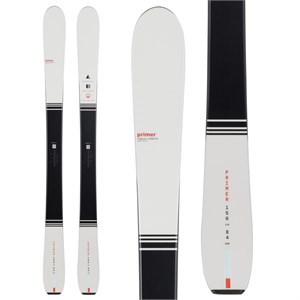
- Ability Level: Beginner-Intermediate
- Core: Poplar Wood Core
- Sidecut: Dual-Progressive Sidecut
- Tail Type: Full Twin Tip
The Season Primer is all about progression and playfulness across the entire mountain. It features a unique Dual-Progressive sidecut that encourages easy carving at low speeds while remaining stable as you pick up the pace. The soft flex of the poplar core makes it very forgiving for those learning new tricks in the park or simply gaining confidence on blue runs.
What sets Season apart is the included Lifetime Season Pass, offering free waxes and tunes to keep your gear in top shape. With its narrow waist and mild taper, the Primer is quick edge-to-edge, making it an ideal platform for riders who want to spin, press, and explore. It is a durable, simple, and effective tool for making the most of every session.
Pros: Forgiving flex for learners, free lifetime maintenance, and great for freestyle progression.
Cons: Too soft for high-speed expert charging and limited performance in deep powder.
7. Line Skis Blade
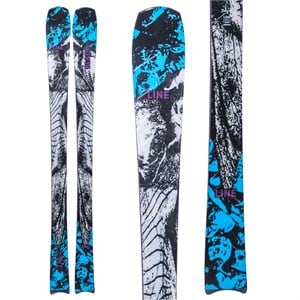
- Ability Level: Advanced-Expert
- Laminates: Gas Pedal Metal™
- Turning Radius: Short (13.5m)
- Core: 100% Aspen Core
The Line Blade is a radical departure from traditional ski design, featuring an ultra-wide tip and a tiny swallowtail. Despite its unusual look, it is a carving powerhouse thanks to the Gas Pedal Metal construction, which adds incredible torsional stiffness without losing the ski’s life. It creates deep, aggressive arcs on groomed snow while the wide shovel allows it to plow through crud.
This ski is perfect for the advanced rider who wants something unique that can turn any run into a slalom course. The 5-Cut geometry makes turn initiation intuitive across various speeds, providing a ride that feels both powerful and strangely nimble. It is a specialized tool that has earned a cult following for its “otherworldly” ability to carve and float simultaneously.
Pros: Incredible carving performance, unique aesthetic, and excellent vibration dampening.
Cons: Polarizing design and the wide tips can feel hooky in certain crusty snow conditions.
8. Season Kin
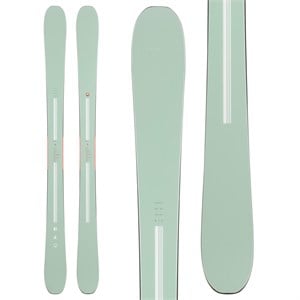
- Ability Level: Intermediate-Advanced
- Core: Poplar Wood Core
- Sidewalls: 360˚ ABS Sidewalls
- Terrain: Park & Pipe, All-Mountain
The Season Kin is built for the creative skier who treats the mountain like a canvas. With full-height twin tips and a symmetric camber profile, this ski is equally comfortable riding forward or switch. The 360-degree ABS sidewalls provide extra damping, ensuring that landings in the park or runs through choppy snow feel smooth and controlled rather than jarring.
Its sub-100mm waist and deep sidecut make for snappy, energetic turns that appeal to both veterans and progressing intermediates. Like all Season products, it comes with the benefit of free lifetime tunes, and its durable sintered 7500 base is built to withstand heavy use. It is a versatile, expressive ski that prioritizes fun and longevity over pure racing performance.
Pros: Excellent for switch riding, very durable construction, and includes free lifetime tuning.
Cons: Slower edge-to-edge than a dedicated carver and lacks the high-speed dampness of metal skis.
9. Salomon QST 94
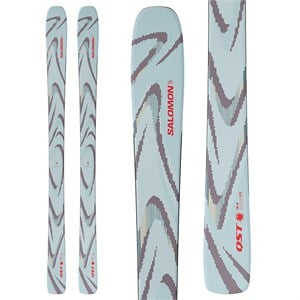
- Ability Level: Intermediate-Advanced
- Laminates: Basalt & Fiberglass Fiber
- Core: Full Poplar Woodcore
- Turning Radius: Short
The Salomon QST 94 has evolved with a new Basalt and Fiberglass weave, replacing the previous carbon construction for a more compliant and natural flex. This change makes the ski feel even more stable in variable conditions while retaining its signature liveliness. The inclusion of Cork Damplifier inserts in the tip and tail significantly reduces chatter when you encounter hard or wind-blown snow.
As a daily driver, the QST 94 excels by balancing front-side carving ability with off-piste curiosity. The Freeride Rocker profile provides enough lift for soft snow days, yet the full sandwich sidewalls ensure you won’t lose your edge on the ice. It is a reliable, intuitive ski that makes exploring the entire mountain feel effortless and fun for a wide range of skiers.
Pros: Fantastic vibration damping, intuitive turn initiation, and very versatile for mixed conditions.
Cons: Might feel a bit surfy for those who prefer a traditional, locked-in racing feel.
10. Season Nexus
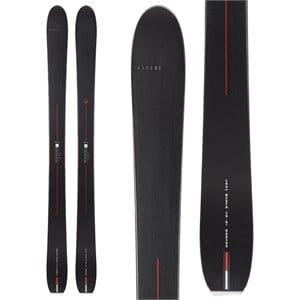
- Ability Level: Intermediate-Advanced
- Core: Karuba Wood Core
- Laminates: Quadraxial Fiberglass
- Tail Type: Full Twin Tip
The Season Nexus stands as the brand’s most versatile platform, designed to handle everything from groomed laps to deep tree runs. It utilizes a Karuba wood core which is lighter than poplar, paired with quadraxial fiberglass for a smooth, predictable flex. The directional shape and medium flex make it a dependable companion for skiers who don’t want to check the weather report before heading out.
Equipped with a stainless steel tail insert for added durability and 360-degree ABS sidewalls, the Nexus is engineered for maximum longevity. Whether you are dancing through tight glades or chasing fresh powder, its progressive shaping supports a wide range of movements. It is a simple, effective, and “all-conditions” ski that truly lives up to the title of a daily driver.
Pros: Lightweight yet stable, very durable tail protection, and free lifetime professional tuning.
Cons: Does not have the pure “bite” of a metal-laminate ski on extremely icy terrain.
How to Choose Skis for Groomers?
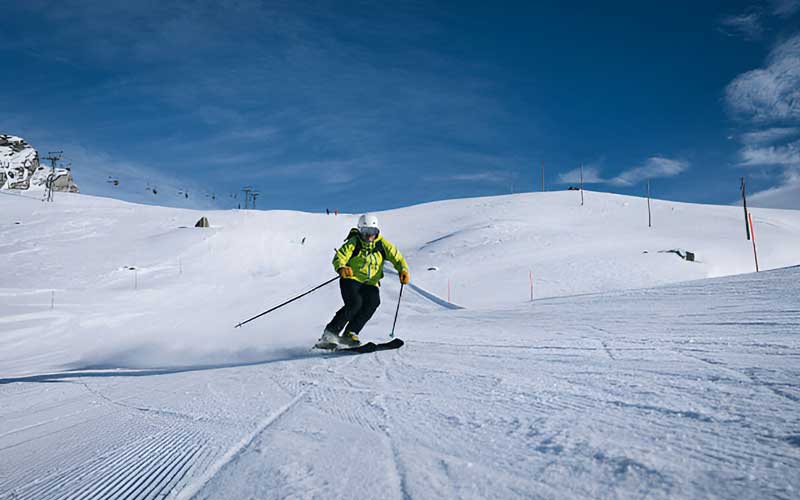
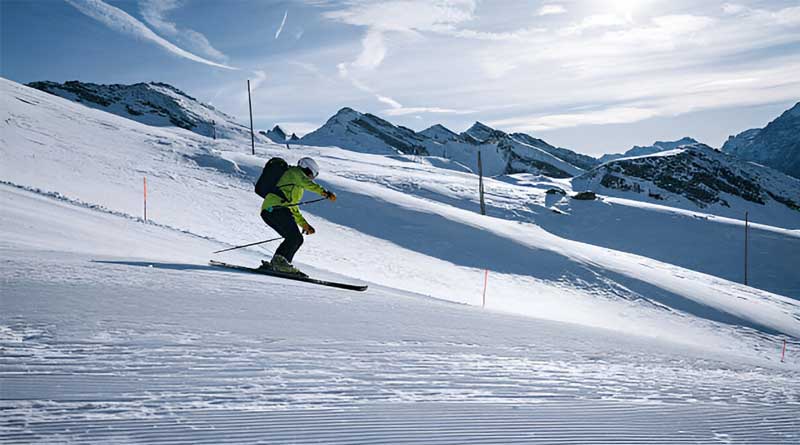
Groomed runs—also known as groomers—are smooth, packed trails that are perfect for carving fast, clean turns. Whether you’re just learning or you’ve been skiing for years, groomers are a great place to build skills and enjoy a reliable surface. But to get the best experience on groomed terrain, you need the right skis. In this article, we’ll explain how to choose skis for groomers, what features to look for, and how to match skis to your ability and style.
1. Know Your Skill Level
Your ability level is the most important starting point when choosing skis.
- Beginner: You’re still learning to link turns, control speed, and stop smoothly. You need skis that are forgiving and easy to control.
- Intermediate: You can confidently ski green and blue runs and are learning to carve turns. You need stable skis with moderate stiffness.
- Advanced to Expert: You ski most trails at most resorts and enjoy carving at speed. You’ll want stiffer skis with more aggressive shapes.
Choosing skis that match your skill level will help you progress more quickly and ski more safely.
2. Ski Length Matters
Ski length affects stability, turning, and control. For groomers, shorter skis are easier to turn, while longer skis offer more stability at speed.
Here’s a general guide based on your height and experience:
- Beginners: Choose skis that come up to your chin or nose.
- Intermediate: Nose to eye-level is ideal.
- Advanced: Eye-level to forehead or slightly above.
Longer skis suit aggressive skiers who go fast. Shorter skis are easier for slower speeds and tight turns.
3. Look for the Right Sidecut (Turning Radius)
Sidecut is the hourglass shape of the ski. It determines how the ski turns.
- Smaller turning radius (11–15 meters): Quick and easy turns. Great for groomers and short-radius carving.
- Medium turning radius (15–18 meters): Balanced turns. Good for mixed use on groomed terrain and light off-piste.
- Larger turning radius (18+ meters): Longer, more stable turns. Better for high-speed carving.
For groomed trails, a ski with a smaller to medium turning radius is ideal. It allows you to link turns smoothly and enjoy precise carving.
4. Choose the Right Width Underfoot
The width underfoot (waist width) affects how the ski feels on hardpack snow. Narrower skis are better.
- 70–85 mm waist width: Best for groomed runs. They allow for fast edge-to-edge transitions and strong grip on hard snow.
- 86–95 mm: Still work, but are more versatile. Good if you mix groomers with some off-trail skiing.
For pure groomer skiing, stick with skis around 78–85 mm underfoot.
5. Pay Attention to Rocker and Camber
Rocker and camber describe the ski’s profile when viewed from the side.
- Camber: A slight upward arch in the middle of the ski. Offers great edge grip and rebound.
- Rocker: An upward curve at the tip (and sometimes tail). Helps with turn initiation and float in soft snow.
For groomers, the best setup is:
- Traditional Camber: Great edge hold and energy.
- Tip Rocker + Camber: Easier turn initiation with strong grip underfoot. Most modern skis use this profile.
Avoid skis with full rocker unless you ski powder or deep snow often.
6. Flex and Construction
The flex (stiffness) of the ski affects how it behaves on the snow.
- Soft flex: Easier to bend. Good for beginners or lighter skiers. Offers a forgiving ride.
- Medium flex: Best for intermediate skiers. Offers a blend of control and responsiveness.
- Stiff flex: Stable at high speeds. Great for experts, but demanding to control.
Materials also matter.
- Wood cores: Classic feel and durability.
- Titanal (metal layers): Added power and edge hold.
- Carbon or fiberglass: Lightweight strength and energy.
Heavier, metal-reinforced skis perform better on icy terrain but require more effort.
7. Bindings and Mounting
Most skis come with bindings, especially for beginners and intermediates.
- Integrated systems: Easy to adjust and often matched to the ski. Convenient and user-friendly.
- Flat skis (no bindings): For advanced skiers who want custom setups. Offers more tuning options.
Always have your bindings mounted and adjusted by a certified technician for safety.
8. Consider Women’s Specific Skis
Women’s skis are designed with lighter cores, adjusted mounting points, and narrower widths. If you’re a female skier, don’t overlook these—they can offer a much more comfortable and responsive experience.
However, if you’re an aggressive or tall skier, unisex skis may still be a better fit.
9. Try Before You Buy
If possible, test skis before buying. Many ski resorts have demo centers where you can try multiple models in one day. This helps you feel the difference between skis with various flex, rocker profiles, and turning styles.
Keep notes on what you like: How do the skis turn? Are they stable at speed? Do they feel too stiff or too soft?
10. Price and Value
Groomer skis come in a wide range of prices:
- Entry-level ($300–$500): Great for beginners. Often includes bindings.
- Mid-range ($500–$800): Ideal for progressing skiers. More tech and better materials.
- High-end ($800+): Built for performance. Advanced construction and precision. Best for aggressive skiers.
You don’t need to spend a fortune. Focus on fit and performance for your needs, not just price.
Final Thoughts
Choosing the right skis for groomers means finding a pair that matches your ability, style, and goals on the mountain. Look for skis with a narrow waist, moderate flex, and camber underfoot. Shorter turning radii will help with quick, clean carves, and the right construction will make skiing more fun and less tiring.
Whether you’re learning your first turns or pushing high-speed arcs on fresh corduroy, the right skis can make all the difference. Take your time, do some research, and when in doubt—ask a ski shop expert or try a few demos. Your perfect pair is out there waiting for you.