Best Skis for Intermediate Skiers of 2026
Choosing the right skis as an intermediate skier can really improve your time on the slopes. At this stage, you want more control, speed, and confidence. You’ve moved beyond beginner gear and need something better. Intermediate skis offer more performance but are still easy to handle. They help you turn smoother and go faster without feeling out of control. The best skis balance stability and flexibility. There are many great options, but not all will suit your style. In this guide, we’ve picked the top skis for intermediate skiers. Each one helps you ski better and have more fun. Let’s find the perfect pair for your next trip.
1. Atomic Bent 100
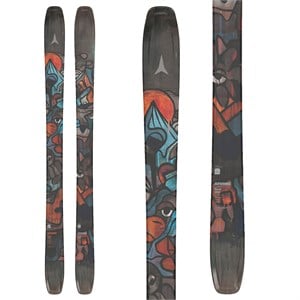
- Rocker Type: All Mountain Rocker (20% tip / 65% camber / 15% tail)
- Core: Light poplar Woodcore
- Shape: HRZN 3D Bent Tip & Tail (partial twin)
- Base & Edges: High-density sintered base, beefed resist edges
The Atomic Bent 100 is one of those skis that somehow blends playful freestyle DNA with genuine all-mountain capability. With a 100mm waist and HRZN 3D tips, the Bent feels lively and forgiving in soft snow while still giving you enough edge contact to feel planted on firmer groomers. The poplar light woodcore keeps swing weight low so you can snap turns and pop off side hits without feeling bogged down. It’s surprisingly confident in mixed conditions — a ski that invites creative lines yet won’t punish you for pushing speed.
For intermediate to advanced skiers who want one quiver-to-rule-them-all, the Bent 100 is a very compelling option. The All Mountain Rocker profile balances easy turn initiation with a cambered midsection for stability and rebound, and the Dura Cap sidewall construction gives a nice mix of power transmission and durability. If you like to bounce between park features, chopped up trees, and morning groomers, these skis make those transitions easy and fun without feeling like a compromise.
- Pros: Playful yet stable, low swing weight, versatile 100mm waist, forgiving tips.
- Cons: Not a hard-charging big-mountain ski, limited high-speed dampness for very aggressive skiers.
2. Nordica Enforcer 94
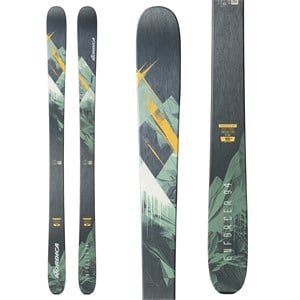
- Rocker Type: All Mountain Rocker (Rocker/Camber/Rocker)
- Core & Laminates: Energy 2 Ti Pulse core with two sheets of Titanal
- Ability: Advanced–Expert carving and mixed-terrain charge
- Tail Type: Partial twin tip for playful release
The Nordica Enforcer 94 is a precision tool for skiers who want confidence on hardpack but also the nimbleness to dart through trees and attack variable snow. The combination of a wood core with elastomer Pulse and dual Titanal laminates gives a planted, damp feel that soaks chatter and rewards speed. On groomers the Enforcer 94 carves clean, holding arcs with authoritative bite from its metal-reinforced layup, while its narrower 94mm waist keeps it quick edge-to-edge for tighter turns and technical terrain.
Despite the serious construction, the Enforcer 94 still retains a playful side when you want to explore off the piste; it isn’t a full-on powder ski but it handles leftover snow and banked turns with poise. If you primarily ski fast groomers and occasionally venture into trees or steeper faces, these skis deliver a satisfying mix of power and agility. They’re best suited to confident skiers who want a single ski that can charge and still feel responsive in tighter spots.
- Pros: Excellent stability, strong edge hold, damp at speed, versatile all-mountain performance.
- Cons: Heavier than lighter quiver skis, overkill for casual beginners.
See the Nordica Enforcer 94 See the Women’s Santa Ana 92
3. Rossignol Experience 78
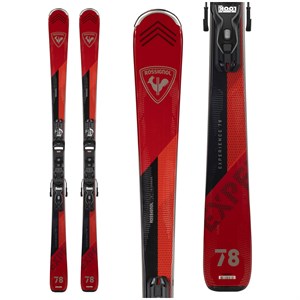
- Rocker Type: All Trail Profile (smooth, progressive)
- Core: Poplar Wood Core, PEFC™ certified
- Included Bindings: Xpress 10 GW (DIN 2.5–10)
- Construction: Drive Tip Solution with glass fibers and visco-elastic materials
The Rossignol Experience 78 CA is an approachable front-side ski that makes everyday groomers feel effortless. Built around a poplar wood core and Rossignol’s All Trail profile, the Experience 78 balances forgiveness with enough responsiveness to help developing skiers refine technique. Turn initiation is smooth and progressive, and the tailored sidecut encourages tidy, predictable arcs. The included Xpress 10 bindings make this package grab-and-go for someone upgrading from rentals or wanting a user-friendly, confidence-building setup.
This ski is especially appealing for intermediate skiers who want to push into more spirited carving without sacrificing comfort. It’s not designed for big-mountain charging or deep powder days, but on tracked-out mornings and variable groomers it shines — lightweight, easy to pivot, and reassuring underfoot. The construction choices skew toward comfort and durability, and the recycled-materials approach on the base and steel edges is a nice sustainability touch for eco-conscious buyers.
- Pros: User-friendly, good value with bindings included, smooth on groomers, eco-minded materials.
- Cons: Limited width for deep snow, not aimed at expert-level charging.
See the Rossignol Experience 78
4. Season Nexus
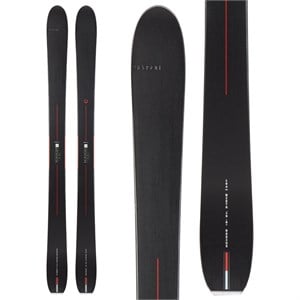
- Rocker Type: Entry Rocker / Directional Camber / Exit Rocker
- Core & Laminates: Karuba wood core with quadraxial fiberglass
- Base & Extras: Sintered 7500 base, stainless steel tail insert
- Sidewalls: 360˚ ABS sidewalls for damping and stability
The Season Nexus is a true daily-driver ski designed to handle whatever conditions your local hill throws at you. With a progressive shaping that tailors width and stance to length, a lively Karuba wood core, and quadrax fiberglass layup, the Nexus feels predictable and confidence-inspiring from first tracks to last chair. It leans toward neutral flex and accessible handling, making it ideal for intermediate to advanced riders who want a single ski that does it all without surprises.
Durability and low maintenance are part of the package: a tough sintered base and stainless steel tail insert mean these skis are built to last a season or more of heavy use, and Season’s lifetime pass of free waxes and annual tune-ups sweetens the ownership experience. The directional shape and full twin-tip option across the line give you playful release when desired, while the ABS sidewalls keep chatter down for a quieter, more composed ride.
- Pros: Versatile daily performance, durable build, predictable handling, service perks included.
- Cons: Not as specialized for deep powder or extreme park use, slightly generic feel for expert skiers.
5. Blizzard Black Pearl 88 – Women’s
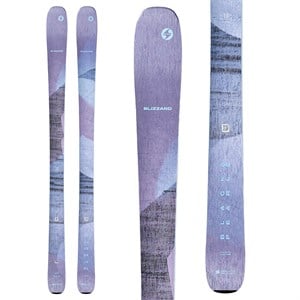
- Waist Width: 88mm
- Rocker Profile: Rocker / Camber / Rocker
- Core: TrueBlend W.S.D. Beech & Poplar
- Laminates: Two-Piece W.S.D. Titanal
The Blizzard Black Pearl 88 continues its legacy as one of the most trusted women’s all-mountain skis ever made. Redesigned from the ground up, this latest version blends accessibility with refined performance, making it suitable for a wide range of intermediate to advanced skiers. The new Women Specific Design TrueBlend Flipcore uses a precise mix of beech and poplar to balance strength underfoot with lighter, more forgiving tips and tails. This gives the ski a smooth, confidence-inspiring feel on groomers while remaining easy to maneuver at slower speeds.
On snow, the Black Pearl 88 feels stable, predictable, and impressively versatile. The two-piece Titanal laminate improves grip and dampness without making the ski overly demanding, while the rocker-camber-rocker profile provides reliable edge hold and easy turn initiation. It handles carving duties with ease, stays composed in chopped snow, and offers enough float for light powder days. Whether you are progressing your skills or looking for a dependable daily driver, this ski delivers balanced performance without feeling intimidating.
- Pros: Excellent edge grip, smooth and stable feel, very versatile, forgiving yet powerful
- Cons: Not ideal for deep powder, metal construction adds some weight
See the Blizzard Black Pearl 88
6. Blizzard Rustler 10
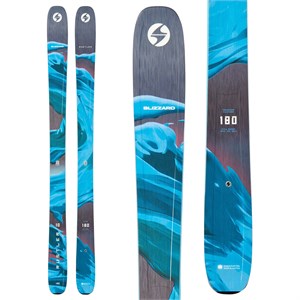
- Rocker Type: Rocker Camber Rocker
- Core: TrueBlend Freeride Core
- Laminates: FluxForm Titanal
- Base: Sintered Graphite Base
The Blizzard Rustler 10 is the kind of ski you reach for on nearly any day, thanks to its incredible blend of stability, playfulness, and confidence across mixed snow. Its 102–104 mm waist strikes the perfect balance between maneuverability on groomers and float in softer conditions, making it a versatile choice for skiers who want one tool that can handle it all. The TrueBlend Freeride Core gives the ski a smooth, energetic flex, while the Titanal and sidewall construction add the power and grip needed for firm snow and higher speeds.
Despite its strong build, the Rustler 10 never feels demanding. It stays fun and loose when you want to slash turns or ski switch, while still offering the precision and edge hold needed on harder snow. The Rocker-Camber-Rocker profile keeps the tips playful and the edges reliable, helping this ski excel from bowls to trees to chopped-up powder. Whether you’re exploring new terrain or ripping weekday groomers, the Rustler 10 keeps things lively and dependable.
- Pros: Great balance of power and play, versatile waist width, strong grip, responsive feel
- Cons: Not ideal for true beginners; can feel light in very hard snow
7. Rossignol Sender Soul Pro
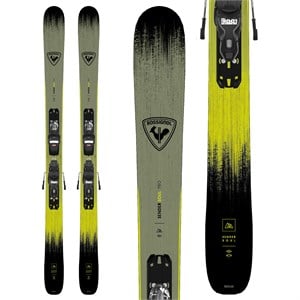
- Included Binding: Xpress 10W GW (3-10 DIN)
- Ability Level: Intermediate to Advanced
- Construction: Cap Sidewalls for lightweight durability
- Tail Type: Flat
Designed specifically for the next generation of freeriders, the Rossignol Sender Soul Pro provides an approachable entry into all-mountain exploration. This package deal includes the Xpress 10 bindings, making it a convenient, ready-to-go setup for young rippers. The lightweight poplar core ensures the skis are easy to flick around, reducing fatigue during long days at the resort.
The Twin Rocker profile allows for effortless turn initiation and speed control, which is essential for building confidence in variable terrain. By utilizing a progressive sidecut, Rossignol has created a ski that feels fluid whether carving on groomers or venturing into the sidecountry. It is a stable, forgiving platform that encourages progression and helps intermediate skiers transition into advanced freeride maneuvers.
- Pros: Very lightweight and easy to turn; includes integrated bindings; sustainable wood core
- Cons: Not ideal for heavy or extremely aggressive adults; cap construction lacks the edge grip of full sidewalls
See the Rossignol Sender Soul Pro
8. Rossignol Rallybird Soul 92
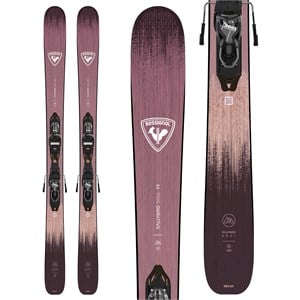
- Core Material: Paulownia Wood Core (30% weight reduction)
- Laminates: Diago Fiber and Air Tip
- Ability Level: Intermediate to Advanced
- Sidecut: Progressive with Rectangular Full Sidewalls
The Rallybird Soul 92 is the spiritual successor to the legendary Soul 7, optimized specifically for female skiers who want one ski to do it all. It blends the playfulness of a freeride ski with the precision of an on-piste carver. Thanks to the Paulownia wood core and Diago Fiber reinforcement, the ski remains incredibly agile and energetic without feeling jittery at speed.
Whether you are tackling steep, technical faces or enjoying fresh corduroy, the 92mm waist provides a versatile platform for all-mountain conditions. The Damp Tech technology works beautifully to absorb vibrations, ensuring a smooth ride even when the snow gets chunky or wind-blown. It is an exceptionally balanced weapon that offers both the power to charge and the ease to smear turns.
- Pros: Highly versatile 92mm waist; excellent power-to-weight ratio; smooth vibration absorption
- Cons: May feel slightly narrow for dedicated deep powder days; binding system adds some weight
See the Rossignol Rallybird Soul 92
9. Season Primer
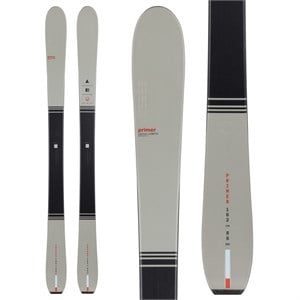
- Rocker Type: Entry Rocker / Directional Camber / Exit Rocker
- Sidecut: Dual-Progressive Sidecut
- Core: Poplar Wood Core
- Shape: Mild Taper Design
The Season Primer is built for progression, offering a playful and forgiving platform for skiers looking to develop their all-mountain and freestyle skills. Its flexible poplar wood core gives the ski a lively, energetic response, helping riders link turns with ease while still delivering plenty of pop for side hits and park features. The Dual-Progressive Sidecut enhances maneuverability at slower speeds but stays controlled when you pick up the pace, giving new and intermediate skiers confidence in mixed conditions.
This ski shines across groomers, park laps, and softer snow thanks to its twin-tip shape and balanced flex. The mild taper and narrow waist help initiate turns smoothly, while the wider ends provide enough float for dipping into fresh snow when conditions allow. The Primer encourages experimentation and play, making it a great choice for riders who want a single ski that can carve, spin, and explore the mountain with minimal learning curve. Its versatility and friendly handling make every session more fun and rewarding.
- Pros: Very playful, easy to progress on, great for carving and park, lightweight feel
- Cons: Not ideal for high-speed experts; limited dampness in choppy snow
10. Salomon QST 94
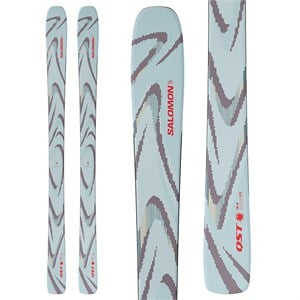
- Waist Width: 94mm
- Rocker Profile: Freeride Rocker
- Core: Full Poplar Woodcore
- Laminates: Basalt & Fiberglass
The Salomon QST 94 is designed as a true all-conditions ski for riders who want one setup to handle nearly everything. With a slightly wider waist than narrower all-mountain options, it offers improved performance in soft snow while still feeling confident on groomed runs. The full poplar woodcore keeps the ski lively and responsive, while the updated basalt and fiberglass laminate replaces older carbon constructions for a smoother, more controlled flex pattern.
On the mountain, the QST 94 feels calm and predictable, even at higher speeds. Cork Damplifier inserts in the tip and tail significantly reduce chatter, giving the ski a planted feel on hardpack and in variable conditions. The rocker-camber-rocker profile allows for easy turn initiation and strong edge hold, making it enjoyable for carving while remaining playful in trees and mixed terrain. It is a well-rounded daily driver that suits skiers who want stability without sacrificing maneuverability.
- Pros: Smooth and damp ride, versatile in mixed snow, stable at speed, playful tail
- Cons: Not as quick edge-to-edge as narrower skis, average float in deep powder
11. Völkl M7 Mantra
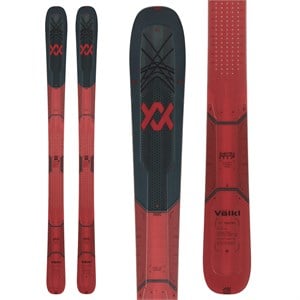
- Rocker Type: Tip & Tail Rocker
- Core: Multilayer Woodcore
- Laminates: Tailored Carbon Tips + Tailored Titanal Frame
- Sidewalls: Full Sidewall Construction
The Völkl M7 Mantra continues its legacy as one of the most powerful and precise all-mountain skis on the market. With its redesigned 4 Radius Drive shaping, the ski adapts seamlessly to a wide variety of turn shapes and speeds, making it a top choice for advanced skiers who appreciate strong edge hold. Its multilayer woodcore adds remarkable stability, while the Titanal Frame provides exceptional dampening and energy transmission without making the ski overly stiff.
This ski excels at high-speed carving and technical terrain thanks to its tailored carbon tips and refined rocker profile. These design elements reduce swing weight, improve turn initiation, and enhance accuracy at speed. The M7 Mantra rewards skiers with solid technique by delivering powerful, predictable feedback and a secure, planted feel on firm snow. It’s a ski best suited to those who like to push their limits and enjoy dynamic, energetic performance across big-mountain and all-mountain terrain.
- Pros: Extremely stable, excellent edge hold, powerful feel, versatile turn shapes
- Cons: Not beginner-friendly; demands good technique and strength
See the Völkl M7 Mantra See the Women’s M7 Mantra
12. Line Skis Pandora 85
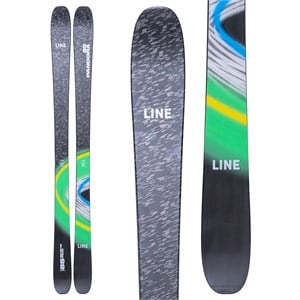
- Rocker Type: 6mm Tip / 5mm Camber / 4mm Tail
- Core: Aspen Veneer Core
- Laminates: Bio Resin Construction
- Terrain: Carving / All-Mountain
The Line Pandora 85 is a lightweight, responsive ski designed for women who want a nimble and versatile tool for all-mountain exploring. Its Aspen Veneer Core gives it a lively, predictable flex that helps skiers carve confidently while keeping the ski playful and easy to maneuver. The subtle rocker profile enhances edge release and turn initiation, making it a great choice for both developing skiers and seasoned intermediates wanting a smooth ride.
The energy and precision of the Pandora 85 come from its efficient construction, including eco-friendly Bio Resin that strengthens durability without adding weight. This ski feels intuitive on groomers, offering a consistent connection to the snow and impressive grip for its class. While it’s not designed for deep powder, it performs well in variable snow and excels at everyday frontside riding. Whether progressing skills or enjoying quick, controlled carving laps, the Pandora 85 delivers confidence and comfort.
- Pros: Lightweight and responsive, easy to control, great for carving, approachable for intermediates
- Cons: Limited float in deep snow; not ideal for aggressive experts
13. Black Crows Camox Birdie – Women’s
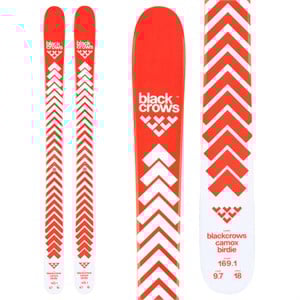
- Waist Width: 97mm
- Rocker Profile: Rocker / Camber / Rocker
- Core: Poplar with Ash Reinforcement
- Sidewalls: Semi-Cap with ABS
The Black Crows Camox Birdie is a modern all-mountain ski built for skiers who want versatility without sacrificing personality. Its 97mm waist hits a sweet spot for mixed conditions, offering enough width for soft snow while remaining agile on groomers. The poplar core combined with ash reinforcement underfoot creates a balanced flex that feels stable yet forgiving, making the ski approachable for a wide range of intermediate to advanced riders.
On snow, the Camox Birdie feels intuitive and playful. The medium camber paired with double rocker provides excellent pivot control and smooth turn transitions, especially in trees and variable terrain. The slightly contoured sidecut adds confidence when carving, while the tolerant flex keeps the ski predictable when conditions change throughout the day. It excels as a quiver-killer option for skiers who want one ski to handle everything from morning corduroy to afternoon chopped snow.
- Pros: Playful and versatile, easy pivoting, stable underfoot, balanced flex
- Cons: Less powerful on hardpack than metal skis, not designed for high-speed charging
See the Black Crows Camox Birdie
How to Choose Skis for Intermediate Skiers?
Once you’ve graduated from the beginner slopes and are carving confidently on groomed runs, it’s time to upgrade your gear. As an intermediate skier, choosing the right pair of skis can dramatically improve your performance, comfort, and overall enjoyment on the mountain. But with so many options available, how do you find the right match? In this guide, we’ll break down the key factors that skiers should consider when buying new skis—helping you make a smart, confident decision.
1. Know Your Skiing Style and Terrain Preferences
Before diving into ski specs and jargon, start by asking yourself:
Where do I ski most often?
Do you spend your time on groomed trails? Are you starting to explore powder and off-piste terrain? Maybe you’re testing out the terrain park? Your skiing style and preferred terrain will determine the ski category you should look at.
- All-Mountain Skis – Ideal for skiers who explore a variety of terrain. These skis offer versatility and can handle groomers, soft snow, and a bit of off-piste action.
- Carving Skis – Best for those who enjoy crisp turns on groomed runs. They’re narrower and offer great edge control.
- Freeride Skis – Built for powder and off-piste conditions. If you’re starting to venture into ungroomed snow, these might suit you.
- Freestyle Skis – For skiers who enjoy terrain parks and tricks. They have twin tips and a softer flex for playful skiing.
2. Choose the Right Ski Length
Ski length is crucial and depends on your height, weight, skiing ability, and personal preference. As an intermediate skier, your skis should typically come up to somewhere between your chin and the top of your head when standing upright.
- Shorter skis are easier to turn and better for tight terrain. They’re great for building confidence.
- Longer skis are more stable at higher speeds and float better in powder, but they require more skill to maneuver.
Here’s a quick rule of thumb:
- If you’re cautious or ski mostly groomers at moderate speeds, go shorter.
- If you’re aggressive or skiing at higher speeds, go longer.
3. Understand Ski Width (Waist Width)
The waist width is the measurement of the ski at its narrowest point (underfoot). This spec plays a big role in how the ski performs on different types of snow.
- 70–85mm – Narrow skis ideal for carving and groomed runs. They offer quick edge-to-edge transitions.
- 85–95mm – Versatile all-mountain skis that handle both groomed and variable snow conditions.
- 95–105mm – Better in soft snow and off-piste. These skis offer more float in powder.
Intermediate skiers often do best in the 80–95mm range, which provides enough versatility without sacrificing control.
4. Pay Attention to Rocker and Camber Profiles
The rocker/camber profile affects how the ski behaves on snow. Most skis now come with a mix of rocker and camber to enhance performance across conditions.
- Camber – Traditional arch underfoot. Offers strong edge hold, pop, and precision—great for groomers.
- Rocker – Upturned tips and/or tails. Improves flotation in powder and makes turn initiation easier.
- Rocker/Camber/Rocker – The most common profile for intermediate skis. It combines the benefits of both: easy turns with solid grip and versatility.
5. Choose the Right Flex
Flex refers to how stiff or soft a ski is. Intermediate skiers generally want something in the medium-flex range.
- Softer skis are more forgiving and easier to turn, which helps build confidence.
- Stiffer skis offer more power and stability at high speeds but require better technique.
Most intermediate-level skis are designed to strike a balance between responsiveness and forgiveness—allowing you to progress without being punished for small mistakes.
6. Core Materials and Construction
While this might seem technical, knowing a bit about what’s inside your skis helps you choose based on feel and durability.
- Wood Cores – Offer a natural, responsive flex. Poplar, aspen, and paulownia are commonly used.
- Composite Cores – Found in entry-level models, they’re lighter but less durable.
- Metal Laminates (Titanal) – Add stability and power, typically used in stiffer skis. Good for aggressive skiers.
- Carbon or Flax – Adds strength and reduces weight while improving dampening and control.
If you’re a lighter skier or just want something playful and easy, go for a wood or composite core without metal. If you’re moving toward advanced skiing, some metal might be beneficial.
7. Bindings: To Include or Not?
Some skis come with integrated bindings, which are a good value for skiers. These systems are designed to match the ski’s flex and shape and make mounting easy.
If you prefer more customization or have specific performance needs, consider buying skis and bindings separately. Just make sure the binding brake width matches the ski waist (within 10–15mm).
8. Top Skis for Intermediate Skiers (Examples)
If you’re looking for a few solid ski models to consider, here are some of the best all-mountain options for intermediates:
- Salomon QST Lux 92 (Women’s) – Super versatile, fun on all terrain, great edge hold.
- Rossignol Experience 82 Basalt – Easy to control with a lightweight, forgiving feel.
- Volkl Kendo 88 – Slightly stiffer but excellent if you’re gaining confidence and skiing more aggressively.
- Blizzard Black Pearl 88 (Women’s) – A balanced ski for mixed conditions and varied terrain.
- Atomic Maverick 86 C – Light, smooth, and great for east or west coast snow.
9. Get a Proper Fit
Ski boots are just as important—if not more—than the skis. A good boot fit ensures power transmission and comfort, so don’t skimp on boot fitting. Take your time, go to a reputable shop, and get your boots custom-fitted if possible.
10. Demo Before You Buy
If you’re still unsure, consider demoing skis at your local resort. Many shops allow you to test out different models, which is the best way to understand what feels right underfoot. Pay attention to how the ski handles at different speeds, on different snow types, and whether it helps you progress.
Final Thoughts
Choosing skis as an intermediate skier is all about balance—finding the right blend of forgiveness, stability, and versatility. Think about where you ski, how fast you go, and what you want to improve. The right pair of skis will not only support your current skills but also help you grow into an even more confident and capable skier. By understanding the key features and trying a few options if possible, you’ll be ready to make a great investment that will serve you well for many seasons ahead.