Best Slalom Skis of 2026
Looking for your next pair of skis to carve up the slopes? Slalom skis are designed for quick, sharp turns and offer incredible grip on hard snow. Whether you are a racer or an advanced skier wanting to improve, choosing the right pair is key. We have tested the top models to help you find the best slalom skis for your ability and budget.
1. Völkl Mantra 88
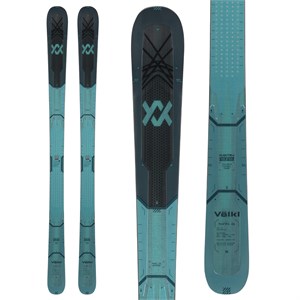
- Terrain: Carving, All-Mountain
- Ability Level: Intermediate-Advanced
- Core Material: Multilayer Woodcore (Beech/Poplar)
- Technology: Tailored Carbon Tips & Titanal Frame
The updated Völkl Mantra 88 features subtle yet impactful design tweaks that enhance its reputation as a precision powerhouse. By adjusting the carbon fibers in the tips to a downward orientation, Völkl has improved turn initiation smoothness while increasing straight-line stability. These changes cater specifically to skiers who demand high-speed control and reliable edge hold on firm snow conditions.
The Tailored Titanal Frame is another standout feature, providing customized torsional stiffness based on the length of the ski. This ensures that heavier, aggressive skiers get the backbone they need, while lighter riders enjoy a more agile feel. It remains a hard-charging choice for those who want to push their limits across the entire mountain with confidence and power to spare.
Pros: Exceptional edge hold, high-speed stability, and customized stiffness per size.
Cons: Requires a strong technique to master and can be demanding for casual skiers.
See the Völkl Mantra 88 See the Women’s Mantra 88
2. Rossignol Experience 78
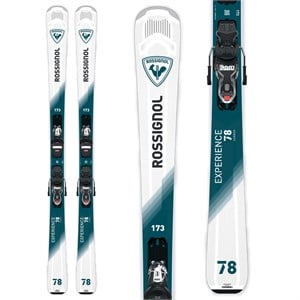
- Terrain: Carving, All-Mountain
- Ability Level: Beginner-Intermediate
- Rocker Type: All Trail Profile (Rocker/Camber)
- Included Bindings: Xpress 10 GW (DIN 2.5 – 10)
The Rossignol Experience 78 is designed to make the learning curve feel like a victory lap. Built with a solid poplar wood core, these skis offer a perfect balance between weight and stability, allowing developing skiers to practice carving without the fatigue associated with stiffer models. The All Trail profile ensures that uneven terrain is absorbed progressively, making for a smooth ride on groomers.
The addition of the Drive Tip Solution helps dampen vibrations by combining longitudinal glass fibers with visco-elastic materials. This results in a much more predictable and confident feel when the snow gets a bit chattered. It is an excellent package for those looking for a reliable, easy-to-manage ski that provides enough performance to grow with the rider through intermediate levels.
Pros: Easy turn initiation, includes high-quality bindings, and very forgiving on groomed snow.
Cons: Lacks the high-speed stability needed for expert-level charging.
See the Rossignol Experience 78
3. Black Crows Mirus Cor
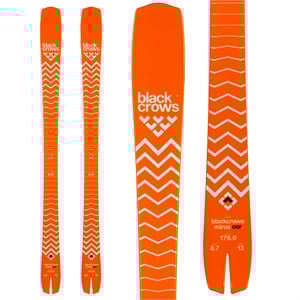
- Turning Radius: Short (Very Reactive)
- Ability Level: Intermediate-Advanced
- Tail Type: Full Twin Tip (Swallowtail)
- Construction: Poplar / Fiberglass with Titanal Plate
When the powder is nowhere to be found, the Black Crows Mirus Cor steps in as the ultimate “party ski.” Featuring an unconventional swallowtail design and a remarkably short sidecut, this ski is built for snappiness and rapid edge-to-edge transitions. It turns the most mundane groomers into a playground, offering a high-energy flex that rewards active, playful skiing styles.
The combination of a double rocker and classic medium camber provides a unique blend of pivot-friendly handling and reliable grip. While it excels on hardpack and in tight trees, its primary mission is pure fun rather than conquering extreme big-mountain terrain. It is a highly specialized tool for those who want to maximize their enjoyment on every inch of the resort map.
Pros: Incredibly fun and agile, unique aesthetic design, and lightning-fast turning.
Cons: Not designed for deep powder or heavy crud and has a specific “niche” feel.
4. Line Skis Blade
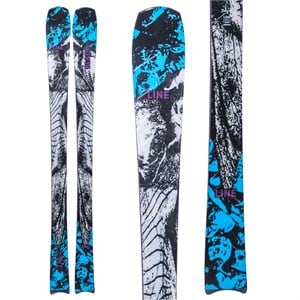
- Turning Radius: 13.5 meters (Short)
- Ability Level: Advanced-Expert
- Core: 100% Aspen Wood
- Laminates: Gas Pedal Metal™ Titanal
The Line Skis Blade is a radical departure from traditional ski geometry, sporting an ultra-wide tip and a tight sidecut that makes it look like a carving surfboard. Despite its unconventional appearance, it offers otherworldly performance. The Gas Pedal Metal construction uses intricately cut Titanal to provide immense torsional stability and edge grip without sacrificing the lively, energetic feel that Line is famous for.
This ski manages to bridge the gap between a hardpack carver and a versatile all-mountain tool. The mini swallowtail adds a bit of float in softer snow, while the 5-Cut geometry allows for an intuitive variety of turn shapes. It is a ski that invites you to lean hard into turns and experience a level of engagement that most standard designs simply cannot match.
Pros: Massive carving power, unique vibration dampening, and surprising versatility in soft snow.
Cons: Polarizing looks and a unique feel that might take a few runs to master.
5. Atomic Maverick 88 CTI
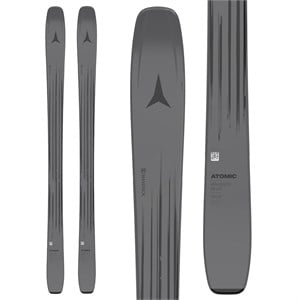
- Rocker Type: All Mountain (20% Tip / 15% Tail)
- Ability Level: Intermediate-Advanced
- Core: Power Woodcore (Ash/Poplar)
- Technology: HRZN 3D Tip & CTI Powered
The Atomic Maverick 88 CTI has been engineered to dominate the frontside of the mountain with a sophisticated blend of carbon and Titanal. This “CTI” construction provides a noticeable increase in “snap” compared to previous versions, making it feel more alive at lower speeds while maintaining rock-solid stability when you open up the throttle. It transition effortlessly between icy groomers and light off-piste fluff.
A key highlight is the HRZN 3D tip, which is reinforced with wood to add smoothness when charging through variable snow. The 88mm waist width is often considered the “sweet spot” for all-mountain performance, offering enough surface area for flotation without losing the quickness required for tight carves. It is a highly capable, technical ski that rewards precise input from the rider.
Pros: Very lively and energetic, excellent balance of metal and carbon, and great for variable snow.
Cons: Can feel slightly stiff for lighter intermediate skiers.
See the Atomic Maverick 88 CTI
6. Nordica Enforcer 89
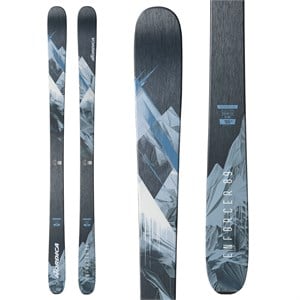
- Core: Energy 2 Ti Pulse Core
- Ability Level: Intermediate-Advanced
- Laminates: Two Sheets of Titanal
- Additional Feature: True Tip Technology
Nordica’s Enforcer 89 brings a refined, slightly narrower profile to one of the most respected families in skiing. By utilizing the Energy 2 Pulse Ti Core, which sandwiches an elastomer layer between wood and two sheets of metal, this ski offers a damp and quiet ride. It effectively scoffs at icy conditions, providing the user with a level of confidence that encourages higher speeds and steeper lines.
The inclusion of True Tip technology reduces the amount of heavy plastic in the extremities, lowering the swing weight and making the ski feel more nimble than its burly construction would suggest. This is a refined tool for the skier who values a silky smooth feel and wants a ski that remains composed no matter how hard the snow surface becomes.
Pros: Exceptionally damp and stable, great edge hold on ice, and improved swing weight.
Cons: Heavier than some carbon-focused competitors and requires speed to come alive.
7. Blizzard Black Pearl 88 – Women’s
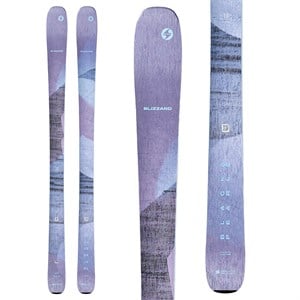
- Core: TrueBlend W.S.D. (Beech/Poplar)
- Ability Level: Intermediate-Advanced
- Laminates: Two-Piece W.S.D. Titanal
- Terrain: Carving, All-Mountain
The Blizzard Black Pearl 88 has long been the best-selling women’s ski, and this latest redesign ensures it keeps that title. The new Women Specific Design (W.S.D.) features a Trueblend core that is tailor-made for each length, ensuring the flex is perfectly calibrated for the rider’s height and weight. By splitting the Titanal laminate into two pieces, Blizzard has made the ski more accessible and easier to handle.
Despite being easier to pilot, it doesn’t sacrifice the grip and stability that advanced skiers expect. The sandwich compound sidewalls provide excellent power transmission, making it a reliable companion for carving on packed snow or exploring the edges of the trail. It remains the gold standard for versatility, offering a confidence-inspiring ride for a huge range of ability levels.
Pros: Highly versatile, perfectly tuned flex for women, and very reliable on groomers.
Cons: Can feel a bit “standard” for those seeking a very playful or niche freestyle feel.
See the Blizzard Black Pearl 88
8. Faction Dancer 79
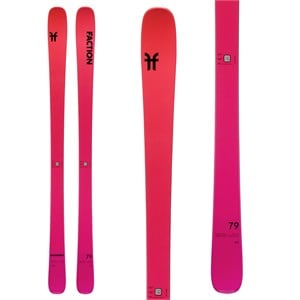
- Flex Rating: 8/10 (Stiff)
- Ability Level: Advanced-Expert
- Core: Lightweight Poplar Wood
- Edges: XL 2.5mm Edges
The Faction Dancer 79 represents a shift toward pure piste performance for a brand usually associated with freestyle. Built for riders who live for the corduroy, these skis feature a “Mustache Flex” that provides stability underfoot while allowing the tips and tails to absorb terrain irregularities. The dual span Titanal layup ensures that when you lay the ski over, the edge hold remains unrelenting.
What sets the Dancer apart is its “freeski soul,” manifest in the progressive flat tail which allows for pivots and slashes that traditional carving skis often struggle with. The elliptical sidecut makes turn initiation intuitive across various lengths and angles. It is a durable, high-performance tool that brings a touch of playfulness to the world of high-speed frontside carving.
Pros: Strong edge grip, durable extra-thick edges, and a unique blend of carving and pivot ability.
Cons: Narrow waist limits use in deep snow and the stiff flex requires an active pilot.
9. Stöckli Montero AX
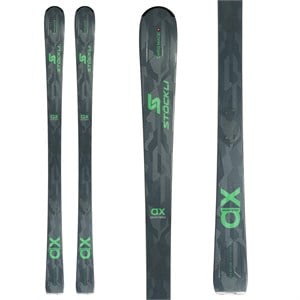
- Core: Light Core (Swiss Made)
- Ability Level: Intermediate-Advanced
- Turning Radius: Short
- Technology: Adaptive Contact Length
The Stöckli Montero AX is a masterclass in Swiss engineering, proving that a narrower waist can offer a superior skiing experience. With an 80mm waist, it is incredibly nimble and precise, making it the perfect choice for mid-winter days when the snow is hard and fast. The Adaptive Contact Length technology ensures that as you tilt the ski further, more edge engages the snow for maximum control.
The build quality is legendary, featuring a Titanal topsheet and a racing graphite base for maximum glide. This ski is designed for those who appreciate the finer things and want a tool that performs with surgical precision. It remains smooth even in chopped-up snow, providing a level of refinement and sophistication that few other manufacturers can match in this category.
Pros: World-class precision, exceptional build quality, and very nimble edge-to-edge.
Cons: High price point and not intended for off-piste powder excursions.
10. Salomon Addikt
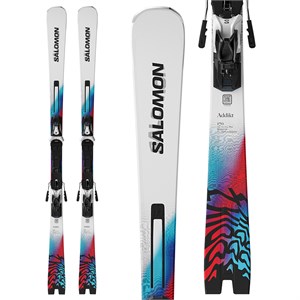
- Waist Width: 72mm
- Ability Level: Intermediate-Advanced
- Laminates: Double Ti (Titanal)
- Included Bindings: M12 Gripwalk (DIN 4-12)
The Salomon Addikt is a slightly more approachable version of the radical Addikt Pro series, designed for skiers who want clean carves without the constant physical demand of a race ski. At 72mm underfoot, it is very quick to transition, while the semi-sandwich sidewall construction reduces torsional stiffness at the tips and tails. This makes turn entry and exit feel more fluid and less punishing.
The short swallowtail design and double Titanal sheets ensure that despite its calmer nature, it still charges hard when prompted. It is specifically tuned for on-piste performance, utilizing a 15% tip rocker to help initiate turns on the groomers. For the intermediate to advanced skier looking for a dedicated carving setup that includes bindings, the Addikt offers a very compelling and high-value package.
Pros: Effortless turn initiation, high-quality recycled sidewalls, and great value with included bindings.
Cons: Very narrow waist is strictly for groomed runs and struggles in any soft snow accumulation.
How to Choose Slalom Skis: A Complete Guide
Slalom skiing is all about speed, precision, and quick, tight turns. If you’re aiming to improve your technique or take your racing skills to the next level, selecting the right slalom skis is crucial. But with so many options on the market, how do you find the perfect pair? This guide will walk you through everything you need to know—from ski length and shape to flex and materials—so you can make an informed choice and hit the course with confidence.
Understanding What Makes Slalom Skis Unique
Slalom skis are specialized for quick, sharp turns at high speeds. Compared to other types of skis, they are generally shorter with a more aggressive sidecut (the hourglass shape) that allows for tight arcs around gates. The design helps you carve precise turns with minimum effort, making quick direction changes possible without losing control.
The main features that distinguish slalom skis include:
-
Short length for maneuverability
-
Deep sidecut for rapid edge-to-edge transitions
-
Stiff flex to maintain stability at speed
-
Lightweight construction for quick response
With this in mind, let’s explore the key factors to consider when choosing:
1. Ski Length: Find Your Ideal Balance
Ski length is one of the most important aspects of slalom skis. Unlike all-mountain or freeride skis, slalom skis are typically shorter—usually between 155 cm and 170 cm—depending on your height, weight, and skiing ability.
Shorter skis are easier to turn quickly and accelerate edge changes, essential for tight slalom courses. However, too short a ski can feel unstable at higher speeds, while too long can be hard to control and slow your reaction time.
Tip: A good rule of thumb is to choose skis that reach somewhere between your chin and the top of your head when stood upright. More advanced skiers might prefer skis closer to their height for better stability and power, while beginners often do better with slightly shorter skis for easier handling.
2. Sidecut Radius: How Tight Are Your Turns?
The sidecut radius is the measurement of the curve formed by the ski’s edges. Slalom skis generally have a tight sidecut radius—often between 10 and 14 meters—compared to giant slalom or downhill skis.
A smaller radius means the ski is designed for tighter, quicker turns. This makes it ideal for slalom racing where rapid changes in direction around gates are critical. A larger radius provides longer, more stable turns but reduces agility.
Choose a ski with a sidecut radius that matches the type of terrain and skiing style you prefer. If you want aggressive, tight turns on groomed runs or slalom courses, look for a radius closer to 10 meters. For a bit more stability or versatility, consider something slightly larger.
3. Flex and Stiffness: Control and Responsiveness
Flex refers to how much the ski bends under pressure. Slalom skis usually have a stiffer flex than recreational skis to ensure precise control and quick edge engagement at high speeds. A stiff ski will snap into turns and hold edges firmly, essential for carving fast on icy or hardpack courses.
That said, flex varies by skill level:
-
Beginners: Softer flex is more forgiving and easier to control.
-
Intermediate: Medium flex offers a balance of power and comfort.
-
Advanced/Racers: Stiff flex provides maximum responsiveness and power transfer but requires strong technique.
Make sure to test skis if possible or consult with experts to find a flex rating that suits your ability and style.
4. Construction and Materials: Weight, Durability, and Feel
Modern slalom skis often combine lightweight materials with durable cores and metal laminates to optimize performance. Common core materials include wood (often poplar or beech) for natural flex and rebound, sometimes reinforced with carbon or fiberglass for added strength.
Many race-level skis feature metal laminates, such as Titanal layers, which add stiffness and dampen vibrations, resulting in better edge hold and stability at speed. Carbon fiber components can reduce weight while maintaining power and precision.
If you’re looking for skis that feel lively but don’t tire you out, consider models with a blend of these materials tailored for quick response and durability.
5. Bindings: Match Your Skis and Skills
While choosing skis, don’t forget the bindings. Race slalom bindings are designed to release safely while offering solid power transfer. Some skis come pre-mounted with bindings; others require separate purchase and professional mounting.
Bindings should be compatible with your boot size and DIN release settings based on your weight, skill, and skiing style. Consult a professional ski fitter to get the right setup for safety and performance.
6. Skill Level and Intended Use
Before finalizing your skis, consider your current skill level and how you plan to use them.
-
Beginner racers or recreational skiers will want forgiving skis that promote confidence and easy turn initiation.
-
Intermediate skiers looking to improve might choose skis with moderate stiffness and sharper sidecuts to build technique.
-
Advanced racers will prefer aggressive, stiff skis that provide high-speed stability and precise control on slalom courses.
If you plan to ski mostly on groomed runs or race courses, prioritize carving-focused skis. If you want some versatility for occasional off-piste or variable conditions, consider models that balance slalom agility with some all-mountain capability.
7. Budget and Brand Reputation
Slalom skis range widely in price, from entry-level models to top-tier race skis. Set a realistic budget considering how often you’ll ski and what performance you expect. Investing in quality skis from reputable brands can make a big difference in your progression and enjoyment. Brands like Rossignol, Blizzard, Atomic, Head, and Salomon are known for producing excellent skis with race-proven technology.
Final Tips for Choosing Slalom Skis
-
Demo before buying: If possible, test different skis at a rental or demo center to find what feels best.
-
Get professional advice: Ski shops and coaches can help match skis to your body type and skill.
-
Consider your boots: Boots and skis work as a system, so ensure your boots fit well and match your skiing style.
-
Think about progression: Choose skis that allow growth—too advanced a ski might hinder learning.
Conclusion
Choosing the right slalom skis is a key step toward mastering tight turns, quick edge changes, and fast runs on groomed courses. By considering length, sidecut, flex, construction, bindings, and skill level, you can find skis that match your style and help you improve your technique. Whether you’re a beginner racer or an advanced competitor, the perfect pair of skis will make your runs smoother, more fun, and more precise. Take your time, try options, and enjoy the thrill of carving with confidence.