Best Snowboard Bindings for Carving of 2025
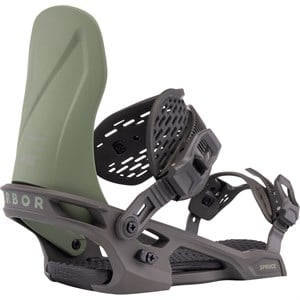
1. Arbor Spruce
-
Flex Rating: 3/5 (Medium)
-
Baseplate: Lightweight Single Mold Baseplate with 2.5° Canted Footbed
-
Highback: Asymmetrical with 5° Pre-Rotation
-
Straps: Bow-Strap Adjuster with Toolless Adjustment
The Arbor Spruce bindings are a fantastic choice for beginner to intermediate riders who want comfort and versatility at a budget-friendly price. With a medium flex, these bindings are well-suited to all-mountain progression, providing just enough responsiveness without being overly aggressive. The 2.5° canted footbed is a welcome touch, as it promotes a more natural stance and reduces fatigue over longer sessions. Whether you’re linking turns on green runs or dipping into the trees for the first time, the Spruce bindings offer the right blend of control and comfort.
One of the standout features of the Arbor Spruce is the Bow-Strap Adjuster. This clever design makes getting in and out of your bindings a breeze, even in cold, snowy conditions. The asymmetrical highbacks with 5° pre-rotation improve ergonomics, allowing for smoother transitions and more freedom of movement. While these bindings don’t have the premium materials or advanced tech found in higher-end models, their reliability and ease of use make them a top pick for value-conscious riders ready to progress their skills without compromise.
Pros
- Great value for progressing riders
- Canted footbed improves alignment and reduces fatigue
- User-friendly Bow-Strap system
- Solid comfort and flex for all-mountain riding
Cons
- May lack the stiffness needed for aggressive riding
- Not as cushioned as premium bindings
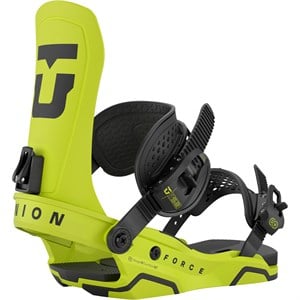
2. Union Force
-
Flex Rating: 7/10 (Stiff)
-
Baseplate: Stage 9 Duraflex ST with Molecular Bushing Suspension
-
Highback: S19 Duraflex ST with Non-Stick HP EVA
-
Straps: ExoFrame 6.0 Ankle Strap with TS 5.0 Toe Strap
The Union Force bindings are a powerhouse for intermediate to advanced riders who want all-conditions performance and long-term durability. With a stiff flex rating of 7, these bindings provide responsive edge control and solid energy transfer—ideal for aggressive carving, steep terrain, and heavier riders. The Stage 9 Duraflex ST baseplate is one of Union’s strongest to date, and the added Molecular Bushing Suspension System ensures excellent shock absorption and stability when riding through choppy snow or landing hard. These are bindings you can count on for seasons to come.
What really stands out about the Force is its versatility. Whether you’re bombing groomers, dipping into powder, or hitting the park, it delivers a consistent, damp ride. The ExoFrame 6.0 ankle strap with Molecular Padding minimizes pressure points while maintaining a secure and responsive feel. Add in the new TS 5.0 Toe Strap and magnesium buckles, and you’ve got a binding that locks you in confidently without adding unnecessary bulk. With sizing up to XL, the Union Force is also a favorite among riders with larger feet who don’t want to sacrifice performance for fit.
Pros
- Exceptionally durable and responsive
- Damp ride with excellent shock absorption
- Comfortable straps with great lockdown feel
- XL sizing available for larger boots
Cons
- Might be too stiff for newer riders
- Slightly heavier than ultralight models
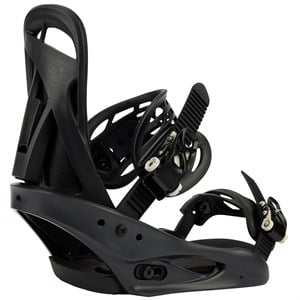
3. Burton Citizen – Women’s
-
Flex Rating: Soft
-
Baseplate: Single-Component Re:Flex™ Polycarbonate
-
Highback: Single Component Canted Design with MicroFLAD™
-
Straps: Reactstrap™ and Supergrip Capstrap™
The Burton Citizen is an ideal binding for beginner to intermediate female riders who want a comfortable, forgiving ride while progressing their skills. Designed specifically with a women’s True Fit™, every component—from baseplate to strap design—matches the shape and movement of a woman’s boot and stance. The soft flex profile provides a mellow, easygoing feel, making it easier to learn edge control and explore new terrain. The Re:Flex™ baseplate and FullBED cushioning system work together to minimize fatigue while enhancing board feel on various terrain types.
Functionally, the Citizen is simple and effective. The Reactstrap™ ankle strap and Supergrip Capstrap™ hold your boot securely without creating pressure points, and the MicroFLAD™ system makes it easy to dial in forward lean on the fly. These bindings also offer universal mounting compatibility, making them a versatile pick for any board setup. That said, they don’t offer much adjustability in stance position, which could be a drawback for riders with borderline boot sizes. Still, for women who want an affordable, lightweight, and comfortable entry into snowboarding, the Citizen offers a dependable ride all season long.
Pros
- True Fit™ design tailored for women’s gear
- Soft flex is perfect for progression
- Comfortable cushioning for long sessions
- Lightweight and universally compatible
Cons
- Limited stance adjustability
- Not suitable for aggressive riding or high speeds
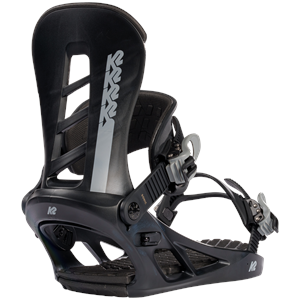
4. K2 Sonic
-
Flex Rating: 3/10 (Soft)
-
Baseplate: PC ProFusion™ Chassis with 3° Canted Footbed
-
Highback: AT PC Highback
-
Straps: P.I. Ankle Strap and Perfect Fit™ Toe Strap
The K2 Sonic bindings are a fantastic entry-level option for beginner to intermediate riders seeking value, comfort, and reliable performance. With a soft flex rating, these bindings are extremely forgiving—perfect for learning how to link turns, try small jumps, or simply cruise the resort with confidence. The PC ProFusion™ chassis keeps weight down while maintaining durability, and the 3° canted footbed helps align your body more naturally over the board, which reduces fatigue and improves comfort during long days on the mountain.
One of the highlights of the Sonic is its fully tool-less adjustability, allowing you to quickly fine-tune strap lengths or reposition components even while on the hill. The P.I. ankle strap and Perfect Fit™ toe strap provide a secure fit without creating hot spots, and the overall feel is supportive without being restrictive. While the Sonic may not be built for aggressive freeriding or high-speed carving, it excels at casual all-mountain cruising and skill progression. Bonus points go to its ability to fit large boots—including size 15s—making it a go-to for riders with big feet on a budget.
Pros
- Excellent value for beginners and casual riders
- Lightweight and easy to adjust without tools
- Comfortable straps with a good boot fit
- Fits larger boots with ease
Cons
- Lacks advanced shock absorption
- Not responsive enough for aggressive terrain
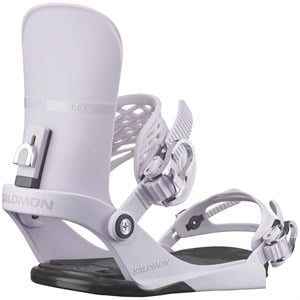
5. Salomon EDB
-
Flex Rating: 3/5 (Medium)
-
Baseplate: EDB Baseplate with 30% Fiberglass Nylon Composite
-
Highback: EDB Ergonomic Highback with HB Filter
-
Straps: Power Lite Ankle Strap and Ultra-Fit Toe Strap
The Salomon EDB (Every Day Binding) lives up to its name by offering all-around performance that suits a wide range of riders and conditions. With a medium flex, it strikes a perfect balance between comfort and response, making it an excellent choice for intermediate to advanced riders who want a binding they can take everywhere—powder, park, or groomers. The baseplate is built using a mix of recycled and fiberglass nylon composites, providing strength and durability without excessive weight. A standout feature is the Air Cush rear pad, which softens landings and dampens vibrations from rough terrain.
Riding the EDB feels smooth and natural thanks to its thoughtful ergonomic design. The canted footbeds support better knee alignment and help reduce strain on long runs, while the HB Filter in the highback effectively filters out unwanted chatter, reducing fatigue. The Power Lite ankle strap and Ultra-Fit toe strap keep your boots locked in comfortably with no unnecessary pressure. Salomon’s ratchet system is also impressively smooth and solid, making entry and exit quick and easy. Whether you’re exploring the whole mountain or focusing on freestyle progression, the EDB is a solid, eco-conscious binding that delivers consistent performance every day.
Pros
- Excellent vibration dampening with Air Cush pad and HB Filter
- Comfortable fit with solid, smooth ratchets
- Eco-conscious build using recycled materials
- Canted footbeds for better alignment and less fatigue
Cons
- Slightly heavier than minimalist models
- Not ideal for ultra-aggressive riding or big jumps
6. Burton Step On
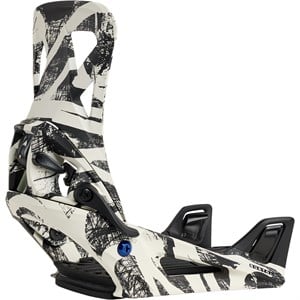
-
Flex Rating: Medium
-
Baseplate: Single Component Short-Glass / Nylon Composite with Re:Flex™
-
Highback: FLAD™ Adjustable Highback
-
Additional System: Step On® Boot-to-Binding System (3-point connection)
The Burton Step On is one of the most revolutionary bindings in snowboarding, built for riders who want simplicity without sacrificing performance. Designed to work exclusively with Burton Step On boots, this system eliminates traditional straps—just step in, click down, and you’re ready to ride. The three-point connection system (two at the toe, one at the heel) delivers a secure, locked-in feel while maintaining excellent board response. The Re:Flex™ baseplate adds cushioning and flex, improving board feel and making the Step On as smooth as many traditional bindings.
Ideal for intermediate to advanced riders, the Step On offers fast entry and exit—no sitting down, no adjusting straps. It’s particularly great for older riders, those with mobility limitations, or anyone who just wants to maximize time on the snow. The FLAD™ system allows for quick adjustment of the forward lean without tools, and the FullBED cushioning reduces fatigue on longer days. While it may take a few runs to get used to the feel, most riders quickly appreciate the ease and performance. And despite its sleek, strapless design, this binding still delivers excellent responsiveness, control, and durability.
Pros
- Lightning-fast entry and exit—no straps!
- Very responsive and comfortable for all-mountain use
- Great for riders with limited flexibility
- FullBED cushioning helps reduce fatigue
Cons
- Only compatible with Burton Step On boots
- Lacks customization found in traditional strap bindings
7. Flux PR
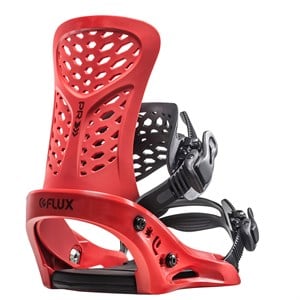
-
Flex Rating: 6/10 (Medium)
-
Baseplate: Disco Base with Performance Blend (Nylon/Fiberglass)
-
Highback: Evo Highback with Micro Adjuster
-
Straps: Honeycomb Ver2.0 Ankle Strap and FTM Versa Toe Strap
The Flux PR is a no-fuss, all-mountain binding that hits the sweet spot between affordability and performance. Geared toward intermediate riders who want responsiveness without draining their wallet, the PR offers a medium flex profile that’s versatile enough for freestyle laps, powder runs, and carving on groomers. The Performance Blend baseplate provides just the right mix of support and forgiveness, while the EZ Bed adds durability and helps shed snow during messy conditions. It’s a well-balanced ride with reliable components that feel more premium than the price would suggest.
What really sets the PR apart is its adjustability and fit. The Evo Highback, made from super tough nylon, offers solid heel support and includes a Micro Adjuster so you can tweak your forward lean in 2.5° increments. The Honeycomb ankle strap conforms well around the boot and feels light and responsive, while the FTM Versa toe strap locks things down nicely over the top or front of your boots. That said, the straps are stiffer than average, which could feel harsh with soft boots. The footbed foam is also fairly firm, so if you’re riding in rough terrain often, you might feel a bit more impact and vibration than with more cushioned bindings. Still, the PR is a fantastic choice for all-mountain riders looking for durability, quick response, and high adjustability at a fair price.
Pros
- Great responsiveness and heel hold for its price
- Excellent adjustability, especially with the highback
- Comfortable and secure fit for larger boots
- Durable build and stylish design
Cons
- Straps are stiffer than average
- Footbed lacks advanced shock absorption
How to Choose Snowboard Bindings for Carving?
Carving is one of the most satisfying parts of snowboarding. Cutting clean turns into fresh corduroy or hardpack snow feels powerful and smooth. But to carve well, you need more than just a sharp edge—you need the right bindings. Snowboard bindings for carving must give you control, quick edge-to-edge response, and solid support. If your bindings are too soft or don’t match your riding style, your turns will feel sloppy and unstable.
This guide will walk you through the key things to look for when choosing bindings made for carving. From flex and responsiveness to comfort and compatibility, here’s what you need to know.
1. Understand What Carving Needs from Bindings
Carving is all about edge control and precision. That means your bindings must transfer your movements quickly and cleanly to your board. You want to feel locked in when leaning into deep turns but still have enough comfort for long sessions.
Bindings that work for carving are usually stiffer, more responsive, and built with performance in mind. They help you keep your board on edge, reduce chatter, and give you confidence at higher speeds.
If you enjoy long, deep turns and clean arcs down groomed slopes, carving-specific bindings are a great choice.
2. Choose a Stiffer Flex for Better Response
Flex is one of the most important things to consider. It affects how much power your bindings can transfer from your boots to the board.
-
Soft Flex (1–4/10): Too loose for carving. Good for freestyle but not for fast edge control.
-
Medium Flex (5–7/10): Offers a good balance of comfort and response. Works for all-mountain and casual carving.
-
Stiff Flex (8–10/10): Best for carving. Provides maximum control and stability during fast, hard turns.
If carving is your main goal, go for bindings with stiff or medium-stiff flex. They help you hold your edge and make sharper, quicker turns with confidence.
3. Look for Responsive Baseplates
The baseplate is the part of the binding that connects directly to the board. It’s responsible for transferring energy from your body to the snowboard.
-
Rigid baseplates: Made from fiberglass, carbon, or reinforced nylon. These offer more power and quick response.
-
Milder baseplates: Tend to dampen the ride but respond slower, which can delay edge changes.
For carving, choose a binding with a rigid or reinforced baseplate. It helps reduce energy loss and gives you immediate board feedback.
Also, consider bindings with minimal flex underfoot so you can feel the board’s edges better while turning.
4. Highbacks Matter for Heel Edge Power
Highbacks play a key role in heel-side response, which is especially important when carving.
-
Tall, stiff highbacks: Offer strong support and better control on heel-side turns.
-
Canted or asymmetrical highbacks: Match your leg’s natural angle, improving comfort and energy transfer.
-
Adjustable forward lean: Let you fine-tune the angle for quicker heel edge response.
If you want more aggressive turns, dial in some forward lean. This puts you in a more powerful stance and makes turning faster.
Avoid low or soft highbacks if carving is your goal—they’re better for park and freestyle riding.
5. Straps Should Be Secure and Precise
Your binding straps hold your boots in place and affect how energy moves from your legs to your board.
-
Ankle straps: Look for firm, supportive straps that wrap evenly across your boot. Wider straps help distribute pressure and improve control.
-
Toe straps: Cap-style toe straps are best for carving. They pull your boot back into the heelcup for a more secure fit.
Well-designed straps won’t create pressure points but will give you a snug, locked-in feel. This is important when riding at speed and leaning hard into turns.
Quick-adjust ratchets are also helpful if you need to tweak your fit on the go.
6. Check for Shock Absorption and Damping
Carving often means riding fast, and fast riding can bring more chatter and vibration. Good shock absorption keeps your ride smooth and protects your joints.
-
EVA foam padding: Common in footbeds, it absorbs shock and reduces fatigue.
-
Rubber or gel inserts: Offer extra cushioning on hard landings or bumpy runs.
-
Dampening tech: Some bindings include built-in dampers to absorb board chatter.
Though stiffness is key, don’t ignore comfort. Look for bindings that balance control with enough cushioning to keep your feet happy all day.
7. Make Sure They Fit Your Board and Boots
Bindings must match your board and boots in both size and mounting style.
-
Size match: Bindings come in S, M, and L sizes. Make sure the binding fits your boot size perfectly—too loose or too tight is a problem.
-
Mounting compatibility: Most bindings use 4×4 or 2×4 screw patterns. If you ride a Burton board with The Channel, you’ll need EST or Re:Flex bindings.
Always check the brand’s size chart before buying. If possible, try your boots in the bindings at a shop before committing.
8. Consider Weight and Build Quality
Carving bindings don’t need to be ultralight like park bindings, but they should still feel solid and responsive.
-
Aluminum heelcups: Add strength without too much weight.
-
Carbon fiber or glass-infused parts: Reduce weight while boosting stiffness.
-
Metal ratchets and durable plastics: Make sure your bindings can hold up to high-speed riding.
If you’re a more aggressive carver or ride in mixed conditions, pick a model known for durability.
9. Budget for Performance
Carving bindings are often on the higher end of the price range due to their advanced materials and design.
-
Entry-level ($120–$180): May work for casual carvers but often lack stiffness and tech features.
-
Mid-range ($180–$250): Good balance of price, performance, and comfort.
-
High-end ($250–$350+): Offer premium materials, advanced damping, and top-tier response.
If carving is your main focus, it’s worth spending more to get a binding that performs well at high speeds.
10. Top Binding Models for Carving
Some bindings are especially popular among carvers because of their stiffness, precision, and comfort. A few examples include:
-
Union Atlas – Known for its responsive flex and durable construction.
-
Burton Cartel X or Genesis X – Great forward lean options and smooth edge control.
-
Rome Cleaver – Carbon-infused build for top-end power transfer.
-
NOW Drive – Skate-tech baseplate for smooth, locked-in carving.
-
Flux XF – Precise highback and excellent build quality.
Always read reviews, and if possible, demo bindings before buying.
Final Thoughts
Great carving doesn’t come from your board alone—it starts with your bindings. They connect your body to your board and control how well you handle turns. If you’re serious about carving, go for bindings with a stiffer flex, strong heel support, responsive straps, and solid build quality. Small features like canted footbeds or forward lean adjustments can also make a big difference.
Remember, comfort matters too. You want to feel secure but not cramped. The best carving bindings let you ride hard, hold your edge, and enjoy clean, powerful turns every time you hit the slope.