
Best Snowboard Bindings for Powder of 2025
Riding powder is one of the best feelings in snowboarding. You float, turn, and glide with almost no effort. But to enjoy deep snow properly, you need the right bindings. Powder bindings help you stay balanced, keep control, and ride smooth. They should feel stable, flexible, and easy to move in. Not all bindings work well in soft snow. Some are too stiff or heavy, making it hard to float. In this guide, we’ll show you the best snowboard bindings for powder. We picked bindings that offer comfort, control, and the right flex. Whether you’re in the trees or open bowls, these bindings will make your powder days even better.
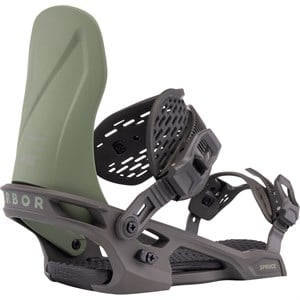
1. Arbor Spruce
-
Flex Rating: 3/5 (Medium)
-
Baseplate: Lightweight Single Mold Baseplate with 2.5° Canted Footbed
-
Highback: Asymmetrical with 5° Pre-Rotation
-
Straps: Bow-Strap Adjuster with Textured Stretch Ankle Strap
The Arbor Spruce bindings are designed for beginner to intermediate riders who want a reliable, comfortable binding for progressing all over the mountain. The medium flex is versatile enough for cruising groomers, learning new tricks, and even handling powder days. One of the standout features is the 2.5° canted footbed, which supports a more natural foot and knee alignment, reducing fatigue and improving comfort during long sessions.
Ease of use is where the Spruce really shines. The patented Bow-Strap adjuster keeps the straps out of the way during entry and exit, making these one of the most user-friendly bindings in this price range. Despite being entry-level, the bindings feel responsive and durable, handling both mellow cruising and more dynamic terrain with ease. If you’re a rider on a budget who still wants solid features and thoughtful design, the Spruce is a great choice.
Pros
- Comfortable and beginner-friendly
- Canted footbed improves riding posture
- Quick and easy strap entry
- Solid build at an affordable price
Cons
- Not ideal for aggressive freestyle
- Lacks advanced cushioning tech
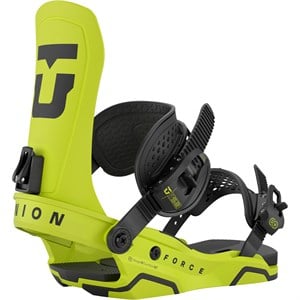
2. Union Force
-
Flex Rating: 7/10 (Stiff)
-
Baseplate: Stage 9 Duraflex ST with Molecular Bushing
-
Highback: S19 Duraflex ST with Non-Stick HP EVA
-
Straps: ExoFrame 6.0 Ankle Strap with TS 5.0 Toe Strap
The Union Force bindings are a true all-mountain powerhouse built for intermediate to advanced riders who demand durability and performance. With a stiff flex rating of 7, these bindings deliver exceptional response, edge control, and energy transfer—ideal for charging hard on any terrain. The Stage 9 baseplate and Molecular Bushing Suspension System absorb shock and reduce chatter, making the ride smooth even in variable conditions.
Comfort and reliability are the name of the game with the Force. The ExoFrame 6.0 straps with Molecular Padding contour comfortably around your boot while maintaining responsiveness. Sizing up to XL makes them a top pick for riders with large feet. Whether you’re lapping the park or floating through powder, the Union Force offers professional-grade features and comfort that holds up for the long haul.
Pros
- Ultra-durable construction with lifetime baseplate warranty
- Excellent responsiveness and control
- Great shock absorption for aggressive riders
- Available in XL sizing for big feet
Cons
- Too stiff for beginners
- Slightly heavier than some lighter bindings
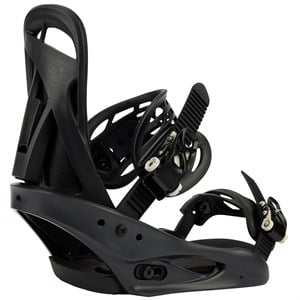
3. Burton Citizen – Women’s
-
Flex Rating: Soft
-
Baseplate: Single-Component Re:Flex™ Polycarbonate
-
Highback: Ergonomic Single Component with MicroFLAD™
-
Straps: Reactstrap™ and Supergrip Capstrap™
The Burton Citizen bindings are a fantastic choice for beginner to intermediate women looking to explore the mountain in comfort. With a soft flex profile, these bindings are very forgiving, allowing new riders to progress without feeling overpowered. The Re:Flex™ cushioning system underfoot delivers full-day comfort and fatigue reduction, while the lightweight construction keeps things simple and intuitive for those just starting out.
Designed specifically for women’s boots, the True Fit™ design ensures an ideal ergonomic fit. The Reactstrap™ and Supergrip Capstrap™ provide a secure hold while remaining plush and flexible. That said, the binding lacks a lot of stance adjustability, which may be an issue for riders in between sizes. Still, for those looking to build confidence on the mountain with a reliable, easy-to-use binding, the Citizen is a strong entry-level performer.
Pros
- True Fit™ design tailored for women’s boots
- Soft flex is great for learning
- FullBED cushioning for comfort
- Lightweight and easy to use
Cons
- Limited adjustability
- May not suit aggressive riding styles
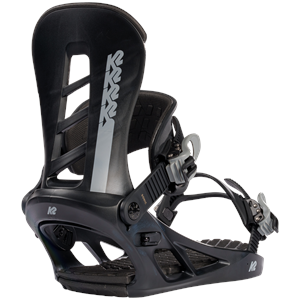
4. K2 Sonic
-
Flex Rating: 3/10 (Soft)
-
Baseplate: PC ProFusion™ Chassis with 3° Canted Footbed
-
Highback: AT PC Highback
-
Straps: P.I. Ankle Strap and Perfect Fit™ Toe Strap
K2’s Sonic bindings are a budget-friendly option for riders just getting into snowboarding. The soft flex and user-friendly design make them ideal for those focusing on basic skills and comfortable cruising. The ProFusion™ chassis provides durability, and the 3° canted footbed helps align your stance for less knee fatigue, promoting a more natural riding posture.
The Sonic also impresses with its tool-less adjustment system, allowing riders to tweak fit and positioning without hassle. Though the cushioning and materials are more basic compared to high-end models, they get the job done for light to moderate riding. With the ability to accommodate large boots (even size 15), the Sonic offers a flexible fit that doesn’t compromise comfort for size.
Pros
- Affordable and beginner-friendly
- Tool-less adjustability
- Wide boot compatibility
- Canted footbed enhances comfort
Cons
- Basic cushioning
- Lacks high-speed responsiveness
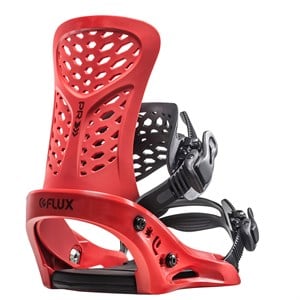
5. Flux PR
-
Flex Rating: 6/10 (Medium-Stiff)
-
Baseplate: Performance Blend with EZ Bed Footbed
-
Highback: Evo Highback with Micro Adjuster
-
Straps: Honeycomb Ver2.0 and FTM Versa Toe Strap
The Flux PR bindings are a great choice for intermediate riders who want solid performance without breaking the bank. With a medium-stiff flex, they strike a balance between all-mountain control and playful freestyle response. The Performance Blend baseplate gives a stable ride, and the EZ Bed footbed provides decent shock absorption while shedding snow to keep things lightweight.
Although the straps are strong and hold your boot well, they may feel a bit stiff for riders with softer boots or those preferring more forgiving flex. The PR also lacks rubber dampening at the board interface, so rough snow might be felt more than on pricier bindings. Still, they perform reliably and accommodate wider boots, making them a smart pick for riders who value simplicity and strength over bells and whistles.
Pros
- Solid value for intermediate riders
- Micro-adjust forward lean
- Lightweight and durable
- Wide boot compatibility
Cons
- Strap plastic feels rigid
- Limited dampening on rough terrain
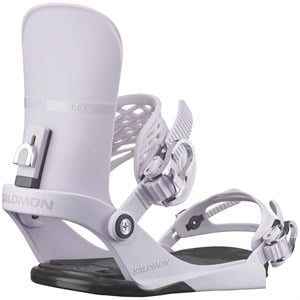
6. Salomon EDB
-
Flex Rating: 3/5 (Medium)
-
Baseplate: Recycled Nylon/Fiberglass with Air Cush Rear Pad
-
Highback: Ergonomic EDB with HB Filter
-
Straps: Power Lite Strap and Ultra-Fit Toe Strap
The Salomon EDB bindings offer versatile all-mountain performance for riders who want a comfortable, reliable setup for daily use. With a flex that lands right in the middle, the EDB is supportive yet forgiving—great for intermediate riders who like a bit of everything. The standout feature is the Air Cush rear pad, which does an excellent job reducing vibration and softening landings.
Strap adjustability is easy and intuitive, and the Power Lite ankle strap offers precise boot control without pinch points. The highback’s HB Filter reduces chatter, especially in choppy snow, and the overall build quality feels solid. Add in a canted footbed for better alignment, and the EDB proves to be a comfortable, all-purpose binding with some eco-friendly construction to boot.
Pros
- Great shock absorption with rear Air Cush pad
- Smooth and durable ratchets
- Comfortable fit for all-day riding
- Canted footbeds reduce fatigue
Cons
- Slightly heavy
- Not ideal for aggressive freestyle riders
7. Burton Step On
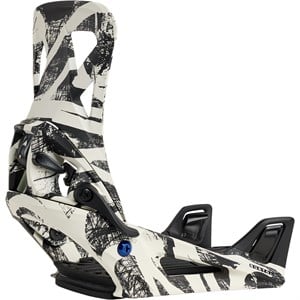
-
Flex Rating: Medium
-
Baseplate: Short-Glass/Nylon Composite with Re:Flex™ FullBED
-
Highback: Tool-Free FLAD™ System
-
Binding System: Step On® boot-to-binding 3-point lock system
The Burton Step On bindings are all about convenience and innovation. Designed for use with Burton Step On boots only, these bindings eliminate straps entirely. You simply step into the system and go. With a medium flex, they’re suitable for riders who want a mix of comfort and response across the mountain. The Re:Flex™ FullBED underfoot helps reduce fatigue and smooths out bumpy rides.
Step Ons excel in their ease of use—no more fumbling with ratchets or adjusting straps in the cold. The three-point locking system feels secure and responsive. While the lack of adjustability may concern some traditionalists, those who want a clean, efficient system will appreciate how much time and hassle Step Ons save. They’re especially good for riders who want less fuss and more fun.
Pros
- Quickest entry and exit system
- Comfortable medium flex for all-mountain use
- Excellent board feel and cushioning
- Ideal for riders with mobility challenges
Cons
- Only compatible with Step On boots
- Less customization than traditional bindings
How to Choose Snowboard Bindings for Powder?
Riding powder is one of the best parts of snowboarding. Floating through deep snow, making smooth turns, and feeling weightless is an amazing experience. But to truly enjoy powder riding, your gear needs to be right—especially your bindings. Snowboard bindings for powder should help you stay in control, keep your balance, and stay comfortable through long, deep runs.
Bindings connect your boots to your board, so they play a big role in how your board moves and feels under your feet. In powder, this means they need to offer the right blend of flexibility, response, and support.
1. Understand the Needs of Powder Riding
Powder snow is soft and deep. It feels different than riding groomers or park features. Your board sits lower in the snow, and your back leg often works harder to keep the nose up. You also need better balance, more float, and smooth control.
Bindings for powder should make this easier. They need to help you stay centered, let your board move naturally, and reduce strain on your legs—especially your back leg. The right setup will let you float better, carve smoother, and stay comfortable all day long.
2. Go for Medium to Medium-Stiff Flex
Flex is a key part of how your bindings perform. It affects how responsive and forgiving they feel under your feet.
-
Soft Flex (1–4/10): Too loose for deep snow control. Better for beginners or park riding.
-
Medium Flex (5–6/10): Great for a balance of comfort and response in powder.
-
Medium-Stiff Flex (7–8/10): Offers more control and support when riding fast or in tricky terrain.
For powder, most riders do best with medium or medium-stiff flex. These give you enough control to steer through trees or bowls but still allow for natural movement and comfort.
3. Look for Lightweight Construction
Powder riding often means hiking, side-country missions, or long descents. Heavy gear can slow you down or tire you out.
Many powder-specific bindings use lightweight materials such as:
-
Nylon composites: Strong but not too heavy.
-
Aluminum heelcups: Add strength without bulk.
-
Minimalist baseplates: Reduce weight and improve board feel.
A lighter binding helps your board float better and makes it easier to shift your weight in deep snow.
4. Consider Highback Design
Highbacks help control your heel-edge turns and give support when leaning back. In powder, your stance often shifts toward the tail to keep the nose up, so the highback plays a bigger role.
-
Medium-flex highbacks: Allow natural movement and comfort.
-
Asymmetrical designs: Match your leg shape for better control and comfort.
-
Adjustable forward lean: Lets you tweak your stance for more power or relaxed riding.
Too much forward lean isn’t ideal in powder—it can make your legs work harder. A more relaxed angle helps with float and flow in deep snow.
5. Choose Comfortable, Secure Straps
You’ll likely be riding long runs in powder, so comfort is key. Good straps help keep your feet stable without causing pressure points.
-
Ankle straps: Look for wide, padded straps that spread pressure evenly across your foot.
-
Toe straps: Cap-style toe straps are ideal. They lock your boot into the heelcup for better response.
Some bindings have tool-free adjustments, which are helpful if you need to tweak things mid-run. Also, check that the straps don’t freeze up easily—powder riding often means cold and wet conditions.
6. Look for Footbed Cushioning and Canting
Powder riding is smoother than hardpack, but impact still happens—especially on drops, pillows, or tree lines. Good shock absorption keeps your ride comfortable.
-
EVA foam footbeds: Common in most bindings to absorb vibration.
-
Gel or air pods: Offer added protection for your heels and knees.
-
Canted footbeds: Angle your knees slightly inward to reduce joint stress and improve alignment.
If your back leg gets sore often in powder, canting can really help reduce strain and keep you riding longer.
7. Pay Attention to Baseplate Feel and Flex
The baseplate sits between your boot and your board. It affects how the board flexes and how much you feel the snow.
-
Rigid baseplates: Offer great response but can feel stiff in soft snow.
-
Flexible or minimal baseplates: Allow more board feel and natural flex, which is helpful in powder.
Bindings that allow a bit of torsional flex make it easier to steer your board through deep snow and tight trees.
8. Match Binding Size and Compatibility
Always make sure your bindings match your boot size and your board’s mounting system.
-
Size match: Bindings come in Small, Medium, or Large. A good fit means your boots are snug with no movement.
-
Mounting systems: Most bindings use a 4×4 or 2×4 system. Some boards (like Burton’s Channel system) need specific compatible bindings.
Improper binding fit can mess up your stance and ruin your ride—especially in tricky snow.
9. Think About Riding Style and Terrain
Where and how you ride powder affects which bindings are best for you.
-
Tree runs and tight terrain: Go for lighter, medium-flex bindings that allow quick movement.
-
Open bowls and steep lines: Look for bindings with more support and response for big, fast turns.
-
Backcountry or splitboarding: Some powder riders need bindings that are light and easy to hike in.
Match your bindings to your terrain for the best experience.
10. Budget and Quality
Bindings for powder don’t have to be expensive, but good features do come at a cost. Here’s a rough price guide:
-
Entry-level ($120–$170): May lack cushioning or advanced straps. Fine for light powder days.
-
Mid-range ($180–$250): Great all-around options with comfort and performance.
-
High-end ($250–$350+): Lightweight, responsive, and packed with tech. Best for serious powder hunters.
If powder riding is your favorite part of snowboarding, it’s worth investing in bindings that keep up with you.
Final Thoughts
Riding powder is what many snowboarders live for. To make the most of those perfect days, your gear needs to work with you—not against you. The right bindings help you stay balanced, float with ease, and ride longer without fatigue.
When choosing bindings for powder, focus on flex, comfort, weight, and how well they support your natural stance. Look for features like canted footbeds, soft-to-medium highbacks, and lightweight materials that keep your ride smooth and controlled.
Your bindings can be the difference between struggling through deep snow or floating with ease. Get the right pair, and every powder day will feel like a dream.