Best Snowboard Helmets with Speakers of 2026
If you love snowboarding and music, a snowboard helmet with built-in speakers is a game-changer. These helmets let you enjoy your favourite tunes, take calls, or chat with friends without pulling out your phone. They combine safety, comfort, and entertainment, making your time on the slopes even better. In this guide, we’ll explore the best snowboard helmets with speakers that offer great sound quality, strong protection, and reliable Bluetooth connections — so you can ride safely while staying connected and fully in the zone.
1. Sena Latitude

- Connectivity: Bluetooth intercom (up to 4 helmets)
- Battery: Up to 8 hours talk time, 3-hour recharge
- Range: Up to 1 km (0.6 miles) in open terrain
- Features: Active ventilation, smartphone pairing for music/GPS/calls
The Sena Latitude is built around social riding — its Bluetooth intercom lets up to four riders connect without a phone, and the one-to-one HD intercom makes conversations crisp and natural. On long lift days I valued the simple controls and reliable hands-free pairing to my phone for navigation and music. The helmet’s ventilation system with 18 vents keeps airflow moving on warm afternoons while the padding and fit system reduce pressure over long sessions. Battery life is decent for day trips: eight hours of talk time covered a full day of on-and-off chat and music. Recharging in three hours is convenient between evenings or overnight.
For commuters to resorts and groups who ride in pairs or small packs, the Sena Latitude strikes a practical balance of communication features and helmet comfort. The 1 km open-terrain range is realistic when riders are in sight but expect reduced distance in tree-lined runs or crowded lifts. Audio clarity and microphone performance are solid for calls and voice prompts from GPS. If your priority is group intercom with straightforward helmet ventilation and dependable smartphone audio, the Latitude is a strong, user-friendly choice that keeps the talking simple and the ride focused.
2. LIVALL RS1
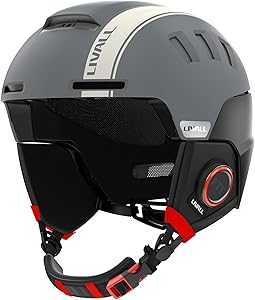
- Fit & weight: M 54–58cm, L 57–61cm; ~700–750g
- Safety: Patented fall detection + SOS alert with GPS
- Audio: Built-in Bluetooth speaker and windproof mic
- App: LIVALL Riding App — speed, distance, altitude, SOS
The LIVALL RS1 prioritizes rider safety and smart features while staying lightweight and wearable all day. The adjustable dial makes getting a snug fit quick, and the ABS shell with EPS liner feels reassuring without being bulky. Its standout feature is the integrated fall-detection system linked to the LIVALL app — when an impact is detected the helmet can send an SOS with GPS coordinates to chosen contacts, which is comforting for solo riders or those on remote slopes. The built-in windproof microphone and Bluetooth speaker deliver clear voice calls and music, and the one-click call-answer functionality is useful when gloves are on.
Beyond safety, the RS1’s companion app turns the helmet into a ride-tracking device, logging distance, speed, altitude and route details for later review. Audio quality is acceptable for music and navigation prompts, though audiophiles will notice limits compared with over-ear dedicated headphones. If you want a lightweight, safety-first helmet with connected features for ride logging and automatic emergency alerts, the LIVALL RS1 is an elegant, modern option that blends protection with practical tech.
3. OutdoorMaster Kelvin II

- Construction: ABS shell with EPS foam liner
- Ventilation: 14 vents for airflow and breathability
- Audio: IP45 Bluetooth headset; up to 15 hours playback
- Fit: Removable liner, ear muffs, adjustable dial
The OutdoorMaster Kelvin II pairs a safe, comfortable shell with a separate Bluetooth headset designed for long days on snow. The helmet is straightforward and practical: tough ABS outer shell, EPS impact foam, and a fit dial that locks the helmet securely while remaining lightweight. The 14 vents keep air moving when you’re working hard on a sunny run, and the removable plush liner and ear muffs mean easy washing and seasonal adjustment. What sets the Kelvin II apart is the IP45-rated Bluetooth headset: it’s built for cold and sweat, and glove-friendly buttons let you change tracks, adjust volume or take calls without fumbling.
Battery life is impressive for a bundled solution — around 15 hours of playback — which means you aren’t swapping or recharging mid-trip. Audio quality and microphone performance are perfectly serviceable for music and phone calls; they won’t replace dedicated audiophile gear but they do the job for the slopes. If you want a dependable helmet-and-headset kit that’s easy to use, durable, and comfortable for full-day riding, the Kelvin II delivers strong value and practical features for recreational skiers and snowboarders.
See the OutdoorMaster Kelvin II
4. Odoland Ski Helmet (Audio Compatible)
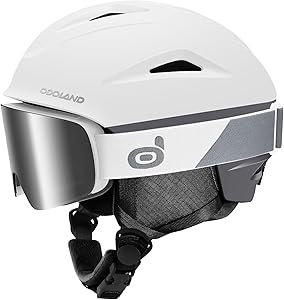
- Compatibility: Audio-compatible design for Bluetooth modules
- Construction: Certified shockproof outer shell
- Ventilation: 10 vents with Flow-Tech goggle venting
- Fit/comfort: Removable lining, earmuffs, adjustable strap
The Odoland ski helmet with goggles set is a budget-friendly all-rounder aimed at casual riders and families. It’s sold as a full kit — helmet plus Flow-Tech vented goggles — and the helmet’s shell meets basic safety certification while remaining lightweight. Removable liners and earmuffs make washing simple and let you tailor warmth across conditions. The ten vents work with the goggles’ venting design to reduce fogging and maintain comfort during active runs. Audio compatibility means you can fit third-party Bluetooth modules or earbud systems into the ear pockets when you want music or calls.
For weekend riders who want a no-fuss helmet and goggles that fit together cleanly, Odoland is a sensible pick: it’s comfortable, adjustable, and covers the essentials without premium price tags. Expect solid performance for recreational use rather than professional terrain. If you value a matched helmet-and-goggle combo with easy ventilation and the option to add audio, Odoland provides straightforward functionality and decent versatility for everyday snow sports.
5. TurboSke Ski Helmet (Audio Compatible)

- Standards: ASTM standard certified
- Fit: Size S (51–55 cm) with dial fit system
- Features: Removable liners and ear pads for washing
- Ventilation: Goggle ventilation channel to reduce fog
The TurboSke ski helmet is a compact, style-forward option for teens and adults who want a dependable, audio-compatible shell. It meets ASTM standards and focuses on practical comfort: a dial fit system for quick on-the-fly adjustment, removable fleece-lined ear pads and liners that are washable, plus a ventilation channel that helps keep goggles from fogging. The helmet’s lightweight construction and simple camo styling make it an easy daily driver for resort laps or park sessions. Audio compatibility gives you the freedom to install a Bluetooth module or use in-ear systems when you want music or calls.
TurboSke doesn’t try to be a tech flagship; instead it delivers durability, comfort, and sensible features at a friendly price. It’s particularly useful for younger riders or those who prefer a low-profile helmet that still offers basic audio options and easy maintenance. If you want a solid, no-nonsense helmet that fits well, cleans easily and plays nicely with third-party audio accessories, the TurboSke is a reliable choice for everyday snow use.
How to Choose Snowboard Helmets with Speakers
Snowboarding has evolved beyond just carving down slopes and hitting jumps—it’s about combining safety, style, and smart technology. A snowboard helmet with built-in speakers is the perfect blend of protection and entertainment, allowing riders to listen to music, take calls, and stay connected on the mountain. But with so many models and features available, it can be challenging to know what to look for. This guide breaks down everything you need to consider when choosing the perfect snowboard helmet with speakers.
Why Choose a Helmet with Built-In Speakers?
A helmet with integrated speakers provides convenience and safety in one package. It eliminates the need for separate earbuds or headphones, which can be uncomfortable under a helmet or even unsafe if they block out too much external noise. These helmets allow you to listen to your favorite tracks, communicate with friends, or take phone calls—all while keeping your ears warm and protected. Many also come with Bluetooth connectivity, enabling wireless pairing with your smartphone or intercom systems for group rides.
Key Features to Look For
1. Audio Quality and Connectivity
The quality of the built-in speakers is crucial. Look for helmets with Bluetooth 5.0 or higher for stable connectivity and minimal audio lag. Some helmets, like the Sena Latitude or LIVALL RS1, include advanced intercom systems that allow real-time communication with nearby riders without needing a phone. If you plan to use your helmet primarily for music or calls, ensure it has clear, balanced audio and a reliable microphone for crisp voice transmission even in windy conditions.
2. Battery Life
Battery life determines how long your audio system can run before needing a recharge. The best helmets offer between 8 and 20 hours of playtime, enough for several days of riding. Fast-charging options are a plus, especially if you’re on extended snow trips. If you tend to spend all day on the mountain, opt for a helmet like the OutdoorMaster Kelvin II, which provides up to 15 hours of playback time and hundreds of hours of standby.
3. Fit and Comfort
A helmet should fit snugly without feeling tight or restrictive. Most models come with an adjustable dial-fit system, allowing you to fine-tune the fit even with gloves on. Consider helmets with removable liners and ear pads that can be washed or swapped for warmer or cooler conditions. Materials also matter: fleece or plush-lined interiors enhance comfort during long sessions. The weight of the helmet plays a role too—lighter helmets reduce fatigue on long days and are less cumbersome when carrying gear.
4. Ventilation
Good ventilation prevents overheating and helps moisture escape, especially during high-intensity rides. Helmets typically feature adjustable venting systems that you can open or close depending on the weather. For example, the Sena Latitude offers 18 vents for airflow control, while models like the Odoland Ski Helmet have 10 strategically placed vents. A well-ventilated helmet not only enhances comfort but also prevents fogging when paired with goggles.
5. Safety Certifications
Safety should always be your top priority. Ensure that the helmet meets or exceeds safety standards such as ASTM F2040, CE EN1077, or similar certifications. These standards verify that the helmet provides adequate impact protection. Look for construction details like a durable ABS outer shell combined with EPS (expanded polystyrene) foam, which absorbs shocks efficiently. Advanced helmets may also feature MIPS (Multi-directional Impact Protection System) technology to reduce rotational forces during crashes.
6. Communication Features
If you often ride with friends, intercom functionality is a major advantage. Some helmets support rider-to-rider communication over Bluetooth, enabling group chats or one-on-one communication without relying on mobile networks. Sena helmets, for instance, allow up to four users to connect over a 1 km range in open terrain. Meanwhile, models like the LIVALL RS1 go further by integrating GPS tracking and SOS alerts, sending your location to emergency contacts if a fall is detected.
Types of Speaker Helmets
Integrated Speaker Helmets
These helmets come with built-in speakers and microphones directly integrated into the ear pads. They offer a seamless, wire-free experience and are ideal for users who want plug-and-play simplicity. The sound quality tends to be well-balanced, and the controls are glove-friendly. However, you’re limited to the manufacturer’s built-in system, meaning upgrades or repairs may be more complicated.
Audio-Compatible Helmets
Audio-compatible helmets, such as the TurboSke Ski Helmet or Odoland Ski Helmet, have built-in ear pockets designed to hold third-party Bluetooth audio systems. This option provides more flexibility—you can choose your preferred audio kit and replace or upgrade it when needed. It’s a good middle-ground solution for riders who already own Bluetooth headsets or want to tailor their setup to specific brands like Outdoor Tech or Aleck.
Additional Considerations
Weather Resistance
Since snowboarding exposes you to cold, wet, and windy conditions, ensure your helmet’s speakers and electronic components are weather-resistant. Look for IP-rated designs (e.g., IP45) that can withstand snow, sweat, and low temperatures. This ensures your helmet remains functional even during heavy snowfall or freezing temperatures.
Ease of Use
Helmets designed with simple, glove-friendly controls make a huge difference on the slopes. You don’t want to remove your gloves to change tracks or answer a call. Buttons should be large and tactile, and voice assistant compatibility (like Siri or Google Assistant) is a bonus for hands-free operation. Some helmets even include voice control or app-based settings for volume and intercom management.
Weight and Balance
A good helmet should distribute weight evenly to avoid neck strain. Lightweight materials such as ABS shells and in-mold EPS foam keep the helmet comfortable without compromising protection. The LIVALL RS1, for instance, weighs around 700–750 grams, striking a nice balance between durability and ease of wear.
Style and Design
While function comes first, style still matters. Many snowboard helmets with speakers come in a range of colors and finishes, from matte black to vibrant camo patterns. Consider whether you want a sleek low-profile look or something more rugged and distinctive. Some models even offer removable goggle clips or customizable ear covers.
Top Brands to Consider
Several brands stand out for producing high-quality snowboard helmets with speaker functionality:
- Sena: Known for their advanced intercom systems and reliable Bluetooth performance.
- LIVALL: Offers smart safety features like fall detection, GPS tracking, and SOS alerts.
- OutdoorMaster: Provides great all-around helmets with long battery life and durable build quality.
- TurboSke and Odoland: Excellent budget options with audio compatibility for external headsets.
How to Maintain Your Helmet
To keep your snowboard helmet with speakers in top shape, regularly remove and clean the liners and ear pads according to the manufacturer’s instructions. Avoid submerging the electronic components in water—wipe them gently with a damp cloth instead. Always store your helmet in a dry place and avoid leaving it near heaters or direct sunlight, which can damage the EPS foam. Finally, replace your helmet after a significant impact or every few years, as materials degrade over time.
Final Thoughts
Choosing the right snowboard helmet with speakers comes down to balancing comfort, safety, and technology. Look for a model that fits well, meets safety certifications, and offers the features you’ll actually use—whether that’s music playback, group intercom, or GPS tracking. Integrated helmets offer convenience, while audio-compatible ones provide flexibility for upgrades. With a quality helmet, you can enjoy your music, stay connected, and most importantly, protect yourself while shredding the slopes in style.