Best Snowboards for Older Riders of 2026
Finding the right snowboard as an older rider can make all the difference between an enjoyable day on the slopes and a tiring one. The best snowboards for seniors focus on comfort, stability, and easy control, helping you ride confidently without extra strain. Whether you’re getting back into snowboarding after a break or still hitting the mountains regularly, the right board can improve balance and reduce fatigue. This guide highlights snowboards that offer smooth performance and make every ride more fun and comfortable.
1. Arbor Rain
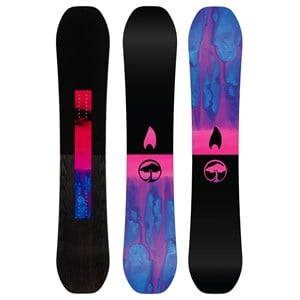
- Rocker Type: System Camber
- Flex: 7-8 (Stiff)
- Shape: Directional Twin
- Base & Edges: Sintered base, recycled steel edges
The Arbor Rain is a high-energy all-terrain board for riders who still like to push limits. Its System Camber gives crisp on-edge response and explosive pop while softening contact points for fewer catches. That makes the Rain excellent for riders who want predictable carving on groomers, solid pop for ollies and jumps, and confident behavior in variable snow. The Highland III core keeps weight down without sacrificing snap, and the double carbon stringers add a lively, durable rebound that feels at home on steep lines and poppy park laps.
Beyond performance, Arbor dresses the Rain with eco-forward touches that matter to many older riders: a bio-plastic topsheet, bio-resin, and real wood Powerply for natural feel and unique looks. Factory-tuned edges and a sintered base mean it comes ready to go. If you want a stiff, precise board that still forgives in the tip/tail and rewards commitment at speed, the Arbor Rain is a confident choice for mature freeriders who value control, pop, and sustainability.
Pros: Great pop and precision; eco materials; durable build; factory-tuned for catch-free feel.
Cons: Stiff flex can be tiring on long mellow days; aggressive for pure beginners.
2. Burton Counterbalance
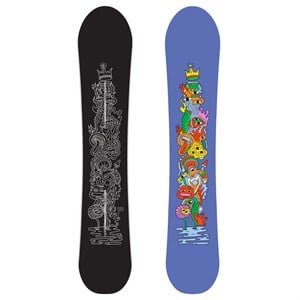
- Rocker Type: Directional Camber
- Flex: Medium directional flex
- Core: Super Fly II 700G
- Mount: The Channel® (Channel inserts)
The Burton Counterbalance is a finely tuned board that balances park playfulness with deep-day float and groomer stability. Directional camber delivers reliable edge hold and pop underfoot while the rockered nose adds float in softer snow. That makes it a splendid option for older riders who want a single board to do everything from side hits and park laps to powder runs. The Super Fly II core and carbon highlights give lively response without excess weight, and Infinite Ride™ construction aims to keep the flex and pop consistent season after season.
Ergonomically, the Counterbalance’s 8mm taper and all-mountain directional shape let riders hold higher speeds with confidence while still allowing switch tricks or playful arcs when desired. Gender-neutral sizing and Burton’s Channel system make stance setup simple. For mature riders seeking versatility, predictable edge control, and a board that retains snap over time, the Counterbalance is an elegant, low-compromise pick.
Pros: Versatile all-mountain performance; stable at speed; long-lasting pop; easy stance adjustment.
Cons: Not ultra-soft for relaxed cruising; premium price point.
3. K2 Commonwealth
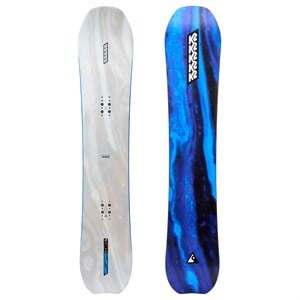
- Rocker Type: Camber
- Flex: 7 (Stiff)
- Core: A1 Core (bamboo, aspen, paulownia)
- Tech: Spectral Braid™ for tuned torsion
The K2 Commonwealth leans into freeride performance with a precise camber profile and a directional shape built to handle steep lines and punchy turns. Its A1 core blends bamboo and aspen for snap and durability while paulownia reduces swing weight in the tip and tail. Spectral Braid™ reinforcement tunes the torsional response so the board feels lively yet composed edge-to-edge—ideal for older riders who prize control and stability at speed.
Because it’s designed for freeride commitment, the Commonwealth rewards decisive inputs and clean technique. It holds edge on hardpack, carves with authority, and stays stable in variable snow. For those who still want to charge and appreciate a board that gives precise feedback, the Commonwealth is a strong choice. It’s a little stiffer than all-day cruisers, but its tuned construction makes it forgiving enough for riders easing back into pushing performance limits.
Pros: Excellent edge hold; light swing weight; energetic response; built for big mountain.
Cons: Stiffness may deter relaxed riders; not a park-first feel.
4. Arbor El Camino
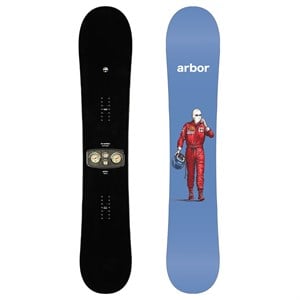
- Rocker Type: Parabolic Camber
- Flex: 8-9 (Very stiff)
- Shape: Directional, 5mm taper
- Core & Stringers: Highland III core + Double Carbon Stringers
The Arbor El Camino is an aggressive freeride tool built for steep lines and big air. Its parabolic camber geometry reduces harsh contact points while delivering a loaded camber feel underfoot, letting riders charge with precision and confidence. With a very stiff flex and double carbon stringers, the El Camino snaps hard off jumps and stays stable at high speed—perfect for older riders who still seek adrenaline and want a board that rewards commitment.
Grip Tech edge profiling and 360° wrapped sidewalls add reliable bite and long-term durability, so you can push steep terrain without worrying about edge chatter or delamination. The eco-conscious construction, including bio-resin and sustainable veneers, is a welcome plus. If you want a fearless, high-performance board and you’re comfortable with a stiff ride, El Camino gives pure downhill power and control.
Pros: Explosive pop and stability; durable eco construction; confident edge hold; top-end control.
Cons: Very stiff for mellow laps; demanding for casual cruising.
5. Nitro Alternator x Hailey – Women’s
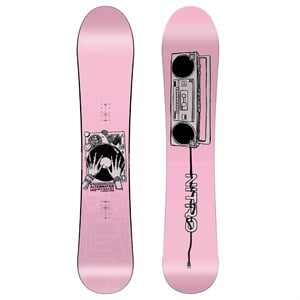
- Rocker Type: Trüe Camber
- Flex: 7 (Stiff)
- Core: Powerlite core + Reflex profile
- Base: Sintered Speed Formula II
The Nitro Alternator x Hailey is a versatile, float-forward board designed for riders who want powder capability without sacrificing groomer performance. Co-designed by Hailey Langland, it blends camber stability with playful handling thanks to a dual degressive sidecut. The Powerlite core and Reflex profile keep swing weight low and handling nimble, so it feels lively in tight trees and fun on open faces. The sintered Speed Formula base boosts glide and speed retention—useful when older riders want efficient laps with less effort.
Nitro’s eco-conscious build and recycled steel edges add thoughtful touches, while tri-lite laminates and diamond band carbon keep the board responsive underfoot. It sits comfortably at the stiffer end of the spectrum, so it’s great for confident riders who still value comfort and control. If you want a women’s-specific shape that floats in powder and carves cleanly on groomers, this is a balanced, capable pick.
Pros: Excellent powder float; responsive snap; lightweight core; sustainable features.
Cons: Stiff for casual cruisers; advanced-expert bias.
See the Nitro Alternator x Hailey
6. K2 Sky Pilot
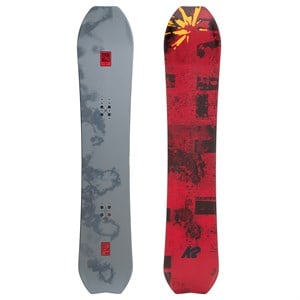
- Rocker Type: Directional Combination Camber
- Flex: 6 (Medium)
- Shape: Volume Shift™ wide platform
- Core & Tech: S1 core + Carbon Y-Beam
The K2 Sky Pilot blends freeride authority with freestyle versatility in a package that suits adventurous, experienced riders. The directional combination camber gives pop and precision where needed while providing rocker-like predictability in the nose for float. Volume Shift™ creates a wider, shorter footprint that increases maneuverability without sacrificing float—handy for older riders who prefer a nimble, confidence-inspiring board on deep days.
S1 core construction adds dampening underfoot so chatter is reduced at speed, while Carbon Y-Beam boosts tail stability for strong releases and controlled landings. The mid-flex tuning makes the Sky Pilot versatile for steep chutes, natural features, and playful laps. If you want a modern freeride board that remains accessible but capable of big objectives, the Sky Pilot is a smart, well-rounded option.
Pros: Great float-to-maneuver ratio; stable at speed; damp underfoot; versatile in varied terrain.
Cons: Volume Shift sizing quirks; not park-focused.
7. Nitro Alternator
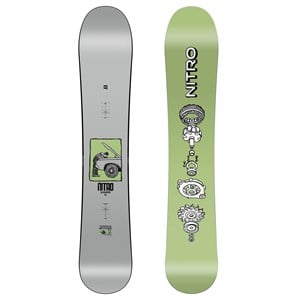
- Rocker Type: Trüe Camber
- Flex: 7 (Stiff)
- Core: Powerlite core with Reflex profile
- Awards: Outside Magazine Gear of the Year
The Nitro Alternator is a proven freeride workhorse that balances playfulness with punchy power. Its traditional camber delivers stability and pop for charged turns and confident carving, while the dual degressive sidecut keeps the board forgiving and easy to arc through mixed conditions. The Powerlite core and carbon reinforcement provide a lively, responsive feel without unnecessary weight, making it suitable for older riders who still want high performance without heavy swing weight.
Nitro’s sustainability features and a speed-forward sintered base make the Alternator a durable, fast choice for long days. It’s aimed at advanced to expert riders, offering precise control in steep terrain and a forgiving turn shape for enjoyable laps. If you want a dependable freeride board with a strong track record and rewarding feel, the Alternator is a versatile pick.
Pros: Powerful camber performance; award-winning design; lightweight core; durable base.
Cons: Stiff feel for relaxed riders; aggressive intent.
8. Salomon Fastlane
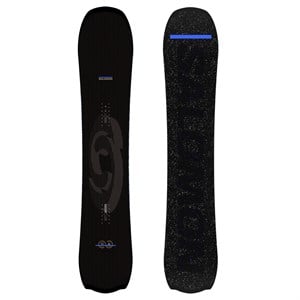
- Rocker Type: Backseat Camber
- Flex: 4 (Stiff)
- Shape: Tapered directional with quadratic sidecut
- Core: Aero Core (balsa + poplar)
The Salomon Fastlane is a high-speed freeride board built to stay calm when you push the throttle. Backseat camber puts power where you need it for precise control and downhill authority, while the tapered directional outline and quadratic sidecut make float and turn initiation effortless in steep or deep terrain. Its Aero core—featuring balsa for weight savings—yields a light, lively feel that still transmits power on demanding lines.
Damplifier tech and Popster shaping smooth vibrations and add targeted pop, helping older riders manage speed and comfort on long, fast runs. The 50% recycled sintered base is a practical touch that blends speed with sustainability. If your riding leans toward speed and solid backcountry performance, the Fastlane gives confidence, stability, and the aggression you want at pace.
Pros: Extremely stable at speed; excellent float; lightweight core; vibration damping.
Cons: Aggressive design for chill days; sizing matters for perfect fit.
9. CAPiTA Aeronaut
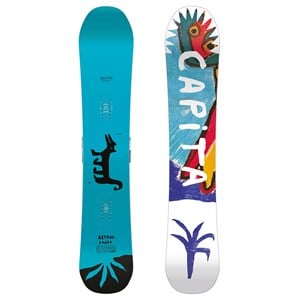
- Rocker Type: Alpine V3 Directional (Full Camber)
- Flex: 6 (Medium)
- Core: Panda Hover Core with Bamboo Power Rods™
- Base: Hyperdrive Adv XT
The CAPiTA Aeronaut is an all-mountain charger that mixes poppy camber performance with race-bred speed. The Alpine V3 camber provides a strong cambered platform that zeros out before the sidecut end for controlled power without harsh hook-ups. Its Panda Hover Core keeps weight down while bamboo power rods boost drive and response—ideal for riders who want precision without heavy swing weight.
With Carbonflax amplifiers and a very fast Hyperdrive base, the Aeronaut carves with authority and feels composed at higher speeds. It’s a superb option for older riders who enjoy carving, charging groomers, and launching side hits while keeping things lively but manageable. Durable construction and pop-forward tuning make it a dependable, fun board for committed riders.
Pros: Fast base; powerful camber pop; light core; stable at speed.
Cons: Less forgiving for casual laps; premium materials raise cost.
10. CAPiTA Mercury
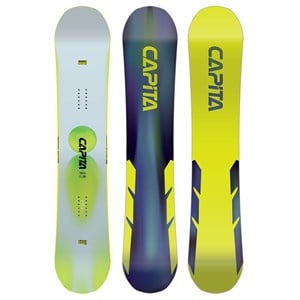
- Rocker Type: Resort V2 Directional + Flat Kick
- Flex: 6.5 (Stiff)
- Core & Reinforcement: Hover Core + 4x25mm Carbon-Flax
- Tech: New Age Progressive Death Grip
The CAPiTA Mercury is a do-it-all, high-performance board tuned to handle everything from punchy groomers to deep powder. Its Resort V2 platform retains raised camber through the inserts for exceptional edge hold, while flat-kick tech and elevated contact points help landings and improve float. The Hover Core keeps the weight down and dampens chatter, and carbon-flax amplifiers add a crisp, lively response that makes turns feel energetic and controlled.
Mercury’s Death Grip sidecut and robust Hyperdrive XT base translate to confident edge pressure and serious speed potential. For older riders who want a modern all-mountain board that won’t bog down in mixed conditions, the Mercury blends liveliness, stability, and durability. It’s a strong quiver-killer for those who still want to rip everything the mountain offers.
Pros: Excellent edge hold; light, damp core; versatile in pow and groomers; advanced tech.
Cons: Stiff for mellow, low-effort laps; performance comes at premium cost.
How to Choose Snowboards for Older Riders
Choosing the right snowboard becomes increasingly important as riders age. Whether you’re still chasing powder runs, carving groomers, or simply enjoying more relaxed mountain days, making the right board choice can enhance comfort, reduce fatigue, and improve confidence. Here’s a detailed guide to help older people select a snowboard that suits their evolving needs, style, and physical condition.
Understanding the Needs of Older Riders
As we get older, physical factors like joint mobility, recovery time, endurance, and balance can change. These may influence how a board feels underfoot and how easy it is to control. The ideal board for an older rider will often emphasise comfort, stability, ease of turning, and predictable performance over aggressive or highly reactive traits. That doesn’t mean you need a soft cruiser if you still ride advanced terrain—rather, the right board will match your ability, style, and how much physical effort you want to invest.
Joint Comfort and Reduced Fatigue
A board that’s too stiff or too long can place more stress on knees, hips, and ankles during turns and landings. Older riders benefit from boards that offer smoother transitions, good shock absorption, and manageable swing weight. Features like dampening cores, softer flex zones, or vibration-reducing technologies help in this area.
Confidence and Stability
Stability becomes more valuable as speed increases or terrain gets uneven. A board with strong edge hold, a stable platform, and predictable behavior can help older men feel secure in steeper or faster conditions. At the same time, the board should still be responsive enough to make turns without excessive effort.
Effort and Recovery
Older riders often prefer equipment that lets them enjoy longer sessions with less physical strain. A board that’s lighter, easier to manoeuvre, and less tiring can make a big difference in how many runs you get in and how your body feels at day’s end. Selecting a length and width that suits your current strength and style is vital.
Key Snowboard Features to Evaluate
When assessing different snowboards, it’s important to look at specific technical attributes and how they align with your riding style and physical preferences. Below are the main features to evaluate and what they mean for older riders.
1. Flex and Feel
The flex of a snowboard describes how stiff or soft it feels underfoot and how it responds to pressure. A stiffer board offers better stability at speed and more aggressive response, but it takes more effort to initiate turns and absorb landings. A softer board is easier to manoeuvre and less tiring, but may chatter at speed or feel less precise.
For older riders, a medium-stiff board often hits the sweet spot—firm enough for stability and carving, yet not so stiff that every turn becomes a workout. If you do more relaxed riding or long cruisy laps, you might lean a bit softer.
2. Board Shape and Profile
The overall shape and profile of a snowboard affect how it handles snow, turns, and terrain transitions. Consider these aspects:
- Camber vs Rocker vs Hybrid: Traditional camber gives great pop and edge hold; rockers (or reverse camber) provide float and easier turn initiation; hybrid profiles blend both. Older riders who enjoy strong carving may favour camber or hybrid that offers a touch of rocker for ease.
- Directional vs Twin: Directional boards have a dedicated nose and tail, which can boost stability for one-direction riding down lines. Twin boards are symmetrical, great for park or switch riding, but may be less tuned for dedicated freeride style.
- Taper and Setback: Boards with a longer nose and shorter tail, or with offset stances, help float in powder and reduce tail drag. For riders chasing deep snow, this can reduce fatigue and effort.
3. Length, Width and Volume
Board sizing is critical. A board that’s too long or wide adds unnecessary swing weight and effort. Conversely, a board that’s too small might lack stability at speed. Older snowboarders should aim for a size that allows confident turns without overextending.
As a guideline, consider sizing down slightly from your maximum height-based size, especially if you value manoeuvrability over raw speed. Also ensure width is sufficient for your boot size to avoid toe/heel drag, but not excessively wide.
4. Core, Materials and Construction
Materials matter for weight, feel, and durability. Lightweight cores, dampening layers, and modern laminates help reduce fatigue and improve ride quality. Some features to note:
- Lightweight core woods: Bamboo, paulownia, poplar blends reduce swing weight.
- Dampening technologies: Vibration-absorbing materials in tips/tails or edges help reduce chatter and fatigue.
- Eco-materials: If you value sustainability, look for boards with recycled steel edges, bio-resin or eco topsheets.
Matching Board to Riding Style and Conditions
Choose a board that reflects where you ride, how often, and how aggressively. Your style and terrain will influence which features you prioritise.
Casual All-Mountain Cruising
If you ride moderately, favour groomers, relaxed laps, and moderate terrain, focus on comfort and ease. A medium flex board, hybrid profile for forgiveness, and a manageable length will let you enjoy the mountain without the workout. Features like dampening cores and softer contact points help.
Serious Carving and Groomer Days
For riders who still enjoy carving high-speed turns on corduroy or groomers, stability and edge hold are critical. Choose a firmer board with strong edge design, camber profile for responsiveness, and construction that keeps chatter under control. A slightly longer board may offer stability, but don’t go so big that you lose manoeuvrability.
Freeride, Powder and Backcountry Missions
If your goal is off-piste, tree lines, or deep snow, you’ll want float, agility, and stability in variable terrain. A directional shape, taper, and rocker or mixed profile are beneficial. Lightweight construction reduces effort during climbs or long days, and stability is crucial when conditions change unexpectedly.
Practical Tips for Older Snowboarders
Here are some actionable considerations to keep in mind when selecting and setting up your snowboard.
Choose the Right Length & Width
Start with the manufacturer’s sizing chart, then adjust down slightly if you value easier manoeuvrability. Ensure the width fits your boot so you avoid dragging but don’t overcompensate with a super-wide board unless you have large boots or ride deep powder often.
Consider Flex and Comfort Over Raw Aggression
While it can be tempting to choose the stiffest board you can find, it may not serve you best in the long run. A board that’s too demanding will fatigue you faster and may reduce enjoyment. A slightly softer or more forgiving flex helps you ride more comfortably, especially late in the day.
Adjust Your Stance for Comfort
Older riders may benefit from a slightly wider stance for stability or a more centred stance for easier spins and transitions. Using modern inserts like 2×4 or Channel systems allows finer adjustment. Make sure your bindings, boots and stance work together for comfort, not just performance.
Test for Feel and Feedback
If possible, demo boards to feel how they flex, initiate turns, and absorb terrain. Pay attention to how you feel after a few runs—are you comfortable, or is your body working too hard? Comfort often correlates with better control and more enjoyable days.`
Maintain Your Gear
As riders age, recovery takes longer; well-maintained gear reduces unexpected issues. Ensure your snowboard is regularly tuned, base waxed, edges sharpened, and bindings correctly adjusted. A poorly maintained board amplifies fatigue and frustration.
Final Thoughts
Choosing a snowboard as an older rider isn’t about compromising performance—it’s about aligning the board with your body, style, and goals. Focus on comfort, stability, manoeuvrability, and durability. A board that lets you ride more confidently, for longer, and with less fatigue will bring more joy and less strain.
Whether you’re still charging big lines or simply want to carve groomers and enjoy scenic runs, the right board will support your experience rather than challenge it. Take your time, test if possible, review how you feel mid-day, and invest in a board that feels right now (and not just when you were younger). The mountain is still there, and you deserve gear that enhances every turn.
Remember: the best board for you is the one that gets you out there consistently, keeps you comfortable, and matches your riding aspirations today. Ride strong, stay comfortable, and enjoy every descent.