Best Ski Pants for Tall Guys of 2025
Being tall on the slopes shouldn’t mean cold ankles or awkward fits. Most ski pants just aren’t made for long legs. That’s why tall guys need better options—pants with extra length, smart design, and real comfort. You want to bend, move, and ski without feeling squeezed. And you don’t want snow sneaking in. In this guide, we skip the usual picks and focus on tall-specific pants that actually work. We looked at inseam length, stretch, warmth, and weatherproofing. Whether you’re carving turns or riding lifts, these ski pants are built to keep up. Let’s get you sorted for the season.
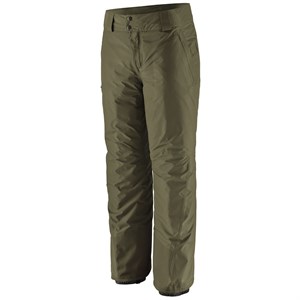
1. Patagonia Insulated Powder Town
-
Shell: 100% recycled polyester with PFC-free DWR coating
-
Insulation: 60g Thermogreen® (100% recycled)
-
Waterproofing: H2No® Performance Standard 2-layer membrane
-
Ventilation: Mesh-lined inner thigh vents
The Patagonia Insulated Powder Town Pants combine performance and sustainability in one impressive package. Built with a waterproof H2No® 2-layer shell and insulated with 60g of recycled Thermogreen®, they deliver warmth without adding weight. The brushed tricot lining enhances next-to-skin comfort, while inner thigh vents keep airflow moving when temperatures rise. Reinforced scuff guards and boot gaiters ensure durability and full snow protection. These pants are also Fair Trade Certified™ and made with recycled materials, giving them serious eco-cred for environmentally conscious skiers.
Fit-wise, they cater well to skiers with muscular or fuller lower bodies. The straight-leg cut is roomy without being baggy, and the waistband doesn’t dig in or restrict motion. They’re particularly popular for resort riders who need comfort, solid waterproofing, and dependable insulation all day long. The mesh vents are a plus for regulating heat, especially during spring laps. While sizing for short inseams is limited and the price leans higher, the combination of comfort, weather protection, and sustainability makes them worth it.
Pros:
- Environmentally responsible design with recycled materials
- Comfortable and warm for most winter conditions
- High waterproof performance with soft lining
- Relaxed fit offers good mobility
Cons:
- Limited size availability for short-legged users
- Price point is slightly above average
See the Patagonia Insulated Powder Town
2. Arctix Insulated Snow Pants

-
Shell: Polyester Dobby ThermaLock with 3000mm waterproof coating
-
Insulation: 85g ThermaTech synthetic insulation
-
Seams: Reinforced and sealed
-
Features: Boot gaiters, adjustable waist, zippered hand pockets
The Arctix Insulated Snow Pants are a solid option for those on a tight budget who don’t want to sacrifice warmth or basic functionality. The 85g ThermaTech insulation holds up well in cold weather, and the ThermaLock shell offers decent wind and water resistance. These pants come with useful features like boot gaiters, reinforced cuffs, and an adjustable waistband for added flexibility. While not fully waterproof like premium options, they’re great for groomer days, light snowfall, and colder, dry climates.
These pants have earned praise from curvier skiers and those with larger thighs, thanks to their roomy cut and forgiving sizing. One reviewer with a 44” hip measurement found the XL size allowed easy layering and full mobility. They’re ideal for beginners, casual riders, or anyone who only skis a few times a year. However, the sizing can be inconsistent across color options, and the lack of higher-end features means they aren’t suited for aggressive or backcountry skiing.
Pros:
- Excellent affordability and warmth
- Accommodates fuller figures well
- Reinforced cuffs improve durability
- Lightweight and easy to layer
Cons:
- Not fully waterproof
- Inconsistent sizing between models
See the Arctix Insulated Snow Pants
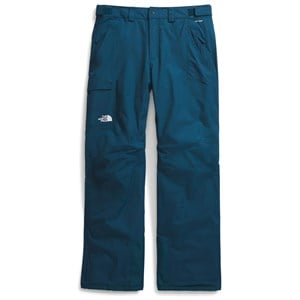
3. The North Face Freedom Insulated
-
Fabric: DryVent™ 2L with PFC-free DWR
-
Insulation: 60g Heatseeker™ Eco insulation
-
Ventilation: Inner thigh vents with Chimney Venting™
-
Weight: 1 lb. 8 oz. (680g)
The North Face Freedom Insulated Pants offer all-around performance for skiers wanting warmth, durability, and a flexible fit. With 60g Heatseeker™ Eco insulation and DryVent™ 2-layer waterproofing, they keep you dry and toasty even in deep powder. The reinforced hems and articulated knees add durability, and the Chimney Venting™ thigh zips help you stay cool on warmer days. Waist adjusters and roomy pockets round out the thoughtful design.
Where these pants really stand out is in the fit. Skiers with muscular thighs or curvier hips often find typical snow pants tight or restrictive, but the Freedom’s relaxed cut solves that. One user with 44″ hips noted the Medium/Short size fit perfectly, even over base layers. They’re warm, stylish, and flexible enough for a wide range of motion on the slopes. The only real downsides are slightly snug sizing for some and a lack of extra venting options.
Pros:
- Comfortable for curvy and athletic builds
- Good waterproofing and warmth for resort use
- Functional ventilation and adjustable waist
- Secure cargo and hand pockets
Cons:
- Some users report tightness in the waist
- Could use additional venting options
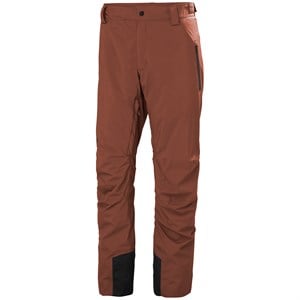
4. Helly Hansen Legendary Insulated
-
Fabric: 2-way stretch polyester with Helly Tech® Performance 10K/10K
-
Insulation: 60g PrimaLoft® Black
-
Ventilation: Inner thigh zippers
-
Seams: Fully taped for waterproofing
Helly Hansen’s Legendary Insulated Pants are a long-time favorite for good reason. Their sleek, technical design includes 60g of PrimaLoft® Black insulation for warmth, plus a durable 2-way stretch outer shell with Helly Tech® waterproofing. The fully seam-sealed construction and adjustable waistband ensure a comfortable, tailored fit. Reinforced hems and articulated knees make them ideal for carving turns without feeling bulky.
These pants are especially well-suited to skiers with muscular builds. The cut offers enough room in the thighs without being overly loose, and the stretch fabric enhances mobility. Inner thigh vents work well to release heat during high-effort skiing, and the insulation provides a cozy barrier against the cold. While they may not be warm enough for frigid days without layering, their lightweight, performance-focused build makes them a smart choice for regular resort use.
Pros:
- Excellent mobility and comfortable stretch
- Great for athletic or muscular body types
- Good waterproofing with full seam sealing
- Lightweight yet warm for most conditions
Cons:
- May require layering on very cold days
- Fit can feel snug for some skiers
5. REI Co-op Powderbound Insulated

-
Fabric: Peak 2-layer waterproof/breathable nylon with DWR
-
Insulation: 40g synthetic insulation
-
Ventilation: Zippered inner thigh vents
-
Weight: 1 lb. 9.4 oz.
REI’s Powderbound Insulated Pants offer a comfortable and practical design for skiers who prioritize warmth and eco-conscious materials. The 40g synthetic insulation offers decent warmth for mid-winter conditions, and the Peak 2-layer waterproof fabric—while not the highest rated—gets the job done in dry snow. The pants also include articulated knees, a gusseted crotch, zippered thigh vents, and reinforced cuffs, making them mountain-ready at a fair price.
They’re especially suited for colder, dry conditions rather than slushy or wet environments. The waterproof rating is just 2100mm, which struggles under sustained pressure like chairlift seats or wet snow. Still, the fit is roomy, and features like boot gaiters, zippered pockets, and Fair Trade Certified construction make them a solid pick for casual skiers. Their lighter insulation makes them good for layering and transitioning between cold and slightly warmer days.
Pros:
- Lightweight and packable warmth
- Flexible, roomy fit for active use
- Environmentally friendly and Fair Trade Certified
- Well-organized pocket layout
Cons:
- Low waterproof rating limits use in wet snow
- Only critical seams are sealed
See the REI Co-op Powderbound Insulated
How to Choose Ski Pants for Tall Guys: A Complete Guide
Finding the right ski pants as a tall guy can be frustrating. Too often, regular-sized ski pants end up too short in the legs or awkward in the fit, forcing you to choose between cold ankles or uncomfortable bulk. But with a bit of know-how, you can find ski pants that match your height, keep you warm, and allow you to move freely on the slopes. This guide covers everything tall men need to know before buying ski pants — from sizing and inseam lengths to fabric, insulation, and adjustability.
1. Understand Fit and Inseam First
One of the biggest challenges for tall skiers is finding pants with a long enough inseam. Standard ski pants typically have inseams around 30 to 32 inches, which isn’t enough if you’re 6’2″ or taller. Look for brands that offer “long” or “tall” sizing — these often provide inseams from 34 to 36 inches.
Pro Tip: Check the brand’s size chart before buying. Some brands like Columbia, Burton, The North Face, and Patagonia offer tall-specific models or extended inseam options. If no “tall” version exists, look for relaxed or articulated cuts that naturally offer a longer fit through the legs.
2. Go for an Adjustable Waist and Suspenders
Many ski pants designed for taller people also feature adjustable waists or come with removable suspenders. This helps you fine-tune the fit and keep the pants in place, especially since tall men often have a slimmer waist-to-inseam ratio.
Suspenders are particularly helpful for avoiding “plumber’s gap” when you’re bending or sitting on ski lifts. They also prevent sagging and ensure your pants stay aligned with your upper body.
3. Prioritize Stretch and Articulation
For tall skiers, freedom of movement is essential. Pants that are too tight in the knees or hips can restrict your motion and throw off your form. Look for ski pants that feature 2-way or 4-way stretch fabrics. These materials move with your body, offering more comfort during turns, carving, and crouching.
Also, consider pants with pre-articulated knees. This ergonomic design gives you better flexibility and a natural range of motion without pulling at the seams.
4. Waterproofing and Breathability
Height aside, you still need the core technical features every skier depends on — namely, waterproofing and breathability. Look for pants with at least a 10,000mm waterproof rating for reliable protection in wet conditions. For heavy snow or frequent falls, aim for 15,000mm or more.
Breathability ratings (measured in g/m²) tell you how well moisture can escape. Pants rated at 10,000g/m² or higher help reduce sweat buildup and keep you dry from the inside. Tall guys often run warmer, so don’t overlook venting options like zippered thigh vents for quick cooling.
5. Insulated or Shell? Choose Based on Your Style
Your choice between insulated and shell pants depends on your skiing habits and temperature tolerance.
-
Insulated ski pants are ideal for cold climates and casual skiers. They come with built-in synthetic insulation (usually 40g to 80g), which traps heat and keeps your legs warm without needing multiple layers.
-
Shell ski pants are better for active or backcountry skiers. They’re lighter, more breathable, and give you full control over layering.
For tall guys, layering can be tricky with short pants. If you go for a shell, make sure your base and mid layers aren’t sticking out below the hemline.
6. Look for Longer Boot Gaiters
Another issue tall skiers face is short internal gaiters that don’t properly seal over ski boots. Boot gaiters keep snow and cold air from entering your boots, but if they ride too high, they fail at this job.
Make sure the gaiters are elasticized, extend low enough to cover your boot tops, and have strong grippers to hold them in place. Some brands design their gaiters with added height or adjustable snap systems — a small but vital detail for taller users.
7. Reinforced Hems and Knees for Longer Legs
If you’re tall, chances are your pant legs will brush the ground more often — especially around the heel area. Reinforced cuffs and scuff guards made from tougher materials (like Cordura or ballistic nylon) will prolong the life of your pants.
Similarly, reinforced knees are a bonus. Taller men may experience more pressure around the knee area due to longer lever mechanics during movement. Reinforcements help prevent premature wear and tear, especially if you spend time kneeling in the snow.
8. Style Considerations: Fit, Color, and Design
Tall guys often look best in straight or athletic cuts that follow the natural leg shape without appearing baggy. Avoid overly slim pants, as they may restrict movement or appear disproportionate when combined with long legs.
As for color and design, dark shades like black, navy, or charcoal tend to be slimming and elongating — ideal for a taller frame. Bright colors or two-tone designs can also help balance out proportions by breaking up vertical lines.
9. Try Before You Buy (If Possible)
Even if you shop online, it’s worth visiting a physical store to try on a few brands and get a feel for how different cuts fit your body. Take note of the brands and models that feel comfortable, and then search online for the right size or better pricing.
If trying on in-store isn’t an option, order from stores with good return policies. Check customer reviews from other tall users to get real-world feedback on fit and performance.
10. Best Ski Pants Brands for Tall Guys
Here are a few brands known for offering tall sizes or long inseams:
-
Columbia – Offers a dedicated “Tall” section with ski pants up to 36” inseam.
-
Burton – Snowboard-focused brand with relaxed and longer cuts, especially in the AK line.
-
The North Face – Some models offer long inseams or tall versions.
-
Patagonia – While not labeled “tall,” some styles like the Snowshot and Powder Bowl pants have longer natural lengths.
-
Arctix – Budget-friendly and has extended size ranges.
-
Flylow Gear – Great for freeriders, often runs longer in length naturally.
Final Thoughts
For tall men, the right ski pants are all about finding a tailored fit that doesn’t compromise on length, movement, or performance. Focus on inseam length first, but don’t overlook key features like waterproofing, stretch, insulation, and reinforced areas. Try different brands, compare size charts, and prioritize comfort. When your gear fits right, skiing becomes a lot more fun — and a lot less frustrating.