
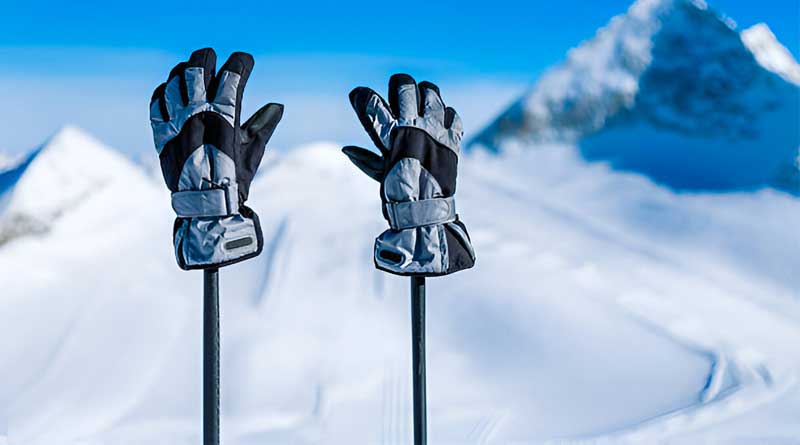
Best Waterproof Ski Gloves of 2026
When skiing in wet, snowy conditions, keeping your hands dry is just as important as staying warm. Wet gloves can quickly make your hands cold, uncomfortable, and even put you at risk for frostbite. That’s why choosing the best waterproof ski gloves is essential for a great day on the slopes. The right pair will block out moisture, keep warmth in, and still allow your hands to move freely. Modern ski gloves use advanced materials and insulation to keep you comfortable all day, even in heavy snow or slushy weather. In this guide, we’ll share the top picks to keep your hands dry and warm no matter the conditions.
1. Oyuki Sencho GORE-TEX
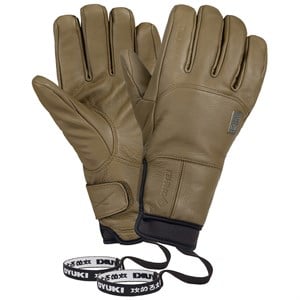
- Shell Material: Premium water-resistant goatskin leather
- Membrane: GORE-TEX waterproof breathable insert – “Guaranteed to Keep You Dry™”
- Insulation: 200g PrimaLoft® Gold (top) / 133g PrimaLoft® Eco Grip (palm)
- Lining: Soft tricot lining for comfort and warmth
The Oyuki Sencho GORE-TEX Gloves are built for skiers and riders who need serious durability, warmth, and weather protection in demanding winter conditions. Made from premium goatskin leather, these gloves offer a supple yet tough exterior that resists moisture while maintaining flexibility. The GORE-TEX membrane ensures complete waterproofing and breathability, keeping your hands dry during heavy snowfall or wet conditions. Inside, the PrimaLoft® insulation delivers impressive warmth without adding bulk, while the tricot lining feels soft against the skin for all-day comfort. The Eco Grip palm improves control when holding ski poles, shovels, or tools, making these gloves suitable for both resort skiing and backcountry use.
What makes the Oyuki Sencho GORE-TEX stand out is the thoughtful combination of technical performance and rider-focused features. The adjustable double-layer cuff provides an excellent seal against snow entry, while the hook-and-loop closure allows a snug, customized fit. The rounded finger design improves comfort and dexterity, which is a bonus for those who need precision handling in cold conditions. A Griptex pull tab makes them easy to put on, even with one glove already on, and the wrist leashes prevent accidental drops from the lift. Overall, these gloves strike an excellent balance between rugged build quality, technical weather protection, and rider comfort, making them a solid investment for serious winter enthusiasts.
Pros:
- Excellent waterproofing with GORE-TEX membrane
- Warm yet lightweight PrimaLoft® insulation
- Durable full-leather construction
- Secure double-layer cuff with adjustable fit
Cons:
- Premium price point
- Leather requires occasional maintenance to keep in top condition
2. Burton GORE-TEX
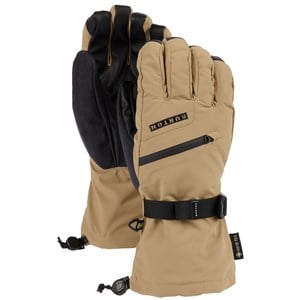
- Shell Material: DRYRIDE 2-Layer fabric – breathable, waterproof, and quick-drying
- Membrane: GORE-TEX waterproof/breathable membrane with GORE Plus Warm technology
- Insulation: Thermacore™ Eco insulation for high warmth-to-weight performance
- Palm: Screen Grab Toughgrip™ synthetic leather for full touchscreen control
The Burton GORE-TEX Gloves are designed for skiers and snowboarders who want maximum versatility and weather protection. Built with DRYRIDE 2-Layer fabric, these gloves offer exceptional waterproofing and breathability, while the GORE-TEX membrane ensures you stay dry no matter how wet or windy the day gets. The Thermacore™ Eco insulation delivers targeted warmth without adding excess bulk, allowing for excellent mobility on the slopes. A removable Screen Grab® liner with four-way stretch provides added flexibility and allows you to use touchscreen devices without taking off your gloves. The extended gauntlet cuff offers extra coverage, keeping deep snow and icy wind at bay.
Beyond their technical construction, the Burton GORE-TEX Gloves shine with thoughtful features that boost comfort and convenience. The ergonomic pre-curved fit enhances dexterity, making pole grip and gear adjustments effortless. A hidden heater/vent pocket allows you to customize warmth, while the soft nose wipe on the thumb adds a practical touch for cold-weather days. The adjustable wrist cinch ensures a secure fit, and the durable palm will withstand multiple seasons of use. Whether you’re chasing powder, braving wet snow, or just need a reliable glove for varied mountain conditions, these gloves deliver dependable performance and all-day comfort.
Pros:
- Exceptional waterproofing and breathability with GORE-TEX
- Removable liner for adaptable warmth
- Touchscreen-compatible palm for device use
- Extended gauntlet cuff for deep snow protection
Cons:
- Can feel bulky for those who prefer low-profile gloves
- Premium features come with a higher price tag
3. evo Felsen
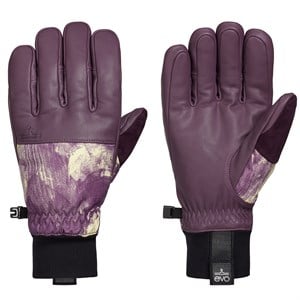
- Shell Material: Water-resistant goatskin leather (palms, fingers, knuckles) and ripstop polyester (back of hand)
- Membrane: Hipora® waterproof/breathable membrane
- Insulation: PrimaLoft® Gold Recycled (200g back of hand / 125g palm)
- Lining: Fleece top and micro Bemberg lining (140g)
The evo Felsen Gloves combine durability, warmth, and dexterity into a glove that feels just as good for resort laps as it does for chilly early-morning tours. The goatskin leather construction on the palms, fingers, and knuckles offers a supple feel while resisting water and wear, and the ripstop polyester back keeps them light yet tough. Inside, the Hipora® membrane ensures reliable waterproofing and breathability, so your hands stay dry even in the Pacific Northwest’s wetter snow conditions. The PrimaLoft® Gold Recycled insulation keeps the warmth in without making the gloves feel overly bulky, while the fleece and micro Bemberg lining add next-to-skin softness for all-day comfort.
Functionality is at the forefront of the evo Felsen design. Wrist leashes prevent glove drops, and the webbing pull tab makes them easier to put on even with one glove already on. The nose/goggle wipe is a small but handy touch, and the “under the cuff” style gives a low-profile fit that works well with most jacket sleeves. However, sizing runs smaller than expected, which can be an issue if you want to wear liners for extra insulation. Also, the elastic cuff—without an adjustable strap—can be difficult to stretch, especially once one glove is already on. Still, at a competitive price point and with a solid build, the evo Felsen offers excellent value for skiers and snowboarders looking for dependable mid-winter gloves.
Pros:
- Durable leather and ripstop construction
- Warm yet low-bulk PrimaLoft® insulation
- Reliable waterproofing with Hipora® membrane
- Useful features like wrist leashes and goggle wipe
Cons:
- Runs small, limiting space for liners
- Elastic cuff can be tight and lacks adjustability
4. ihuan Winter Waterproof Snow Gloves

- Shell Material: Skin-friendly waterproof fabric outer layer
- Insulation: Soft and dense fleece lining for warmth
- Palm: Microfiber leather with anti-skid design for better grip
- Touchscreen: Sensitive touchscreen-compatible fingertips for device use
The ihuan Winter Waterproof Snow Gloves are a versatile choice for those who need reliable cold-weather protection in a variety of settings. Featuring a waterproof fabric outer and a cozy fleece lining, these gloves are designed to keep your hands warm and dry in temperatures between 20°F and 32°F. The adjustable windproof cuff prevents snow and cold air from getting inside, making them suitable for skiing, snowball fights, hiking, or even everyday winter chores. Despite their insulation, these gloves are lightweight and soft, ensuring they don’t feel bulky during active use. The non-slip microfiber leather palm improves grip, making them safer for driving, cycling, or handling gear outdoors.
A standout feature of the ihuan gloves is their responsive touchscreen compatibility, which allows you to use your smartphone without removing them—a big plus on cold days. They offer reliable performance in snow or light rain, but the cuffs are not waterproof, so you’ll need to avoid getting them overly wet in deep snow or heavy precipitation. These gloves also come with the reassurance of good after-sales support, with the brand offering quick solutions for sizing, waterproofing, or warmth concerns. For those looking for a practical, budget-friendly pair of gloves that can handle both outdoor sports and daily winter wear, the ihuan Winter Waterproof Snow Gloves are a strong option.
Pros:
- Lightweight and comfortable design
- Touchscreen-compatible fingertips
- Good grip with anti-skid palm
- Adjustable cuff for a better seal against wind and snow
Cons:
- Not suitable for extreme cold or heavy wet conditions
- Cuffs are not waterproof
See the ihuan Winter Waterproof Ski Gloves
5. Rivmount Winter Waterproof Snow Gloves

- Shell Material: Skin-friendly waterproof fabric outer layer
- Insulation: Soft, dense fleece lining for warmth and comfort
- Palm: PU leather with anti-slip design for enhanced grip
- Touchscreen: All-finger sensitive conductive fabric for device use
The Rivmount Winter Waterproof Snow Gloves are built for both style and performance, offering dependable warmth and protection during cold-weather activities. The waterproof outer layer and thick fleece lining combine with an adjustable windproof cuff to seal out snow and cold air, keeping your hands comfortable even in freezing conditions. These gloves are lightweight yet warm, making them ideal for activities like skiing, snowboarding, cycling, hiking, or commuting. The PU leather palm with anti-slip detailing provides a secure hold on steering wheels, ski poles, or phones, and the all-finger touchscreen compatibility ensures you can use your devices without exposing your hands to the cold.
Beyond warmth and functionality, these gloves include thoughtful touches for safety and convenience. Reflective patterns on the back improve visibility at night, making them ideal for evening cycling or walking. The adjustable cuffs make them easy to put on and take off, while the portable buckle ensures you can keep them paired together when not in use. While they excel in snowy or light rain conditions, they are not designed for extreme cold or prolonged submersion in water. Overall, the Rivmount gloves deliver a good balance of comfort, protection, and modern convenience, making them a versatile choice for everyday winter wear and active outdoor use.
Pros:
- Warm, lightweight, and comfortable
- Full touchscreen functionality on all fingers
- Good grip with anti-slip PU leather palm
- Reflective detailing for night safety
Cons:
- Not intended for extreme cold conditions
- Waterproofing may be less effective in heavy, wet snow
See the Rivmount Winter Gloves
6. Hiramex Winter Glove

- Shell Material: Soft, windproof, and water-resistant fabric
- Palm: Microfiber leather with non-slip silicone reinforcement
- Touchscreen: Full-exterior touch-sensitive material for device control
- Design: Unique V-shaped design for a modern, stylish look
The Hiramex Winter Glove is designed to offer warmth, comfort, and versatility for a wide range of winter activities. Made with a soft yet durable windproof and water-resistant outer fabric, these gloves help keep your hands warm and dry in snowy or lightly wet conditions. The lightweight construction ensures they are not bulky, making them ideal for active use in sports, commuting, or outdoor chores. The reinforced palm with microfiber leather and non-slip silicone provides excellent grip and abrasion resistance, giving you confidence while driving, cycling, skiing, or handling equipment.
What sets these gloves apart is their full-exterior touchscreen capability, allowing accurate phone or tablet use without removing them. This makes it easier to take photos, answer calls, or navigate apps even in the cold. The unique V-shaped design adds a stylish edge while symbolizing achievement and victory, appealing to those who want both performance and aesthetics. While the Hiramex gloves work well in most winter settings, they are better suited to moderate cold rather than extreme temperatures. For everyday wear, winter sports, or outdoor tasks, they offer a great balance of warmth, grip, and tech-friendly convenience.
Pros:
- Lightweight yet warm design
- Excellent grip with reinforced palm and silicone detail
- Full-touchscreen compatibility
- Stylish V-shaped design
Cons:
- Not ideal for extreme cold or prolonged wet conditions
- Limited insulation compared to heavy-duty ski gloves
7. Carhartt A511

- Shell Material: Durable polytex with softshell trim
- Palm: Reinforced PU material for improved grip and durability
- Insulation: Ultrasoft insulation for warmth in cold conditions
- Lining: Moisture-wicking lining with waterproof insert
The Carhartt A511 gloves are a dependable, all-purpose winter option designed for both work and outdoor activities in cold weather. Built from tough polytex material with a reinforced PU palm, they provide the durability needed for daily use while maintaining flexibility for handling tools or gear. The ultrasoft insulation keeps hands warm without excessive bulk, and the waterproof insert adds essential protection against snow and moisture. Inside, the moisture-wicking lining helps regulate temperature by drawing sweat away from your skin, keeping your hands dry and comfortable throughout the day.
Practicality is at the heart of the Carhartt A511’s design. The gloves include a soft nose wipe on the thumb, which is useful in cold, windy conditions. They strike a good balance between warmth, waterproofing, and dexterity, making them suitable for snow shoveling, skiing, hiking, or general outdoor work. While they are not the warmest gloves for extreme conditions, they offer reliable performance for most winter days. Their rugged build ensures they can withstand regular wear, and the combination of weather resistance and comfort makes them a solid choice for those seeking a versatile, no-nonsense winter glove.
Pros:
- Durable construction for everyday winter use
- Waterproof insert for moisture protection
- Comfortable ultrasoft insulation
- Moisture-wicking lining keeps hands dry
Cons:
- Not ideal for extreme cold temperatures
- Less insulation compared to heavy-duty ski gloves
How to Choose Waterproof Ski Gloves?
When you’re out skiing, your hands are your connection to the mountain. They grip your poles, help you adjust your gear, and keep you balanced. Cold, wet hands can quickly turn a fun day on the slopes into an uncomfortable experience. That’s why choosing the right waterproof gloves is so important. But with so many styles, materials, and features available, it can be tricky to know which pair is right for you. This guide will walk you through everything you need to consider—so you can find gloves that keep your hands warm, dry, and ready for adventure.
1. Why Waterproof Ski Gloves Matter
Snow may look soft and harmless, but once it melts against your skin, it’s just water—and water is the enemy of warmth. Wet gloves lose their insulation power quickly, and your body loses heat much faster when your hands are damp. This not only makes skiing uncomfortable but can also put you at risk for frostbite in very cold conditions.
Waterproofing protects you in two main ways:
-
They keep external moisture out (snow, sleet, or slush)
-
They manage internal moisture (sweat from your hands)
A good pair will handle both, keeping your hands dry from the outside and the inside.
2. Understanding Waterproofing
When shopping for gloves, you’ll often see terms like waterproof, water-resistant, or weatherproof. They don’t all mean the same thing.
-
Waterproof: Blocks water completely, even in heavy, wet snow or rain.
-
Water-resistant: Resists water for a while but may eventually soak through.
-
Weatherproof: Usually a mix of wind and water resistance, but not fully waterproof.
For skiing—especially in wet or unpredictable conditions—fully waterproof gloves are best.
3. The Role of Membranes
Many waterproof gloves use a membrane layer to keep water out while letting moisture escape. This is what makes them breathable and comfortable.
Common waterproof membranes include:
-
GORE-TEX®: Well-known for excellent waterproofing and breathability.
-
Hipora®: Durable and cost-effective waterproof option.
-
OutDry®: Bonds the waterproof layer directly to the shell to prevent water buildup.
-
Generic PU or TPU membranes: Found in budget-friendly gloves; less breathable but still waterproof.
If you tend to ski in wet snow (like in coastal or spring conditions), a high-quality membrane is worth the investment.
4. Materials: Leather vs. Synthetic
The outer shell of ski gloves is your first defense against snow and moisture.
-
Leather: Naturally water-resistant when treated, very durable, and great for grip. It requires regular waterproofing treatments to maintain performance.
-
Synthetic fabrics (like nylon or polyester): Lighter, quick-drying, and often more affordable. They can be coated for waterproofing and paired with a membrane for extra protection.
-
Hybrid designs: Combine leather in high-wear areas (palms, fingers) with synthetic fabric on the back for the best of both worlds.
5. Insulation: Staying Warm
Waterproofing keeps you dry, but insulation keeps you warm. The amount and type of insulation you need depends on your climate, activity level, and how cold your hands tend to get.
-
Synthetic insulation (like PrimaLoft® or Thinsulate™): Warm, lightweight, and still effective when wet.
-
Down insulation: Extremely warm and compressible but loses warmth if it gets wet (better for cold, dry conditions).
-
Fleece lining: Adds comfort and some warmth, often combined with other insulation.
For very cold days, look for high-gram synthetic insulation or down-filled gloves. For warmer or spring skiing, a lighter insulated glove will prevent overheating.
6. Fit and Dexterity
Gloves that are too tight restrict blood flow and make your hands colder. Gloves that are too loose can feel clumsy and reduce grip.
What to check for when trying gloves:
-
You should be able to make a fist without discomfort.
-
There should be a small air gap inside for insulation to trap warmth.
-
You should have enough dexterity to adjust zippers, hold poles, and operate buckles.
Remember: if you plan to wear liner gloves underneath, size up slightly.
7. Cuff Styles
Cuffs affect how well your gloves integrate with your ski jacket and how they keep out snow.
-
Gauntlet-style cuffs: Extend over your jacket sleeve and cinch tight to seal out snow. Best for deep powder days.
-
Under-cuff gloves: Fit inside your sleeve for a sleeker feel and better wrist movement. Often preferred by snowboarders or in less snowy conditions.
8. Breathability
Skiing is an active sport, and sweaty hands can be just as uncomfortable as wet hands from snow. A breathable glove lets moisture escape so your hands stay dry from the inside.
Tip: Breathability ratings are sometimes listed in grams (like jackets). A higher number means better moisture transfer.
9. Extra Features to Look For
Small details can make a big difference in how comfortable and convenient your gloves are.
-
Wrist leashes: Keep your gloves from falling when you take them off on the lift.
-
Nose/goggle wipe: A soft patch on the thumb for clearing lenses or your face.
-
Touchscreen compatibility: Lets you use your phone without removing gloves.
-
Zippered pockets: Can hold hand warmers for extra heat.
-
Pre-curved fingers: Improve grip and reduce break-in time.
10. Mittens, Gloves, or Lobster Style?
Your choice here depends on your priority—warmth or dexterity.
-
Gloves: Best dexterity, good for gripping poles or adjusting gear.
-
Mittens: Warmer than gloves because fingers share heat, but less dexterous.
-
Lobster-style: Hybrid that groups some fingers together for warmth while keeping others free for movement.
11. Liner Gloves: An Extra Layer of Warmth
If your hands get cold easily, consider wearing liner gloves inside your waterproof gloves. They add warmth and let you take off your outer gloves for quick tasks without exposing bare skin.
Common liner materials:
-
Merino wool: Warm, breathable, and naturally odor-resistant.
-
Synthetic fleece: Soft, quick-drying, and affordable.
-
Silk: Lightweight and smooth under gloves.
12. Care and Maintenance
Even the best gloves need care to perform well over time.
-
Dry them thoroughly after each use (avoid direct high heat to prevent damage).
-
Reapply waterproofing to leather gloves regularly.
-
Store them loosely in a cool, dry place to maintain shape and prevent odors.
13. Budget Considerations
Price ranges for ski gloves:
-
Budget ($30–$60): Good for casual skiers or mild conditions; may sacrifice breathability or durability.
-
Mid-range ($60–$120): Balanced performance with quality membranes and materials.
-
Premium ($120–$250+): High-end insulation, top waterproofing, and excellent durability—ideal for frequent skiers or extreme conditions.
14. Final Tips for Choosing
-
Match your gloves to your skiing style and conditions. A backcountry skier in wet coastal snow will need more waterproofing than someone skiing on dry powder in the Rockies.
-
Try gloves on with your jacket to make sure the cuffs fit well together.
-
If you run cold, prioritize insulation; if you run hot, focus on breathability.
-
Don’t underestimate the importance of comfort—if they don’t feel good in the store, they won’t feel good on the mountain.
The Bottom Line
The best waterproof ski gloves are the ones that fit your hands, your climate, and your style of skiing. Pay attention to waterproofing, insulation, fit, and extra features, and you’ll be able to enjoy full days on the slopes without worrying about cold, wet hands. With the right pair, you can focus on carving turns, not warming your fingers.