Best Race Skis of 2025
If you love skiing and want to go faster on the slopes, choosing the best race skis is very important. Racing skis are designed to help you turn quickly and stay stable at high speeds. Whether you are a beginner or an experienced skier, having the right skis can make a big difference in your performance and confidence. In this article, we will look at some of the best race skis available, what features to consider, and how to pick the perfect pair for your style and skill level. With the right race skis, you can enjoy faster runs and better control every time you hit the snow.
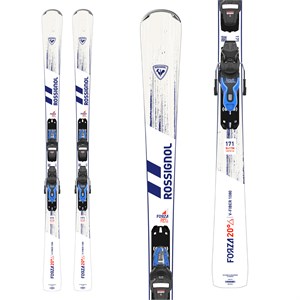
1. Rossignol Forza 20°
-
Rocker Type: Piste Rocker (95% Camber / 5% Tip Rocker)
-
Core: PEFC™ Certified Wood Core
-
Base: High Density Sintered Base
-
Bindings: Xpress 10 GW (DIN 3–10, not pre-mounted)
The Rossignol Forza 20° is built for skiers who want precision and speed on groomed runs. Its mostly cambered shape provides excellent edge grip and stability, while the slight rocker in the tip helps make turns smooth and easy to start. This ski feels confident underfoot without being overly stiff, making it a great choice for intermediate to advanced skiers who want to improve their carving skills. The wide sidecut helps it hold well during aggressive turns, giving a strong and steady ride.
The eco-friendly PEFC certified wood core adds a consistent and responsive feel, while the sintered base ensures the ski remains fast and durable throughout the season. Rossignol’s Line Control Technology reduces vibrations, keeping the ride stable at higher speeds. Although the bindings are included, they need professional mounting before use. Overall, the Forza 20° combines power and forgiveness perfectly for frontside skiing enthusiasts.
Pros:
- Precise edge grip for stable carving
- Smooth turn initiation with piste rocker
- Durable and fast sintered base
- Eco-friendly wood core construction
Cons:
- Not designed for off-piste or powder
- Bindings require professional mounting
2. Blizzard Anomaly 84
-
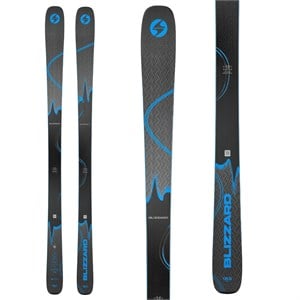
Rocker Type: Rocker/Camber/Rocker
-
Core: TrueBlend All-Mountain Core (Beech and Poplar)
-
Laminates: Dual Titanal Layers with Fiberglass Layer
-
Base: Sintered Graphite Base
The Blizzard Anomaly 84 is a versatile ski that blends sharp frontside carving with a playful feel. Its rocker-camber-rocker profile allows smooth turn initiation while maintaining edge hold on groomed snow. The TrueBlend core, made from beech and poplar, offers a balanced flex that feels comfortable and responsive across varied conditions. This ski suits intermediate to advanced skiers who want stability on hardpack but still want some maneuverability for softer or uneven terrain.
With dual Titanal layers and fiberglass laminates, the Anomaly 84 delivers strong edge grip and reduces chatter at high speeds, making it stable when pushing hard on the slopes. The ABS sidewalls improve power transfer, while the sintered graphite base ensures a fast glide over different snow types. Though bindings aren’t included, this ski’s performance and adaptability make it a solid choice for those looking to explore more varied terrain without sacrificing frontside precision.
Pros:
- Strong edge grip and stability
- Balanced flex for different snow conditions
- Durable, fast-gliding sintered graphite base
- Versatile rocker for easy turning
Cons:
- Bindings not included
- Limited float in deep powder or steep off-piste
3. Rossignol Experience W 82 Ti – Women’s
-
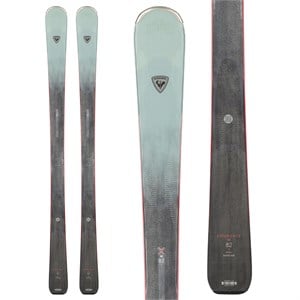
Rocker Type: All Trail Rocker (Rocker/Camber/Rocker)
-
Core: Poplar PEFC™ Wood Core with Double Titanal Layers
-
Flex: Boost Flex Technology for responsive energy transfer
-
Sidewalls: Rectangular Full Sidewall for stability and grip
The Rossignol Experience W 82 Ti is designed specifically for women who want a ski that balances performance and comfort. Its All Trail Rocker profile makes turning smooth and forgiving, even in mixed snow conditions. The cambered section underfoot ensures strong edge hold on hardpack, giving skiers control and confidence on groomed runs. Thanks to Boost Flex technology, this ski feels lively and energetic, making carving more enjoyable for intermediate and advanced riders.
Built with a lightweight and eco-friendly Poplar PEFC™ wood core combined with dual Titanal layers, the ski offers stability and dampening at higher speeds. Rossignol’s Drive Tip Solution helps reduce vibrations, providing a smoother ride in variable snow. The sintered base enhances durability and glide, ensuring long-lasting performance. While bindings aren’t included, this ski is a great option for women looking to improve their skills on varied terrain without compromising comfort or control.
Pros:
- Excellent grip and control at speed
- Smooth, easy turn initiation
- Effective vibration damping with Drive Tip Solution
- Durable and eco-friendly construction
Cons:
- Bindings not included
- May feel stiff for beginners or lighter skiers
See the Rossignol Experience W 82 Ti – Women’s
4. Armada Reliance 82 Ti – Women’s
-
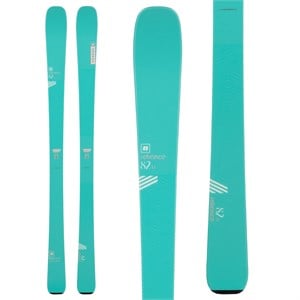
Rocker Type: EST All Mountain Rocker (Rocker/Camber/Rocker)
-
Core: 100% Poplar Wood Core
-
Laminates: Articulated Titanal Banding (ATB) with Carbon Reinforcement
-
Sidewalls: AR100 Sidewall for edge grip and stability
The Armada Reliance 82 Ti is designed for women skiers who want a powerful yet versatile frontside ski. Its EST All Mountain Rocker combines rocker at the tip and tail with camber underfoot, allowing lively turn initiation and strong edge hold on groomed and mixed snow. This ski offers a medium turning radius and a stiff flex that supports aggressive carving and confident skiing on frontside terrain, while still forgiving enough for less-than-perfect snow conditions.
Armada’s Articulated Titanal Banding delivers dynamic flex and energetic rebound, making turns feel responsive but not harsh. Carbon reinforcements add stiffness and precision, while AR100 sidewalls enhance edge grip and stability on hardpack and ice. The 100% poplar wood core ensures consistent performance and durability, making it an excellent choice for intermediate to advanced women skiers. It excels on corduroy and chopped snow but isn’t built for deep powder or off-piste use.
Pros:
- Stable, confident edge grip at speed
- Energetic, responsive turns with ATB and carbon layers
- Forgiving rocker tips for smooth turn initiation
- Strong, consistent poplar wood core
Cons:
- Bindings not included
- Not suited for deep powder or backcountry
See the Armada Reliance 82 Ti – Women’s
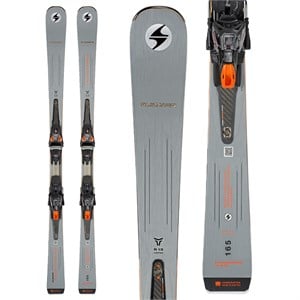
5. Blizzard Thunderbird R13 LTD
-
Rocker Type: Full Camber
-
Core: Trueblend Piste Woodcore with Variable Density Zones
-
Laminates: Active Carbon Armor and Dual Titanal Layers
-
Bindings: XCELL 12 Demo Bindings (DIN 4–12, not pre-mounted)
The Blizzard Thunderbird R13 LTD is a high-performance frontside ski designed for skiers who crave precision and power at high speeds. Its full camber profile offers exceptional edge grip and sharp turning, perfect for carving tight, aggressive arcs on groomed runs. The Trueblend woodcore features variable density zones that optimize flex and power distribution, delivering a smooth and controlled energy transfer that keeps the ski responsive without being harsh. This ski suits intermediates stepping up and advanced skiers looking for a reliable, dynamic ride.
Built with Active Carbon Armor, the ski dampens vibrations and reduces chatter, ensuring stability even when charging down the mountain. Dual Titanal layers reinforce strength and edge hold, giving confidence at speed. The included XCELL 12 bindings are high quality but require professional mounting before use. Overall, the Thunderbird R13 LTD offers a precise, smooth, and exciting carving experience for those who want to push their limits on hardpack terrain.
Pros:
- Outstanding edge grip from full camber and Titanal laminates
- Smooth, stable ride with vibration damping
- Responsive and quick in short-radius turns
- High-quality bindings included
Cons:
- Bindings not pre-mounted
- Demands good technique; not ideal for beginners
See the Blizzard Thunderbird R13 LTD
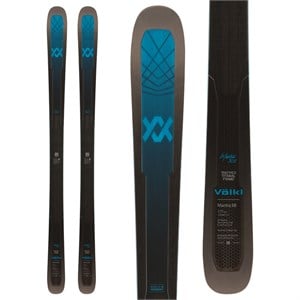
6. Völkl Mantra 88
-
Rocker Type: Tip & Tail Rocker with Camber underfoot
-
Core: Multilayer Woodcore (Beech and Poplar blend)
-
Laminates: Tailored Titanal Frame and Tailored Carbon Tips
-
Base: P-Tex 2100 Sintered High-Density Base
The Völkl Mantra 88 is a versatile all-mountain ski aimed at intermediate to advanced skiers seeking precision and power. Its tip and tail rocker combined with camber underfoot delivers strong edge hold on groomers while offering playfulness in variable snow conditions. The innovative 3D Radius Sidecut allows smooth transitions from tight, quick turns to wide, flowing carves, making it adaptable to different terrains and styles.
Built with a multilayer woodcore blending beech and poplar, the Mantra 88 balances durability and responsiveness. The tailored Titanal frame adjusts stiffness along the ski for optimal performance, while carbon tips reduce swing weight and add precision. The high-density P-Tex base keeps the ski fast and resilient. Though it requires good technique to unlock its full potential, this ski rewards skilled riders with a dynamic and stable experience across the mountain.
Pros:
- Versatile 3D radius sidecut for varied turns
- Strong edge grip and stability at speed
- Tailored Titanal frame for optimized stiffness
- Durable, responsive multilayer woodcore
Cons:
- Not ideal for beginners or soft snow days
- Demands good technique to perform best
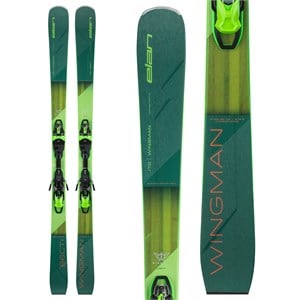
7. Elan Wingman 86 CTi
-
Rocker Type: Early Rise Rocker
-
Core: Tubelite Woodcore
-
Laminates: Mono Ti Reinforcement and Carbon Rods
-
Shape: Amphibio Profile (Rocker outside edge, camber inside edge)
The Elan Wingman 86 CTi is an advanced all-mountain ski designed to deliver sharp carving and versatile handling across many snow conditions. Its unique Amphibio profile combines rocker on the outside edge with camber on the inside, providing smooth and precise edge transitions, especially on hardpack snow. Thanks to the lightweight Tubelite woodcore combined with carbon rods and Mono Ti reinforcement, the ski offers a responsive and lively feel without being overly demanding.
This ski performs well on groomers, chopped-up snow, and light powder, thanks to its torsional rigidity and reduced swing weight. It allows for quick, confident turns and energy-efficient skiing, rewarding those with solid technique. While the asymmetrical Amphibio design might take some getting used to, once mastered, it offers excellent finesse and control for skiers pushing their skills on a variety of terrain.
Pros:
- Amphibio technology provides excellent edge control
- Responsive and stable thanks to carbon and Mono Ti layers
- Smooth flex with lightweight feel
- Versatile performance on groomers, crud, and light powder
Cons:
- Requires solid technique for best results
- Asymmetrical design may feel unusual for some skiers
How to Choose Race Skis?
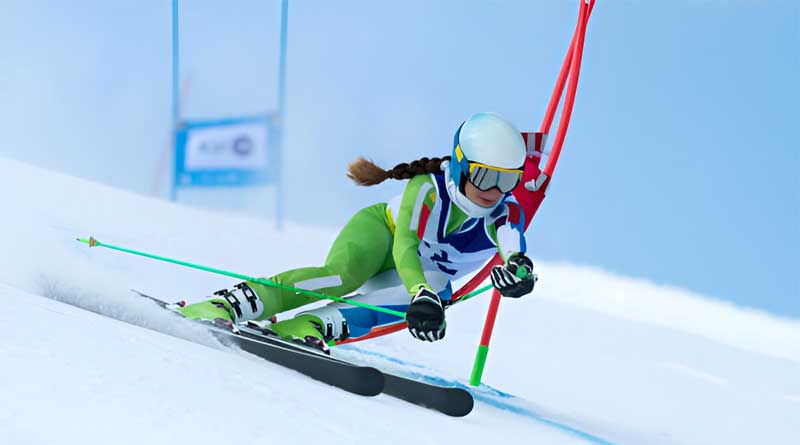
Choosing the right race skis can make a huge difference in your performance and enjoyment on the slopes. Whether you’re a beginner looking to step into the world of racing or an experienced skier aiming to upgrade your gear, picking the best race skis involves understanding several key factors. Race skis are designed specifically for speed, precision, and control, which means they have unique features compared to all-mountain or freestyle skis. This article will guide you through the essential points to consider when selecting racing skis that fit your skill level, style, and racing goals.
1. Understand Your Skill Level and Racing Goals
Before diving into the technical details, it’s important to honestly assess your skiing ability and what type of racing you want to do. Race skis come in different categories, including slalom, giant slalom, super-G, and downhill skis, each built for specific racing styles and course types.
-
Beginner racers should look for skis that offer a balance between speed and forgiveness. These skis tend to be more flexible and easier to turn, helping you build confidence.
-
Intermediate racers often need skis with more edge grip and stability at higher speeds, allowing for more aggressive turns.
-
Advanced and expert racers will benefit from stiffer, highly responsive skis that provide precise control and maximum power transfer during aggressive carving.
Knowing your level helps you narrow down your options and find skis that match your needs.
2. Choose the Right Ski Length
Race skis are generally shorter than other types of skis to enable quicker, sharper turns. However, the exact length depends on your height, weight, and skiing style. For slalom racing, shorter skis allow fast, tight turns around gates. For giant slalom or downhill, longer skis provide more stability at high speeds and on longer turns.
As a rough guide:
-
Slalom skis typically reach somewhere between your chin and nose height.
-
Giant slalom skis are closer to your full height or slightly shorter.
-
Super-G and downhill skis are usually longer for extra stability.
Choosing the correct length ensures you can maneuver effectively while maintaining control.
3. Understand Ski Shape and Sidecut
The shape and sidecut of race skis greatly affect how they turn. Sidecut refers to the difference between the width of the ski at the tip, waist, and tail. A deeper sidecut (greater difference) means the ski can make tighter turns, which is essential in slalom racing. Skis with a shallower sidecut are better for longer, sweeping turns like in giant slalom and downhill.
-
Slalom skis have a strong hourglass shape with a narrow waist, which helps carve tight, quick turns.
-
Giant slalom skis have a more moderate sidecut to handle faster, wider turns.
-
Downhill skis have a less pronounced sidecut, focusing more on speed and stability.
Knowing the type of race you want to compete in helps determine the ideal sidecut for your skis.
4. Consider the Ski Flex and Stiffness
Race skis are generally stiffer than recreational skis to provide maximum energy transfer and stability. Flex is how much a ski bends when pressure is applied. Stiffer skis offer better edge hold and control at high speeds but require strong technique and physical strength.
-
Beginners should choose skis with softer flex for more forgiveness.
-
Advanced racers typically prefer stiffer skis that respond precisely to their movements.
Keep in mind that a ski that’s too stiff for your ability can be hard to control, while a ski that’s too soft might feel unstable at speed.
5. Look at the Ski Construction and Materials
High-quality race skis use advanced materials to balance strength, weight, and performance. Most race skis have a wood core combined with layers of metal, carbon, or fiberglass to improve stiffness and reduce vibrations.
-
Wood cores provide natural flex and responsiveness.
-
Titanal or metal layers add power and vibration damping.
-
Carbon layers reduce weight while maintaining strength.
These materials help skis perform better at high speeds and during aggressive turns, so understanding construction can help you pick skis that match your racing style.
6. Choose Skis with the Right Binding Compatibility
Bindings connect your boots to your skis, and the right setup is crucial for safety and performance. Most racing skis require specific race bindings that can handle higher release forces. When choosing skis, check whether bindings are included or need to be purchased separately. Also, make sure bindings are compatible with your boots and skiing style.
Professional mounting and adjustment of bindings are essential to ensure they release properly during a fall, reducing injury risk.
7. Consider the Terrain and Snow Conditions
Race skis perform best on groomed, hard-packed snow, which is typical for race courses. If you plan to ski on variable snow or off-piste terrain, a different ski might be better suited. Some skis are designed with slight rocker profiles to help in softer snow, but generally, pure race skis excel on firm surfaces.
Understanding the typical snow conditions you’ll face can guide your ski choice.
8. Test Different Skis and Seek Expert Advice
If possible, try demoing different skis before buying. Many ski shops offer demo programs that let you test skis on real slopes. Pay attention to how the ski handles turns, speed, and stability. Also, talk to experts at ski shops or coaches who can recommend skis based on your goals and experience.
Conclusion
Choosing the right race skis involves balancing several factors: your skill level, race type, ski length, shape, flex, construction, and bindings. Selecting skis that fit your style and abilities will help you ski faster, turn sharper, and enjoy racing more. Take your time researching and testing different models to find the perfect pair that boosts your confidence and performance on the racecourse.